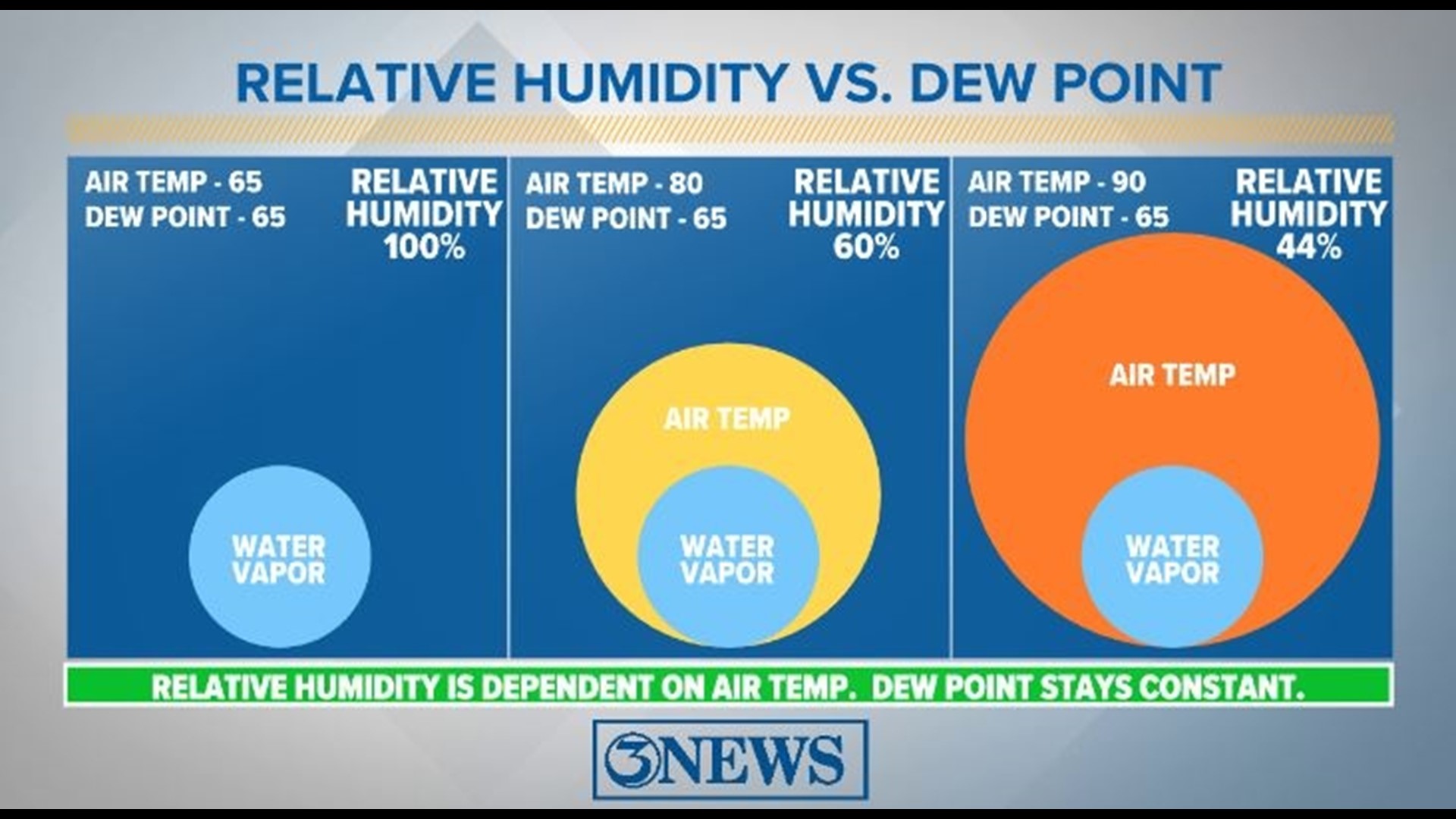
Airplane cabins feature extremely low relative humidity, often dropping below 20 percent due to high-altitude cruising conditions where outside air contains almost no moisture. This arid environment can cause physical discomfort, dehydration, and irritation of the eyes, skin, and respiratory tract during long-haul flights.
The Science of Cabin Air: Why Commercial Aircraft are Extremely Arid
Commercial airliners cruise at altitudes between 35,000 and 40,000 feet, where the outside air is intensely cold and contains virtually no absolute moisture. When this outside air is drawn into the aircraft engines, it is compressed, heated, and mixed with recirculated cabin air. Modern wide-body and narrow-body aircraft rely on environmental control systems (ECS) to regulate temperature and pressure, but they do not actively add moisture to the air supply.
Because hundreds of passengers occupy a tightly sealed tube for hours, introducing external humidity would cause massive condensation on the interior skin of the aircraft. Condensation hidden behind cabin panels can lead to heavy corrosion, electrical failures, and significant structural weight from trapped moisture. To protect the integrity of the airframe, cabin designers intentionally keep absolute humidity levels extremely low.
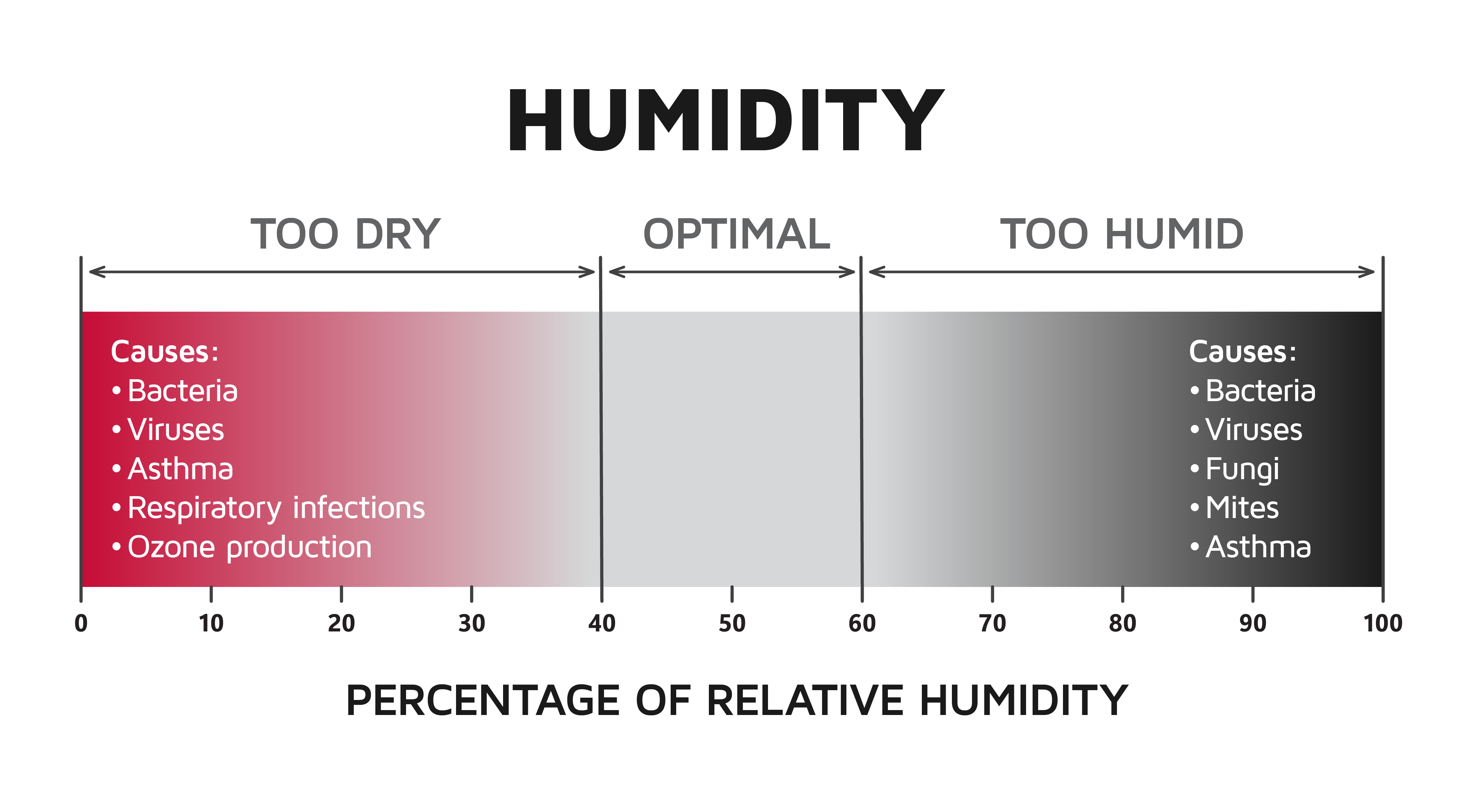
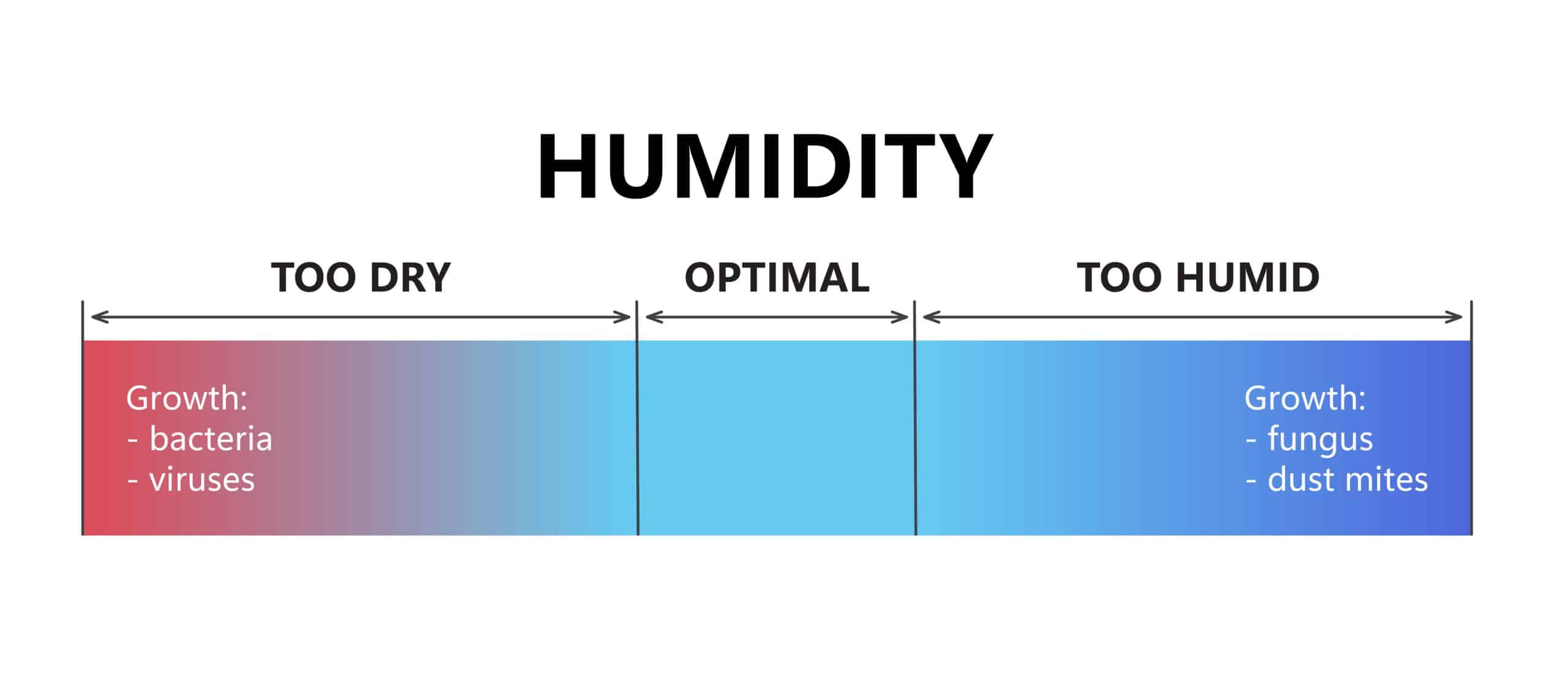
Relative humidity inside a modern passenger aircraft typically hovers between 10 and 20 percent. For comparison, the average indoor relative humidity in a typical home sits comfortably between 30 and 50 percent, while deserts like the Sahara often record relative humidity levels around 25 percent during the day. This makes the cruising environment of a commercial airliner drier than most terrestrial deserts.
Physiological Effects of Low Humidity on the Human Body
The human body relies on a delicate balance of moisture to keep mucous membranes, skin barriers, and respiratory pathways functioning optimally. When exposed to an environment with 15 percent relative humidity for several hours, the evaporation rate of moisture from skin and airways accelerates significantly. This rapid desiccation triggers several noticeable physiological reactions.
Mucous membranes in the nose and throat dry out rapidly, compromising the first line of defense against airborne pathogens. Healthy mucus traps bacteria and viruses; when dehydrated, these membranes crack or become sluggish, potentially increasing vulnerability to infections post-flight. Passengers frequently report scratchy throats, hoarseness, and sinus irritation after crossing continents.
Eyes also suffer from accelerated tear film evaporation, leading to gritty sensations, redness, and irritation. Individuals who wear contact lenses often find air travel exceptionally uncomfortable as lenses dry out and adhere to the cornea. Skin barrier function is similarly impaired, resulting in tight, flaky skin and exacerbated eczema or dermatitis flare-ups for susceptible individuals.
Dehydration Myths and Realities in Flight
A persistent myth suggests that passengers dehydrate twice as fast on airplanes compared to ground environments. While the dry air increases insensible fluid loss through respiration and skin evaporation, total body fluid loss occurs at rates comparable to dry terrestrial climates. However, human thirst perception is often muted in cold, dry environments, leading passengers to drink less water than necessary.
Furthermore, travelers frequently consume alcoholic or caffeinated beverages during flights, which act as mild diuretics and can contribute to fluid imbalance if not balanced with sufficient water intake. Proper hydration on board does not require specialized electrolyte concoctions for standard flights, but consistent water consumption remains essential to mitigate the effects of dry cabin air.
| Environment | Average Relative Humidity | Physiological Impact | Recommended Action |
|---|---|---|---|
| Typical Office Building | 30% – 50% | Optimal comfort; normal mucous membrane function. | Normal hydration habits. |
| Sahara Desert | 15% – 25% | Moderate dryness; increased skin evaporation. | Increase water intake; use lightweight moisturizers. |
| Commercial Airplane Cabin | 10% – 20% | Rapid moisture loss; eye, nose, and skin irritation. | Drink water regularly; use saline sprays and artificial tears. |
| Humid Tropical Climate | 60% – 80% | Heat retention; perceived stickiness. | Cooling measures; electrolyte balance. |
Practical Strategies to Combat Cabin Dryness
Mitigating the effects of airplane humidity requires proactive preparation before boarding and consistent execution throughout the flight. Relying on airline-provided beverages alone is rarely sufficient, as service intervals depend on turbulence and flight duration.
Passengers should implement a multi-layered self-care routine starting before departure. Staying well-hydrated in the airport terminal establishes a baseline fluid balance before entering the pressurized cabin. Carrying an empty reusable water bottle through security and filling it at a terminal fountain ensures continuous access to water once seated.
Skincare and personal comfort items should be packed in carry-on luggage according to liquid volume limits. Barrier-repairing moisturizers, nasal saline sprays, and preservative-free eye drops offer direct, localized relief against environmental desiccation.
- Hydrate Consistently: Drink small amounts of water regularly throughout the flight rather than waiting for feelings of intense thirst.
- Protect the Eyes: Remove contact lenses before long-haul flights or use lubricating eye drops frequently while wearing them.
- Moisturize Strategically: Apply a rich cream or facial oil immediately after washing the face or boarding to lock in existing surface moisture.
- Support Respiration: Use a saline nasal spray every few hours to keep nasal passages moist and functional.
Aircraft Engineering Solutions and Future Outlook
Aviation engineers and aircraft manufacturers continuously evaluate methods to improve passenger comfort without compromising structural safety. Modern composite aircraft, such as the Boeing 787 Dreamliner and the Airbus A350, utilize carbon-fiber-reinforced polymer fuselages instead of traditional aluminum.
Because composite materials do not corrode from moisture in the same manner as aluminum alloys, these next-generation airliners can maintain higher cabin humidity levels—typically around 20 to 25 percent—without risking structural degradation. Additionally, composite airframes allow for a lower effective cabin altitude, reducing fatigue and improving overall passenger well-being.
Despite these advancements, older narrow-body and wide-body fleets still make up the majority of global commercial aviation. Passengers flying on legacy aircraft will continue to experience very low humidity environments, necessitating personal mitigation strategies for the foreseeable future.
Frequently Asked Questions
Why is the air inside an airplane so dry?
Airplane air is dry because commercial airliners cruise at high altitudes where the outside air contains virtually no moisture. When this air is brought into the cabin and heated, its relative humidity drops significantly, and airlines intentionally limit moisture addition to prevent hidden condensation and structural corrosion.
Does low airplane humidity cause illness?
While low humidity does not directly cause infections, it dries out the mucous membranes in your nose and throat, which compromises your body's natural defense barriers against airborne viruses and bacteria present in enclosed spaces.
Can I bring nasal sprays and eye drops on the plane?
Yes, liquid medications, saline nasal sprays, and eye drops are permitted in carry-on luggage. In many jurisdictions, essential medical liquids and comfort drops exceeding standard liquid volume limits are allowed, provided they are declared at security checkpoints according to local aviation authority guidelines.
Do newer planes have better humidity levels?
Next-generation composite aircraft, such as the Boeing 787 and Airbus A350, feature advanced materials that resist corrosion, allowing airlines to safely maintain slightly higher cabin humidity and lower cabin altitudes than older aluminum-bodied jets.
How much water should I drink during a flight?
While individual needs vary based on body size and flight duration, a general guideline is to consume approximately eight ounces of water for every hour spent in the air, avoiding excessive alcohol and caffeine to maintain optimal hydration balance.
Prioritizing Personal Comfort During Travel
Managing the challenges of airplane humidity effectively requires understanding the physical constraints of high-altitude flight and preparing accordingly. By packing targeted personal care items such as saline sprays, rich moisturizers, and reusable water bottles, travelers can significantly reduce the physical irritation caused by arid cabin environments. Prioritize consistent hydration and proactive self-care on your next flight to arrive at your destination feeling refreshed.