The modern flight deck represents the culmination of a century of aerospace engineering, human factors research, and digital transformation, serving as the central nervous system from which pilots monitor, navigate, and manage complex aircraft systems throughout every phase of flight.
Operating an aircraft requires a comprehensive understanding of the flight deck, traditionally known as the airplane cockpit. From the early days of open-cockpit biplanes fitted with basic mechanical gauges to modern glass cockpits driven by advanced flight management systems (FMS) and electronic flight instrument systems (EFIS), the workspace of the professional and recreational aviator has undergone a massive evolution. Mastering this environment demands structured training, strict adherence to standardized procedures, and a deep appreciation for how ergonomic design minimizes human error.
Evolution from Analog Gauges to Glass Cockpits
The architecture of the flight deck shifted dramatically in the late 20th century with the introduction of cathode-ray tube (CRT) displays, which eventually gave way to lightweight, high-resolution liquid crystal displays (LCDs). Early aircraft relied entirely on mechanical, pitot-static, and gyroscopic instruments. These analog dials—frequently arranged in the iconic "Basic Six" or "T-group" configuration—measured airspeed, altitude, attitude, heading, turn-and-slip, and vertical speed through direct physical connections to air pressure sources or spinning masses.
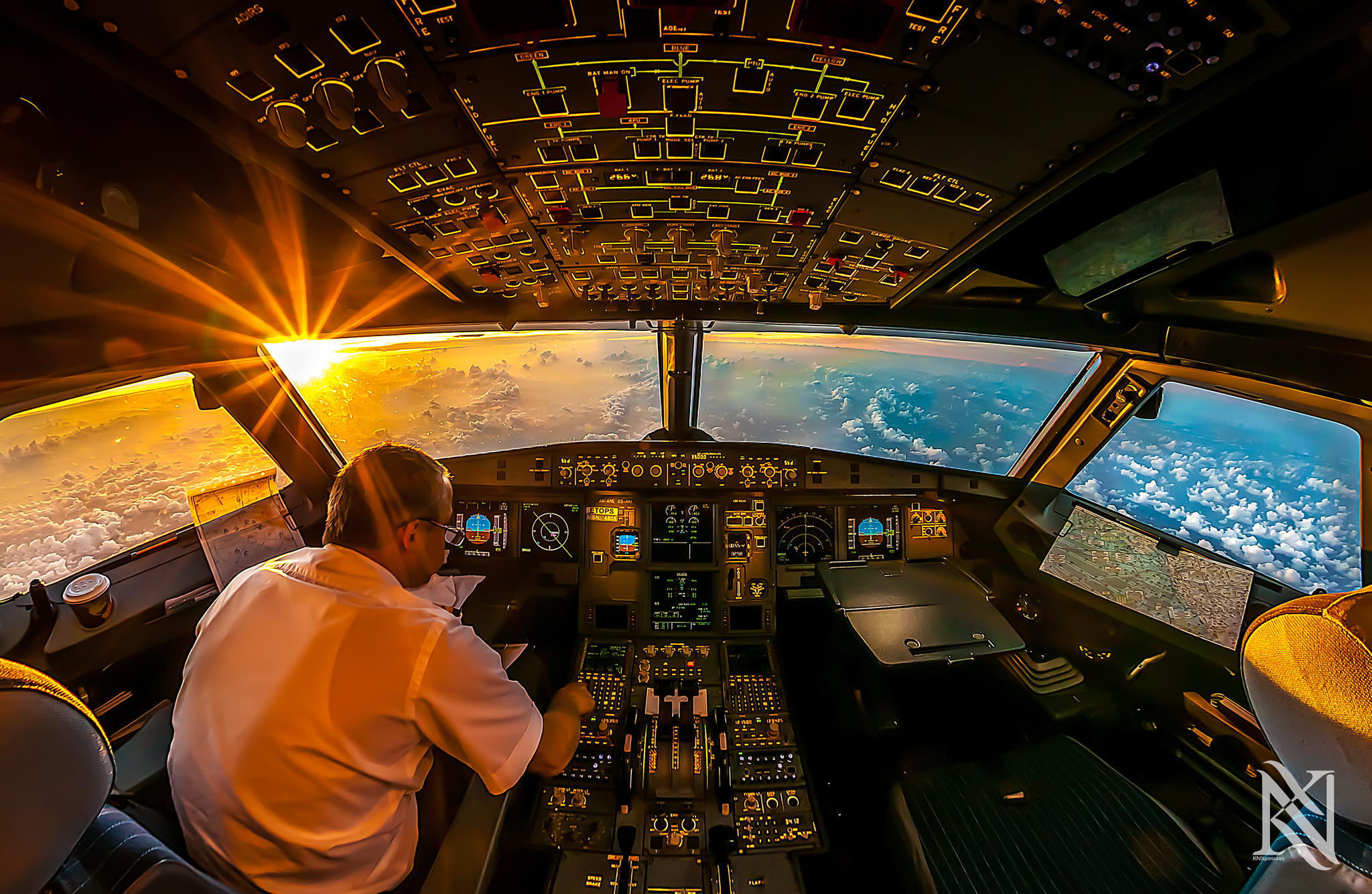
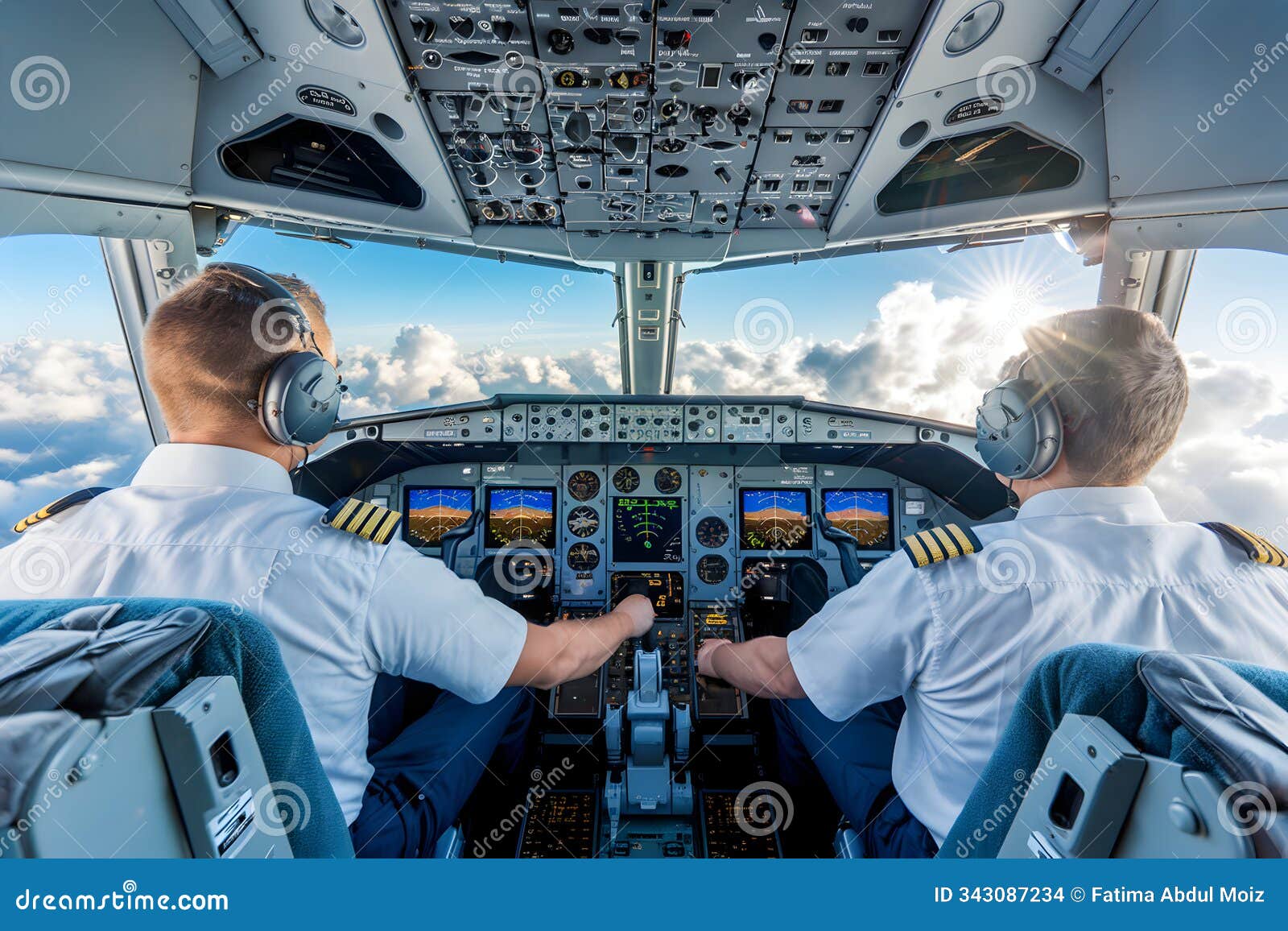
While these mechanical systems remain vital as backups in modern aircraft, digital flight decks consolidate vast amounts of data onto primary flight displays (PFDs) and multi-function displays (MFDs). This transition reduces spatial disorientation by presenting integrated flight parameters in a single field of view. Pilots no longer need to scan disparate analog needles across a crowded panel; instead, synthetic vision systems, digital map overlays, and color-coded caution and warning messages deliver immediate situational awareness. Despite these technological leaps, the fundamental principles of flight instrumentation remain unchanged, requiring every pilot to understand the underlying physics of pitot tubes, static ports, and gyroscopes.
Core Flight Instruments and Systems
Understanding the layout of a modern flight deck begins with the primary instrumentation responsible for maintaining aircraft control. Flight instruments are broadly categorized into three groups: control instruments, performance instruments, and navigation instruments.
Control instruments display power settings and attitude adjustments, allowing the pilot to directly manipulate the aircraft's pitch, bank, and thrust. Performance instruments—such as the altimeter, airspeed indicator, and vertical speed indicator—reflect the immediate results of those control inputs. Navigation instruments, including VOR (Very High Frequency Omnidirectional Range) receivers, ILS (Instrument Landing System) indicators, and modern GPS-driven moving maps, track the aircraft's position relative to a desired route or approach path.
| Instrument Type | Primary Function | Traditional Source | Modern Digital Equivalent |
|---|---|---|---|
| Attitude | Displays pitch and roll relative to the horizon | Gyroscopic horizon | Primary Flight Display (PFD) horizon vector |
| Airspeed | Measures forward speed relative to surrounding air | Pitot-static pressure differential | Airspeed tape on PFD |
| Altimeter | Measures height above a specified pressure datum | Barometric pressure via static ports | Altitude tape and digital readout on PFD |
| Heading | Indicates magnetic or true direction of travel | Gyroscopic directional gyro / magnetic compass | Horizontal Situation Indicator (HSI) / Navigation display |
Integrating these systems into a coherent operational picture is the role of the Flight Management System (FMS). The FMS ties together navigation databases, autopilot computers, and engine management systems, allowing flight crews to execute complex, multi-waypoint flight plans with precision.
Ergonomics and Human Factors in Flight Deck Design
The physical arrangement of switches, knobs, displays, and controls inside an airplane cockpit is governed by the science of human factors and ergonomics. Aircraft manufacturers and aviation regulators, such as the Federal Aviation Administration (FAA) and the European Union Aviation Safety Agency (EASA), enforce strict design criteria to ensure that pilots can operate all critical systems quickly and accurately, even under extreme cognitive load or physical fatigue.
The principle of "grouping by function" dictates that engine controls sit on the center console, primary flight instruments sit directly in the pilot's forward field of view, and communication radios are positioned for easy manipulation without obstructing primary flight duties. Furthermore, tactile differentiation is heavily utilized; switches for critical systems like landing gear and flaps feature distinct shapes or require deliberate physical motions—such as pulling before moving—to prevent accidental activation.
Standardization across aircraft classes ensures that a pilot transitioning from a single-engine training aircraft to a twin-engine turboprop or commercial jet can locate essential controls intuitively, drastically reducing conversion training times and mitigating the risk of operational errors during high-workload phases like takeoff and landing.
Navigation and Communication Suites
Communication and navigation radios form the external lifeline of the flight deck, connecting the crew to air traffic control (ATC), company dispatch, and other airspace users. The traditional radio stack has evolved into integrated avionics suites that house VHF communication transceivers, VOR/LOC receivers, transponders with Automatic Dependent Surveillance-Broadcast (ADS-In and ADS-Out) capabilities, and satellite-based weather datalinks.
In modern operations, tuning a frequency or filing a flight plan involves interacting with touch-screen flight management units or dedicated keyboard controllers. Digital data link communications (CPDLC) allow pilots to receive complex clearances via text message in oceanic and remote airspace, reducing voice communication congestion on crowded frequencies. Mastery of these systems requires rigorous procedural discipline to ensure that frequency changes, squawk codes, and route amendments are correctly cross-checked and entered into the avionics suite.
The Overhead Panel and Systems Management
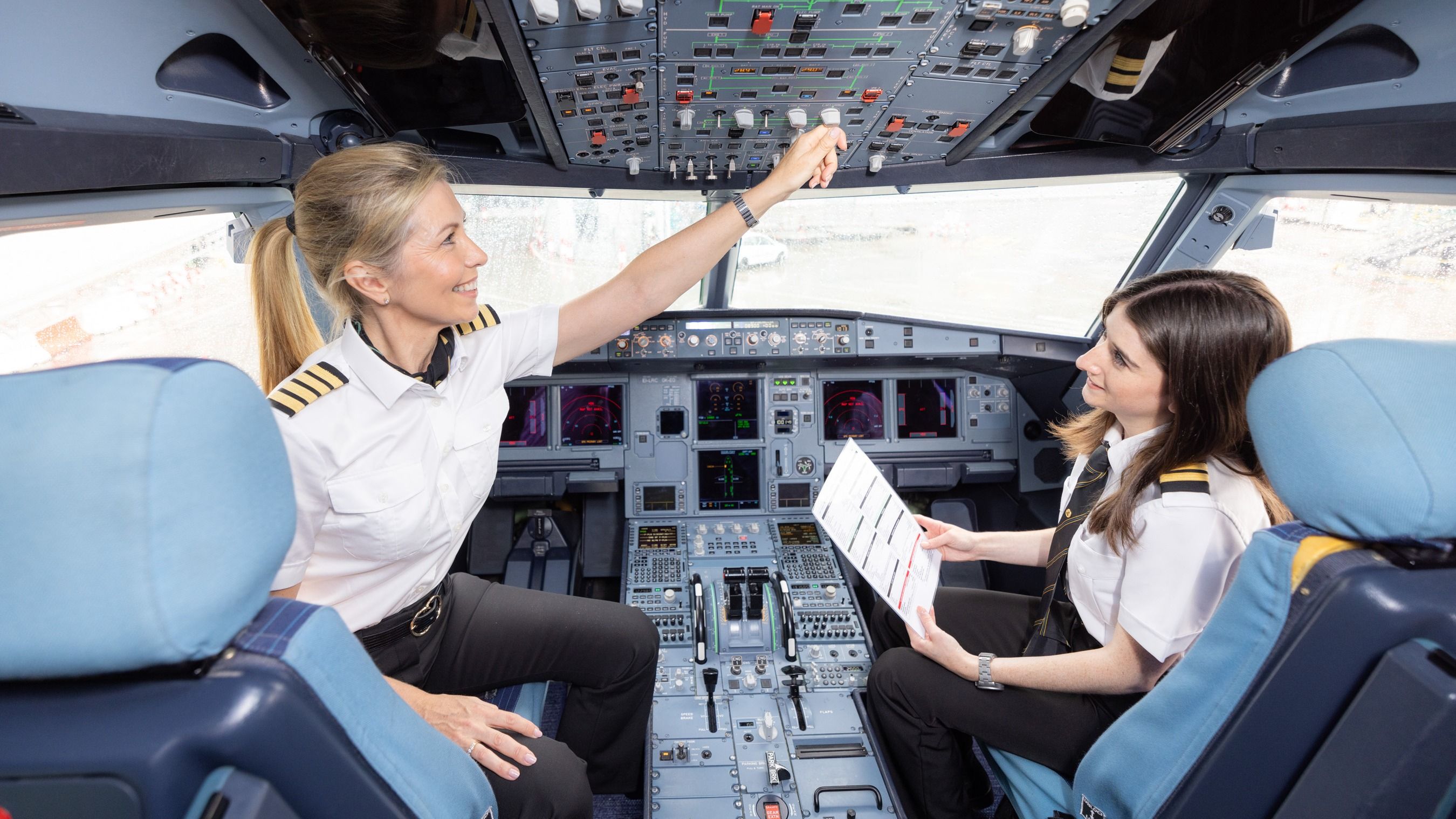
Beyond the main instrument panel, the overhead panel serves as the command center for the aircraft’s vital support systems. On complex multi-engine aircraft, the overhead panel houses switches and indicators for electrical power generation, fuel distribution, pneumatic and environmental control systems, hydraulic pressures, and anti-icing equipment.
Managing the overhead panel requires adherence to structured checklists during every phase of flight:
- Pre-flight setup: Configuring battery switches, generator links, and fuel crossfeed valves to establish proper system architecture.
- Engine start sequence: Monitoring fuel flow, oil pressure, and exhaust gas temperature (EGT) as powerplants spool up.
- In-flight monitoring: Regularly scanning gauges for deviations, voltage drops, or pressure imbalances.
- Shutdown and securing: Powering down electrical buses and isolating fuel feeds once parked at the gate.
This systematic approach prevents system overloads, optimizes fuel burn, and ensures that redundant backup systems remain ready in the event of a primary system failure.
Emergency Handling and Troubleshooting
Despite advanced engineering, mechanical failures, electrical anomalies, and severe weather can present sudden emergencies within the flight deck. Modern cockpit design emphasizes quick-reference handbooks (QRH) and electronic checklists that guide flight crews through systematic troubleshooting procedures.
When an abnormal indication or emergency arises, pilots are trained to follow the golden rule of aviation: Aviate, Navigate, Communicate. The first priority is always maintaining positive aircraft control. Once flight parameters are stable, the crew navigates away from hazards and communicates their status to ATC. Modern electronic flight decks assist this process by automatically prioritizing warning messages, flashing amber or red annunciators, and generating synthetic voice alerts to direct the pilot's attention toward the root cause of the failure, allowing for rapid and accurate mitigation.
Mastering the Flight Deck Through Structured Practice
To achieve proficiency in operating a complex airplane cockpit, pilots must combine theoretical knowledge with consistent practical training in both real aircraft and advanced flight simulation devices. Simulator training is particularly invaluable for practicing emergency procedures and instrument meteorological conditions (IMC) operations that would be hazardous to replicate in actual flight. By building robust mental models of system architecture and practicing standardized scan patterns, aviators transform an intimidating wall of instruments into an intuitive extension of their decision-making process.
Frequently Asked Questions
What is the difference between a traditional cockpit and a glass cockpit?
A traditional cockpit relies primarily on mechanical, analog instruments driven by pitot-static pressure and gyroscopes. A glass cockpit replaces these physical dials with electronic LCD or LED screens, integrating flight data, navigation maps, and engine diagnostics into centralized primary and multi-function displays for enhanced situational awareness.
What are the "Basic Six" flight instruments?
The Basic Six configuration groups the most essential analog instruments into two rows of three: the airspeed indicator, attitude indicator, and altimeter on the top row; and the turn coordinator, heading indicator, and vertical speed indicator on the bottom row. This layout minimizes eye movement and prevents spatial disorientation.
How do pilots manage high workload in a modern flight deck?
Pilots manage high workload by utilizing crew resource management (CRM) principles, task sharing, automated flight guidance systems like autopilots and flight directors, and strict adherence to standardized checklists and standard operating procedures (SOPs).
What is the role of the Flight Management System (FMS)?
The FMS is a specialized computer system that automates a wide variety of in-flight tasks, including precise navigation along a pre-programmed flight plan, fuel management, performance optimization, and guidance commands sent directly to the autopilot.
How are human factors considered in cockpit design?
Human factors engineering ensures that controls and displays are designed to match human cognitive and physical capabilities. This involves logical grouping by function, distinct tactile shapes for critical switches, and color-coded visual alerts to reduce fatigue and prevent operational errors.
What should a pilot do during an unexpected system failure?
A pilot must first maintain aircraft control ("Aviate, Navigate, Communicate"), stabilize the aircraft's flight path, reference the electronic or physical Quick Reference Handbook (QRH), and execute standardized emergency checklists to isolate and resolve the issue.