The airline workforce comprises the diverse network of flight crews, ground operations specialists, maintenance technicians, customer service representatives, and corporate management personnel required to keep global commercial aviation operational. Managing this multifaceted talent pool requires balancing strict regulatory compliance, specialized technical training, and complex labor relations within a highly cyclical, 24/7 global industry.
Defining the Modern Airline Workforce Ecosystem
The commercial aviation sector relies on an intricate division of labor where safety and punctuality depend directly on interdepartmental coordination. Broadly speaking, the airline workforce divides into two primary categories: operational personnel directly involved in flight execution and ground-based administrative, technical, and customer-facing support staff.
Flight operations personnel—including captains, first officers, and cabin crew—must adhere to strict licensing requirements governed by civil aviation authorities such as the Federal Aviation Administration (FAA) in the United States or the European Union Aviation Safety Agency (EASA). Meanwhile, ground operations encompass baggage handlers, ramp agents, gate agents, and cargo logistics coordinators who manage the rapid turnaround of aircraft at the gate.
Beneath the visible layers of customer service and flight execution lies the critical engineering and maintenance infrastructure. Certified aircraft maintenance technicians (AMTs) and avionics specialists perform routine safety inspections, complex engine overhauls, and structural repairs. Coordinating these operational cogs requires a sophisticated corporate workforce specializing in route planning, revenue management, safety management systems (SMS), and regulatory compliance.
Core Operational Segments and Specialized Roles
Aviation human resources must recruit, train, and retain professionals across distinct functional domains, each demanding specific credentials and psychological resilience. Flight crews undergo continuous simulator training and recurrent testing to maintain type ratings for specific aircraft models. Cabin crews, beyond their hospitality functions, serve as primary safety officers trained in emergency evacuation, fire suppression, and medical response.
Ground handling and maintenance operations present their own specialized workforce dynamics. AMTs must hold appropriate airframe and powerplant licenses, often requiring years of rigorous apprenticeship or specialized technical school education. As aircraft incorporate increasingly complex digital avionics and composite materials, the technical threshold for maintenance personnel continues to rise.
| Workforce Segment | Primary Responsibilities | Key Regulatory Requirements | Typical Entry Pathways |
|---|---|---|---|
| Flight Crew | Aircraft navigation, flight management, safety compliance | Airline Transport Pilot (ATP) license, medical certification | Flight schools, military aviation, cadet programs |
| Cabin Crew | Passenger safety, emergency management, onboard service | Initial safety training certification, background checks | Hospitality background, airline training academies |
| Maintenance & Engineering | Aircraft servicing, structural repair, regulatory inspections | Airframe & Powerplant (A&P) license, specialized type training | Technical institutes, military technical corps |
| Ground Operations | Baggage handling, ramp logistics, aircraft marshalling | Ramp safety certification, equipment operator permits | Direct-hire entry, logistics experience |
Recruitment, Training, and Human Capital Lifecycle
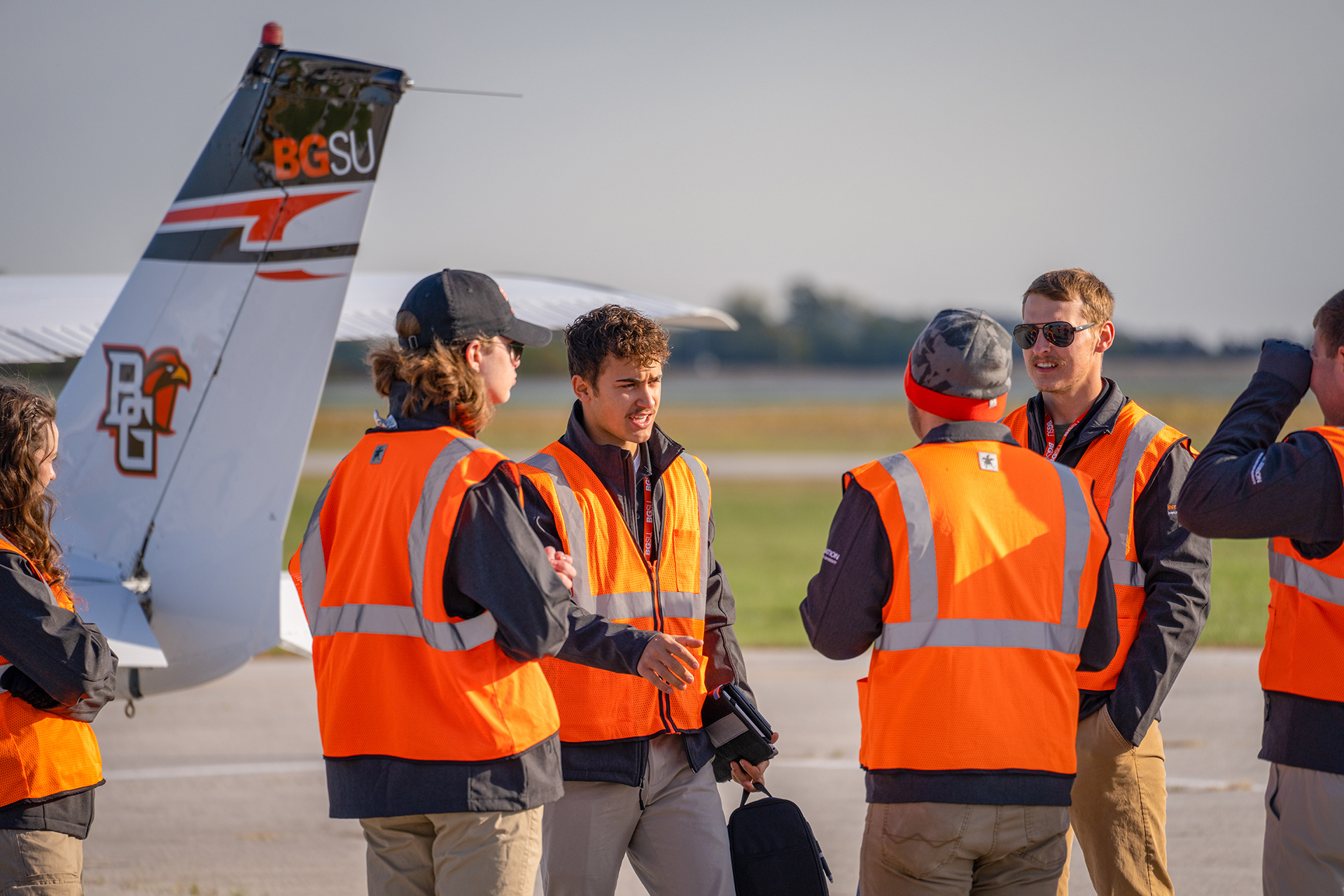
Recruiting for the airline workforce involves navigating long lead times, particularly for licensed professionals. Training a commercial pilot from zero flight hours to a regional airline right-hand seat requires years of investment and thousands of flight hours. Consequently, major commercial carriers frequently establish proprietary cadet academies or partner with collegiate aviation programs to secure a steady talent pipeline.
Training protocols within aviation are strictly standardized to mitigate human error, which historical safety data identifies as a primary contributor to aviation incidents. Crew Resource Management (CRM) training, first introduced decades ago, remains a foundational pillar for flight and cabin crews, emphasizing open communication, situational awareness, and collaborative decision-making under high-pressure conditions. Similar human factors training has increasingly been integrated into maintenance and air traffic management environments.
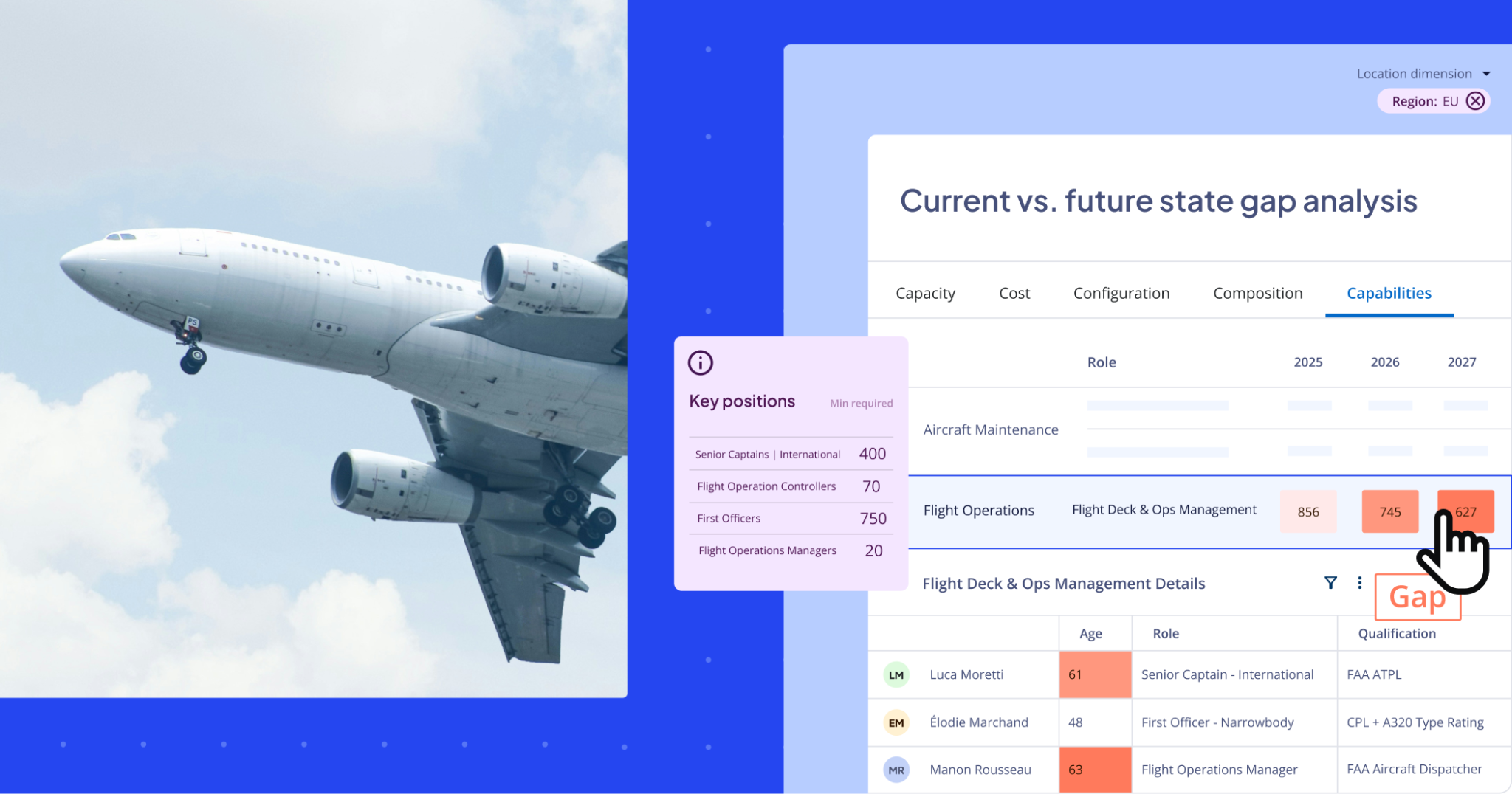
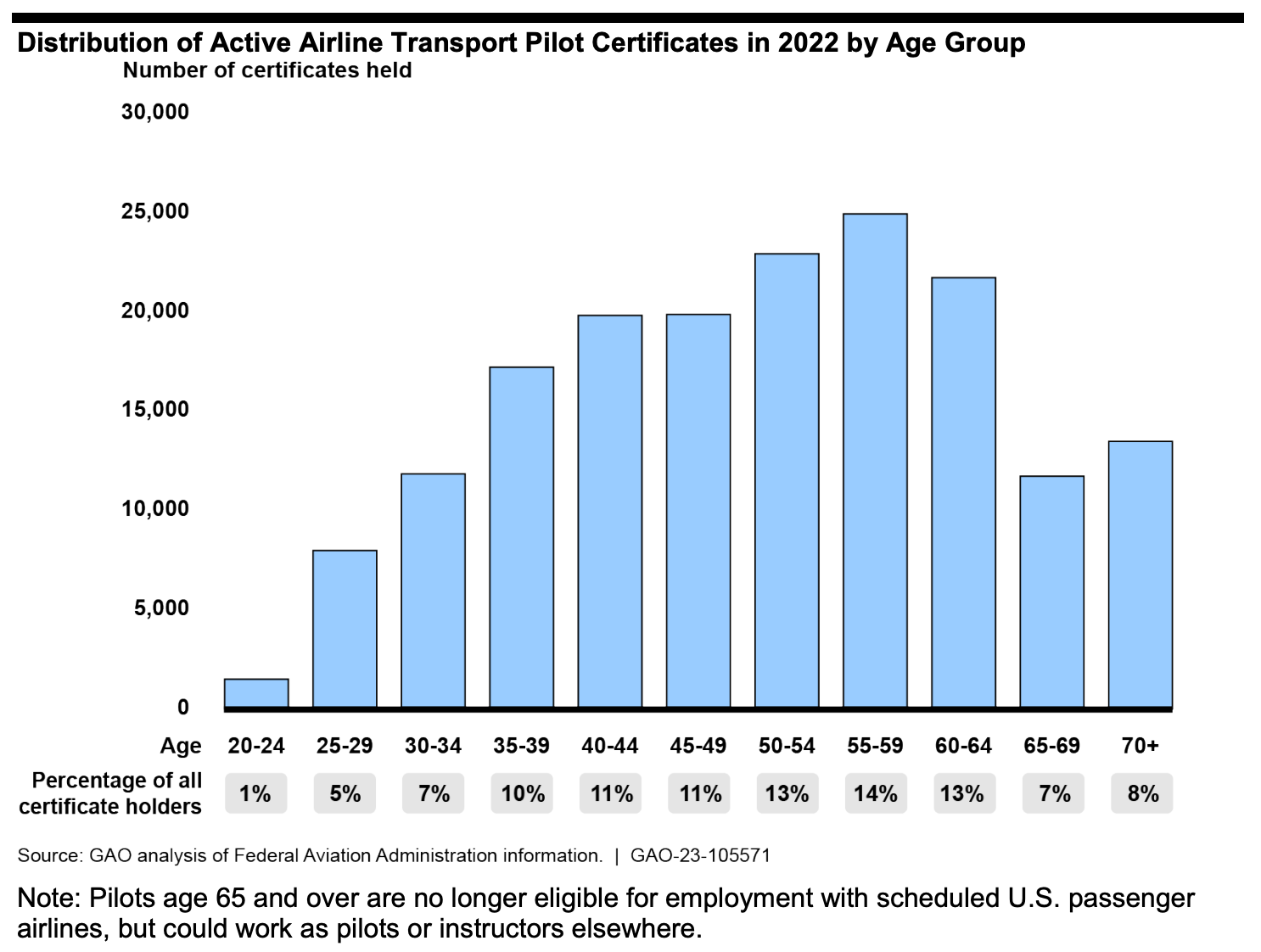
Retaining this specialized talent demands competitive compensation structures, predictable scheduling, and robust career progression pathways. Because senior pilots and experienced mechanics are subject to mandatory retirement ages, workforce planning must anticipate demographic shifts years in advance to avoid operational disruptions.
Regulatory Compliance and Labor Relations
The airline workforce operates within one of the most heavily regulated labor environments in the global economy. Government authorities dictate maximum duty periods, mandatory rest requirements, and fitness-for-duty standards to combat fatigue and ensure operational safety. Compliance officers must monitor crew schedules continuously to prevent regulatory violations that can result in substantial civil penalties or grounding orders.
Labor relations represent another defining characteristic of the sector. Given the high degree of professional specialization, airline workforces are frequently unionized through organizations like the Air Line Pilots Association (ALPA), the Association of Flight Attendants (AFA), and the International Association of Machinists and Aerospace Workers (IAM). Collective bargaining agreements govern pay scales, seniority rights, benefits, and working conditions. Managing these contracts requires sophisticated labor relations strategies to balance cost containment with workforce stability and morale.
Technological Transformation and Workforce Evolution
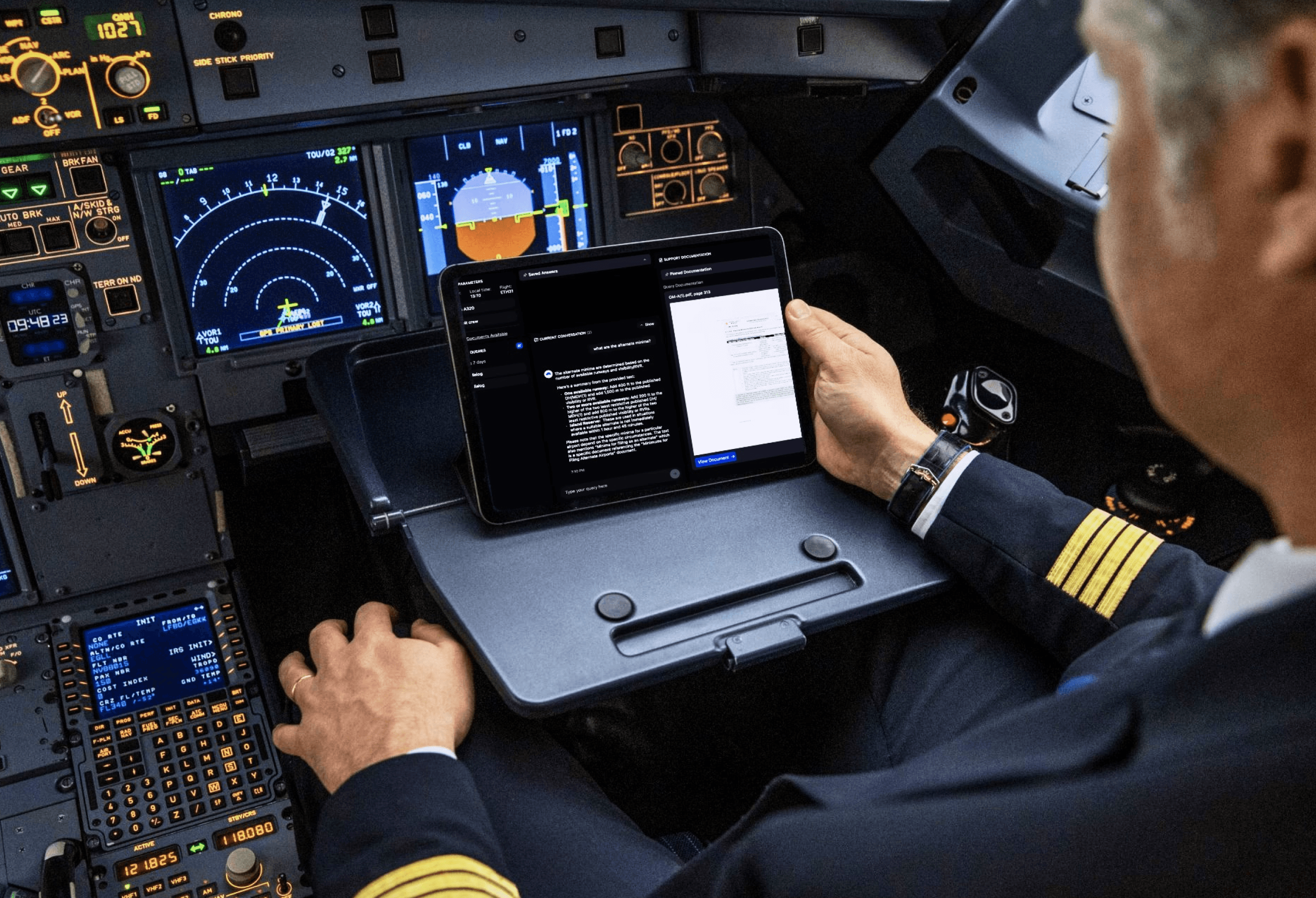
Digital transformation is reshaping traditional aviation job roles across every department. Automation in the cockpit has shifted the pilot's role from manual aircraft manipulation to systems management and strategic oversight. Concurrently, predictive maintenance technologies driven by real-time engine telemetry and data analytics are altering the daily tasks of maintenance technicians, enabling them to replace components before failure occurs.
On the ground, artificial intelligence and self-service kiosks are streamlining passenger check-in and baggage drop, shifting customer service roles toward high-value exception handling and specialized passenger assistance. Workforce training programs must continuously adapt to these digital tools, requiring ongoing upskilling initiatives for both veteran employees and new hires to maintain operational efficiency and safety standards.
Frequently Asked Questions About the Airline Workforce
What are the primary qualifications required to join an airline flight crew?
Flight crew members must hold appropriate commercial or airline transport pilot licenses, maintain first-class medical certification, and accumulate specific minimum flight hours. Cabin crew members must complete intensive initial safety training, pass comprehensive background checks, and meet airline-specific customer service and physical criteria.
How do airlines manage pilot shortages and retirement bottlenecks?
Airlines address talent deficits by investing in proprietary cadet pipelines, offering tuition reimbursement programs, partnering with flight training academies, and recruiting military-trained aviators. To mitigate retirement bottlenecks, many carriers also optimize scheduling and refine retirement transition pathways.
Why is labor unionization so prevalent in the aviation industry?
Unionization is widespread due to the high regulatory stakes, specialized skill sets, 24/7 shift requirements, and safety-critical nature of aviation roles. Collective bargaining provides workers with standardized safety protections, predictable seniority-based progression, and structured compensation frameworks.
What role does human factors training play in aviation workforce development?
Human factors training, including Crew Resource Management, teaches personnel how to manage stress, improve communication, mitigate cognitive biases, and execute collaborative decision-making. This training minimizes human error and reinforces safety cultures across flight decks, maintenance hangars, and operations control centers.
How are technological advancements changing aircraft maintenance jobs?
Advanced digital diagnostics, predictive health monitoring systems, and composite airframe materials require maintenance technicians to possess advanced computer literacy, specialized diagnostic skills, and updated certifications alongside traditional mechanical expertise.
Strategic Workforce Planning and Next Actions
To maintain operational resilience, aviation organizations and prospective professionals must align their strategies with long-term demographic and technological trends. Human resource leaders should prioritize proactive talent pipelines, flexible scheduling models to mitigate burnout, and continuous upskilling programs aligned with digital cockpit and maintenance innovations. Professionals entering or advancing within the sector must focus on acquiring specialized certifications, maintaining flawless compliance records, and cultivating cross-functional technical adaptability to thrive in a rapidly evolving global aviation marketplace.