An airline shutdown occurs when a commercial carrier ceases all flight operations and enters liquidation, administration, or bankruptcy protection, abruptly stranding passengers and halting route networks. Affected travelers must quickly understand their legal protections, pursue chargeback remedies through financial institutions, and monitor regulatory authorities for official guidance on ticket refunds and rebooking options.
The Anatomy of an Airline Collapse
When a commercial carrier faces terminal financial distress, the transition from operating schedule to complete cessation is often rapid. Understanding the systemic causes and early indicators helps industry observers, regulatory bodies, and consumers recognize when a carrier is approaching insolvency. Carriers typically operate on tight cash margins, relying heavily on advance ticket sales to fund daily operations, fuel purchases, leasing fees, and payroll. When external economic pressures accumulate—such as spiking jet fuel prices, sudden macroeconomic downturns, geopolitical instability, or localized airspace closures—a carrier's cash flow can deteriorate faster than management can secure emergency bridge financing or state-backed guarantees.
Regulatory frameworks dictate how national aviation authorities respond to impending failures. Agencies such as the Federal Aviation Administration (FAA) in the United States, the European Union Aviation Safety Agency (EASA), or the Civil Aviation Authority (CAA) in the United Kingdom monitor financial fitness certificates. If an airline can no longer demonstrate adequate liquidity to maintain safe operations, aviation regulators intervene, suspending or revoking its Air Operator Certificate (AOC). This regulatory action forces an immediate grounding of the fleet, preventing aircraft from departing hubs and stranding passengers globally. Concurrently, court-appointed administrators or bankruptcy trustees step in to secure remaining assets, freeze corporate accounts, and oversee the orderly winding down of the corporate entity.
Passenger Rights and Immediate Steps for Stranded Travelers
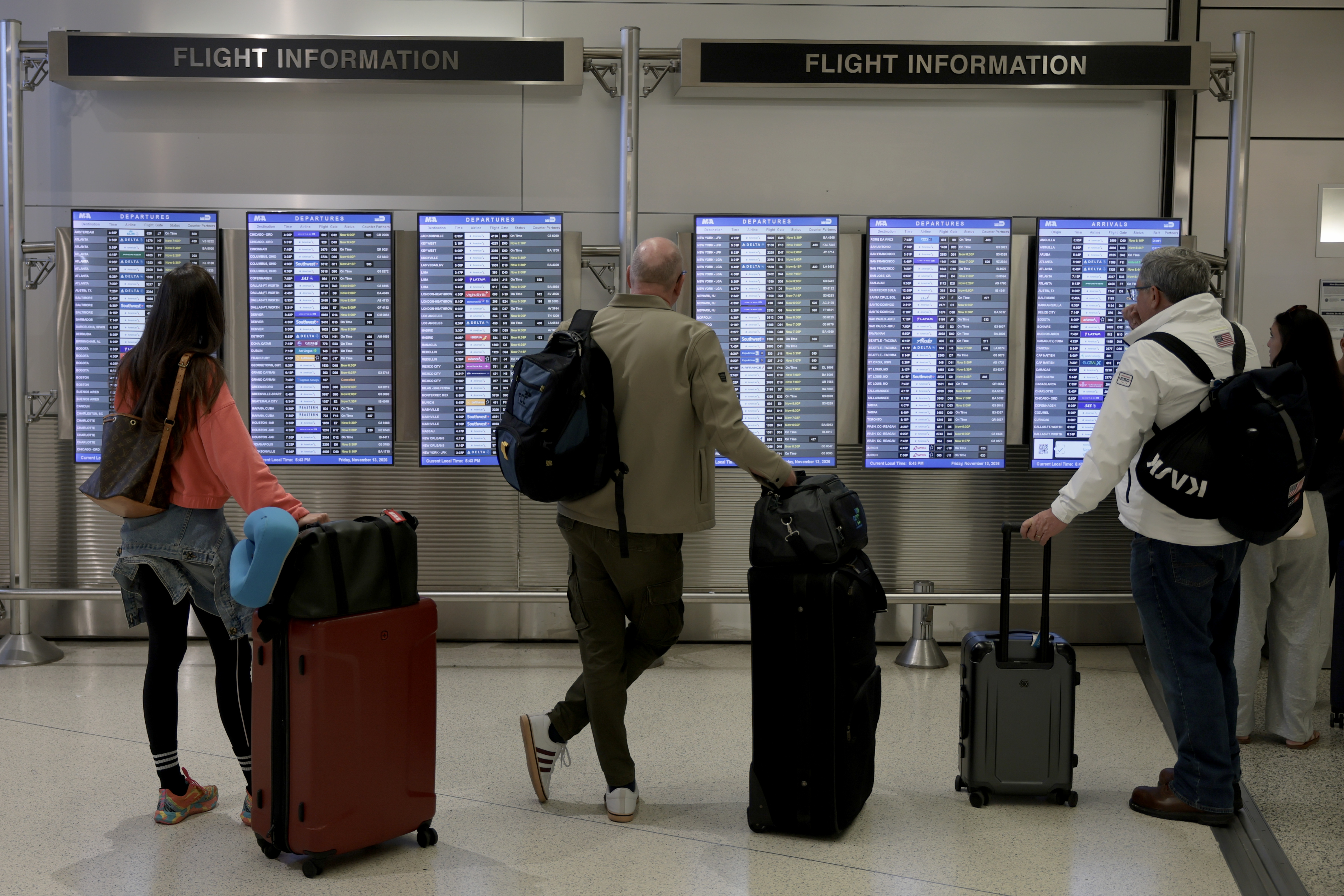
When an airline shutdown occurs mid-journey, travelers face immediate logistical and financial disruption. Unlike delays or cancellations caused by weather or mechanical faults, a total corporate collapse means the operating carrier can no longer provide alternative transportation, issue cash refunds at airport desks, or honor existing itinerary commitments. Passengers must immediately pivot from relying on the airline's customer service channels to utilizing external mechanisms for financial recovery and alternative transit.
The immediate priority for stranded passengers is securing safe, alternative transportation to their final destination. While some regulatory jurisdictions encourage competitor airlines to offer rescue fares—discounted, standardized rates for passengers displaced by a defunct carrier—these rescue arrangements are voluntary and subject to seat availability. Travelers should document all out-of-pocket expenses, including replacement tickets, emergency lodging, and ground transportation, while retaining boarding passes, booking references, and electronic ticket receipts. These documents form the foundational evidence required for subsequent insurance claims and credit card chargeback requests.
Financial Recovery: Chargebacks, Insurance, and Bankruptcy Claims
Recovering funds lost due to an airline shutdown depends heavily on the original method of payment and the terms of any travel insurance policies purchased prior to departure. Navigating the hierarchy of financial recovery requires a methodical approach, beginning with payment card protections before moving through travel insurance and unsecured creditor claims.
Payment Protection and Credit Card Chargebacks
For consumers who purchased tickets using a credit card, the primary and most effective mechanism for financial recovery is a chargeback under Section 75 of the Consumer Credit Act (in the United Kingdom) or standard Fair Credit Billing Act protections and credit card network rules (such as Visa and Mastercard dispute policies). Because the service was not provided as contracted due to the merchant's insolvency, card issuers are legally or contractually obligated to refund the cardholder.
- Gather all documentation, including the original booking confirmation, electronic ticket numbers, and official notices confirming the airline shutdown.
- Contact the card issuer's dispute or chargeback department within the designated timeframe, typically within 60 to 120 days of the scheduled service date.
- Submit a formal claim stating that the merchant failed to provide the paid-for services due to cessation of operations.
- Await provisional credit, which issuers frequently apply while investigating the merchant dispute.
Travel Insurance Coverage Limitations
Travel insurance can provide a safety net, but policyholders must examine their specific coverage wording regarding financial default or airline insolvency. Many standard travel insurance policies explicitly exclude losses arising from the bankruptcy or cessation of operations of a travel supplier unless the policy was purchased within a specific window following the initial trip deposit. Furthermore, "scheduled airline failure insurance" (SAFI) is frequently sold as an optional rider rather than an automatic inclusion in basic medical and cancellation policies.
Unsecured Creditor Claims in Bankruptcy
Passengers who purchased tickets via cash, debit card without chargeback protections, or direct bank transfer—or those whose chargeback windows have expired—become unsecured creditors in the airline's formal bankruptcy or liquidation proceedings. Unsecured creditors occupy the lowest priority tier during asset liquidation, meaning secured lenders, tax authorities, and employee wage claims are settled first. Consequently, recovering funds through formal bankruptcy administration is rare and typically yields pennies on the dollar, making external protection mechanisms essential.
Regulatory Guidance and Cross-Border Protections
Aviation markets operate across complex international jurisdictions, meaning that passenger protections vary significantly depending on where the ticket was purchased, where the airline is registered, and the specific airspace involved. International treaties and regional regulations outline distinct obligations for carriers, though their enforceability vanishes the moment a company enters total liquidation.
| Jurisdiction / Regulatory Framework | Primary Passenger Protection Standard | Applicability to Airline Shutdowns |
|---|---|---|
| European Union (EU261/2004) | Compensation and care for cancellations and long delays. | Does not enforce cash compensation during insolvency, but requires repatriation efforts if operating; refunds depend on asset availability. |
| United States Department of Transportation (DOT) | Mandates full refunds for cancelled flights when the airline cannot provide alternative routing. | Requires defunct carriers to process refunds, though enforcement relies on remaining escrow funds and DOT enforcement orders. |
| United Kingdom Civil Aviation Authority (CAA) | ATOL (Air Travel Organisers' Licensing) scheme for package holidays. | Provides robust repatriation and refund protection for flight-inclusive packages, but unbundled scheduled tickets rely on credit card protections. |
Understanding these regional distinctions helps consumers select booking methods that insulate them from catastrophic loss. For instance, booking flights as part of a protected holiday package in the United Kingdom triggers the Air Travel Organisers' Licensing (ATOL) scheme, ensuring that stranded travelers are flown home at government expense if an airline or tour operator collapses. Conversely, unbundled point-to-point tickets booked via foreign carriers may leave consumers dependent entirely on credit card chargeback policies.
Alternative Transit Options and Rescue Fares
When major carriers experience sudden operational cessation, competing airlines often step in by introducing temporary rescue fares. These fares are designed to assist displaced passengers by offering capped ticket prices on specific routes previously served by the defunct carrier. However, rescue fares are strictly subject to capacity constraints and do not cover historical booking classes or frequent flyer redemption seats.
Travelers must act swiftly to secure these seats through online travel agencies, direct airline channels, or airport ticketing desks. Relying on interline agreements—pre-existing operational pacts between carriers—is generally ineffective during an airline shutdown because bankrupt airlines are typically cut off from global distribution systems and clearinghouses like the International Air Transport Association (IATA) Billing and Settlement Plan (BSP). Consequently, passengers must purchase entirely new tickets rather than expecting automatic reaccommodation by competing carriers.
Preventing Loss: Best Practices for Future Bookings
Mitigating the financial and logistical risks of future airline failures involves adopting disciplined booking and payment habits. While it is impossible to predict corporate insolvencies with absolute certainty, certain precautionary measures safeguard consumer capital.
- Utilize Credit Cards: Always purchase air travel using a major credit card that offers robust statutory or network-level chargeback protections for non-delivery of services.
- Review Insurance Riders: Verify whether existing annual travel policies or single-trip policies include scheduled airline failure insurance (SAFI) or financial default coverage.
- Monitor Financial Health: Pay attention to industry news regarding a carrier's credit rating, heavy debt loads, asset sales, or restructuring announcements.
- Book Through Protected Packages: When planning complex itineraries or long-haul trips, utilize licensed tour operators or travel agents whose offerings include statutory bonding or failure protection schemes.
Frequently Asked Questions
Will my travel insurance cover an airline shutdown?
Coverage depends entirely on your specific policy terms and whether financial default or scheduled airline failure insurance (SAFI) was included. Many standard policies exclude airline bankruptcies unless purchased immediately after your initial trip deposit. Always check the insurer's product disclosure statement for specific exclusions regarding supplier insolvency.
How do I get my money back if my airline goes out of business?
Your fastest and most reliable path to recovery is filing a chargeback claim with your credit card issuer if you paid for the ticket with plastic. If you paid by cash, debit, or wire transfer, you must file a claim as an unsecured creditor in the airline's bankruptcy proceedings, though financial recovery through this route is uncertain and lengthy.
Are other airlines required to fly me home for free if my airline shuts down?
No, competing airlines are under no legal obligation to transport stranded passengers for free. While some carriers voluntarily introduce capped "rescue fares" for displaced travelers on specific routes, these are subject to seat availability and must be purchased as entirely new tickets.
Does the Department of Transportation require refunds for cancelled flights due to bankruptcy?
The U.S. Department of Transportation requires airlines to provide full refunds when a flight is cancelled and the airline cannot provide alternative transportation. However, when an airline enters total liquidation and ceases all operations, retrieving those funds depends on remaining escrow accounts, credit card protections, or bankruptcy court distributions.
Can I use frequent flyer miles or points on another airline after a shutdown?
No, accumulated frequent flyer miles and loyalty points held with a defunct airline become entirely worthless the moment the carrier shuts down and enters liquidation. All unredeemed miles are wiped from the system, as loyalty programs are typically treated as unsecured liabilities in bankruptcy.
Securing Your Financial and Travel Standing
If you are currently affected by an airline shutdown, immediately check your payment card issuer's dispute portal to initiate a chargeback claim, retain all booking documentation, and explore available rescue fares or alternative transport providers. For future travel, prioritize booking with protected payment methods and verify supplier default insurance options to minimize exposure to sudden industry insolvencies.