Airline seating encompasses the physical layout, dimensions, configurations, and class classifications of passenger accommodations inside commercial aircraft. Understanding these variables helps travelers navigate aircraft layouts, compare fare classes, and secure desired physical configurations based on comfort, safety requirements, and operational rules set by carriers and aviation authorities.
Navigating the architecture of modern commercial aircraft requires looking beyond basic ticket classes to understand the physical dimensions, mechanical features, and regulatory constraints that govern passenger accommodation. From the tight confines of ultra-low-cost carrier rows to the private suites of long-haul international first class, airline seating directly shapes the passenger journey. Modern cabin configurations are influenced by a complex interplay of airline economics, engineering limitations, and evolving consumer expectations, making a structured approach to seat selection essential for any traveler.
The Evolution and Architecture of Cabin Classes
Commercial aviation cabin design has transitioned from uniform layouts toward heavily segmented classes of service. Understanding these tiers provides clarity on what each ticket actually purchases in terms of physical space and onboard amenities.
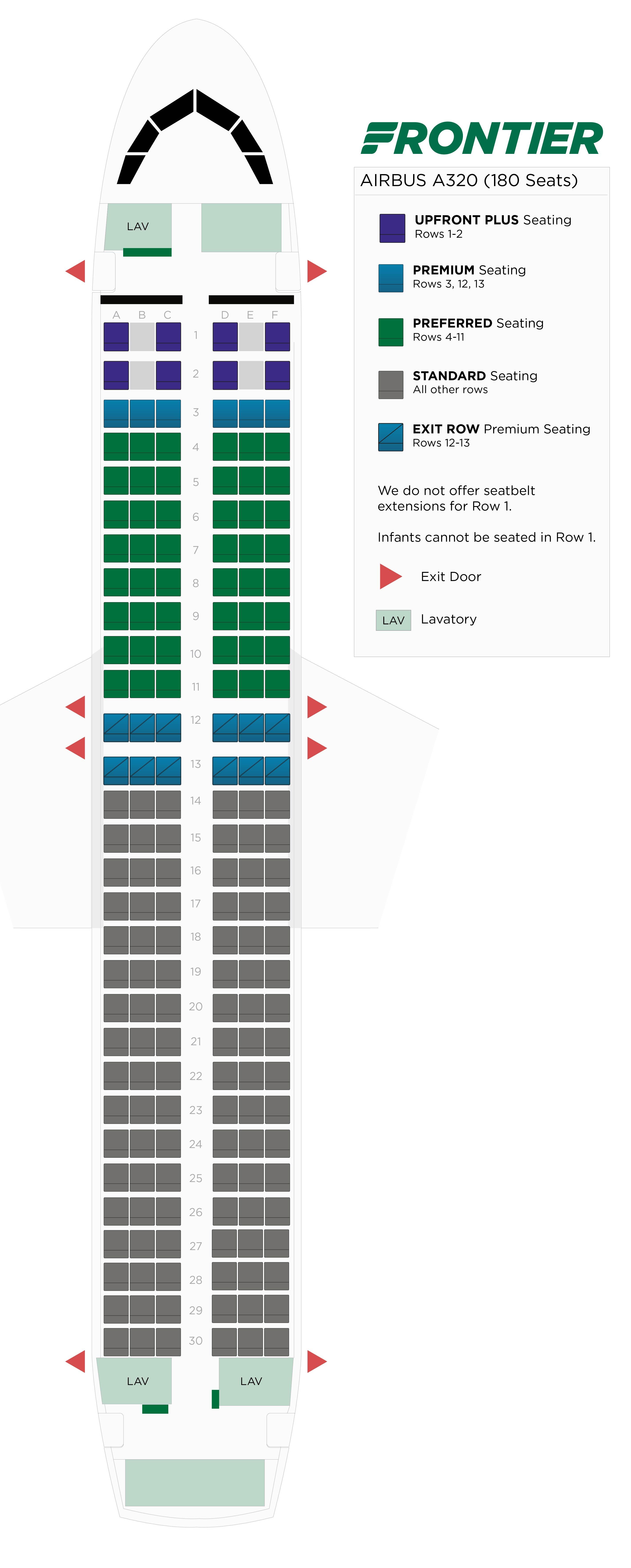
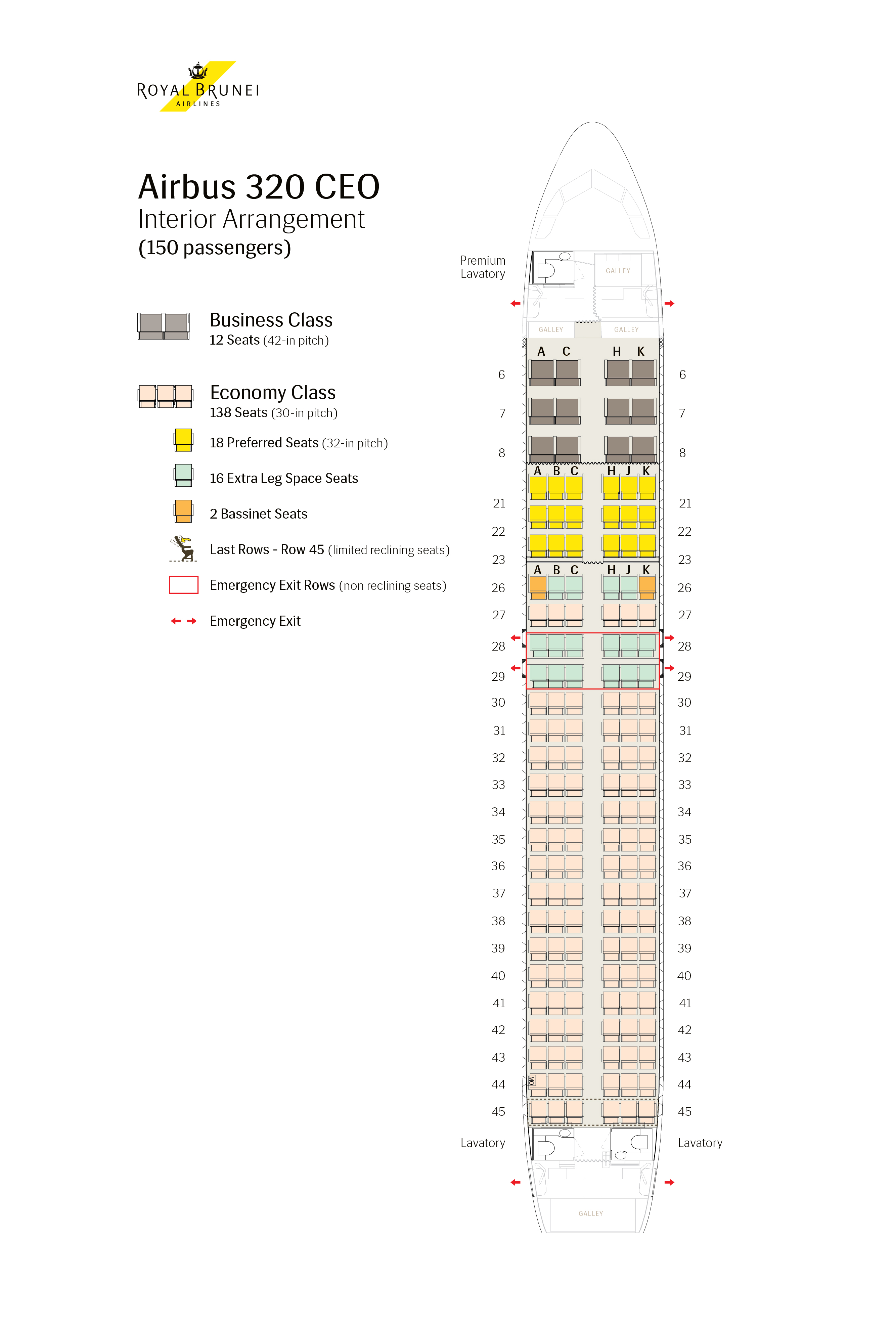
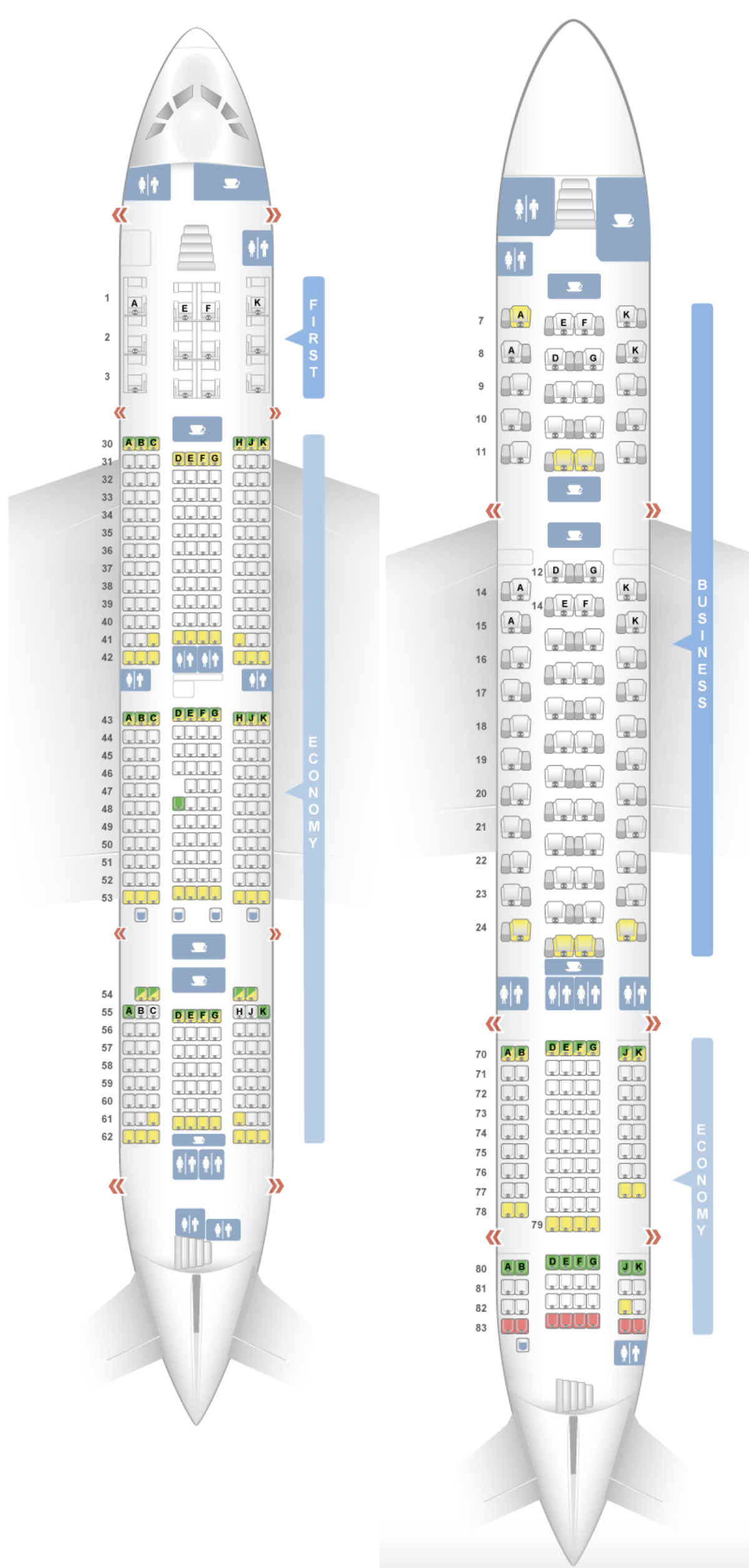
Economy class remains the baseline of commercial aviation, characterized by high-density seating configurations designed to maximize passenger volume. Seating layouts in narrow-body aircraft like the Boeing 737 or Airbus A320 typically feature a 3-3 configuration, while wide-body aircraft utilize arrangements such as 3-4-3 or 2-4-2. Pitch—the distance from a point on one seat to the exact same point on the seat behind it—usually ranges from 28 to 32 inches, with seat widths averaging 17 to 18 inches.
Premium economy introduces an intermediate tier positioned between standard economy and business class. Airlines design these cabins with dedicated physical boundaries, offering increased pitch (typically 38 inches), greater recline angle, wider armrests, adjustable footrests, and enhanced headrests. Premium economy passengers also benefit from upgraded dining options and priority boarding, making it an increasingly popular choice for medium-to-long-haul routes without the full financial commitment of business class.
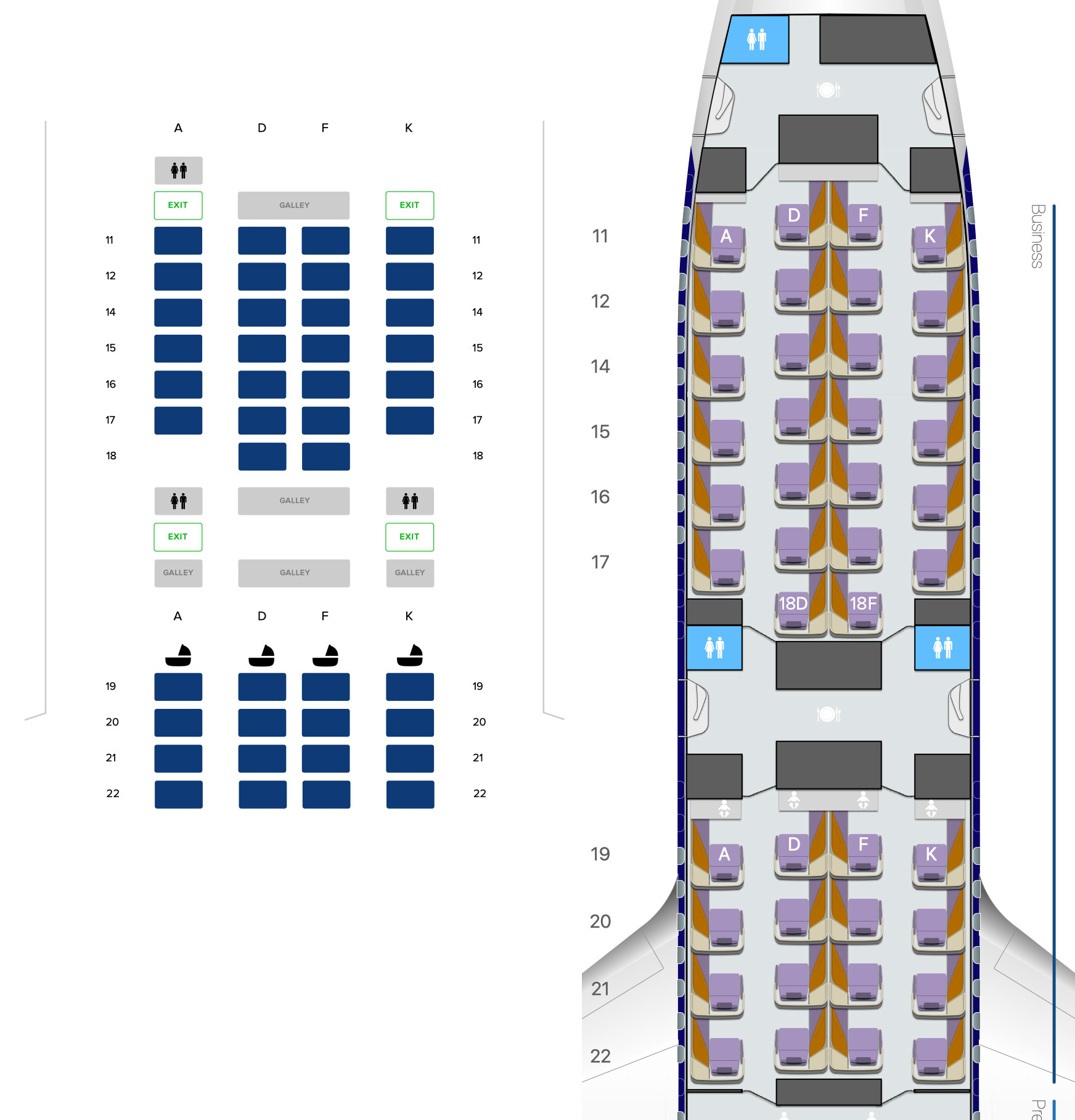
Business class focuses on productivity and rest, featuring seats that convert into fully flat beds (lie-flat seats). Configuration varies widely, from herringbone and reverse herringbone layouts to staggered arrangements that provide direct aisle access for every passenger. Pitch is largely irrelevant here as bed length extends to 75 to 80 inches, while widths range from 20 to 30 inches. These cabins include dedicated power outlets, large entertainment displays, and extensive privacy partitions.
First class represents the pinnacle of commercial aviation luxury, featuring enclosed suites with sliding doors, personal wardrobes, and dine-on-demand service. While declining in prevalence due to the advancements in modern business class products, first class remains a staple on flagship international routes operated by major legacy carriers.
Key Physical Dimensions and Metrics
Evaluating airline seating requires familiarity with specific aviation metrics that determine physical comfort during flight. These measurements dictate how much personal space a passenger occupies and how restricted movement will be.
| Cabin Class | Typical Seat Pitch | Average Width | Recline Mechanism / Travel | Primary Layout Configuration |
|---|---|---|---|---|
| Economy | 28 – 32 inches | 17 – 18 inches | Mechanical / 2 – 4 inches | 3-3, 3-4-3, 2-4-2 |
| Premium Economy | 36 – 38 inches | 18 – 19 inches | Cradle / 5 – 7 inches | 2-3-2, 2-4-2, 2-2-2 |
| Business Class | 60 – 80+ inches (Bed length) | 20 – 30 inches | Electronic Lie-Flat / 180 degrees | 1-2-1, 1-2-2, 2-2-2 |
| First Class | 80+ inches (Suite length) | 30 – 36 inches | Fully Enclosed Suite / 180 degrees | 1-1, 1-2-1 |
Seat pitch is often confused with legroom, though they are distinct. While pitch measures distance from seat-back to seat-back, actual legroom is influenced by the thickness of the seat cushion and backrest. Thinner, ergonomic seats engineered with composite materials allow airlines to maintain a 30-inch pitch while offering legroom comparable to older designs with a 32-inch pitch.
Seat width is measured between the inner armrests. In economy cabins, this measurement has steadily decreased over decades as operators strive to squeeze an extra seat into each row. The introduction of wider wide-body cabins helps mitigate this trend, but narrow-body aircraft often require passengers to contend with tighter lateral boundaries.
Regulatory Standards and Safety Requirements
Safety considerations dictate every aspect of airline seating design. Regulatory bodies such as the Federal Aviation Administration (FAA) and the European Union Aviation Safety Agency (EASA) enforce strict certification standards before any seat model can be installed on a commercial aircraft.
Crashworthiness standards require seats and their floor attachment tracks to withstand severe G-forces in longitudinal, vertical, and lateral directions. Dynamic testing utilizes anthropomorphic test dummies to ensure that seat frames, anchoring mechanisms, and safety belts prevent occupant spinal injury and maintain structural integrity during emergency deceleration events.
Exit row seating is subject to rigorous federal regulations. Passengers occupying emergency exit rows must meet specific physical and cognitive criteria, including the ability to understand safety instructions in English or the operating carrier's primary language, dexterity to operate heavy hatch mechanisms, and willingness to assist flight crew during an evacuation. Cabin crew hold the legal authority to relocate any passenger who does not meet these statutory requirements.
Materials used in airline seating must adhere to strict flammability regulations. Foams, textiles, and composite shells undergo rigorous burn-rate testing to minimize toxicity and smoke production in the event of an onboard fire, ensuring compliance with international aviation safety directives.
Seat Selection Strategies and Operational Constraints
Securing an optimal seat requires understanding how airline inventory systems manage assignments and recognizing the physical limitations inherent to certain aircraft zones.
Airlines increasingly utilize dynamic pricing and ancillary fee structures to monetize seat selection. Standard seats chosen during booking often incur a fee, particularly on low-cost carriers and basic economy fares. Elite frequent flyer status holders frequently receive complimentary access to preferred seating zones, such as exit rows or bulkhead rows.
Bulkhead rows offer maximum legroom by virtue of facing a partition wall rather than another seat row. However, these positions come with distinct trade-offs:
- Under-seat storage is unavailable during taxi, takeoff, and landing because there is no seat ahead to stow bags.
- Armrests are often fixed due to the integration of tray tables and entertainment monitors within them, reducing effective seat width.
- Bulkhead rows are frequently designated as bassinet locations for infants, increasing the likelihood of sitting near young children.
To avoid unfavorable positions, travelers should consult specialized seat map resources like SeatGuru or Aerolopa. These platforms detail physical quirks such as misaligned windows, proximity to lavatories and galleys with associated foot traffic and noise, and restricted recline parameters caused by emergency exit architecture.
How to Choose and Secure the Best Seat for Your Flight
- Review the Specific Aircraft Type: Do not rely solely on the airline's generic seat map. Cross-reference the flight number and aircraft variant (e.g., Boeing 787-9 versus 787-8) to identify the exact cabin layout.
- Evaluate Your Priority: Determine whether legroom, quick deplaning, quiet surroundings, or window views matter most for the specific route duration.
- Check Status and Fare Rules: Review your ticket class restrictions. Basic economy fares often prohibit advance seat selection, requiring action during the online check-in window.
- Monitor the Seat Map Prior to Departure: Seat inventories shift dynamically as passengers change itineraries, cancel, or receive operational upgrades. Checking the seat map 24 to 48 hours before departure frequently reveals newly available preferred seats.
- Verify Exit Row Eligibility: If targeting an exit row for extra legroom, ensure you meet all physical and linguistic prerequisites mandated by aviation authorities.
Frequently Asked Questions
Why do some aircraft seats not align with windows?
Airlines install seat tracks based on maximizing passenger capacity and structural floor strength, independent of fuselage window placement. This structural mismatch results in certain rows having blank walls or partially obstructed views.
Are bulkhead seats always better than standard rows?
Bulkhead seats provide superior legroom without knees bumping the seat ahead, but they lack under-seat storage during critical flight phases and often feature fixed armrests that restrict lateral width.
Can an airline change my assigned seat after booking?
Airlines maintain the legal right to reassign passenger seating for operational, weight-and-balance, or aircraft substitution reasons. While seat assignments secured with fees are generally prioritized, operational requirements supersede individual preferences.
What is the difference between seat pitch and legroom?
Seat pitch measures the distance between a fixed point on one seat and the same point on the seat behind it. Legroom is the actual physical space available for a passenger's legs, which depends on seatback thickness and ergonomic contouring.
How do basic economy fares impact seat selection?
Basic economy tickets generally restrict advance seat selection, assigning seats randomly at check-in or permitting paid seat selection only after ticket purchase. Passengers traveling together on basic economy fares are frequently separated by automated assignment algorithms.
Next Actions and Operational Verification
Before finalizing travel arrangements, verify your chosen carrier's current seat selection policies and baggage integration fees, as these operational guidelines update frequently. Consult independent aircraft configuration databases for precise measurements on your specific flight equipment to ensure your seating choice aligns with your comfort expectations.