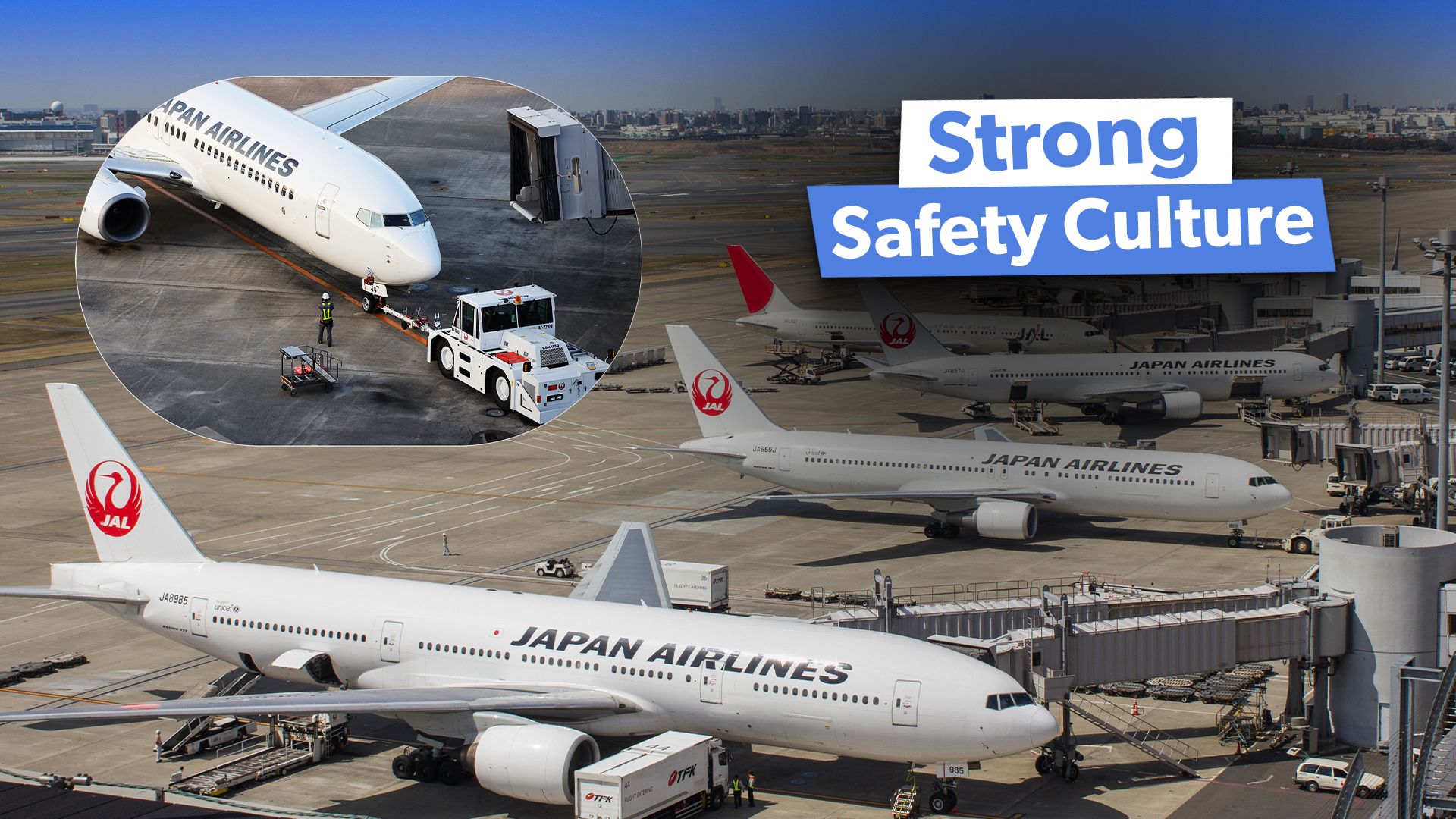
Airline safety encompasses a complex framework of engineering standards, regulatory oversight, operational procedures, and human factors designed to minimize aviation risks and protect passengers and crew. By integrating rigorous airworthiness directives, advanced aircraft technology, continuous pilot training, and international standardizations governed by bodies like the International Civil Aviation Organization (ICAO), commercial aviation maintains an extraordinarily high level of operational reliability.
The Regulatory Framework and International Oversight
Modern airline safety is built upon a foundation of international harmonization and stringent national regulation. No single airline or country operates in a vacuum; instead, commercial aviation relies on a cooperative global network that establishes baseline safety thresholds for every aspect of flight.
At the international level, the International Civil Aviation Organization (ICAO), a specialized agency of the United Nations, codifies the principles and techniques of international air navigation. ICAO establishes Standards and Recommended Practices (SARPs) covering airspace, air traffic management, aircraft airworthiness, and facilitation of international commercial air transport. While ICAO sets the global framework, national civil aviation authorities—such as the Federal Aviation Administration (FAA) in the United States and the European Union Aviation Safety Agency (EASA)—enforce these rules and issue mandatory airworthiness directives for carriers operating within their jurisdictions.
National regulators oversee airline certification, routine maintenance audits, and flight crew licensing. They mandate that commercial operators maintain a Safety Management System (SMS), a systematic, explicit, and comprehensive approach to managing safety risks. Through an SMS, airlines must proactively identify hazards, collect operational data, and implement risk-mitigation strategies long before an incident can occur. This shift from reactive investigation to predictive risk management represents a cornerstone of contemporary aviation oversight.
Aircraft Engineering, Certification, and Maintenance Standards
The physical safety of a commercial flight begins long before departure, rooted in rigorous design, multi-stage engineering certification, and meticulous maintenance protocols. Aircraft manufacturers must subject new airframe and engine designs to exhaustive structural, environmental, and operational testing before receiving a type certificate from regulatory authorities.
Redundancy is a fundamental design principle in modern commercial aviation. Critical flight systems—including hydraulics, electrical power generation, flight control computers, and avionics—feature multiple independent backups. If a primary system fails, a secondary or tertiary system automatically assumes the load without disrupting flight control. Furthermore, modern airframes utilize advanced composite materials and high-strength aluminum alloys engineered to withstand extreme structural loads, pressure differentials, and dynamic turbulence far exceeding anything encountered in normal operations.
Once an aircraft enters service, maintenance schedules are strictly mandated by regulatory authorities and manufacturer specifications. These regimens are categorized by intensity:
- Line Maintenance: Routine checks performed before departure or during overnight stops, involving fluid checks, tire inspections, and basic avionics testing.
- A and B Checks: Light periodic inspections conducted every few hundred flight hours, involving filter replacements, lubrication, and detailed system diagnostics.
- C and D Checks: Comprehensive structural overhauls occurring every 18 to 36 months (for C checks) and every 6 to 10 years (for D checks). During a D check, virtually the entire aircraft is disassembled, inspected for fatigue cracking, corrosion, and wear, and rebuilt to near-factory specifications.
| Maintenance Check Type | Frequency | Scope of Work | Operational Impact |
|---|---|---|---|
| Line Maintenance | Daily / Pre-flight | Visual inspections, fluid levels, quick operational tests | Minimal downtime; conducted at gate or hangar |
| A and B Checks | 200–800 flight hours | Filter changes, targeted system testing, minor component servicing | Overnight grounding or short maintenance window |
| C Check | 18–36 months | Deep structural inspection, major component servicing, cabin refurbishments | Aircraft out of service for 1–2 weeks |
| D Check | 6–10 years | Total airframe disassembly, corrosion control, comprehensive non-destructive testing | Aircraft out of service for several weeks |
Flight Crew Training and Human Factors Engineering
While engineering and maintenance ensure the mechanical integrity of the flight, human performance remains a vital variable in airline safety. Modern commercial pilots undergo rigorous initial selection processes, followed by continuous, lifelong training regimens designed to master routine operations and catastrophic emergency scenarios alike.
Pilots must hold an Airline Transport Pilot (ATP) license, requiring thousands of hours of flight experience, comprehensive theoretical knowledge, and rigorous practical examinations. Beyond initial licensing, flight crews participate in recurrent training every six months. This training takes place in high-fidelity, full-motion flight simulators capable of replicating exact cockpit environments, severe weather phenomena, engine failures, and system malfunctions. Simulators allow pilots to practice emergency recovery maneuvers that would be dangerous or impossible to execute in a real aircraft.
Human factors engineering and Crew Resource Management (CRM) training address the psychological and communicative aspects of flight operations. CRM emphasizes open communication, flat hierarchy in the cockpit (where any crew member can question a decision made by the captain if safety is compromised), workload management, and situational awareness. By fostering an environment of psychological safety and structured error-checking, airlines mitigate the risk of human error leading to an incident.
Air Traffic Management and Collision Avoidance Systems
The skies are managed by complex air traffic management (ATM) networks that maintain safe separation between aircraft from pushback to gate arrival. Air Traffic Controllers (ATC) use advanced radar, satellite tracking, and automated data links to monitor aircraft trajectories and issue instructions that prevent mid-air conflicts.
To provide an independent layer of safety, all commercial airliners are equipped with the Traffic Collision Avoidance System (TCAS). TCAS actively interrogates the transponders of nearby aircraft, calculating their relative positions and closing speeds. If two aircraft approach a designated separation threshold, TCAS issues automated Resolution Advisories (RAs)—such as "Climb" or "Descend"—to the flight crews. Crucially, modern aviation protocols dictate that pilots must follow TCAS Resolution Advisories immediately, even if they contradict instructions received from air traffic control, thereby preventing potential collisions independently of ground-based control.
Additionally, modern aircraft utilize Enhanced Ground Proximity Warning Systems (EGPWS) and predictive windshear detection. These systems utilize internal terrain databases and forward-looking radar to alert flight crews to rising terrain, obstacles, or severe meteorological disturbances well in advance, allowing ample time for corrective action.
Cabin Safety, Emergency Procedures, and Passenger Compliance
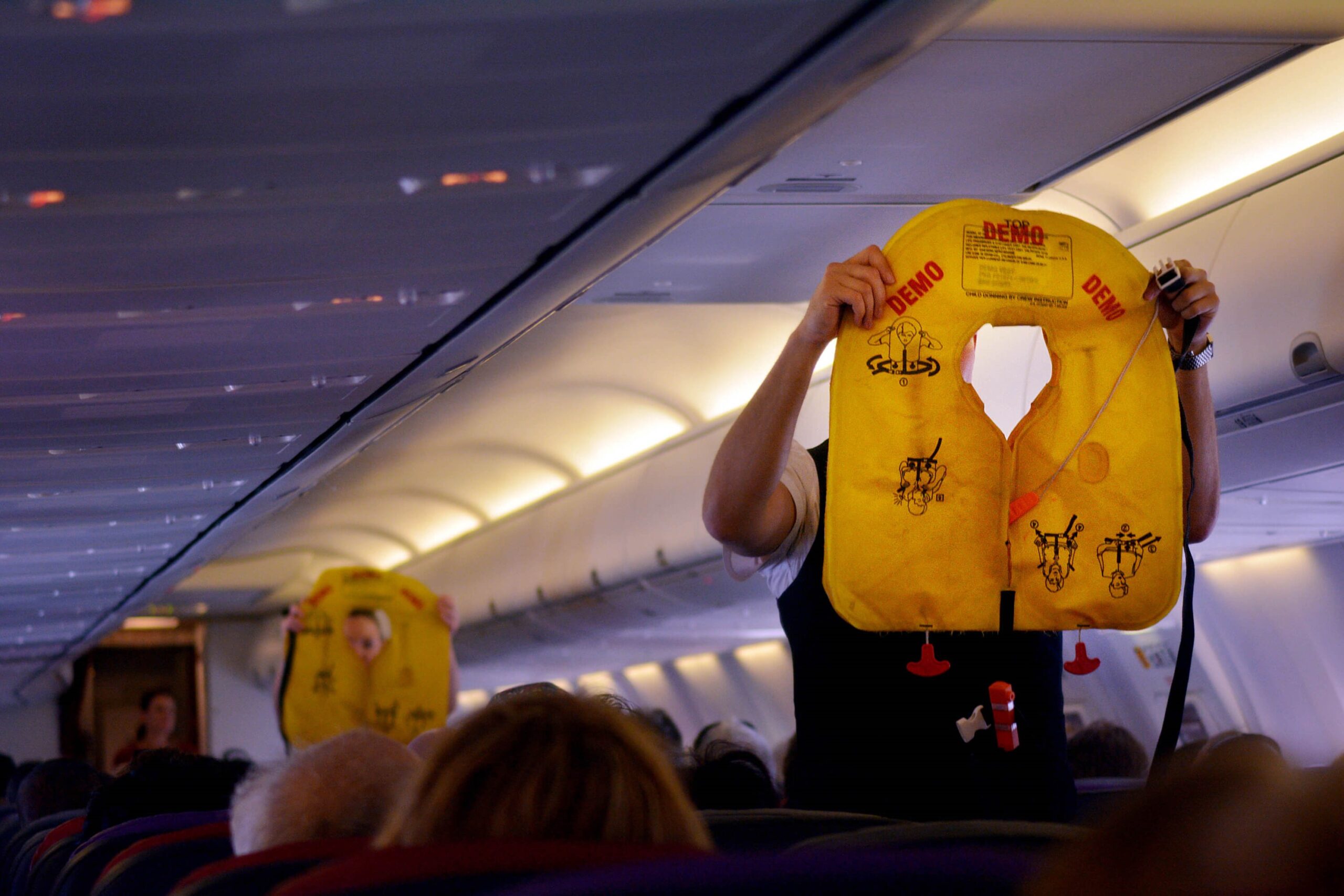
Safety extends directly into the passenger cabin through rigorous standards governing interior materials, emergency evacuation design, and crew safety training. Cabin crew members are safety professionals first and foremost; their primary responsibilities include managing emergency evacuations, executing firefighting protocols, administering medical aid, and maintaining cabin security.
Aircraft cabins are engineered with flame-retardant materials designed to minimize toxic smoke emission and slow the spread of fire. Emergency exits, escape slides, and floor-path lighting systems are rigorously tested to ensure an entire wide-body aircraft can be evacuated within 90 seconds, even in dark or smoky conditions with half the exits blocked.
Passenger compliance with safety regulations—such as remaining seated with seatbelts fastened during turbulence, stowing carry-on baggage securely, and adhering to electronic device restrictions—plays an active role in maintaining cabin safety. Unpredicted clear-air turbulence represents one of the primary causes of in-flight injuries to passengers and crew, making the consistent use of seatbelts while seated an essential protective measure.
How do airlines maintain safety during severe weather events?
Airlines maintain safety during severe weather by utilizing advanced onboard meteorological radar, real-time satellite telemetry, and strict operational limits established by regulators and airline dispatchers. Flight dispatchers and meteorologists continuously monitor storms, windshear, icing conditions, and crosswinds. If weather parameters exceed certified aircraft performance thresholds or regulatory minimums—such as required runway visual range for landing—flights are delayed, rerouted, or diverted to alternate airports well before encountering hazardous conditions.
What is a Safety Management System (SMS) in aviation?
A Safety Management System (SMS) is a structured, organization-wide framework used by airlines to manage operational risks systematically. It encompasses four core components: safety policy, safety risk management, safety assurance, and safety promotion. Through an SMS, employees at all levels are encouraged to report near-misses, hazards, and safety concerns without fear of punitive action, allowing the airline to address systemic vulnerabilities proactively.
How often are commercial pilots tested on emergency procedures?
Commercial pilots are thoroughly tested on emergency procedures at least twice a year during recurrent simulator training sessions. These sessions are mandated by civil aviation authorities and require pilots to successfully execute maneuvers involving engine failures, hydraulic loss, electrical system degradation, severe weather navigation, and emergency descents. Additionally, pilots undergo annual line-checks where their normal operational proficiency is evaluated by a designated check-airman during actual revenue flights.
What role do black boxes play in airline safety investigations?
Black boxes—comprising the Flight Data Recorder (FDR) and the Cockpit Voice Recorder (CVR)—are critical investigative tools that record hundreds of aircraft parameters and crew communications. While they do not prevent accidents, they provide accident investigators with objective, high-fidelity data regarding aircraft performance, control inputs, and environmental conditions. Analyzing this data allows safety boards to issue precise safety recommendations, update manufacturing standards, and prevent the recurrence of specific failure modes across the global fleet.
Next Actions and Operational Verification
For travelers seeking to verify the safety record or regulatory standing of a specific commercial carrier, consulting official oversight portals is the most reliable approach. Passengers can review the safety assessments and audit results published by national authorities such as the FAA's International Aviation Safety Assessment (IASA) program or safety evaluations compiled by the European Union Safety List. Ensuring that an airline maintains active certification and operates under strict regulatory oversight provides foundational assurance of compliance with international safety benchmarks.