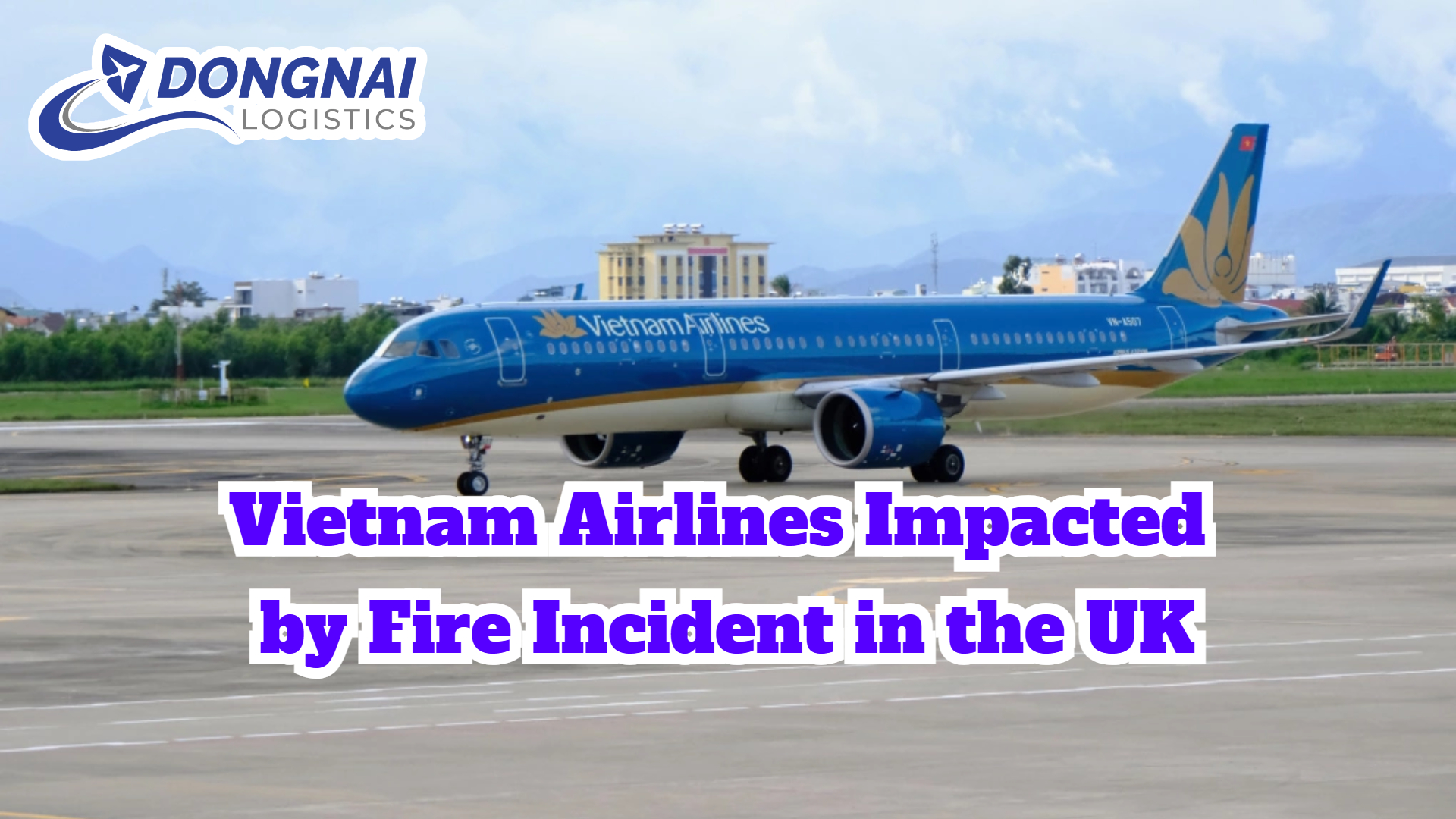
An airline incident is an occurrence, other than an accident, associated with the operation of an aircraft that affects or could affect the safety of operations. Managed by national and international aviation authorities, these events require strict reporting, technical analysis, and comprehensive risk mitigation strategies to prevent future occurrences and ensure passenger safety.
Defining an Airline Incident Within Global Aviation Frameworks
The definition of an airline incident is strictly codified to separate events that compromise safety from full-scale accidents involving fatal injuries or substantial structural destruction. According to Annex 13 of the International Civil Aviation Organization (ICAO) convention, an incident is any occurrence short of an accident associated with the operation of an aircraft that affects or could affect the safety of operation. Understanding this distinction is critical for aviation safety analysts, legal teams, and regulatory bodies who rely on precise terminology to categorize operational anomalies.
When an anomaly occurs in flight or during ground handling, aviation safety management systems (SMS) categorize the event based on its severity and proximity to a catastrophic failure. Incidents can range from minor technical malfunctions, such as a localized cabin depressurization that does not require emergency deployment of oxygen masks, to severe near-midair collisions or runway incursions. By maintaining a distinct classification for incidents, regulatory bodies encourage a transparent reporting culture. Flight crews, air traffic controllers, and maintenance personnel can report near-misses and operational errors without the immediate threat of punitive legal action, fostering a continuous learning environment for the global aviation industry.
Regulatory Reporting and Investigation Protocols
Once an airline incident occurs, a standardized chain of mandatory reporting and investigative actions is triggered. Commercial carriers are legally obligated to notify the relevant national civil aviation authority within specified timeframes, depending on the severity of the event. For example, in the United States, the National Transportation Safety Board (NTSB) outlines specific criteria under Title 49 Code of Federal Regulations (CFR) Part 830 that dictate when an operator must report incidents involving flight control system malfunctions, turbine engine failures, or incapacitation of flight crew members.
The investigation process relies heavily on the collection of objective flight data and human factors analysis. Investigators secure the digital flight data recorder (DFDR) and cockpit voice recorder (CVR)—often referred to as black boxes—along with maintenance logs, air traffic control transcripts, and meteorological reports. Unlike major accidents, which often trigger exhaustive public hearings and multi-year safety board reports, many minor airline incidents are handled internally through the airline's safety management system or via expedited state safety reports. These investigations aim to identify systemic vulnerabilities, human-machine interface flaws, or procedural gaps rather than assign individual blame.
Classifications of Aviation Safety Occurrences
To effectively analyze trends, safety organizations categorize incidents into distinct operational types. This taxonomy allows safety engineers to isolate specific mechanical, environmental, or human factors contributing to system stress. The table below outlines the primary categories of occurrences recognized in modern commercial aviation safety tracking.
| Incident Category | Primary Characteristics | Common Contributing Factors | Typical Regulatory Response |
|---|---|---|---|
| Runway Incursion | Incorrect presence of an aircraft, vehicle, or person on the protected area of a surface designated for landing and takeoff. | ATC communication errors, pilot positional confusion, poor airfield signage. | Local safety audits, procedural revisions, enhanced surface guidance technology. |
| Controlled Flight Into Terrain (CFIT) | An inadvertent collision with terrain, water, or obstacle while the flight crew has control of the aircraft. | Reduced visibility, spatial disorientation, failure to monitor altimetry. | Mandatory GPWS/TAWS training, instrument flight procedure updates. |
| System or Component Failure | Mechanical, electrical, or structural malfunction that degrades aircraft operational capability. | Material fatigue, manufacturing defects, inadequate maintenance scheduling. | Airworthiness directives (ADs), mandatory part replacements, manufacturer bulletins. |
| Severe Turbulence | Unexpected atmospheric disruption causing violent changes in aircraft altitude or attitude. | Uncharted clear-air turbulence, convective storm activity, wind shear. | Route planning adjustments, updated meteorological reporting protocols. |
Passenger Rights, Communication, and Operational Recovery
An airline incident frequently disrupts flight schedules, causing significant delays, cancellations, and passenger anxiety. Beyond the technical and investigative dimensions, carriers must execute structured emergency response plans (ERPs) to handle passenger communications, rebooking, and care. International treaties, such as the Montreal Convention, alongside regional consumer protection regulations like the European Union's Regulation (EC) No 261/2004, dictate the financial and logistical obligations of airlines when operational disruptions occur due to technical incidents or safety-related delays.
Effective communication is the cornerstone of passenger management during and after an incident. Airlines are required to provide timely, accurate updates through official channels while avoiding speculation regarding the root cause of the operational anomaly. Passengers affected by significant delays resulting from an incident are typically entitled to care, including meals, communication access, and hotel accommodations if overnight stays become necessary. Operational recovery teams work concurrently to reroute aircraft, dispatch maintenance personnel to out-stations, and coordinate crew duty time limitations to restore normal network scheduling safely and efficiently.
Mitigating Future Risks Through Data-Driven Safety Management
Preventing future airline incidents depends on proactive safety management systems and continuous data analysis rather than reactive fixes. Modern commercial airlines employ advanced flight data monitoring (FDM) programs, which automatically download and analyze parameter data from every flight. Safety analysts review these de-identified datasets to detect exceedances—moments where aircraft parameters approach operational limits, such as high sink rates on approach or aggressive maneuvers. By identifying these precursor events, safety departments can implement targeted training interventions or maintenance checks before an actual incident occurs.
Furthermore, safety culture within aviation organizations emphasizes non-punitive reporting channels, often referred to as confidential safety reporting systems. Pilots, mechanics, and dispatchers can submit reports detailing safety hazards, near-misses, or procedural workarounds without fear of employer discipline or regulatory sanction. This free flow of safety information provides a comprehensive view of day-to-day operational risks. When combined with global safety data sharing initiatives coordinated by organizations like the International Air Transport Association (IATA) and the Flight Safety Foundation, these internal insights enable the entire aviation ecosystem to evolve continuously in safety and resilience.
What should passengers do immediately following an airline incident?
Passengers should follow all instructions given by the flight crew, remain calm, and listen for announcements regarding evacuation, deplaning, or terminal transfer. Once inside the terminal, keep boarding passes and booking references secure, and visit the airline service desk or digital app to manage rebooking and claim any entitled accommodations or compensation.
Are airlines financially liable for delays caused by technical incidents?
Airlines may be held liable or required to provide compensation depending on the jurisdiction and the specific cause of the technical incident. Under regulations such as EU 261, inherent manufacturing defects or hidden technical failures are sometimes classified as extraordinary circumstances, whereas routine maintenance omissions or component wear are not exempt, requiring airlines to compensate passengers for lengthy delays.
How do aviation authorities differentiate between an incident and an accident?
The primary differentiator is the severity of the outcome regarding human life, physical injury, and structural damage. An accident involves fatal or serious injury to persons or substantial structural damage and destruction of the aircraft, whereas an incident encompasses operational anomalies or near-misses that do not reach that destructive threshold.
Can flight crews refuse to fly if they suspect a safety hazard?
Yes, commercial aviation operating standards and labor agreements support the principle of operational authority. Flight crews possess the legal right and professional duty to refuse a flight if they identify an unresolved safety hazard or mechanical defect that violates minimum equipment list (MEL) requirements or compromises the airworthiness of the aircraft.
Where are official airline incident reports published for public review?
Official reports are published by national civil aviation investigation agencies, such as the National Transportation Safety Board (NTSB) in the United States or the Air Accidents Investigation Branch (AAIB) in the United Kingdom. These agencies maintain public databases containing factual reports, safety recommendations, and final findings for investigated occurrences.
Executing Post-Incident Verification and Claims Management
For individuals, corporate travel managers, or legal representatives navigating the aftermath of an airline incident, systematic documentation is essential. Secure copies of all travel itineraries, boarding passes, communication logs with airline personnel, and receipts for any out-of-pocket expenses incurred due to delays or cancellations. Verify whether your travel insurance policy provides supplementary coverage for trip interruption, emergency medical needs, or baggage loss associated with transport incidents. Submit claims promptly through the airline's formal portal, referencing applicable passenger rights statutes to ensure timely processing and adherence to statutory deadlines.