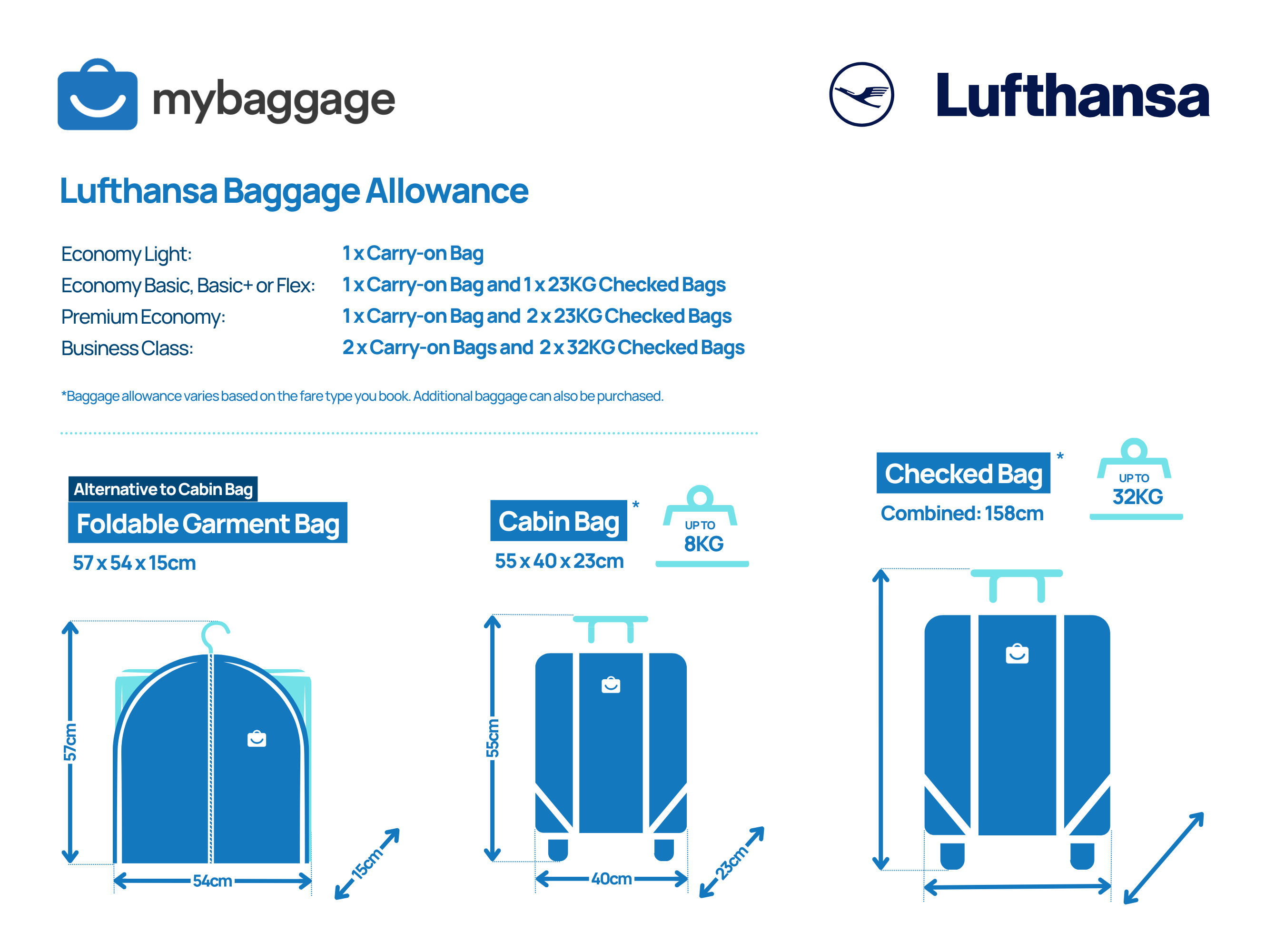
Navigating an airline baggage policy requires understanding your carrier's specific rules on piece limits, weight restrictions, and size dimensions for personal items, carry-on bags, and checked luggage to avoid unexpected airport fees.
Foundations of Commercial Aviation Luggage Rules
An airline baggage policy governs the parameters under which passengers can transport personal belongings, carry-on luggage, and checked bags. These regulations are established by individual air carriers, though they are heavily influenced by international aviation bodies, government safety mandates, and airport infrastructure constraints. Understanding how these rules operate is the first step toward a seamless travel experience, preventing costly gate-check fees, counter delays, and potential safety hazards onboard the aircraft.
Airlines categorize baggage into three primary classifications: personal items, carry-on bags, and checked luggage. Each category carries distinct parameters regarding physical dimensions, maximum weight allowances, and permitted contents. Furthermore, these policies vary significantly depending on the class of service purchased, frequent flyer status, military identification, and the specific route flown, such as domestic versus international itineraries. Familiarizing yourself with your carrier's exact stipulations before arriving at the departure terminal ensures compliance and streamlines the check-in process.
Operational realities, including overhead bin capacity and cargo hold weight and balance limitations, drive these policies. Carriers design their luggage rules to optimize boarding efficiency and ensure that aircraft operate within safe weight parameters. When passengers disregard these limits, boarding delays cascade, and aircraft fuel efficiency can be impacted, which explains why enforcement at ticket counters and departure gates remains strict.
Personal Items Versus Carry-On Luggage Specifications
The distinction between a personal item and a carry-on bag is a frequent source of passenger confusion. A personal item is typically defined as a smaller bag that must fit entirely underneath the seat directly in front of you. Common examples include purses, laptop bags, small backpacks, briefcases, and camera cases. Most airlines permit every passenger to bring one personal item free of charge, regardless of the fare class purchased, though ultra-low-cost carriers may charge for this if it exceeds ultra-restrictive size tiers.
Carry-on luggage, by contrast, is designed to be stowed in the overhead storage bins above the passenger seats. These bags are substantially larger than personal items and are subject to strict maximum linear dimension limits—usually calculated by adding length plus width plus height. Standard dimensions hover around 22 x 14 x 9 inches (56 x 35 x 23 centimeters), though exact measurements vary by airline. It is critical to note that wheels and handles are included in these physical measurements.
| Baggage Type | Typical Maximum Dimensions | Location Stowed | Inclusion in Standard Fares |
|---|---|---|---|
| Personal Item | 17 x 10 x 9 inches (43 x 25 x 22 cm) | Underneath the seat in front | Usually included across all classes |
| Carry-On Bag | 22 x 14 x 9 inches (56 x 35 x 23 cm) | Overhead storage bin | Included in main cabin and above; often excluded in basic economy |
| Checked Bag | 62 linear inches (158 cm total) | Aircraft cargo hold | Varies by airline, route, status, and fare class |
Exceeding these limits often results in gate-checking. When a bag is gate-checked, it is removed at the aircraft door and placed in the cargo hold, frequently incurring a steep gate fee in addition to standard checked bag charges. To prevent this, passengers should utilize sizing boxes available near the departure gates before boarding groups are called.
Checked Baggage Fee Structures and Weight Thresholds
Checked luggage refers to bags surrendered at the ticketing counter or self-service kiosk to be transported in the aircraft cargo hold. Unlike carry-on bags, checked luggage is governed primarily by strict weight thresholds rather than just spatial dimensions, protecting baggage handlers from repetitive strain injuries and maintaining aircraft weight distribution.
The standard weight limit for economy class checked bags on most domestic routes is 50 pounds (23 kilograms). Premium cabins, such as business or first class, frequently elevate this allowance to 70 pounds (32 kilograms) per bag. Bags that exceed these standard weights are classified as overweight and incur significant surcharges. Similarly, maximum linear dimensions—calculated by combining length, width, and height—typically cannot exceed 62 inches (158 cm). Oversized items, such as musical instruments or sporting equipment, are subject to specialized handling rules and alternative fee schedules.
Fee structures for checked bags have evolved into a major revenue stream for commercial carriers, particularly in economy and basic economy tiers. The cost for the first and second checked bag varies widely based on the airline, booking channel, and destination. Pre-paying for checked bags online prior to airport arrival frequently yields a discount compared to paying at the airport ticket counter.
Special Items, Sporting Equipment, and Restricted Contents
Transporting specialized items requires careful review of airline baggage policies, as standard rules rarely apply to musical instruments, firearms, surfboards, medical equipment, or perishable goods. Many carriers allow small musical instruments to count as a carry-on item if they fit in the overhead bin or under the seat, while larger instruments like cellos or guitars may require purchasing a dedicated seat. Sporting equipment often incurs flat specialized fees or is counted as part of your standard checked baggage allowance, provided it meets specific size and weight caps.
Safety regulations strictly dictate what items are permitted inside both carry-on and checked luggage. Regulatory bodies, such as the Federal Aviation Administration (FAA) and the Transportation Security Administration (TSA) in the United States, or the European Union Aviation Safety Agency (EASA), maintain exhaustive lists of prohibited substances.
- Lithium-ion batteries: Generally required to travel in carry-on luggage only; spare batteries cannot be placed in checked bags.
- Flavored liquids and aerosols: Subject to the 3-1-1 liquids rule for carry-ons (containers 3.4 oz or smaller in a single quart-sized bag).
- Sharp objects: Scissors, knives, and tools must be securely packed in checked luggage and are prohibited in the cabin.
- Compressed gas cylinders: Usually prohibited unless authorized for specific medical devices, which require prior notification and airline approval.
Failing to declare prohibited items or packing hazardous materials improperly can result in severe fines, confiscation of goods, and potential legal penalties. Passengers should consult both their operating carrier and national security agency guidelines before packing.
Strategies for Avoiding Excess Fees and Baggage Delays
Proactive planning is the most effective defense against excessive baggage fees and lost luggage incidents. By understanding how carriers calculate fees and enforce restrictions, travelers can implement targeted strategies to minimize costs and safeguard their belongings.
Investing in a lightweight suitcase constructed from durable materials maximizes your usable weight allowance. Because heavy hard-shell suitcases consume a significant portion of your 50-pound limit before you even pack clothing, fabric luggage alternatives often provide a distinct advantage. Utilizing a portable luggage scale at home allows you to verify bag weights prior to departure, eliminating last-minute repacking stress at the airport lobby.
Joining airline loyalty programs or holding airline-branded credit cards frequently waives first-checked-bag fees for the cardholder and traveling companions on the same reservation. Furthermore, packing essential medications, electronic devices, and a change of clothes in your personal item ensures that a delayed checked bag will not disrupt your immediate itinerary.
Frequently Asked Questions
What happens if my carry-on bag is too heavy or large at the gate?
If a gate agent determines that your carry-on bag exceeds size or weight limits, you will be required to check the bag into the cargo hold. Depending on the airline and your fare class, this may trigger a gate-check fee that is higher than pre-paid checked bag rates. The bag will then be retrieved at baggage claim upon arrival rather than at the aircraft door.
Can I pool my baggage weight with other passengers on the same reservation?
Most airlines do not permit pooled weight limits across multiple passengers. If the baggage allowance is 50 pounds per bag, one bag weighing 60 pounds and another weighing 40 pounds will result in an overweight fee for the first bag, even though the combined total weight of 100 pounds matches the cumulative two-bag allowance. Each individual piece must comply independently with the stated limit.
Are baby strollers and car seats counted toward my baggage allowance?
Virtually all commercial airlines permit passengers traveling with infants or small children to check a stroller and a car seat free of charge. These items typically do not count against your standard baggage allowance. Parents can usually check these items at the ticket counter or gate-check them right before boarding the aircraft.
How are linear dimensions calculated for checked luggage?
Linear dimensions are calculated by adding the three external dimensions of the bag together: length plus width plus height. For example, a suitcase measuring 27 inches long, 21 inches wide, and 14 inches deep has a total linear dimension of 62 inches. Most standard large checked bags are designed to meet this exact maximum threshold.
What should I do if my checked baggage is lost or delayed?
If your checked bag fails to arrive at your destination, you must file a property irregularity report with the airline baggage service desk in the arrival hall before leaving the airport. Obtain a file reference number and keep all receipts for essential items purchased while awaiting your bag, as airlines are liable for reasonable expenses incurred due to delayed baggage under international conventions like the Montreal Convention.
Securing Your Luggage Compliance Prior to Departure
Review your specific airline's digital baggage portal 24 to 48 hours before your scheduled departure time to verify any last-minute rule updates or route-specific fee adjustments. Print or digitally save your baggage receipts if pre-paying online, ensure all old destination tags are removed from previous flights to prevent sorting errors, and attach a secure, durable identification tag containing your current contact information to both the exterior and interior of every bag.