An aircraft rotorcraft is a heavier-than-air flying machine that uses one or more powered rotors with vertical axes to generate lift and thrust. This configuration allows the vehicle to take off and land vertically, hover stationary in mid-air, and maneuver in tight spaces where conventional fixed-wing aircraft cannot operate.
The domain of vertical flight encompasses complex engineering, specialized regulatory frameworks, and distinct aerodynamic principles that separate rotorcraft from airplanes and gliders. Whether utilized for emergency medical services, search and rescue operations, offshore transport, or military utility, understanding the mechanics, classifications, and operational realities of aircraft rotorcraft requires a detailed examination of their core systems and flight dynamics.
Defining Aircraft Rotorcraft and Major Classifications
At its fundamental level, a rotorcraft relies on rotating wings—commonly referred to as rotor blades—to sustain flight. Unlike fixed-wing aircraft that generate lift through forward motion over stationary wings, a rotorcraft’s wings are in constant motion relative to the fuselage, even when the aircraft is hovering motionless above the ground.
Regulatory authorities such as the Federal Aviation Administration (FAA) and the European Union Aviation Safety Agency (EASA) categorize rotorcraft into distinct sub-types based on how lift and propulsion are generated. The primary classifications include standard helicopters, gyroplanes (also known as autogyros), and tiltrotors.
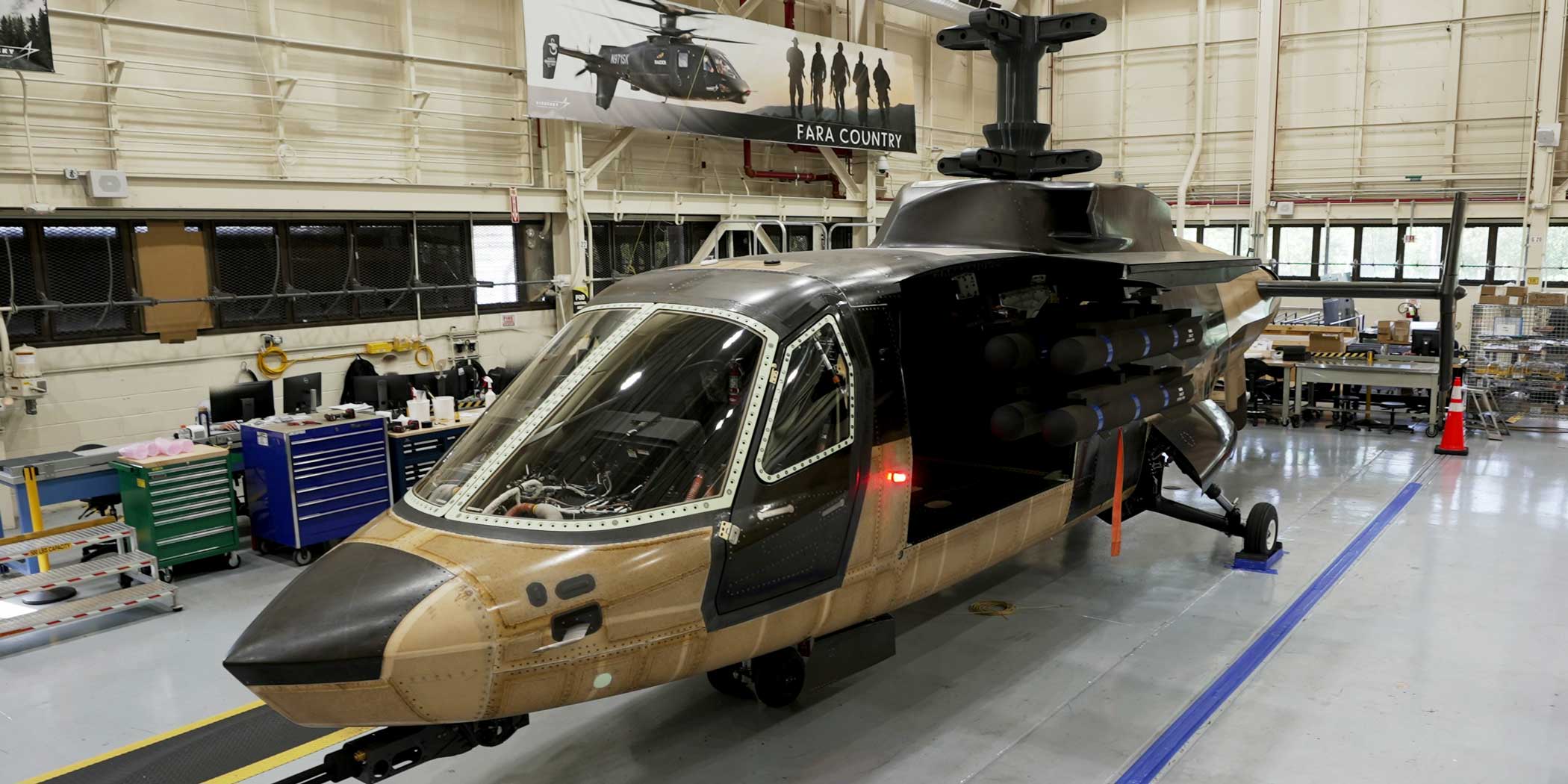
Standard helicopters represent the most common form of rotorcraft. Their main rotor is engine-driven, forcing air downward to create lift. Because the spinning rotor creates a torque effect that tries to spin the fuselage in the opposite direction, helicopters require a secondary mechanism—such as a tail rotor, a Notar (no tail rotor) system, or counter-rotating coaxial main rotors—to counteract this torque and provide directional yaw control.
Gyroplanes operate under a different aerodynamic model. While they feature an unpowered rotor that spins freely via aerodynamic forces (autorotation) as the aircraft moves forward, they rely on a separate engine-driven propeller or jet to provide forward thrust. If the engine fails in a gyroplane, the rotor continues to spin freely, allowing for a controlled, safe landing.
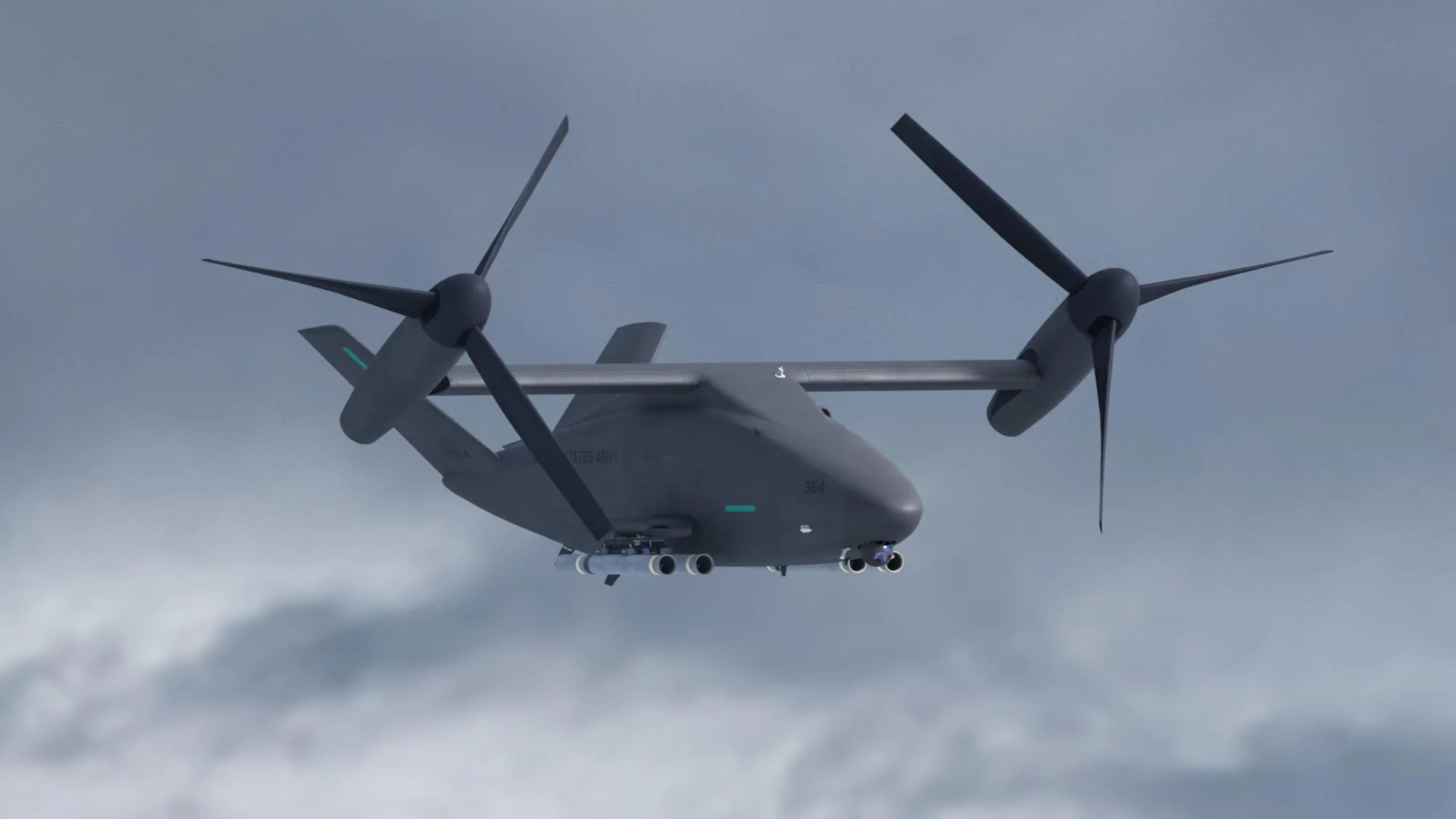
Tiltrotors represent an advanced hybrid class of aircraft rotorcraft. These machines feature engine-nacelles mounted at the wingtips that can rotate from a vertical position for vertical takeoff and landing (VTOL) to a horizontal position for high-speed, airplane-like cruise flight. This design bridges the gap between the hovering versatility of a helicopter and the speed and efficiency of a turboprop aircraft.
Aerodynamic Principles Governing Rotorcraft Flight
The physics governing aircraft rotorcraft flight are notably more complex than those of fixed-wing aircraft due to the asymmetric airflow experienced by rotating blades. As a rotor blade spins, the advancing blade (moving in the same direction as the forward flight) experiences a higher relative airspeed than the retreating blade (moving opposite to the forward flight). This phenomenon, known as dissymmetry of lift, requires sophisticated mechanical design to prevent the aircraft from rolling uncontrollably.
To compensate for dissymmetry of lift, modern helicopter rotor systems incorporate flapping hinges and feathering hinges. As the advancing blade generates more lift, it flaps upward, reducing its angle of attack and decreasing lift. Conversely, the retreating blade flaps downward, increasing its angle of attack and generating more lift. This continuous cyclic adjustment balances lift across the entire rotor disc.
Another critical aerodynamic condition unique to rotorcraft is translational lift. When a helicopter hovers, it operates in its own downwash, creating a turbulent vortex ring state that requires increased engine power to maintain altitude. As the aircraft transitions into forward flight—typically around 15 to 24 knots—it moves out of its own downwash and encounters cleaner, undisturbed air. This dramatically increases rotor efficiency, a transition pilots refer to as acquiring translational lift.
Power management and autorotation represent vital safety concepts in rotorcraft operations. Autorotation is the state of flight where the engine is disengaged from the rotor system, and air rushing upward through the rotor disc drives the blades, maintaining rotor RPM. Mastery of autorotation procedures is a mandatory safety requirement for all commercial and private rotorcraft pilots, ensuring a reliable emergency landing procedure in the event of total engine failure.
Technical Specifications and Comparative Analysis
Comparing rotorcraft types involves evaluating payload capacity, speed, range, and mechanical complexity. The table below outlines the operational profiles of the three major rotorcraft categories.
| Rotorcraft Type | Primary Lift Source | Propulsion Source | Typical Cruise Speed | Primary Operational Use |
|---|---|---|---|---|
| Helicopter | Powered Main Rotor(s) | Same Engine via Transmission | 100 – 160 knots | EMS, utility, military transport, law enforcement |
| Gyroplane | Free-spinning Rotor (Autorotation) | Separate Engine & Propeller | 60 – 110 knots | Recreational flying, agricultural survey, flight training |
| Tiltrotor | Rotating Powered Rotors | Twin Turboshaft Engines | 250 – 300+ knots | Special operations, long-range troop transport, executive travel |
The trade-offs highlighted in the table illustrate why mission profile dictates aircraft selection. While standard helicopters offer unmatched agility and vertical hover capabilities, their mechanical complexity and high drag coefficients limit their maximum airspeed. Gyroplanes provide a simpler, highly stable, and cost-effective platform for recreational and light utility roles, but they cannot hover. Tiltrotors conquer the speed and range limitations of traditional helicopters at the expense of significantly higher manufacturing, maintenance, and pilot training costs.
Operational Limitations and Environmental Challenges
Operating an aircraft rotorcraft introduces specific operational challenges that demand rigorous pilot training and diligent maintenance protocols. Ground resonance is one such mechanical phenomenon, occurring primarily in articulated rotor systems when the landing gear oscillates in resonance with the rotor blades hitting their lag hinges. If left unchecked, ground resonance can violently destroy a helicopter within seconds, requiring immediate takeoff or throttle reduction.
Vortex ring state (VRS), often referred to as settling with power, presents a major aerodynamic hazard. This occurs when a rotorcraft descends vertically at a rate greater than 300 feet per minute while maintaining low forward speed, and the aircraft settles into its own downward vortex. The pilot experiences a loss of control effectiveness and a rapid descent rate. Recovery requires lowering the collective pitch to increase forward airspeed and fly out of the vortex ring.
Weather constraints also heavily impact rotorcraft utilization. Operating in instrument meteorological conditions (IMC) requires specialized avionics, dual-engine redundancy, and an instrument-rated pilot. Furthermore, low-visibility phenomena such as brownout (caused by rotor wash kicking up dust in arid environments) or whiteout (in snow-covered terrain) strip pilots of visual cues, necessitating advanced flight director systems or radar altimeters to maintain stable flight control.
Regulatory Standards and Maintenance Requirements
Aircraft rotorcraft are subject to strict airworthiness standards established by civil aviation authorities worldwide. Maintenance schedules are dictated by strict flight-hour thresholds, component lifecycle limits (often referred to as time-in-service limits for critical parts like rotor blades, swashplates, and transmission gearboxes), and mandatory service bulletins issued by manufacturers.
Unlike fixed-wing aircraft, where structural stress is relatively evenly distributed during steady flight phases, rotorcraft experience continuous cyclic vibrations and high centrifugal loads. Consequently, rigorous non-destructive testing (NDT)—including X-ray inspections, ultrasonic testing, and dye-penetrant checks—is routinely performed to detect micro-cracks in metal components before catastrophic failure occurs.
Pilot licensing requirements mirror this complexity. Operating a rotorcraft requires a dedicated Rotorcraft Category rating on a pilot certificate, with distinct sub-ratings for helicopter or gyroplane classes. Instrument ratings for rotorcraft demand specific training in partial-panel flying and spatial disorientation recovery, given the high workload associated with manually stabilizing a rotary-wing machine in zero-visibility conditions.
Frequently Asked Questions About Aircraft Rotorcraft
What is the main difference between a helicopter and an airplane?
An airplane generates lift through fixed wings that require forward motion relative to the air, whereas a helicopter generates lift through rotating wings (rotor blades) that move relative to the aircraft, allowing for vertical takeoff, landing, and stationary hovering.
Can an aircraft rotorcraft land safely if the engine fails?
Yes. Through a process called autorotation, the pilot disengages the engine from the rotor system, allowing upward-flowing air to keep the blades spinning. This generates enough lift to control the descent and execute a safe landing, provided sufficient altitude is available.
What causes a helicopter to need a tail rotor?
Newton's third law states that for every action, there is an equal and opposite reaction. As the engine turns the main rotor in one direction, torque forces the fuselage to spin in the opposite direction. The tail rotor creates lateral thrust to counteract this torque and maintain directional control.
How fast can a standard aircraft rotorcraft fly?
Most conventional utility and transport helicopters cruise at speeds between 100 and 160 knots (approximately 115 to 185 mph). Advanced designs like tiltrotors can achieve much higher cruise speeds exceeding 300 knots by reorienting their rotors forward for airplane-style flight.
What is translational lift in rotorcraft operations?
Translational lift is the aerodynamic improvement in rotor efficiency that occurs when a helicopter transitions from a hover into forward flight. By moving out of its own turbulent downwash and into undisturbed air, the rotor system generates significantly more lift with the same amount of power.
Maximizing Safety and Operational Efficiency in Rotorcraft Use
To ensure safe and cost-effective operations, fleet operators and private aviators must prioritize proactive maintenance adherence, thorough pre-flight risk assessments, and continuous pilot proficiency training. Establishing a safety management system (SMS) helps identify emerging mechanical or operational hazards before they result in incidents. When planning missions, operators should carefully evaluate density altitude, payload limits, and prevailing weather corridors to keep performance margins well within manufacturer-specified envelopes.