An aircraft emergency is an extraordinary, time-critical situation requiring flight crews and air traffic control to execute precise, standardized protocols—such as declaring Mayday or Pan-Pan, squawking emergency transponder codes, and utilizing cockpit checklists—to prioritize passenger safety, stabilize the aircraft, and orchestrate a safe landing.
When an aviation crisis unfolds in the flight deck, the boundary between a managed malfunction and a catastrophic accident relies entirely on structured discipline, precise communication, and immediate adherence to standardized operational frameworks. Whether an incident involves a sudden engine failure, a severe cabin depressurization, an onboard fire, or a critical flight control malfunction, aviation safety is engineered around the principle of systematic mitigation. Understanding how these crises are categorized, communicated, and managed offers vital insight into the rigorous architecture that protects modern air travel.
The Taxonomy of In-Flight Crises
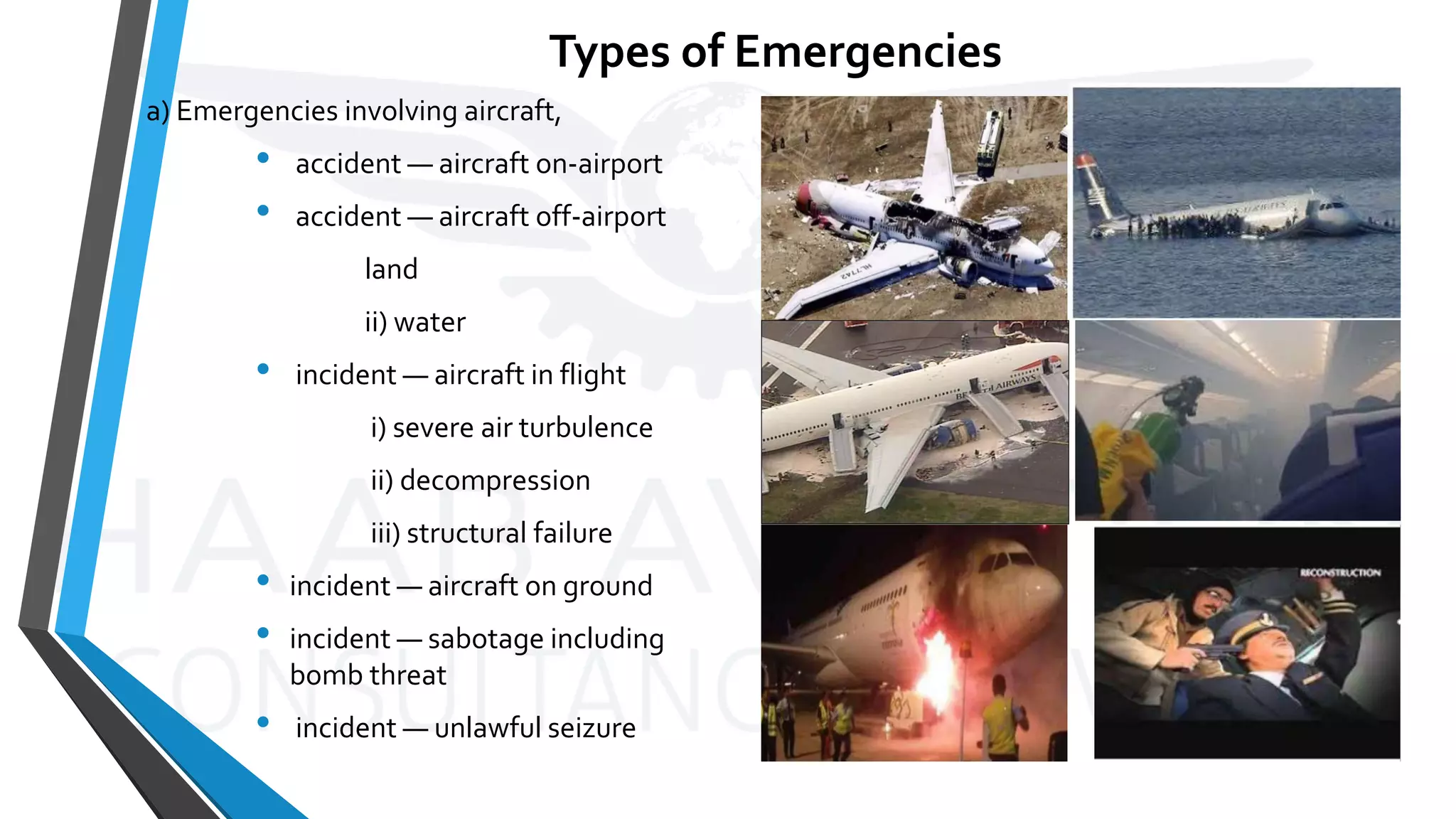
Aviation authorities categorize unexpected onboard situations based on urgency and the threat level to the structural integrity of the aircraft and the safety of its occupants. This taxonomy dictates the immediate response required from the flight crew, air traffic control (ATC), and ground emergency services. Distinguishing between operational disruptions and life-threatening emergencies prevents miscommunication in high-stress environments.
The two primary classifications used globally by civil aviation organizations, including the Federal Aviation Administration (FAA) and the International Civil Aviation Organization (ICAO), are distinguished by their international radio telephony callouts:
- Mayday: This is the highest level of distress. It indicates that the aircraft is threatened by grave and imminent danger and requires immediate assistance. Examples include a total loss of engine power on a multi-engine aircraft, an uncontrollable onboard fire, structural failure, or an immediate threat to the lives of those on board.
- Pan-Pan: This is the urgency call. It indicates that the flight crew has a very urgent situation concerning the safety of the aircraft or someone on board, but that immediate assistance is not required at that exact second. Examples include a single-engine failure on a multi-engine plane, a medical emergency that requires priority diversion, or a non-critical system failure in complex weather.
Beyond radio calls, crises are also evaluated by their systemic origin. Powerplant failures, hydraulic leaks, electrical bus failures, severe weather encounters, and unlawful interference each command a distinct branch of emergency operational handling. Recognizing the exact nature of the failure allows the pilot-in-command to pull the correct non-normal checklist without hesitation.
Standardized Emergency Communication Protocols
Clear, concise, and unambiguous communication is the lifeline of any aviation emergency. When a critical situation arises, the flight crew follows a strict verbal hierarchy designed to eliminate confusion between the aircraft and ground stations. The primary objective is to convey the nature of the distress, the intentions of the pilot, and the assistance required without tying up radio frequencies with unnecessary details.
The standard radio transmission protocol for a distress call requires repeating the key identifier three times to ensure it cuts through background noise and is clearly understood by controllers:
- Distress Signal: "Mayday, Mayday, Mayday" (or "Pan-Pan, Pan-Pan, Pan-Pan").
- Station Addressed: The name of the air traffic control facility being called (e.g., "Boston Center").
- Aircraft Identification: The call sign or registration number (e.g., "United 456").
- Nature of Emergency: A brief description of the issue (e.g., "Engine fire," "Hydraulic failure").
- Intentions: What the pilot plans to do (e.g., "Returning to the field," "Descending to 5,000 feet").
- Position and Altitude: Where the aircraft currently is located.
- Souls on Board and Fuel Remaining: Essential metrics for ground rescue teams and diversion calculations.
In addition to verbal communication, pilots utilize the aircraft transponder to broadcast their emergency status electronically to radar screens across air traffic control centers. By entering specific four-digit codes into the transponder, the aircraft's return on ATC radar automatically highlights the nature of the distress, alerting controllers even if voice communication is disrupted.
| Transponder Code | Emergency Category | Operational Meaning |
|---|---|---|
| 7500 | Unlawful Interference | Hijacking or physical takeover of the aircraft by unauthorized personnel. |
| 7600 | Radio Communication Failure | Total loss of two-way radio capability; pilots follow pre-planned lost comm procedures. |
| 7700 | General Emergency | Standard distress code indicating an acute onboard emergency requiring priority handling. |
Aviate, Navigate, Communicate: The Core Philosophy
When an unexpected failure startles the flight deck, human physiological responses—such as adrenaline spikes and tunnel vision—can degrade decision-making capabilities. To counter this, flight training programs relentlessly instill a three-tier prioritization framework known universally as "Aviate, Navigate, Communicate." This simple mental model forces pilots to focus on the most critical tasks first.
- AVIATE THE AIRCRAFT
- (Maintain control, attitude, airspeed, trim)
- NAVIGATE THE ROUTE
- (Avoid terrain, stay on cleared flight path)
- COMMUNICATE THE ISSUE
- (Declare Mayday, squawk 7700, talk to ATC)
First, Aviate. No matter how severe the fire warning or how loud the system failure chimes, the pilot must fly the airplane. Letting go of the controls to troubleshoot a computer screen or talk on the radio while the aircraft enters an unrecoverable attitude is a primary historical cause of fatal accidents. Maintaining aircraft control, managing energy states, and keeping the wings level always take absolute precedence.
Second, Navigate. Once the flight path is secure and the aircraft is under positive physical control, the crew must ensure the plane is heading in a safe direction. This involves steering clear of high terrain, severe convective weather, and restricted airspace, while keeping the aircraft oriented toward an appropriate diversion airport or holding fix.
Third, Communicate. Only after the aircraft is flying stably and safely navigated away from immediate geographic hazards should the crew pick up the microphone to talk to air traffic control, company dispatch, or cabin crew. Communicating too early—before the aircraft is stabilized—clutters radio frequencies and overloads the pilot with cognitive distractions.
Cockpit Checklists and Non-Normal Procedures
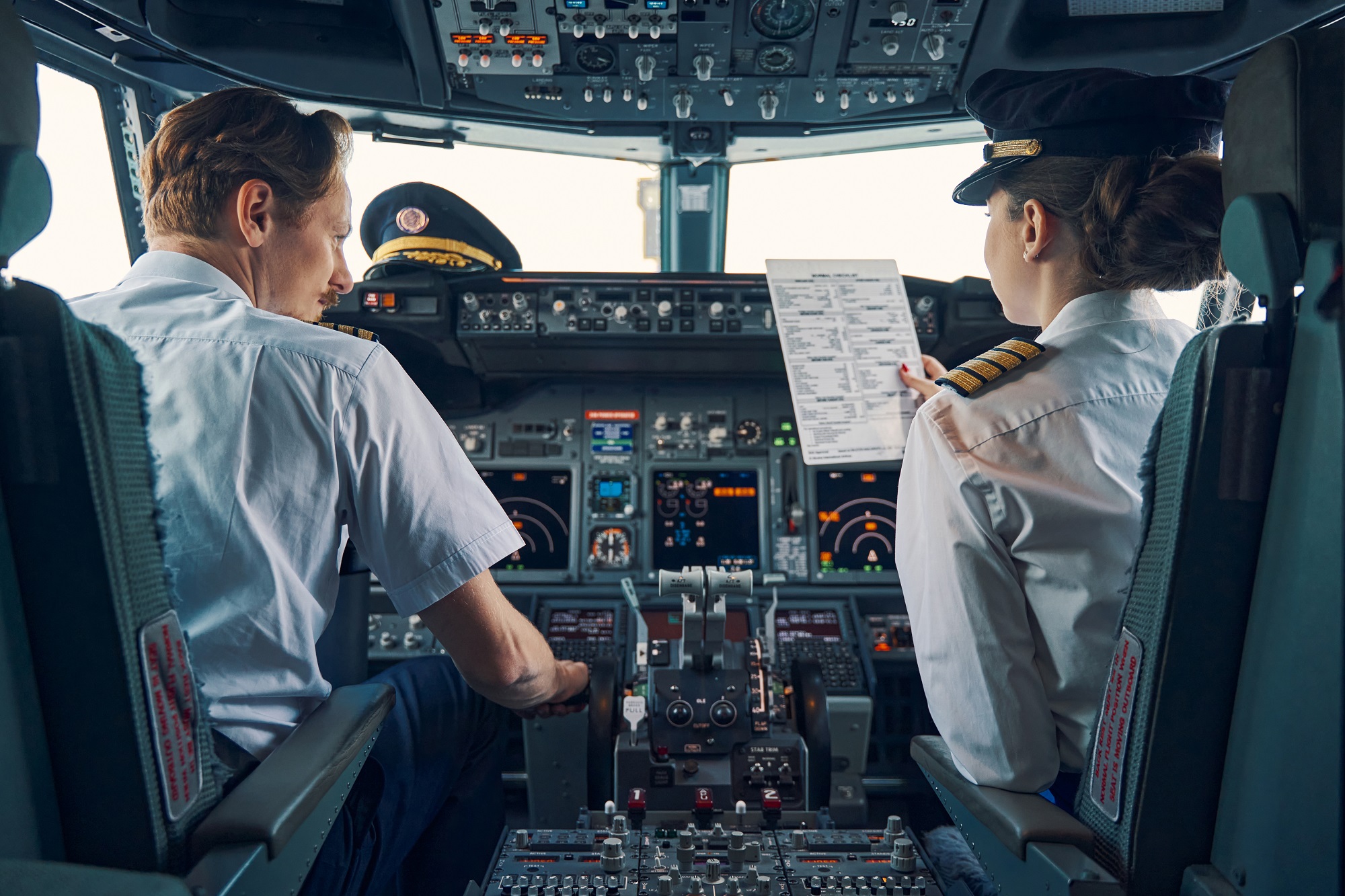
Modern commercial and advanced general aviation aircraft are accompanied by exhaustive documentation detailing how to handle system malfunctions. When an emergency occurs, pilots do not rely solely on memory; they rely on structured memory items followed by rigorous, physical checklists.
For time-critical emergencies—such as an engine fire, rapid depressurization, or an uncontained engine failure—certain actions must be executed immediately from memory before the checklist can even be opened. These are known as memory items or immediate action items. Once the immediate danger is stabilized and the flight path is secure, the pilot flying calls for the corresponding non-normal checklist or emergency checklist from the Quick Reference Handbook (QRH) or electronic flight bag.
- Verification: The pilot monitoring reads the checklist aloud, and both pilots cross-check switch positions, circuit breakers, and fuel valve selections.
- Execution: Actions are performed deliberately to prevent secondary failures or accidental shutdown of operating systems.
- Review: The crew evaluates the resulting system changes to confirm that the malfunction has been isolated or successfully mitigated.
Crew Resource Management and Cabin Coordination
Managing an emergency requires seamless coordination not just between the two pilots in the cockpit, but across the entire operational team, including flight attendants, dispatchers, and air traffic controllers. This cooperative discipline is governed by Crew Resource Management (CRM), a framework developed to optimize safety by making effective use of all available resources—people, hardware, and information.
In the cabin, flight attendants serve as the first line of defense during evacuation scenarios, medical crises, or security incidents. When the flight deck orders an emergency preparation or brace position, communication channels between the cockpit and cabin must remain clear. Cabin crew execute pre-landing drills, secure loose cabin items, instruct passengers on bracing positions, and prepare emergency exit doors for rapid deployment upon touchdown.
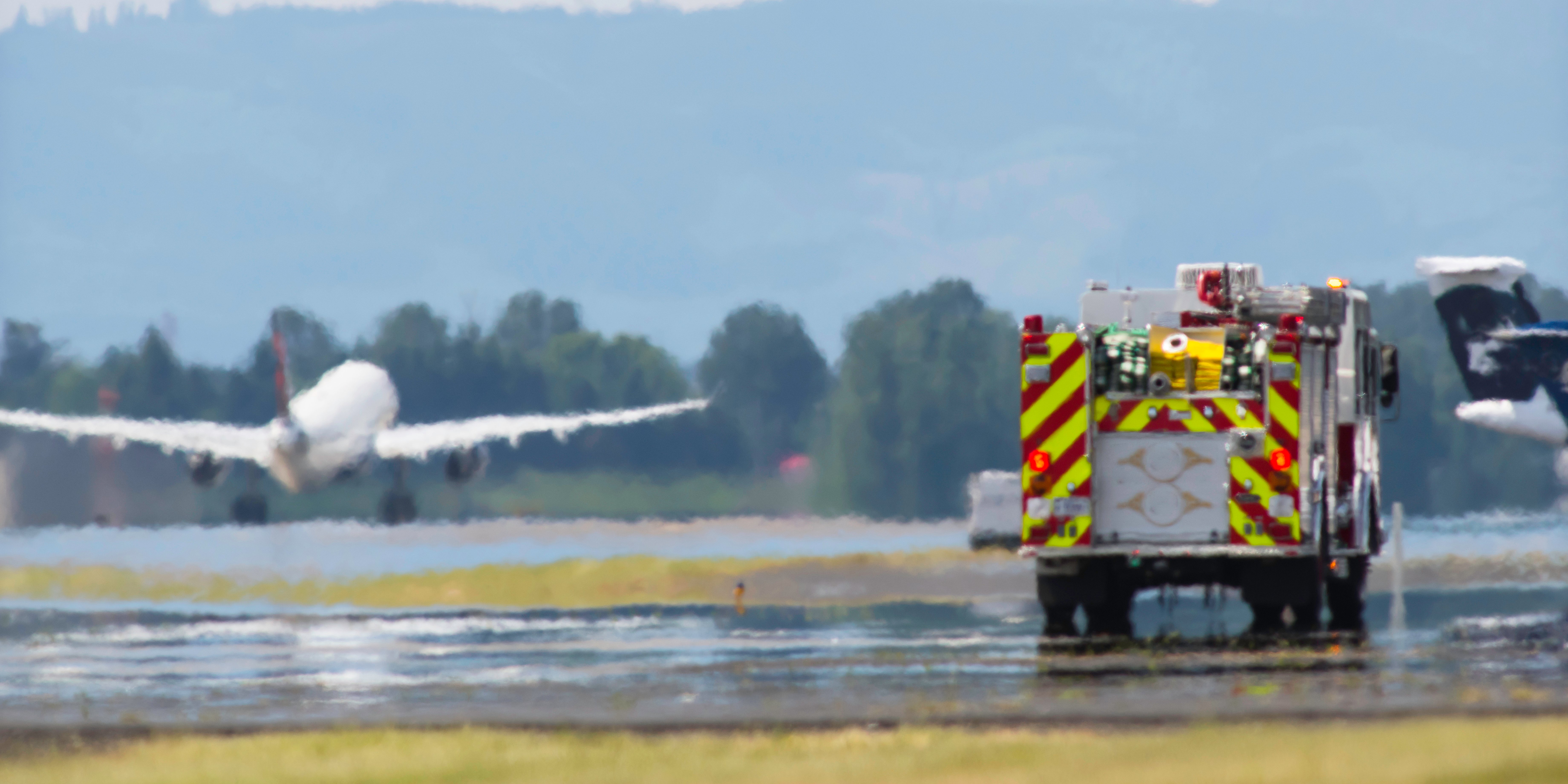
Meanwhile, air traffic controllers clear airspace around the troubled aircraft, reroute other traffic to maintain safe separation intervals, and alert ground rescue services—including ARFF (Aircraft Rescue and Fire Fighting) units—to stage along the runway. This ecosystem of coordinated support ensures that when the wheels touch the tarmac, specialized assistance is immediately available.
Post-Emergency Procedures and Reporting Obligations
The resolution of an airborne crisis does not end when the aircraft comes to a complete stop on the runway or ramp. Once the immediate physical danger has passed, a strict protocol of post-event management begins. If an emergency evacuation was executed, the priority shifts to accounting for all passengers and crew in designated safe assembly areas away from the aircraft.
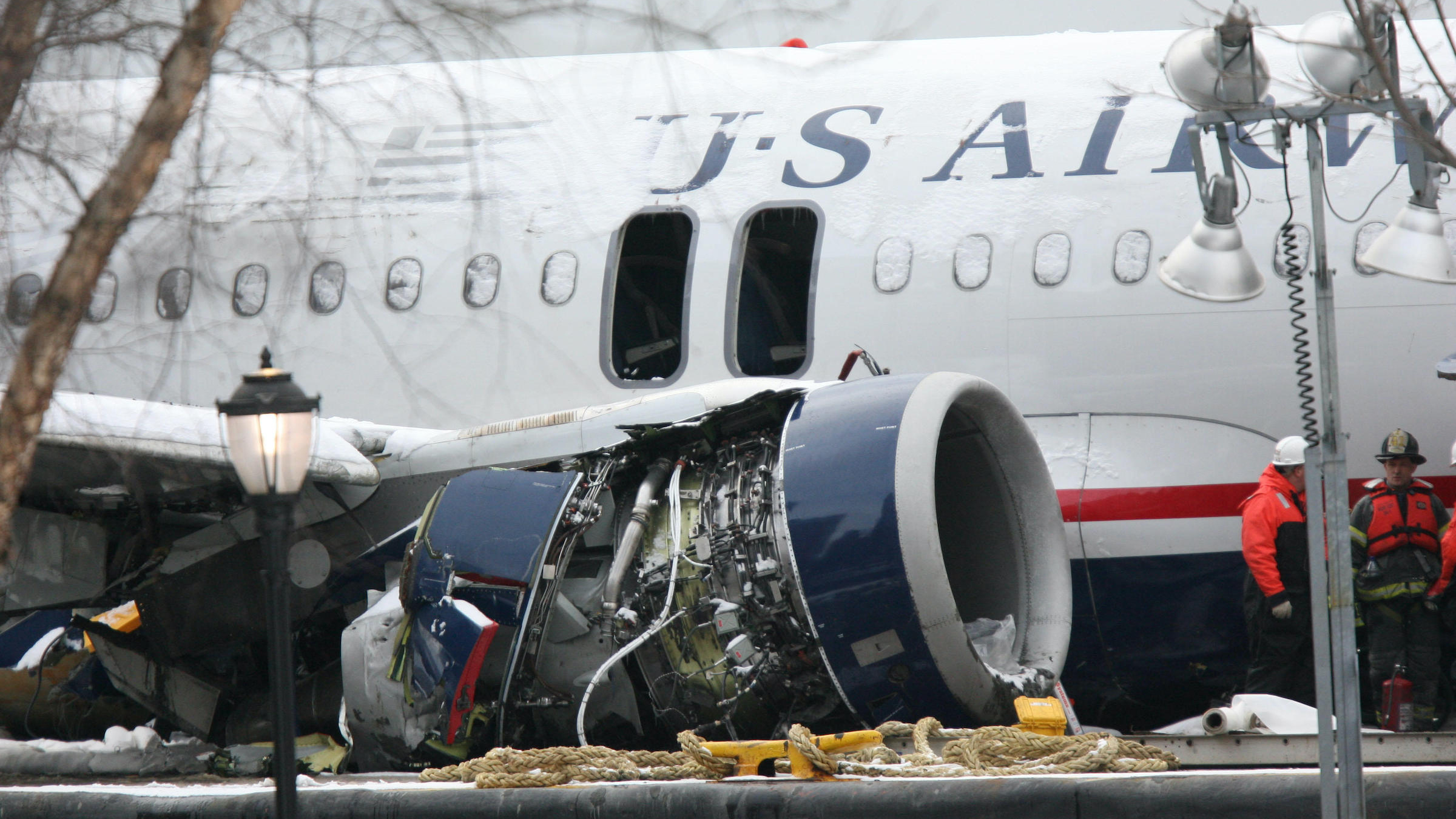
For the flight crew and operators, regulatory bodies require detailed reporting of the event. In the United States, the National Transportation Safety Board (NTSB) mandates immediate notification for certain severe incidents, such as flight control system malfunctions, turbine engine failures, or structural damage. Operators must preserve flight data recorder (FDR) and cockpit voice recorder (CVR) data for investigation.
Furthermore, safety management systems (SMS) within airlines initiate internal reviews to determine the root cause of the failure, evaluate crew performance, and determine whether procedural changes or maintenance bulletins are necessary to prevent recurrence across the fleet.
Frequently Asked Questions
What is the difference between a Mayday and a Pan-Pan call?
A Mayday call indicates grave and imminent danger requiring immediate assistance, such as an engine fire or structural failure. A Pan-Pan call indicates an urgent situation involving safety—such as a medical emergency or non-critical system failure—that requires priority handling but is not an immediate threat to survival.
What should a pilot do immediately after an engine failure?
The pilot must first prioritize flying the aircraft by maintaining aircraft control, trimming for the correct single-engine airspeed, and securing a safe flight path. Once stabilized, the crew performs immediate memory items, reviews the non-normal checklist, squawks the appropriate transponder code if necessary, and communicates with air traffic control.
Which transponder code indicates a total radio failure?
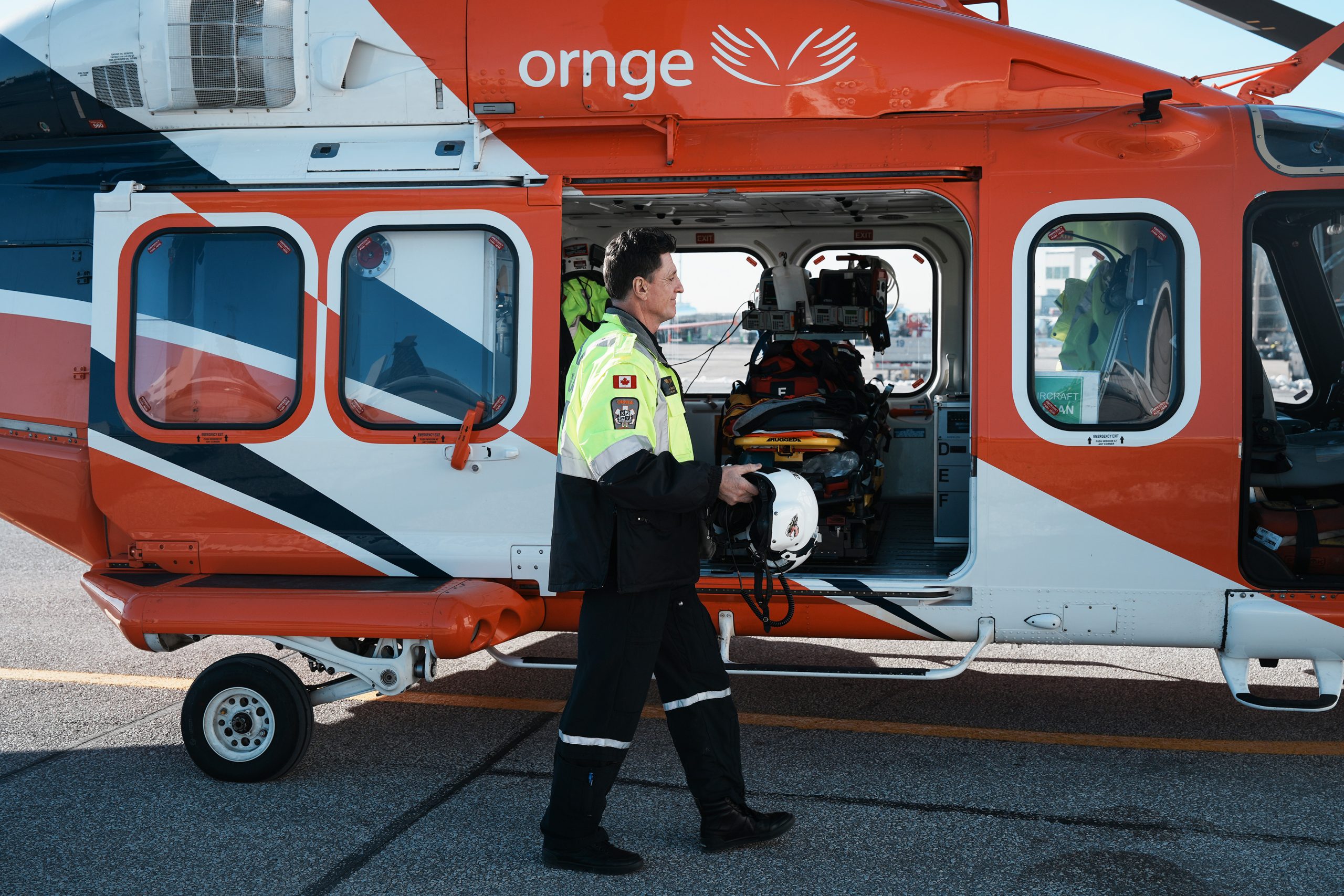
Squawking 7600 indicates a total loss of two-way radio communication. When ATC observes this code on radar, controllers clear airspace around the aircraft and look out for pre-arranged visual light gun signals or expected route compliances from the pilot.
Can passengers assist during an in-flight emergency?
Passengers are generally required to follow instructions from the cabin crew and remain seated unless an emergency evacuation is ordered. In medical emergencies, medically trained passengers may be asked by the cabin crew to assist until professional medical personnel can meet the aircraft upon landing.
What are memory items in cockpit emergency procedures?
Memory items are critical, time-sensitive steps that a flight crew must execute immediately from memory during severe emergencies—such as an engine fire or cabin depressurization—before referencing the physical checklist in the Quick Reference Handbook.
How do air traffic controllers respond when an aircraft declares an emergency?
Air traffic controllers immediately clear the surrounding airspace, provide the distressed aircraft with navigational priority, assign dedicated radio frequencies, coordinate lower altitudes or direct routings if requested, and alert ground emergency and firefighting services.