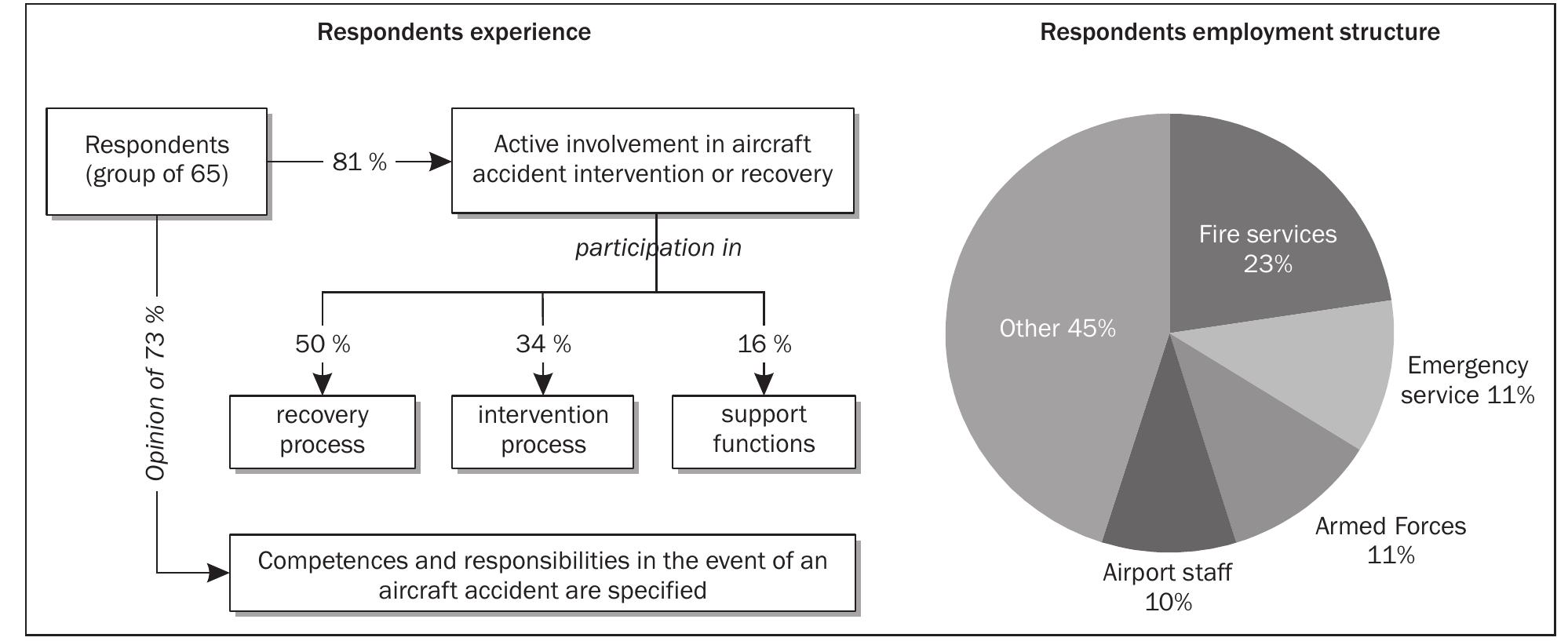
Aircraft accident response encompasses the immediate operational, regulatory, and investigative actions triggered when an aviation mishap occurs, uniting search and rescue operations, wreckage security, and formal safety investigations. When an aviation emergency unfolds, a highly structured multi-agency framework swings into action to protect human life, preserve perishable forensic evidence, and mitigate environmental hazards. This systematic protocol bridges the gap between emergency medical services, civil aviation authorities, and independent air safety boards.
The Foundation of Initial Aviation Emergency Response
The first minutes following an aviation accident dictate the survival rate of occupants and the integrity of the subsequent safety investigation. Initial response protocols prioritize the preservation of human life through coordinated search and rescue (SAR) missions, fire suppression, and emergency medical triage. Air traffic control (ATC) facilities, airport rescue and firefighting (ARFF) units, and local emergency responders form the primary layer of this immediate defense.
When an aircraft fails to report or signals an emergency transponder code, civil aviation authorities and military rescue coordination centers (RCCs) initiate tracking procedures. These centers utilize radar data, emergency locator transmitter (ELT) signals, and flight plan route histories to pinpoint the last known position. For accidents occurring on or near aerodromes, ARFF vehicles deploy immediately, equipped with specialized high-capacity foam and dry chemical agents designed to suppress volatile aviation fuel fires within seconds.
Beyond immediate life safety, the initial response phase requires strict containment of the accident site. Unauthorized entry, souvenir hunting, or uncoordinated rescue attempts can inadvertently destroy fragile physical evidence, displace flight control components, or compromise the integrity of human remains. Law enforcement agencies establish outer and inner cordons to secure the perimeter, ensuring that only authorized medical personnel, firefighters, and designated safety investigators gain access to the zone.
Regulatory Frameworks and Investigating Authorities
Once immediate life-safety operations stabilize, jurisdiction over the site transitions from emergency responders to official aviation safety investigators. At the international level, civil aviation accident investigations are governed by Annex 13 to the Convention on International Civil Aviation, established by the International Civil Aviation Organization (ICAO). Annex 13 outlines the standard protocols for notification, investigation, and reporting, establishing that the primary objective of an accident investigation is the prevention of future accidents, not the apportionment of blame or liability.
In the United States, the National Transportation Safety Board (NTSB) operates as the independent federal agency mandated to investigate civil aviation accidents. When a major accident occurs, the NTSB deploys a "Go Team" comprising specialists in areas such as operations, structures, powerplants, air traffic control, weather, human factors, and survivability. For international occurrences, accredited representatives from the state of registry, the state of design, the state of manufacture, and the state of the operator participate in the investigation alongside the host nation's safety board.
Key Phases of an Official Aviation Investigation
- Notification and Go-Team Deployment: The authority receives notification of the accident, gathers initial perishable details, and deploys multidisciplinary specialists to the scene.
- On-Site Documentation and Evidence Gathering: Investigators map the wreckage distribution, photograph impact craters, interview witnesses, and collect air traffic control voice and radar recordings.
- Component Examination and Testing: Critical mechanical, electrical, and avionic components are secured and transported to specialized laboratories for forensic teardown and failure analysis.
- Flight Recorder Recovery and Readout: The cockpit voice recorder (CVR) and flight data recorder (FDR)—commonly known as black boxes—are extracted, downloaded, and translated into readable parameters.
- Report Generation and Safety Recommendations: Analysts synthesize the findings into a comprehensive probable cause report and issue safety recommendations to regulatory bodies and manufacturers.
Human Factors, Survival Aspects, and Forensic Pathology
A critical dimension of aircraft accident response involves examining human factors and survivability. Investigators analyze how the physical environment inside the cabin interacted with the human body during deceleration forces and structural collapse. This includes evaluating seat retention systems, restraint harness integrity, cabin interior flammability, and emergency egress pathways. Medical examiners and forensic pathologists perform autopsies and toxicological screenings to determine the exact cause of fatalities, assess the presence of carbon monoxide or incapacitating substances, and evaluate the effectiveness of life support equipment.
Human factors investigations extend beyond the physical cabin to examine flight crew performance, cognitive workload, fatigue, crew resource management (CRM), and organizational influences. Investigators analyze training records, simulator performance, medical history, and communication patterns leading up to the event. Understanding why a crew made specific operational decisions requires reconstructing their situational awareness and assessing the design of cockpit displays, warning systems, and standard operating procedures.
Wreckage Recovery and Environmental Mitigation
Securing and recovering the physical wreckage is a complex engineering task that often requires heavy machinery, specialized rigging, and environmental protection measures. Wreckage documentation must occur in situ whenever possible, utilizing aerial drone mapping, photogrammetry, and laser scanning to record the exact spatial orientation of every component before disturbance.
Aircraft accidents frequently involve hazardous materials, including residual aviation turbine fuel (Jet-A or avgas), hydraulic fluids, engine oils, compressed oxygen cylinders, and composite material debris. Environmental protection agencies and specialized hazardous material (HAZMAT) remediation contractors work alongside investigators to contain fuel spills, prevent runoff into local water tables, and safely manage carbon-fiber fragments that can become airborne during thermal events or recovery operations.
| Response Phase | Primary Responsible Agency | Core Objectives | Key Deliverables |
|---|---|---|---|
| Search & Rescue | Military RCCs / Local ARFF | Locate survivors, extinguish fires, provide emergency medical triage | Patient stabilization, evacuation, site securing |
| Safety Investigation | NTSB / State Aviation Board | Determine probable cause, collect perishable evidence, secure recorders | Factual reports, CVR/FDR readouts, safety recommendations |
| Environmental Cleanup | HAZMAT Contractors / EPA | Mitigate chemical hazards, recover fuel spills, manage debris | Contaminant containment, soil remediation, safe disposal |
| Family Assistance | Airline Operators / Red Cross | Provide compassionate support, coordinate identification, manage briefings | Dedicated family centers, repatriation assistance, grief counseling |
Family Assistance and Post-Crisis Management
Modern aircraft accident response protocols place significant emphasis on the humane and compassionate treatment of surviving passengers and the families of victims. Following major commercial aviation disasters, regulatory bodies mandate that air carriers and designated government agencies activate dedicated family assistance plans. These frameworks ensure that families receive timely, accurate information before public announcements are made, shielding them from sensationalized media coverage and providing confidential psychological support.
Family assistance centers offer secure environments where relatives can access grief counselors, cultural and religious advisors, and liaison officers from the airline and investigative boards. Coordination with coroners and forensic pathologists is managed with utmost sensitivity regarding the identification and repatriation of remains. Operators must maintain transparent communication channels, assisting families with logistical arrangements, memorial services, and legal guidance while the broader investigative process continues over many months.
Frequently Asked Questions About Aircraft Accident Response
Who is legally responsible for leading an aircraft accident investigation?
The state in which the accident occurs is primarily responsible for conducting the investigation, typically delegated to an independent national transportation safety board or civil aviation authority. However, under ICAO Annex 13 rules, other nations directly linked to the aircraft’s design, manufacture, registration, or operation are entitled to appoint accredited representatives to assist the investigation.
How are flight recorders recovered from deep water?
When an aircraft crashes into deep water, specialized maritime salvage vessels utilize side-scan sonar, underwater autonomous vehicles (UAVs), and remotely operated vehicles (ROVs) to locate the wreckage. The cockpit voice recorder and flight data recorder are equipped with underwater locator beacons (ULBs) that emit acoustic pulses at a specific frequency, allowing surface vessels to home in on their exact underwater location.
What happens to the wreckage after an investigation is completed?
Once all necessary forensic data, measurements, and component tests have been completed, the investigating authority typically releases jurisdiction over the wreckage. The physical remains of the aircraft are usually returned to the owner, insurance underwriters, or the legal representatives of the operator, who generally arrange for secure storage, recycling, or final destruction to prevent unauthorized access or the illicit trade of uncertified aircraft parts.
Can the general public access aircraft accident reports?
Yes, safety boards such as the NTSB maintain public dockets containing extensive factual reports, interview transcripts, weather data, engineering studies, and the final probable cause report. These documents are made publicly available online to ensure transparency, foster academic research, and promote continuous safety improvements across the global aviation industry.
How do investigators determine pilot fatigue or physiological factors?
Investigators examine crew scheduling records, duty time logs, rest periods, circadian rhythm disruptions, and sleep histories leading up to the accident flight. Medical evaluations look for signs of medical incapacitation, sleep apnea, or other physiological conditions, while cockpit voice recordings and flight data help assess cognitive performance and reaction times under stress.
Implementing Effective Aviation Safety Protocols
Aviation organizations, flight departments, and aerodrome operators must maintain comprehensive, regularly audited emergency response plans (ERPs) to ensure seamless coordination when an incident occurs. Personnel at all operational levels must understand their specific notification chains, media management boundaries, and legal responsibilities under national and international aviation laws. Reviewing regulatory guidelines provided by bodies like the International Civil Aviation Organization and local safety authorities ensures that emergency frameworks remain robust, compliant, and focused on the ultimate goal of continuous aviation safety enhancement.