To check your airbag recall status, locate your vehicle’s 17-character Vehicle Identification Number (VIN) and enter it into the official safety recall database at NHTSA Recalls Database or your automaker’s service portal. If an open recall is listed, authorized franchised dealerships are legally required to perform all necessary repairs completely free of charge.
Understanding Airbag Recall Statuses and Safety Risks
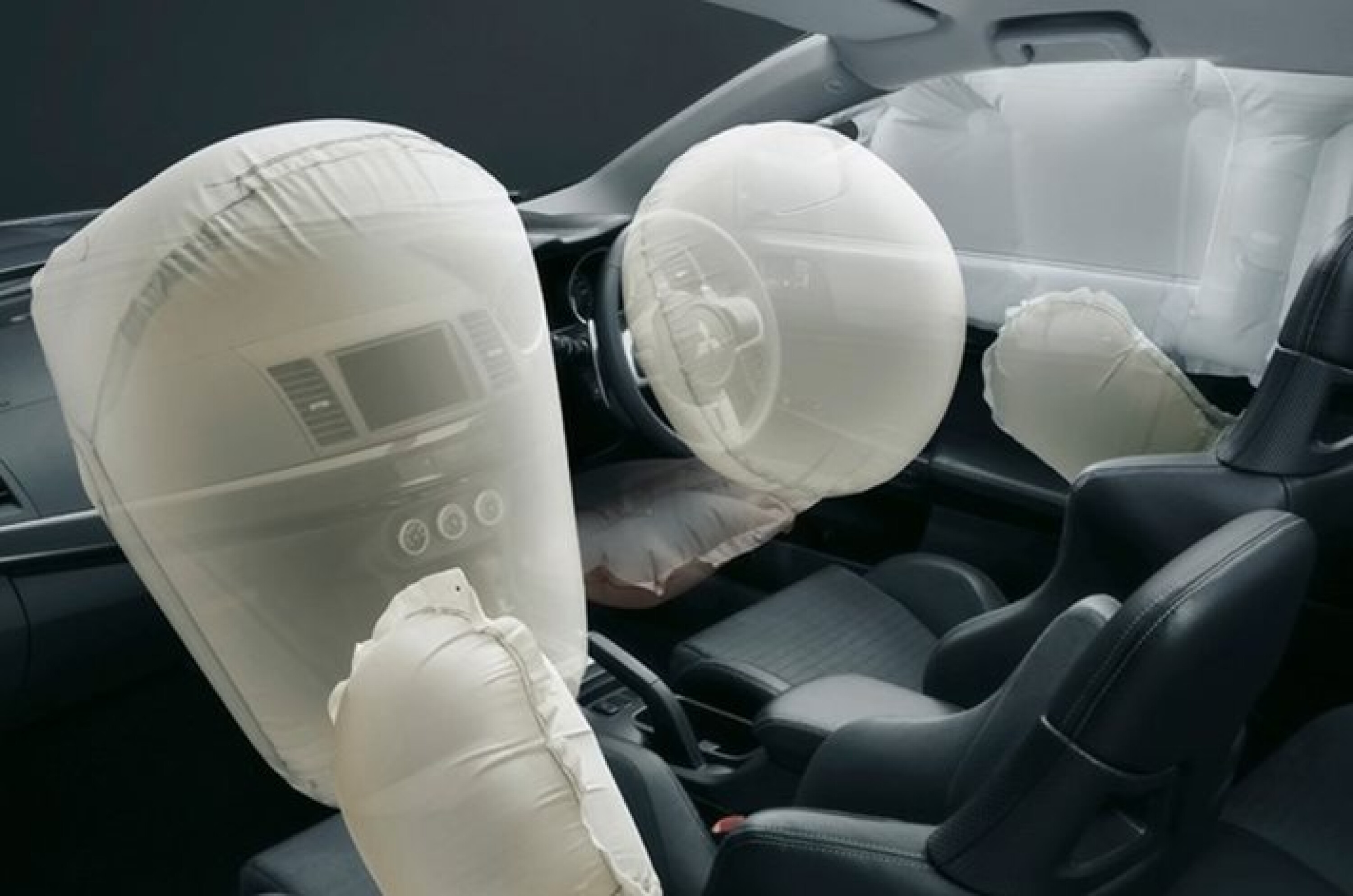
An airbag recall status indicates whether a motor vehicle contains a factory-installed airbag component that government regulators or vehicle manufacturers have deemed defective. Airbags are critical safety devices designed to deploy in milliseconds during a collision to cushion occupants from catastrophic impact forces. However, when an airbag system suffers from mechanical, chemical, or electronic design flaws, it can fail to deploy properly or, in severe cases, cause grave injuries during deployment.
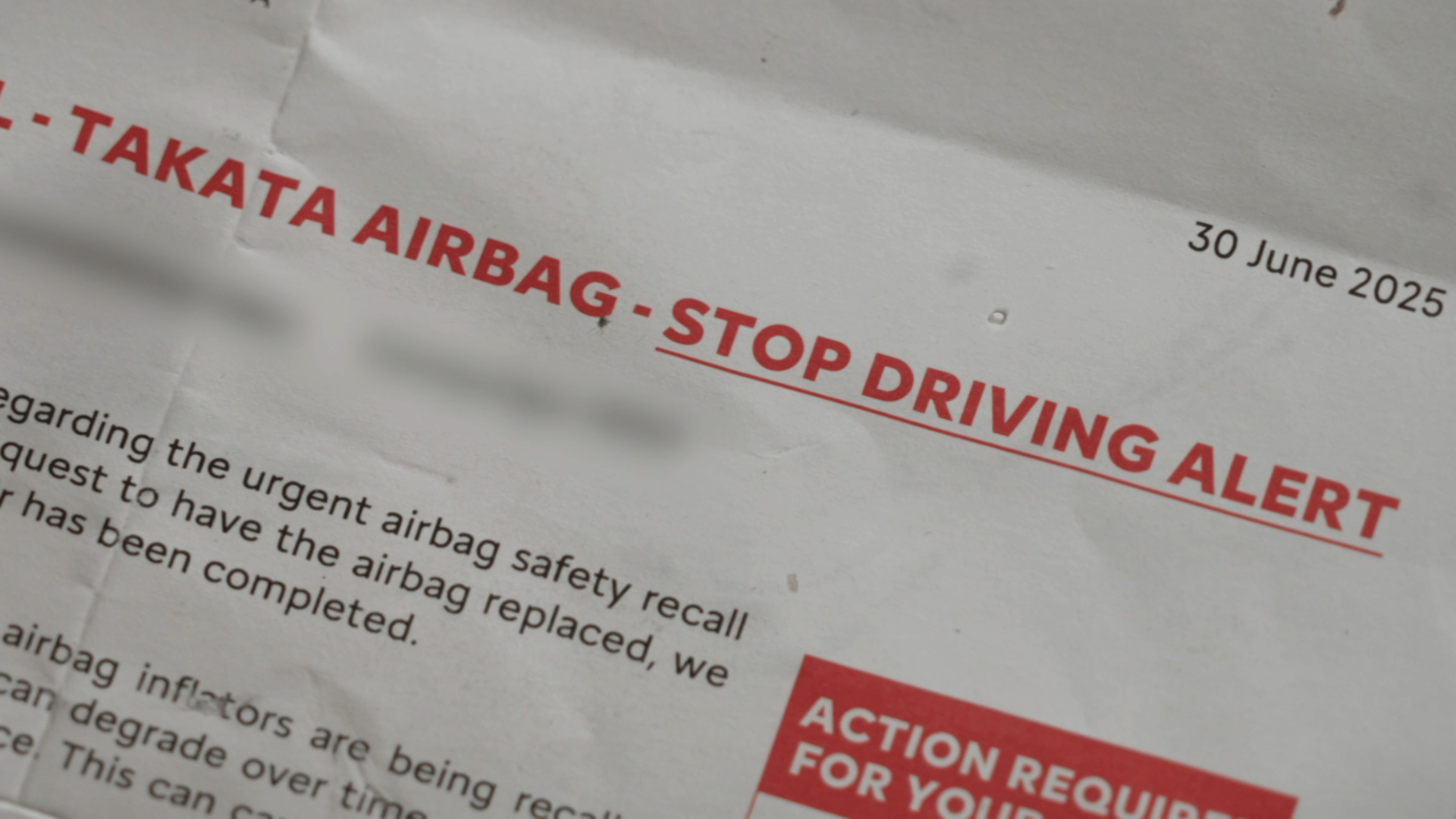
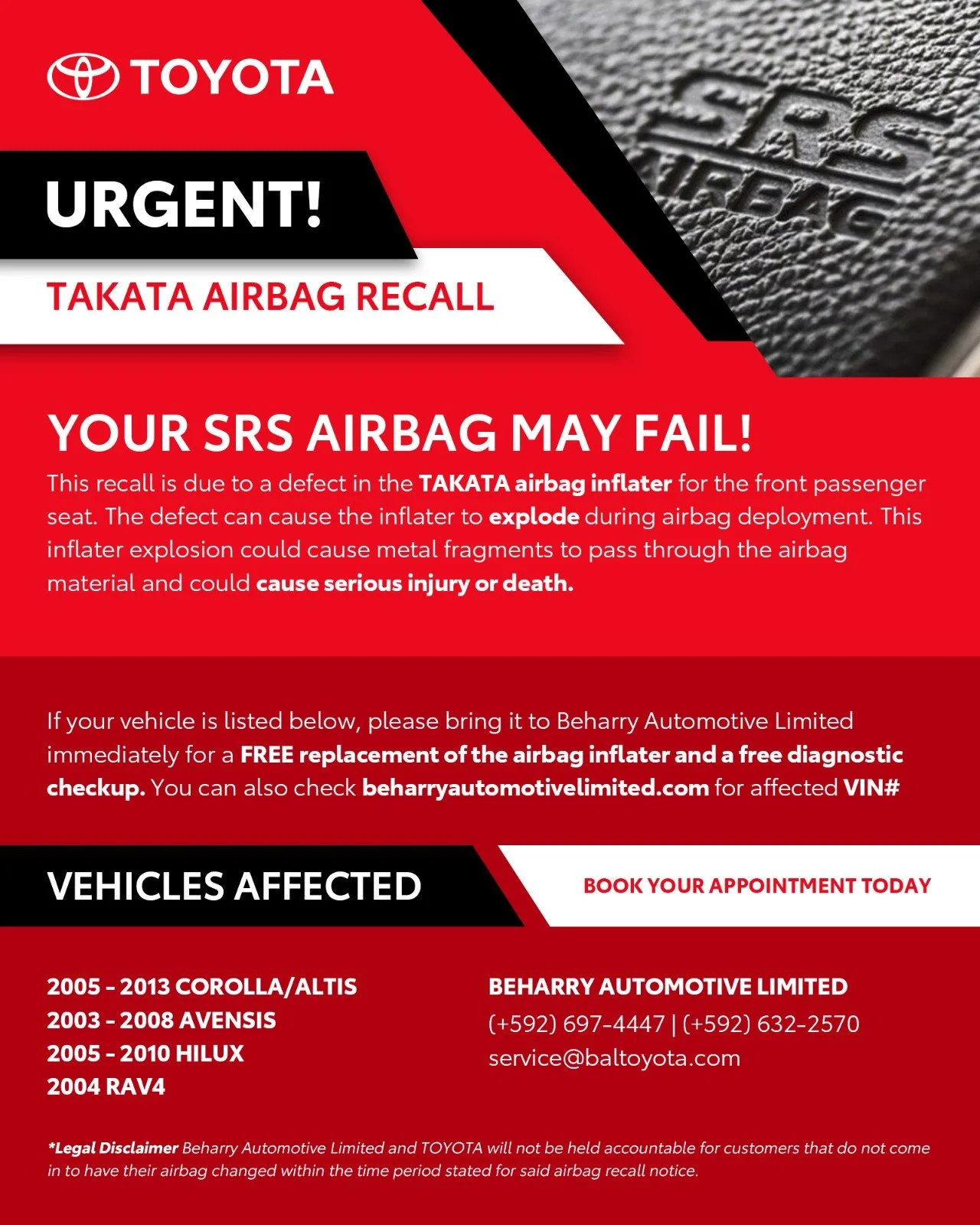
The most widespread automotive safety campaign in history involves defective Takata airbag inflators. These systems used non-desiccated ammonium nitrate as a propellant. Over time, exposure to environmental heat and high humidity causes this chemical compound to break down. When triggered during an accident, the degraded propellant burns too rapidly, over-pressurizing the metal inflator canister and causing it to rupture. This explosion showers vehicle occupants with razor-sharp metal shrapnel, resulting in severe injuries or fatalities.
Checking your vehicle's airbag recall status is not a routine maintenance task; it is a critical safety verification. Vehicle safety recalls remain active until the designated repair is completed by an authorized dealer. Because recalls follow the vehicle rather than the owner, millions of used cars change hands every year with unrepaired, dangerous safety defects hidden from the buyer.
How to Check Your Vehicle's Airbag Recall Status
Determining your airbag recall status requires only a few minutes and your vehicle's unique identifier. Follow these sequential steps to retrieve an accurate safety report.
Step 1: Locate Your 17-Character Vehicle Identification Number (VIN)
Your VIN is a unique 17-character alphanumeric code assigned to your vehicle at manufacture. To avoid search errors, locate the code directly on the vehicle or official ownership documents:
- Dashboard Corner: Stand outside the driver’s side of the car and look through the bottom corner of the windshield where the dashboard meets the glass.
- Driver’s Door Pillar: Open the driver-side door and locate the safety certification label attached to the door jamb or post.
- Official Documents: Check your vehicle registration card, vehicle title, or auto insurance policy papers.
Step 2: Access an Official Recall Lookup Tool
Once you have your VIN, query an authoritative safety database. Do not rely on unverified third-party websites that may display outdated information or charge unnecessary fees.
- United States: Use the National Highway Traffic Safety Administration tool at NHTSA Recalls Database or the official recall lookup page of your vehicle's manufacturer (such as Honda, Toyota, Ford, General Motors, or BMW).
- Canada: Query the Transport Canada Motor Vehicle Safety Recalls Database.
- United Kingdom: Check the DVSA vehicle recall service.
Step 3: Enter the VIN and Review the Results
Type your 17-character VIN into the search portal. Ensure that you do not confuse the letter "I" with the number "1" or the letter "O" with the number "0" (standard VINs never include the letters I, O, or Q to prevent this confusion). Submit the query to generate a complete report of all open safety recalls associated with your specific vehicle.
Key Differences in Airbag Recall Status Classifications
When reviewing your vehicle's recall report, the system will display a specific status classification. Understanding these designations ensures you take the appropriate corrective action immediately.
| Status Designation | Definition & System Meaning | Immediate Action Required | Repair Cost to Owner |
|---|---|---|---|
| Open / Incomplete | A safety recall has been issued for the vehicle, but official manufacturer records show the repair has not been completed. | Contact an authorized dealership immediately to schedule a free repair appointment. | $0 (Free by Law) |
| Remedy Not Yet Available | A safety recall has been identified, but the manufacturer is still manufacturing or distributing replacement components. | Register your contact details with the manufacturer or dealer to receive priority scheduling once parts arrive. | $0 (Free by Law) |
| Do Not Drive | An extreme safety risk has been identified where airbag deployment poses an immediate threat of severe injury or fatality. | Stop driving the vehicle immediately. Request free dealership towing or mobile repair service. | $0 (Free by Law) |
| Closed / Complete | The recall repair was previously performed by an authorized dealership and logged in the central database. | No further action is required for the specific recall campaign listed. | $0 |
Major Airbag Recalls Affecting Global Vehicles
Airbag recalls encompass several distinct manufacturing and design challenges across multiple global automakers. Identifying which campaign affects your vehicle provides context regarding the specific safety risk.
Takata Phase-Stabilized and Non-Desiccated Inflators
The Takata recall remains the largest safety campaign in automotive history, spanning tens of millions of vehicles globally across brands including Honda, Acura, Toyota, Lexus, Ford, Lincoln, Chevrolet, GMC, BMW, Nissan, Subaru, and Mazda. Vehicles located in high-temperature, high-humidity environments (such as the southern coastal regions of the United States) face the highest accelerated risk of inflator rupture. Automakers have issued urgent "Do Not Drive" warnings for specific older model-year vehicles equipped with high-risk "Alpha" inflators, which exhibit failure rates as high as 50 percent upon deployment.
ARC Automotive Inflators
In addition to Takata, automotive safety regulators have scrutinized airbag inflators produced by ARC Automotive. These inflators use a hybrid design combining pressurized gas and solid propellant. Investigations identified manufacturing defects where welding slag or debris can block the gas exit port during deployment, causing the inflator to over-pressurize and burst, sending metal fragments into the cabin. Major manufacturers, including General Motors, Hyundai, Kia, and BMW, have issued targeted recalls for vehicles equipped with ARC inflator modules.
Occupant Classification System (OCS) and Electronics Software
Not all airbag recalls involve physical inflator ruptures. Many safety recalls stem from electronic defects within the Occupant Classification System (OCS). The OCS uses sensors embedded in the passenger seat to detect the weight and presence of an occupant, disabling the passenger airbag if a child seat is detected or if the seat is empty. Software errors, wiring harness short circuits, or faulty sensor mats can cause the system to misclassify adult passengers, turning off the airbag during a collision or deploying it unexpectedly when an infant seat is installed.
What to Do If Your Airbag Recall Status Shows an Active Warning
If your VIN query reveals an open airbag recall or a "Do Not Drive" warning, follow these immediate operational protocols to secure repairs without out-of-pocket expenses.
1. Contact an Authorized Franchised Dealership
Under federal safety laws, such as the National Traffic and Motor Vehicle Safety Act in the United States, independent repair shops cannot perform warranty recall work at government or manufacturer expense. You must bring the vehicle to an authorized dealership representing your vehicle’s brand. The dealership must repair the defect without charging for labor, diagnostic scans, or replacement parts.
2. Request Transportation Assistance for High-Risk Recalls
If your vehicle's status is designated as "Do Not Drive," do not risk driving the car to the service facility. Contact your local dealership or the manufacturer’s customer assistance center to request alternative arrangements:
- Towing Services: Most automakers provide complimentary flatbed towing to transport affected vehicles directly from your residence to the dealership service bay.
- Mobile Repair Services: In select areas, manufacturers dispatch certified mobile technicians equipped to replace defective airbag inflators directly in your driveway or parking location.
- Loaner Vehicles: Automakers often provide free loaner vehicles or rental car reimbursements while your vehicle awaits repair parts.
3. Manage Backordered Components
During major recall campaigns, replacement part supply chains can experience delays. If a dealership informs you that an airbag module is on backorder:
- Request that your vehicle's VIN be placed on the manufacturer's priority reservation queue.
- Ask the dealership service director for a complimentary loaner car or rental coverage until the safety repair is finalized.
- Obtain a written work order confirming that the recall repair request was logged while parts remain pending.
Airbag Recalls and Used Vehicle Transactions
Unrepaired safety recalls create complex risks and legal considerations within the pre-owned vehicle marketplace.
- Vehicle Seller / Private Owner
- Runs VIN Check on Safety Portal
- Open Recall
- Schedule Free Dealer Repair
- Complete Repair & Update Record
- Safe Vehicle Transfer
- Complete Repair & Update Record
- Schedule Free Dealer Repair
- Clear Status
- Proceed with Sale
- Open Recall
- Runs VIN Check on Safety Portal
Buying a Used Car
Federal laws do not prohibit private individuals from selling used cars with open safety recalls. Consequently, pre-owned buyers must independently verify the airbag recall status of any used vehicle before completing a purchase. Request the vehicle's VIN from the seller and run an online query. If an open recall exists, insist that the seller have the free repair performed at a dealership prior to closing the sale, or schedule the appointment immediately after taking ownership.
Dealership and Dealer Compliance
While private sales face limited regulatory restrictions, franchised automotive dealers face strict legal mandates. In many jurisdictions, franchised dealers are legally barred from delivering new vehicles with open safety recalls. While federal rules regarding used car dealers vary, major CPO (Certified Pre-Owned) programs require dealerships to clear all open recall statuses before certifying a vehicle for sale.
Frequently Asked Questions
How long does it take for an airbag recall status to update after repair?
After an authorized dealership completes an airbag recall repair, the service department submits proof of completion to the manufacturer. The manufacturer then updates its central database and transmits the records to regulatory portals like NHTSA. This process typically takes between one to four weeks. Keep your paper repair invoice from the dealership as immediate proof of completion.
Does an open airbag recall cost money to fix at a dealership?
No. Federal safety regulations mandate that manufacturers provide all replacement parts and dealer labor required to fix an open safety recall free of charge to the vehicle owner. If a dealership attempts to charge you for recall-related repairs or forces you to purchase unnecessary services to complete the recall, report the facility to the manufacturer's corporate office and national safety regulators.
What should I do if a dealership refuses to perform an airbag recall repair?
If an authorized franchised dealership refuses to perform an open recall repair, delays service indefinitely, or attempts to charge a fee, contact the vehicle manufacturer's national customer care line immediately. Automakers exercise strict operational oversight over their franchised dealer networks. Alternatively, file a formal safety complaint with national regulatory authorities such as the NHTSA Office of Defects Investigation.
Why does my vehicle model appear in recall news, but my VIN shows no open recalls?
Recall announcements often list broad model years and vehicle lines, but specific vehicles within those production runs may not contain the defective component. Differences in vehicle trim levels, manufacturing assembly plants, option packages, or production dates determine whether a specific VIN requires repair. If your VIN query returns no open recalls, your vehicle was either not equipped with the affected component or the recall was already completed by a previous owner.
Can I pass a state vehicle safety inspection with an open airbag recall?
Inspection rules vary by jurisdiction. While an illuminated airbag warning light (SRS light) will trigger an automatic vehicle inspection failure in most regions, an open recall status alone may not prevent state registration renewal unless specific legislation applies. However, operating a vehicle with an active, unaddressed airbag recall exposes occupants to severe safety risks regardless of local inspection laws.
Next Steps: Verify Your VIN and Schedule Emergency Repairs
Checking your airbag recall status is a straightforward process that protects you and your passengers from severe safety risks. Take immediate action by following these guidelines:
- Check Your VIN Today: Retrieve your 17-character VIN and input it into official safety recall portals at NHTSA Recalls Database or your vehicle manufacturer’s dedicated service portal.
- Contact an Authorized Dealer: If your search uncovers an open recall, contact your nearest brand dealership to reserve replacement components and book a free service appointment.
- Address Urgent Warnings Immediately: If your vehicle is subject to a "Do Not Drive" warning, discontinue operating the car and request complimentary flatbed towing or mobile repair services directly through the manufacturer.
- Maintain Documentation: Keep all service receipts and repair documentation in your vehicle glovebox to preserve your car's safety records and resale value.