Air signs (Gemini, Libra, Aquarius) operate through the realm of intellect, logic, objective analysis, and social communication. In contrast, Water signs (Cancer, Scorpio, Pisces) experience the world through emotion, intuition, subconscious depth, and relational empathy. While Air intellectualizes experiences to understand them, Water feels experiences to process them, creating a fundamental contrast in how both elemental groups navigate life.
The Elemental Foundations: Mind vs. Feeling
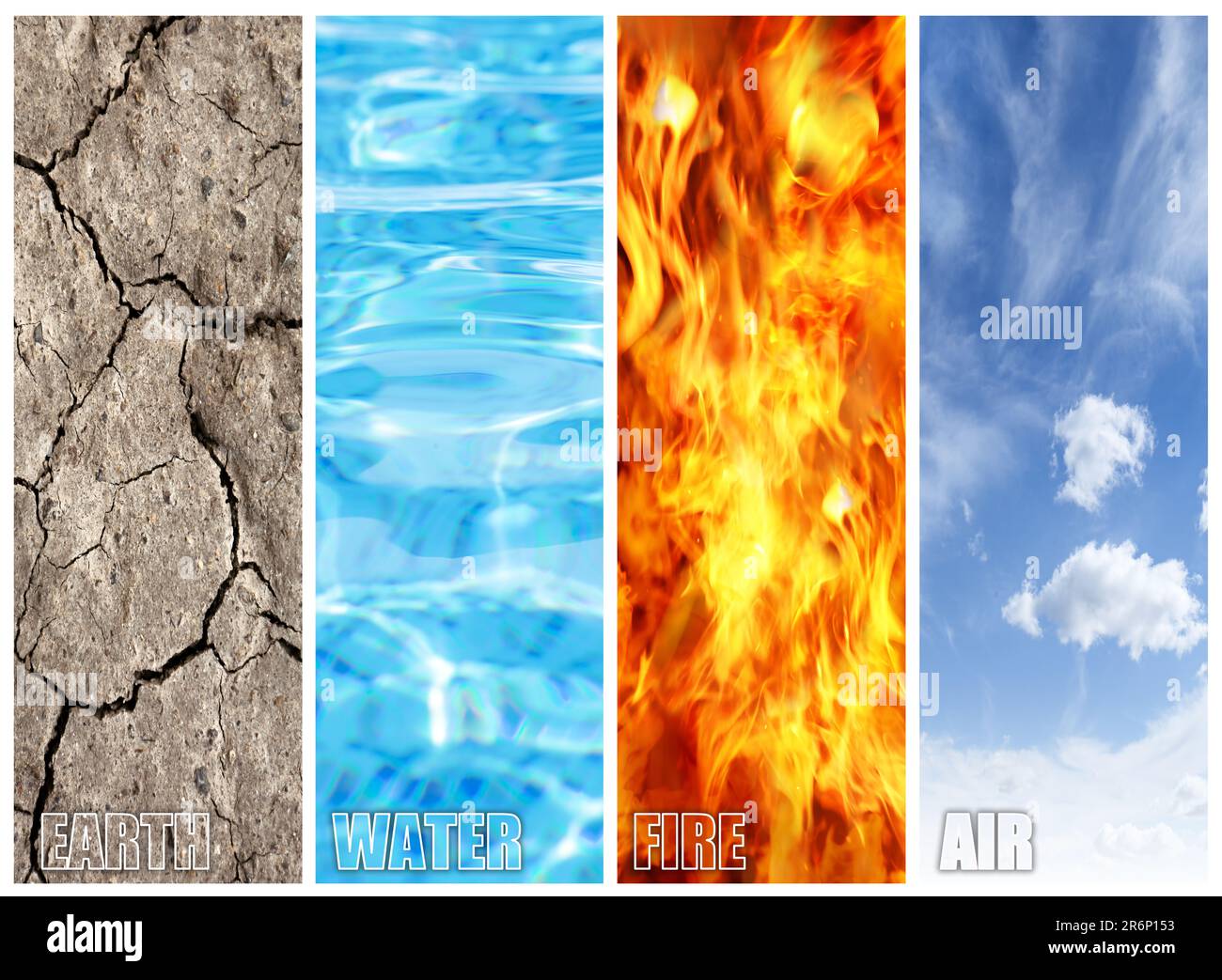
In Western astrological tradition, the twelve zodiac signs are divided into four fundamental elements: Fire, Earth, Air, and Water. Each element represents a distinct psychological orientation, energy type, and perceptual lens. The contrast between Air and Water highlights one of the most prominent polarities in natal astrology: the division between the rational mind and the emotional psyche.
Astrological Air is traditionally classified as an active, externalizing, and objective element. Historically aligned with the classical temperament of sanguinity and the Jungian cognitive function of Thinking, Air concerns itself with concepts, systems, perspectives, and information exchange. It seeks to observe the world from a neutral distance, categorizing experiences into logical frameworks. Air signs prioritize clarity, verbal expression, social dynamics, and ideological principles.
Astrological Water, conversely, is classified as a receptive, internalizing, and subjective element. Associated with the phlegmatic temperament and the Jungian function of Feeling (or deep intuitive sensing), Water processes life through sentiment, visceral instinct, and emotional resonance. Water signs do not view the world as a set of logical equations to be solved; instead, they experience reality as a tapestry of felt impressions, relational bonds, and subtle energetic currents.
| Astrological Dimension | Air Signs (Gemini, Libra, Aquarius) | Water Signs (Cancer, Scorpio, Pisces) |
|---|---|---|
| Dominant Realm | Intellect, logic, ideas, social systems | Emotions, intuition, subconscious, empathy |
| Primary Triplicity | Gemini (Mutable), Libra (Cardinal), Aquarius (Fixed) | Cancer (Cardinal), Scorpio (Fixed), Pisces (Mutable) |
| Cognitive Approach | Objective, analytical, perspective-driven | Subjective, instinctual, absorption-driven |
| Communication Style | Verbal, articulate, linear, conceptual | Non-verbal, atmospheric, symbolic, sentimental |
| Core Need | Mental stimulation, freedom, clarity | Emotional security, deep intimacy, trust |
| Stress Response | Intellectual detachment, overthinking, rationalization | Emotional withdrawal, mood shifts, self-protection |
| Shadow Aspect | Superficiality, cold disinterest, emotional avoidance | Enmeshment, projection, emotional manipulation |
Profiles of the Air Signs: Gemini, Libra, and Aquarius
Air signs share a primary drive toward conceptualization and connection, but each expresses this elemental quality through a different modality (Cardinal, Fixed, or Mutable) and planetary ruler.
Gemini (Mutable Air)
Ruled by Mercury, Gemini represents the first emergence of the Air element in the zodiacal wheel. As a Mutable sign, Gemini focuses on gathering, synthesizing, and transmitting data. Its primary orientation is curiosity and mental agility. Gemini processes reality by breaking down information into digestible pieces, exploring multiple perspectives, and engaging in continuous dialogue. The psychological drive of Gemini is to stay mentally adaptable, though this can sometimes manifest as scattered focus or a preference for breath over depth.
Libra (Cardinal Air)
Ruled by Venus, Libra applies the Air element to interpersonal relationships, ethics, and aesthetics. As a Cardinal sign, Libra initiates action through negotiation, social balance, and diplomatic frameworks. Rather than gathering raw data like Gemini, Libra evaluates relationship dynamics, striving for harmony, fairness, and structural symmetry. Libra experiences the world by contrasting opposing viewpoints to find an objective middle ground, which can lead to decision paralysis or an over-reliance on external consensus.
Aquarius (Fixed Air)
Traditionally ruled by Saturn (and modernly associated with Uranus), Aquarius operates as Fixed Air, representing systems-level thinking, collective ideals, and innovative theory. Aquarius takes the conceptual nature of Air and constructs enduring intellectual frameworks, social philosophies, or technological visions. It is the most objective and detached of the Air signs, often prioritizing the welfare of the collective over individual emotional nuances. While remarkably progressive and principled, Fixed Air can become dogmatic in its ideas and reluctant to shift established views.
Profiles of the Water Signs: Cancer, Scorpio, and Pisces
Water signs share a common focus on emotional processing, intuition, and psychological depth, but their modal differences shape how they manage emotional energy.
Cancer (Cardinal Water)
Ruled by the Moon, Cancer initiates the Water element through protective instincts, emotional bonding, and the establishment of psychological safety. As a Cardinal sign, Cancer actively creates environments where vulnerability and nurturance can thrive. Cancer's perceptual lens is tied to memory, family roots, and internal moods. It responds to external stimuli by assessing whether a situation is emotionally safe, using a protective exterior to guard its vulnerable core.
Scorpio (Fixed Water)
Traditionally ruled by Mars (and modernly associated with Pluto), Scorpio represents the deep, concentrated power of Fixed Water. Scorpio focuses on emotional truth, psychological transformation, power dynamics, and shared resources. Rather than seeking gentle comfort, Scorpio dives into the hidden, taboo, or intense dimensions of human experience. It demands absolute authenticity and trust in relationships. Scorpio's protective mechanism is vigilant self-containment, which can manifest as secrecy, suspicion, or intense emotional control.
Pisces (Mutable Water)
Traditionally ruled by Jupiter (and modernly associated with Neptune), Pisces functions as Mutable Water, representing the boundless ocean of human consciousness, imagination, and universal empathy. Pisces dissolves rigid boundaries between the self and others, absorbing atmospheric emotions effortlessly. As the final sign of the zodiac, Pisces expresses Water through compassion, artistic symbolism, and spiritual integration. However, this high level of permeability can lead to emotional exhaustion, escapism, or difficulty maintaining personal boundaries.
Interpersonal Dynamics: How Air and Water Relate
When Air and Water signs interact in personal, romantic, or professional environments, their contrasting psychological modes create distinct patterns of harmony and tension.
- AIR & WATER DYNAMIC
- AIR SIGN (Logic / Intellect)
- Explains feelings linearly
- Desires objective clarity
- Analyzes the situation
- WATER SIGN (Emotion)
- Senses underlying atmosphere
- Desires empathetic resonance
- Feels the situation
- AIR SIGN (Logic / Intellect)
The Communication Gap: Rationalization vs. Sensing
The primary challenge in an Air-Water dynamic lies in translation. Air signs communicate through articulate language, objective logic, and step-by-step reasoning. When faced with a conflict, an Air sign instinctively steps back to analyze why the issue occurred and proposes logical solutions.
Water signs, by contrast, communicate through emotional nuance, tone, body language, and felt presence. When stressed, a Water sign requires empathetic validation before engaging in logical problem-solving. If an Air sign responds to a Water sign’s emotional distress with immediate logic or intellectual minimization, the Water sign may feel invalidated or misunderstood. Conversely, if a Water sign responds to an Air sign's logical query with intense, non-linear emotional reactions, the Air sign may become overwhelmed, detached, or frustrated by the lack of clear structure.
The Complementary Potential: Perspective Meets Depth
Despite their differences, Air and Water signs offer vital balancing forces for one another:
- How Air Helps Water: Air provides Water with psychological distance, objective perspective, and verbal tools. Water signs can easily become consumed by intense feelings or mood cycles. An Air placement can help a Water sign articulate complex emotions, identify irrational assumptions, and contextualize personal struggles within a broader framework.
- How Water Helps Air: Water brings depth, emotional intelligence, and somatic awareness to Air's conceptual world. Air signs can easily become disconnected from their physical bodies and deeper sentiments, living entirely "in their heads." A Water placement teaches Air to honor unarticulated instincts, process implicit grief or joy, and connect with others on a genuine, heartfelt level.
Conflict Resolution and Communication Strategies
To navigate the natural friction between intellectual Air and emotional Water, individuals can apply targeted strategies depending on their dominant element.
For Air Signs Interacting with Water Signs
- Validate Before Analyzing: Resist the urge to immediately fix or logically deconstruct a problem. Acknowledge the Water sign’s emotional state first using explicit, supportive language.
- Listen to Non-Verbal Signals: Pay attention to shift in tone, body language, and silences. Water signs often convey their primary message through atmospheric cues rather than direct verbal statements.
- Allow Processing Time: Do not demand an immediate, perfectly articulated explanation of an emotional reaction. Give the Water sign space to feel through the experience before asking for a logical debrief.
For Water Signs Interacting with Air Signs
- State Needs Directly: Air signs struggle with implicit expectations or hints. Express needs, boundaries, and requests using clear, explicit language rather than expecting them to intuit your state.
- Distinguish Analysis from Coldness: Recognize that when an Air sign offers logic, it is usually their native method of attempting to help and care, not an attempt to dismiss your feelings.
- Grant Mental Space: Air signs require intellectual autonomy and periods of social or mental detachment to reset. Avoid interpreting their need for cognitive breathing room as emotional abandonment.
Frequently Asked Questions
Are Air and Water signs compatible in astrological synastry?
Yes, Air and Water signs can form highly productive and deeply fulfilling relationships, though they require conscious effort to bridge their communication styles. While they do not share the same natural elemental fluidity as Air-Fire or Water-Earth pairings, their differences allow for rich mutual growth. Air gains emotional depth and instinctual sensitivity, while Water gains clarity, cognitive space, and intellectual objectivity.
Why do Air signs often seem emotionally distant to Water signs?
Air signs rely on cognitive detachment to evaluate information objectively. When uncomfortable or overwhelmed, Air signs naturally retreat into their minds to process the situation logically. To a Water sign—who processes safety through emotional connection and shared feeling—this intellectual retreat can feel cold, dismissive, or emotionally absent, even when the Air sign is simply trying to understand what is happening.
How do Air and Water signs process stress differently?
Air signs process stress by seeking more information, discussing the issue verbally, or analyzing cause-and-effect patterns; when overloaded, they may experience anxiety, rapid overthinking, or complete mental disengagement. Water signs process stress through internal mood shifts, emotional release, or intuitive retreat; when overloaded, they may withdraw into self-protective solitude, exhibit strong emotional boundary changes, or react from deep-seated instinct.
Can a natal chart have a balance of both Air and Water elements?
Yes, many personal natal charts feature significant placements in both Air and Water signs. For example, an individual might have a Sun in Gemini (Air) alongside a Moon in Cancer (Water). People with prominent Air-Water combinations often possess strong psychological insight, combining articulate verbal intelligence with deep empathetic awareness. Their primary lifelong task is learning to honor both their analytical mind and their emotional gut instincts without letting one invalidate the other.
Which element is more decisive in long-term planning: Air or Water?
Decisiveness depends more on a sign's modality (Cardinal, Fixed, or Mutable) than its element alone. However, Cardinal Air (Libra) and Fixed Air (Aquarius) make long-term plans based on structural logic, strategic goals, and social principles. Cardinal Water (Cancer) and Fixed Water (Scorpio) make long-term plans based on emotional security, intuitive trust, and core values. Neither element is inherently "more" decisive; Air decides through analytical assessment, whereas Water decides through internal emotional alignment.
Integrating Air and Water Placements in Personal Development
Understanding the fundamental divide between Air and Water provides a practical framework for self-awareness and interpersonal growth. If your chart or personal disposition leans heavily toward Air, your development path involves cultivating emotional presence, recognizing that not every feeling requires a rational explanation, and staying connected to somatic experience. If your chart leans heavily toward Water, your path involves developing clear boundary language, practicing objective self-observation, and learning to articulate your inner emotional landscape with cognitive clarity.
To assess your personal elemental balance:
- Examine your complete natal chart for the distribution of planets across Gemini, Libra, Aquarius (Air) versus Cancer, Scorpio, Pisces (Water).
- Note where your Sun, Moon, and Ascendant fall, as these core placements dictate your baseline perceptual orientation.
- Practice conscious integration by pairing emotional check-ins (Water) with structured journaling or verbal processing (Air) to ensure both your heart and mind are active participants in your decision-making.