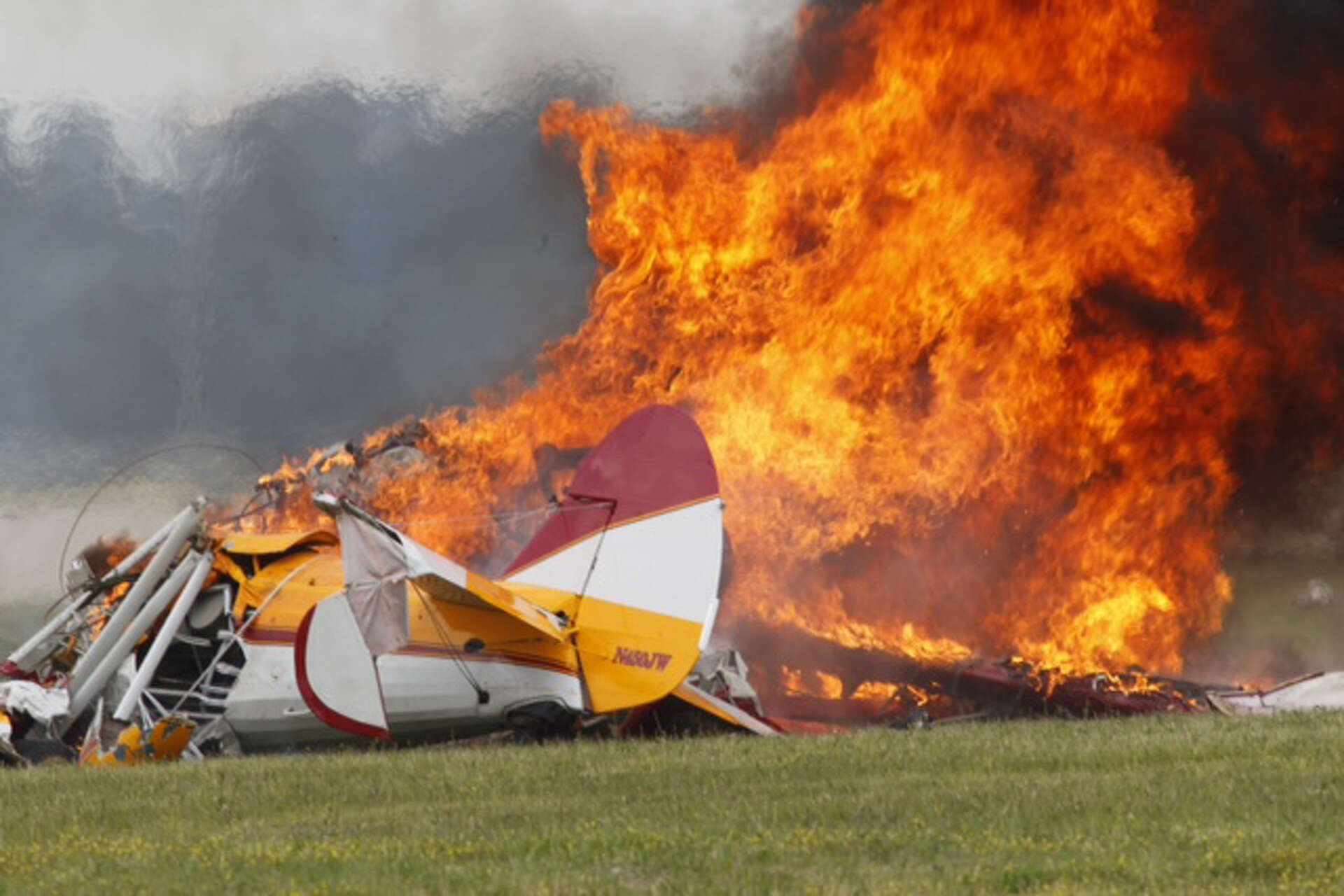
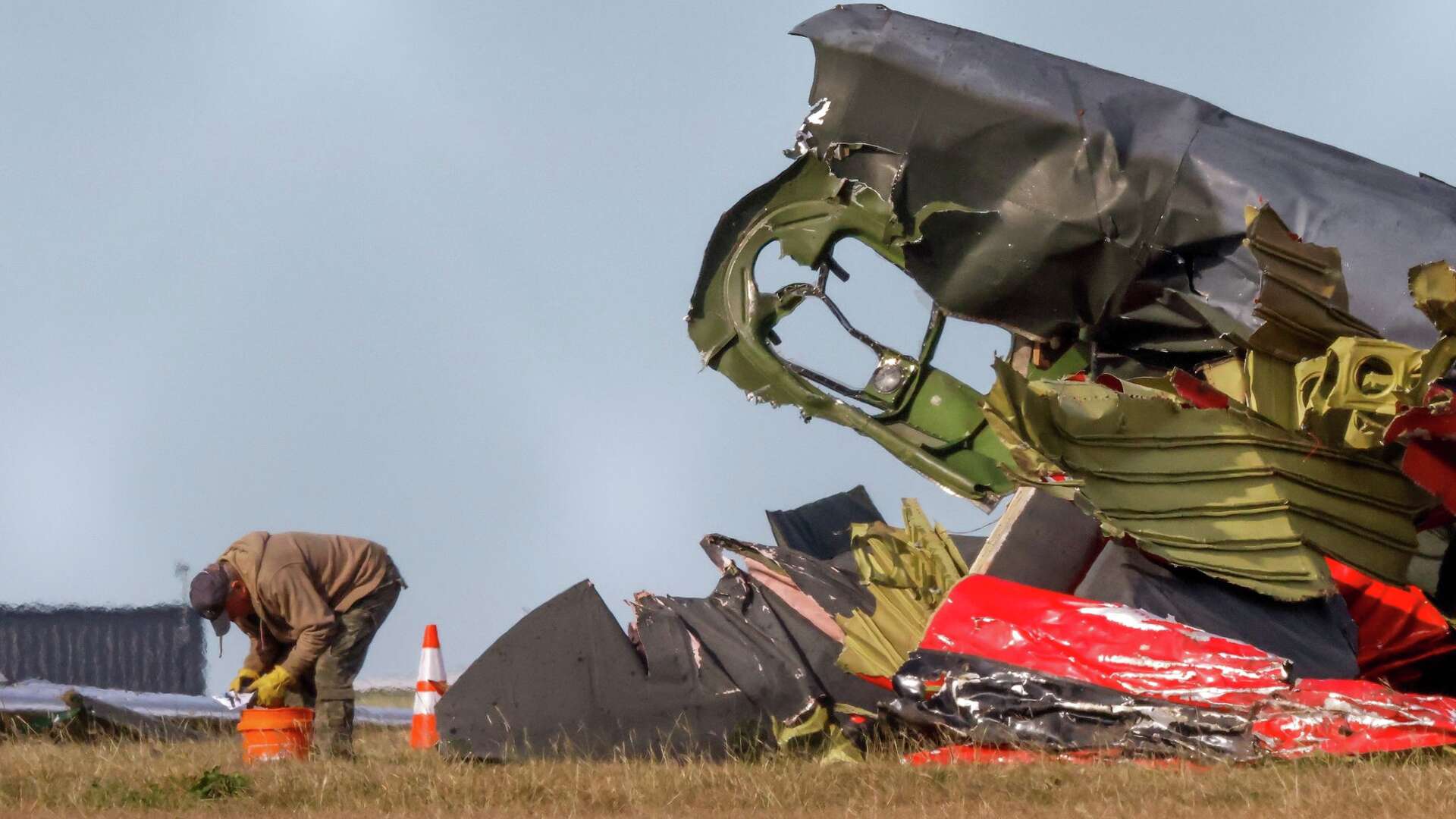
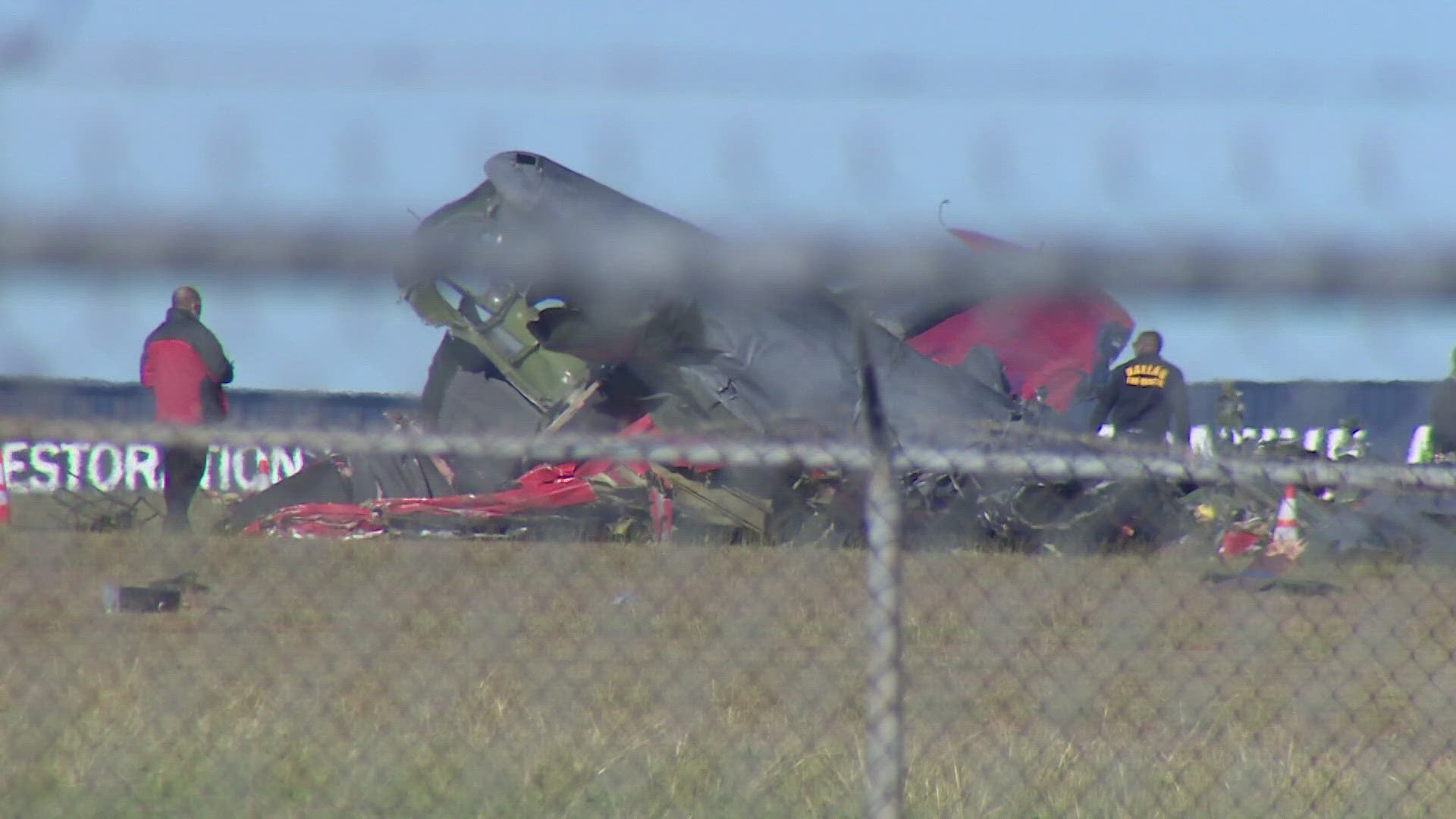
Understanding plane crashes at air show events requires evaluating the intersection of extreme maneuver dynamics, low-altitude flight boundaries, and human performance limits. Air show accidents primarily stem from loss of control, energy depletion, mechanical failure, or G-induced loss of consciousness. Modern safety frameworks mitigate these risks through strict aerobatic box parameters, spectator setback distances, and rigorous pilot certification.
The Mechanics of Aerobatic Hazards: Why Air Show Displays Present Unique Risks
Air show performances push aircraft and aviators to the structural and physiological limits of flight. Unlike commercial aviation, which operates with wide safety margins at high altitudes, aerobatic displays occur within a restricted spatial envelope known as the aerobatic box. This low-altitude environment severely reduces the time and altitude available to recover from an operational anomaly or unexpected system failure.
Aerobatic Display Box Structure:
- Upper Altitude Boundary
- Performance Zone (Loop tops, rolls)
- Hard Maneuver Floor
- Emergency Recovery
- Minimum Altitude Limit
- Crowd Line
- Spectators
- Safety Buffer Zone
- Active Runway / Show Center
In standard flight, pilots convert altitude into airspeed—a process known as trading potential energy for kinetic energy—to recover from aerodynamic stalls or unusual attitudes. In low-altitude aerobatics, that buffer is minimal or non-existent. A maneuver initiated just fifty feet too low or with a ten-knot deficit in entry airspeed can shift an aircraft from a controlled maneuver into an unrecoverable flight path before the crew can recognize and correct the deviation.
Furthermore, high-performance aerobatics generate extreme G-forces. Rapid transitions between positive and negative G-loads strain both the airframe and the pilot's cardiovascular system. The physical environment of an air show leaves zero margin for miscalculation, making even minor human errors or mechanical flaws exponentially more hazardous than in routine cross-country or commercial flights.
Primary Causes of Air Show Accidents: Mechanical, Environmental, and Human Factors
Determining why an air show crash occurs requires investigating three principal domains: pilot physiology and decision-making, mechanical integrity under load, and atmospheric conditions.
Human Performance and Aeromedical Limitations
Human factors remain a leading contributing cause in low-altitude flight accidents. Aerobatic maneuvers induce rapid acceleration forces that disrupt normal blood flow.
- G-Induced Loss of Consciousness (G-LOC): When an aircraft pulls high positive G-forces, blood is forced away from the brain toward the lower extremities. If the pilot's anti-G straining maneuver fails or physiological limits are exceeded, visual field narrowing (tunnel vision) rapidly progresses to a blackout and complete loss of consciousness.
- Spatial Disorientation: Maneuvering against a featureless sky, looking upside down, or rapidly rolling near the ground can confuse the vestibular system in the inner ear. When visual cues conflict with physical perception, a pilot may misjudge their attitude relative to the horizon.
- Cognitive Overload and Energy Mismanagement: Performing complex routines requires precise timing. If a pilot falls behind the aircraft's energy state—failing to maintain adequate airspeed at the apex of a vertical maneuver—the aircraft can enter an aggravated stall or spin with insufficient altitude for recovery.
Mechanical Failures and Structural Fatigue
Aerobatic aircraft endure severe cyclic stress that accelerates material fatigue. Components operating near maximum design limits are vulnerable to sudden failure:
- Flight Control Linkage Failure: Disconnection or binding in aileron, elevator, or rudder control mechanisms prevents the pilot from altering the aircraft’s trajectory during critical maneuvers.
- Structural Fatigue and Delamination: Continuous exposure to high G-loads can induce micro-cracks in metal spars or delamination in composite structures, potentially leading to catastrophic wing or stabilizer separation.
- Engine Failures During Inverted Flight: Sustained inverted flight requires specialized fuel and oil systems (such as inverted oil sumps and header tanks). Fuel starvation or oil pressure loss during inverted passes can cause immediate engine failure at low altitude.
Environmental Influences and Microclimates
Local weather conditions at an airfield can degrade aircraft performance. High density altitude—caused by high temperature, high elevation, or high humidity—reduces engine power output and aerodynamic lift. Crosswinds, thermal updrafts from hot runway surfaces, and microbursts introduce sudden wind shear that can displace an aircraft from its intended flight line into hazardous terrain or spectator boundaries.
Evolution of Spectator Safety Regulations and Crowd Line Standards
Historical air show tragedies have reshaped civil aviation regulations worldwide. Safety regulators constantly re-evaluate display geometry, minimum display altitudes, and crowd setback rules to prevent falling debris or crashing aircraft from impacting spectator zones.
Historical Safety Evolution:
- Ramstein (1988)
- Banned vectoring toward spectators
- Established mandatory crowd buffer zones
- Reno Races (2011)
- Structural inspection requirements updated
- Setback distances for high-speed tracks
- Shoreham (2015)
- Strict energy/altitude limits over land
- Mandatory risk audits for vintage jets
Key Historical Milestones in Air Show Safety
The 1988 Ramstein air display crash in Germany, where three aircraft collided mid-air and crashed into the crowd line, marked a major turning point. The event prompted international regulatory bodies to ban flight maneuvers directed straight toward spectator seating and established mandatory minimum buffer zones between the show line and the public.
In 2011, the Reno Air Races crash highlighted the vulnerability of high-speed aircraft to structural hardware failure when a trim tab detached from a modified P-51 Mustang, causing an instantaneous high-G pitch-up that incapacitated the pilot. This event led to enhanced telemetry requirements, stricter modification reviews, and expanded spectator setbacks.
The 2015 Shoreham Airshow crash in the United Kingdom involved a vintage jet aircraft failing to complete a loop, impacting a public highway outside the airport perimeter. This tragedy led the UK Civil Aviation Authority (CAA) to update its CAP 403 safety standards, introducing tighter restrictions on high-energy vintage jet displays over land and expanding risk assessment requirements for event organizers.
Modern Regulatory Standards: FAA and CAA Frameworks
In the United States, the Federal Aviation Administration (FAA) governs air shows under Special Federal Aviation Regulations and FAA Order 8900.1. Regulatory frameworks enforce three primary defensive boundaries:
- The Primary Display Line: An imaginary line parallel to the crowd line that aircraft must not cross while performing aerobatics.
- Crowd Line Setback Distances: Minimum distance requirements dictated by aircraft speed and maneuver type. High-speed jet displays typically require a minimum 1,500-foot setback from the spectator line, while slower light aerobatic aircraft operate with smaller, tightly monitored buffers.
- The Aerobatic Box: A defined block of airspace with strict floor limits (e.g., 200 feet, 500 feet, or 1,500 feet above ground level, depending on the pilot's authorization level) below which aerobatic maneuvers are legally prohibited.
Comparative Analysis of Primary Air Show Incident Vectors
The following table breaks down the primary mechanisms, operational drivers, regulatory preventatives, and relative margins for in-flight recovery associated with major air show incident types.
| Incident Vector | Primary Mechanism | Contributing Operational Factors | Primary Safety & Regulatory Mitigation | In-Flight Recovery Margin |
|---|---|---|---|---|
| G-LOC (Physiological Incapacitation) | Blood pooling away from brain due to high sustained +Gz loads. | Rapid G-onset rates, physical fatigue, inadequate straining maneuver. | Anti-G suits, mandatory physical health standards, high-G training. | Extremely Low (Requires rapid automated or physiological recovery before terrain impact). |
| Controlled Flight Into Terrain (CFIT) | Airframe fully functional; pilot misjudges vertical space or kinetic energy. | Spatial disorientation, miscalculated apex altitude during vertical loops. | Hard maneuver floor limits, mandatory altitude callouts, SAC card reviews. | Low to Moderate (Depends on early recognition at top of loop). |
| In-Flight Structural Failure | Separation of control surfaces, wings, or structural spars under load. | Cumulative metal fatigue, unrecorded over-G events, component wear. | Non-destructive testing (NDT), mandatory airframe fatigue life tracking. | Extremely Low (Often impossible without functional ejection system). |
| Engine / Propulsion Failure | Loss of thrust during low-altitude, high-angle-of-attack maneuvering. | Fuel starvation during inverted flight, bird strike, thermal stress. | Designated emergency forced-landing zones, inverted fuel system checks. | Moderate (If energy state permits glide to runway/clear area). |
| Mid-Air Collision | Spatial overlap of two or more airframes in formation or crossing displays. | Blind spots, miscommunicated timing, sightline loss during join-up. | Formation flight cards, standardized walk-through briefings, safety observers. | Variable (Depends on structural damage and control system integrity). |
How Air Accident Agencies Investigate Air Show Disasters
Investigating an air show crash requires a multi-faceted approach. Specialist agencies such as the National Transportation Safety Board (NTSB) in the United States or the Air Accidents Investigation Branch (AAIB) in the United Kingdom deploy multidisciplinary teams to re-create the sequence of events leading to an impact.
- Investigation Phase 1: Ground Evidence & Wreckage Documentation
- Investigation Phase 2: Telemetry, Photogrammetry & Video Synchronization
- Investigation Phase 3: Metallurgy, Engine Teardown & Flight Control Audit
- Investigation Phase 4: Autopsy, Toxicology & Human Factors Evaluation
- Final Report: Safety Recommendations & Regulatory Updates
Video Photogrammetry and Telemetry Analysis
Unlike remote general aviation crashes, air show incidents are usually captured by hundreds of high-resolution cameras from multiple angles. Investigators use multi-angle video photogrammetry to align video footage frame-by-frame with radar telemetry, engine audio frequency analysis, and weather data. By tracking the aircraft's position against known ground landmarks, investigators calculate exact speed, pitch attitude, roll rates, and G-loads throughout the final maneuver.
Metallurgical and Mechanical Diagnostics
The physical wreckage is transported to a secure facility for detailed teardown:
- Fracture Surface Analysis: Metallurgists examine broken structural components under scanning electron microscopes. Fatigue fractures exhibit characteristic "beach marks," distinguishing pre-existing structural cracking from instantaneous overload fractures caused by ground impact.
- Flight Control Continuity Checks: Cables, push-pull rods, and hydraulic actuators are mapped to determine whether control continuity was intact prior to impact.
- Engine Diagnostics: Internal engine components are inspected for rotational scoring. Severe rotational scarring on compressor blades indicates the engine was producing power upon impact, whereas clean or undamaged blades suggest an in-flight engine failure prior to collision.
Human Factors and Autopsy Findings
Medical examiners analyze pilot toxicology reports and physical injury patterns to evaluate physiological state. This evidence helps determine whether the pilot experienced a medical event, lost consciousness from G-LOC, or remained conscious and actively made control inputs up to the moment of impact.
Modern Risk Mitigation Strategies for Event Organizers and Performers
Maintaining high safety standards at public aviation events requires layered risk management (the "Swiss Cheese Model"), ensuring that if one safety layer fails, secondary safeguards prevent a catastrophic accident.
Safety Layers:
- Pilot Qualification (SAC Cards)
- Pre-Flight Briefing & Weather Check
- Airboss Operational Oversight
- Aerobatic Box & Setback Buffers
- On-Site Crash-Fire-Rescue (CFR)
Pilot Evaluation and Statement of Aerobatic Competency
Pilots performing aerobatics at public events must hold a valid Statement of Aerobatic Competency (SAC) card or international equivalent. Issued only after rigorous evaluations by peer evaluators, these cards detail the exact maneuvers, minimum low-altitude limits, and specific aircraft types the pilot is certified to fly in public displays.
Operational Airboss and Safety Briefings
The Airboss controls all air traffic and ground movements within the display airspace during a show. Prior to flight operations, the Airboss conducts a mandatory, comprehensive safety briefing covering weather minimums, display order, contingency abort points, and emergency runway procedures.
If a pilot violates an altitude floor or display line boundary, the Airboss can immediately terminate the routine over the radio.
Fire and Rescue Preparedness
Air show venues maintain on-site Crash-Fire-Rescue (CFR) teams stationed along the active runway. Trained specifically for rapid intervention on high-performance and military-grade aircraft, these emergency response units carry specialized rescue equipment to handle exotic composite materials, toxic hydrazine fuel systems, and active ejection seats.
Frequently Asked Questions
What is the primary cause of plane crashes at air show events?
The primary causes of air show plane crashes are human factors, including loss of control, energy mismanagement at low altitude, spatial disorientation, and G-induced loss of consciousness (G-LOC). Because maneuvers take place near the ground, pilots have minimal time and altitude to recover if an error occurs.
How close are spectators permitted to stand relative to aerobatic flight paths?
Spectator setback distances vary by aircraft speed, weight, and maneuver profile, but aviation regulators generally mandate minimum distances ranging from 500 feet for slow aircraft to 1,500 feet or more for high-speed jet displays. Aerobatic maneuvers directed toward the crowd line are strictly prohibited.
Why can't aerobatic pilots easily eject during a low-altitude air show emergency?
Many civilian aerobatic aircraft are not equipped with ejection seats due to weight, structural, and maintenance constraints. Even on military-grade aircraft fitted with zero-zero ejection seats, rapid roll rates, extreme dive angles, or negative vertical velocity at low altitude can place the aircraft outside safe ejection envelopes.
How did the 2015 Shoreham air show crash change global aviation safety standards?
The 2015 Shoreham crash led aviation authorities to update display regulations by requiring stricter risk assessments, increasing distance buffers between display lines and public areas outside airfields, and imposing tighter restrictions on low-altitude maneuvers for vintage jet aircraft.
Are vintage warbirds subjected to the same safety inspections as modern aerobatic aircraft?
Yes. Vintage warbirds must meet stringent airworthiness standards and undergo continuous structural inspections. Regulators often require specialized non-destructive testing on high-stress warbird components to detect hidden metal fatigue before aircraft are cleared for air show demonstrations.
Strategic Recommendations for Air Show Organizers and Safety Directors
To ensure compliance with global aviation safety standards and minimize risk during public flight demonstrations, event directors and operational teams should execute the following protocol checklist:
- Conduct Mandatory Safety Audits: Verify all performing pilots hold current Statement of Aerobatic Competency (SAC) cards with validated altitude endorsements specific to their aircraft type.
- Enforce Strict Aerobatic Box Setbacks: Map out primary display lines and crowd setbacks using precise GPS surveying tools, establishing clear visual landmarks for performing pilots to prevent display line penetrations.
- Establish Clear Abort Criteria: Define hard environmental abort triggers (e.g., cloud ceiling drops, density altitude shifts, crosswind components) and mandate immediate routine termination if a pilot descends below their authorized maneuver floor.
- Coordinate On-Site Emergency Readiness: Position specialized Crash-Fire-Rescue (CFR) crews at designated hot-spots along the runway environment, ensuring immediate emergency access paths free from spectator congestion.