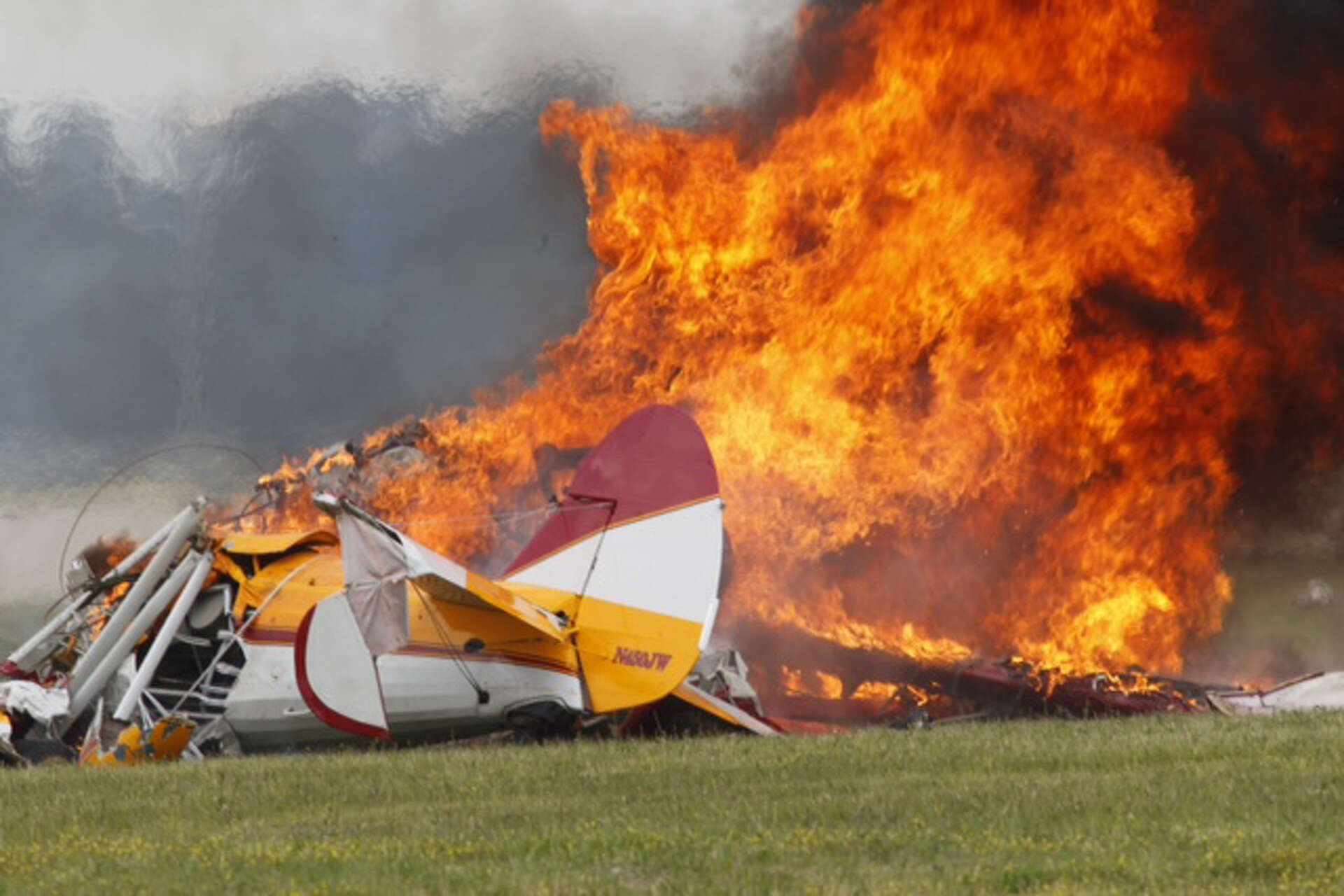
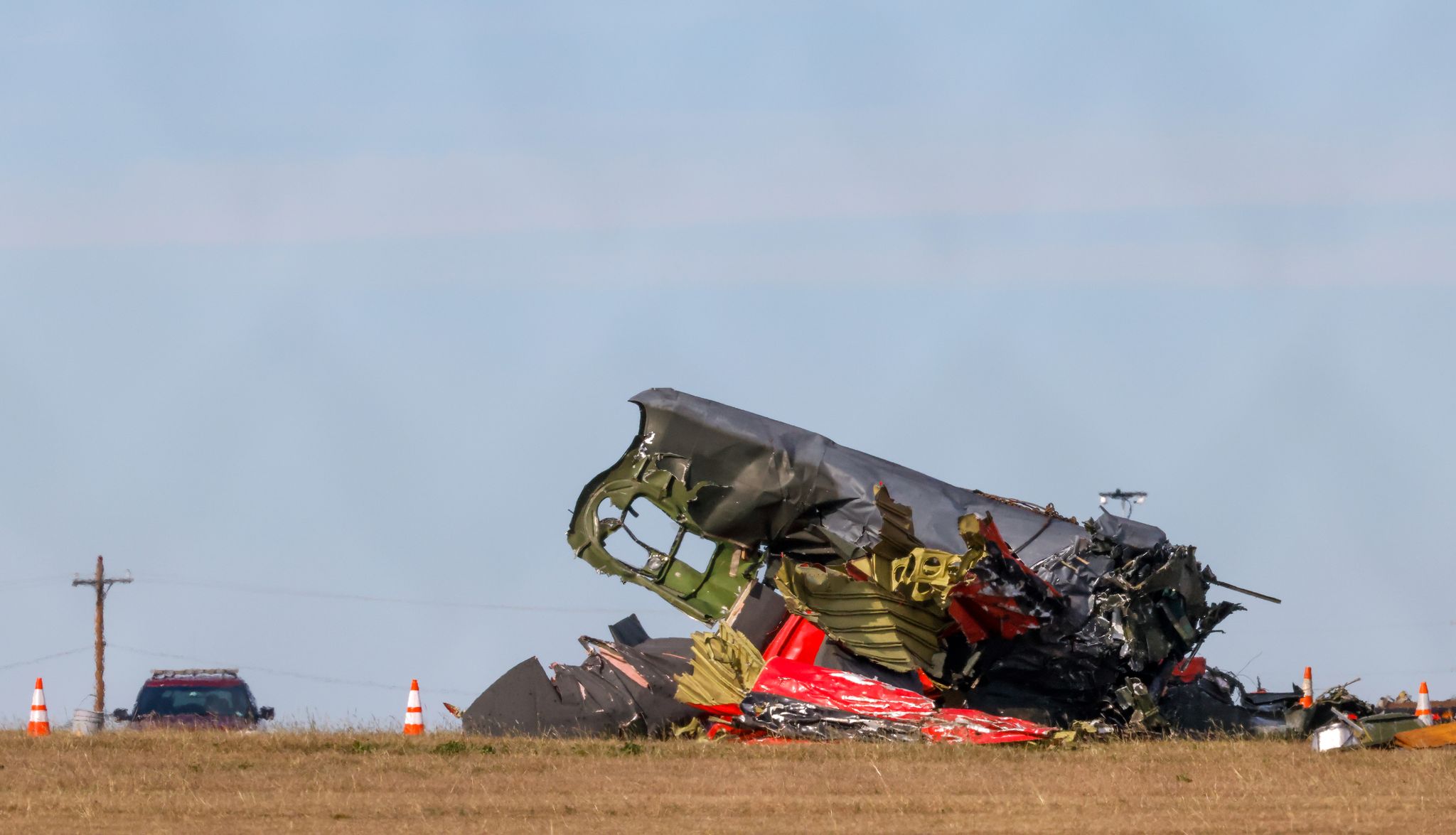
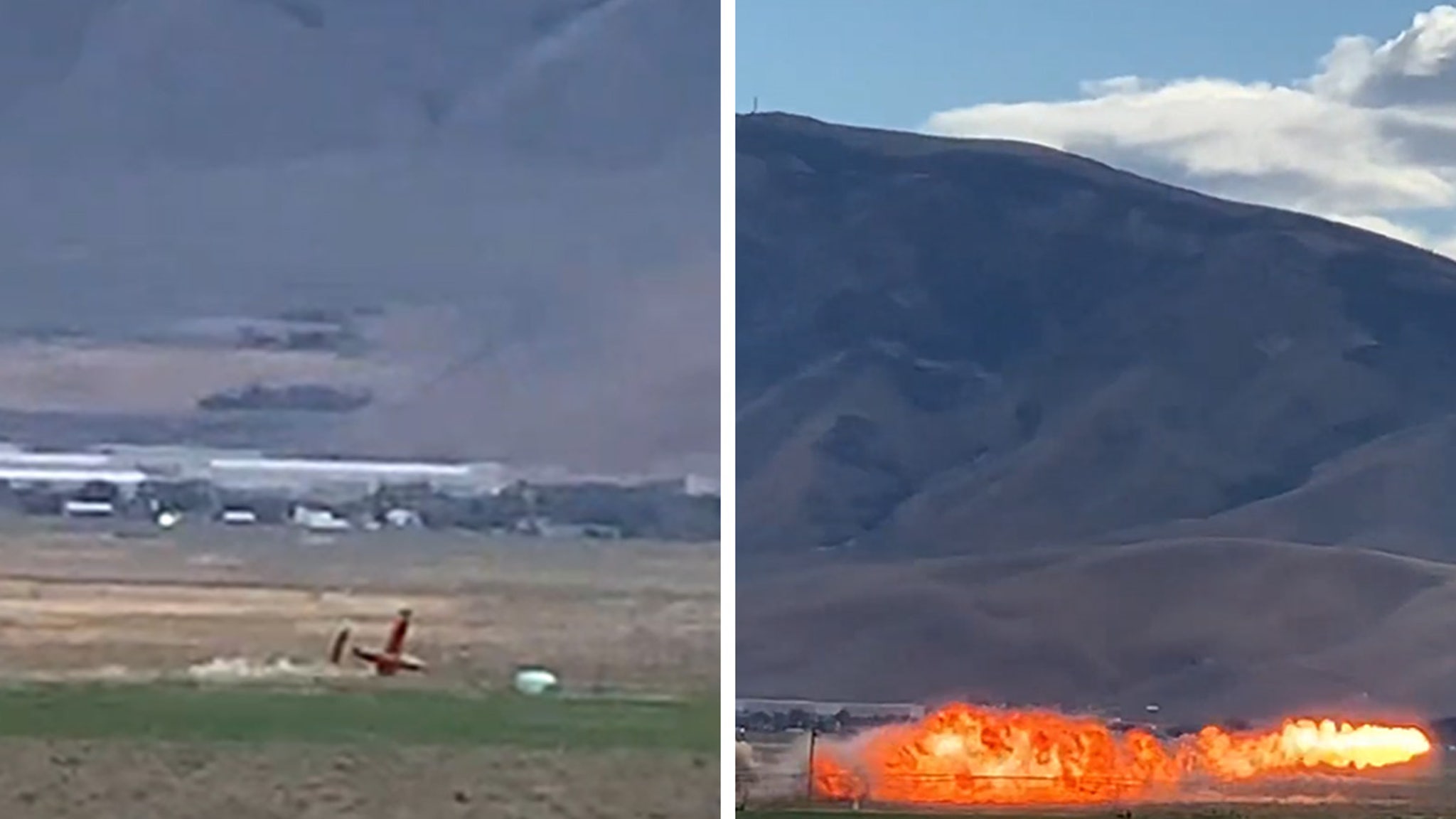
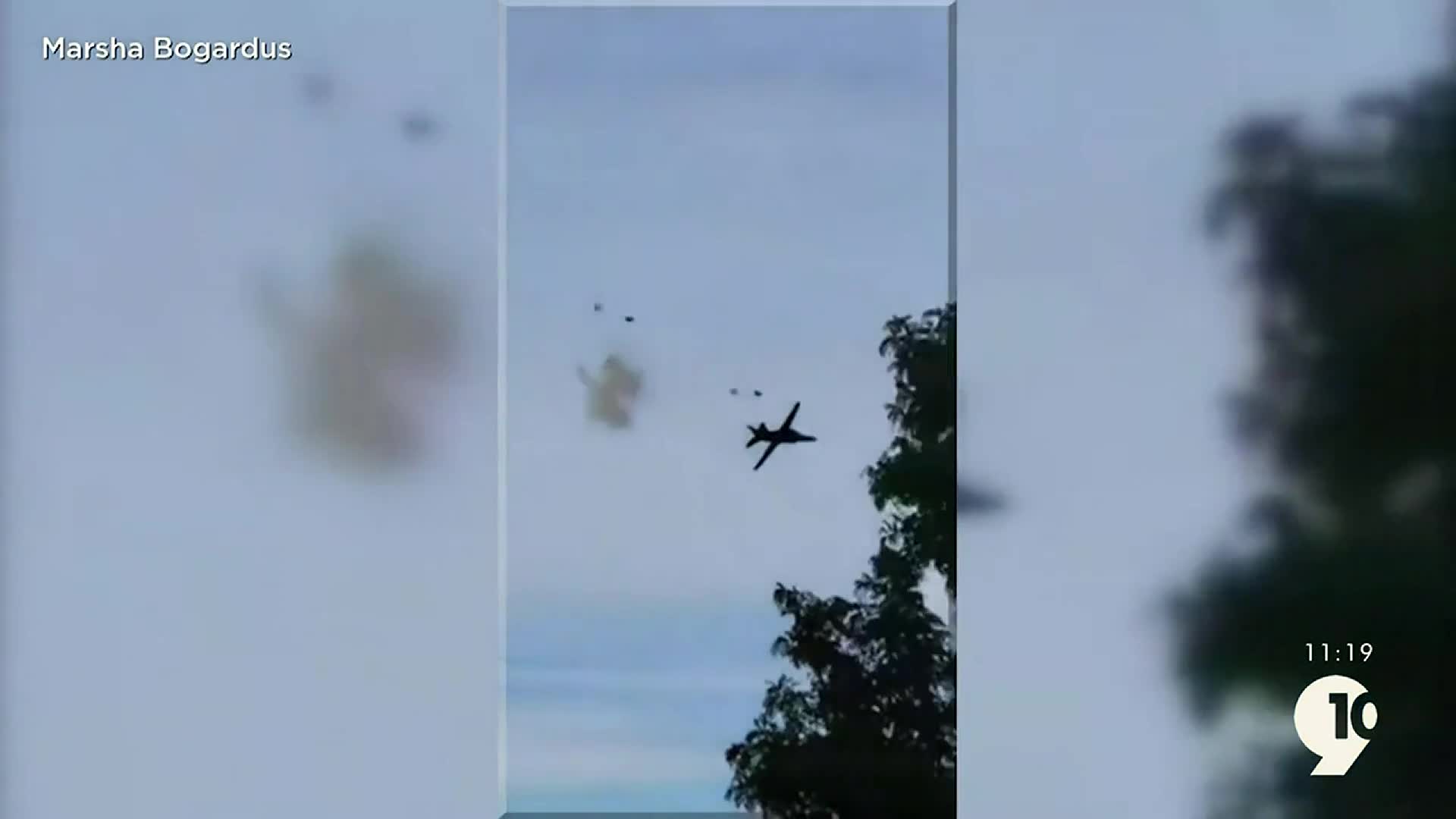
Real footage of air show plane crashes and live spectator reactions provide vital evidence for aviation safety investigators while raising complex ethical questions surrounding viral media. By analyzing multi-angle video, telemetry, and witness observations, investigative bodies like the National Transportation Safety Board (NTSB) identify mechanical failures and pilot disorientation to establish modern air show safety buffers and crowd protection standards.
The Psychology and Dynamics of Spectator Reactions During Aviation Emergencies
Air shows are designed to push the boundaries of human skill and aviation engineering, drawing millions of spectators annually to witness high-speed aerobatics, formation flying, and historical aircraft displays. Because attendees expect a controlled spectacle of precision, the sudden transition from awe to catastrophic failure induces a profound psychological shift in the crowd. Understanding how spectators react—and why those reactions are captured on camera—requires examining human behavior under sudden, high-stress conditions.
When an aircraft unexpectedly loses control or collides during a performance, audience members experience immediate cognitive dissonance. The human brain requires critical seconds to process that an intentional maneuver has degenerated into an active emergency. Initial spectator reactions often display a distinct progression:
- Disbelief and Delayed Reaction: Early vocalizations in raw video footage often feature expressions of confusion. Spectators frequently assume a sudden descent or vapor trail is part of the choreographed routine until impact or structural breakup occurs.
- Acoustic and Visual Shock: The auditory impact of an aviation crash—ranging from sudden engine failure to low-frequency impact shockwaves—triggers an involuntary fight-or-flight response. Audible gasp waves, screams, and sudden silence across large crowds reflect collective trauma.
- Perceptual Narrowing and Mobile Recording: In the modern media ecosystem, many attendees view air displays through smartphone screens or camera viewfinders. When an accident occurs, some individuals experience "perceptual narrowing" (tunnel vision), continuing to record reflexively without immediately comprehending the gravity of the event.
Psychological studies on mass witness events show that recording emergency situations can serve as a subconscious psychological buffer, placing a digital barrier between the observer and a traumatic event. However, for those directly exposed to the physical blast wave, debris, or loss of life, the immediate reaction shifts rapidly to panic, evacuation, or assistance-seeking behavior.
How Video Footage Reshapes Aviation Accident Investigations
While viral videos of air show accidents frequently circulate across social platforms for sensational reasons, investigative agencies regard raw consumer and broadcast footage as critical forensic evidence. Organizations such as the National Transportation Safety Board (NTSB) in the United States and the Air Accidents Investigation Branch (AAIB) in the United Kingdom rely heavily on multi-angle crowd footage to reconstruct the sequence of events leading up to a display accident.
- Spectator Video & Broadcast Angles
- Photogrammetry & Video Synchronization
- Flight Path & Altitude Reconstruction
- Telemetry & Radar Data Cross-Referencing
- NTSB / AAIB Final Safety Recommendations
Unlike commercial airline crashes, which typically occur at high altitudes and are tracked primarily through Flight Data Recorders (FDR) and Cockpit Voice Recorders (CVR), air show accidents usually happen at low display altitudes within full view of hundreds of high-definition cameras. Investigators use digital photogrammetry to turn ambient video footage into precise 3D mathematical models.
Video Synchronization and Speed Estimation
By aligning audio tracks—such as engine pitch, Doppler effects, and impact sound delays—investigators can calculate an aircraft's exact airspeed and engine RPM during its final maneuvers. Synchronizing multiple spectator videos taken from different vantage points allows forensic engineers to plot a frame-by-frame three-dimensional flight path.
Structural Failure Identification
High-frame-rate consumer video often captures the exact frame where a control surface fails, a wing spar suffers structural overload, or an engine experiences a bird strike or flameout. This visual clarity narrows the scope of physical wreckage analysis, helping metallurgists focus on specific components.
Flight Crew Orientation and Visibility
Ground footage provides insight into environmental factors that the pilot faced, such as sun glare, cloud ceilings, horizon ambiguity, or smoke persistence from preceding aerobatic passes. Visual evidence helps establish whether spatial disorientation contributed to an improper dive recovery or misjudged display line intersection.
Pivotal Air Show Incidents and Subsequent Safety Regulations
The historical progression of air show regulations is directly linked to major display accidents where video footage and public inquiry revealed critical vulnerabilities in crowd placement, display lines, and pilot qualification standards. Three landmark incidents demonstrate how incident footage informed systemic safety overhauls.
1. The Ramstein Air Display Disaster (1988)
During an aerobatic display by the Frecce Tricolori at Ramstein Air Base in Germany, three aircraft collided in mid-air during a pierced-heart maneuver. One damaged jet crashed directly into the spectator area, resulting in 70 fatalities and hundreds of injuries. Video analysis of the collision revealed that the crossing aircraft was flying too low and fast relative to the formation, leaving zero margin for error.
Regulatory Impact: The Ramstein tragedy permanently altered global air show rules. Maneuvers directed toward the crowd line were universally banned across NATO nations. Display lines were pushed back, establishing mandatory minimum separation distances between performing aircraft and spectator enclosures.
2. The Shoreham Airshow Crash (2015)
At the Shoreham Airshow in Sussex, England, a vintage Hawker Hunter T7 jet failed to complete a loop maneuver, crashing onto the adjacent A27 dual carriageway and killing 11 people on the ground. Extensive high-definition video captured by spectators and dashcams allowed the UK AAIB to evaluate the entry altitude, speed, and g-force load of the loop maneuver.
Regulatory Impact: The UK Civil Aviation Authority (CAA) conducted a comprehensive review of civil air display safety. The resulting regulations introduced stricter entry requirements for vintage jet displays, increased minimum display altitudes for aerobatic maneuvers, and mandated risk assessments for surrounding public transport corridors beyond the immediate airfield perimeter.
3. The Dallas Airshow Mid-Air Collision (2022)
During the Wings Over Dallas air show, a Boeing B-17 Flying Fortress and a Bell P-63 Kingcobra collided during a historical flight demonstration. Dozens of high-resolution spectator videos captured the accident from virtually every angle, showing the faster P-63 banking into the blind spot of the B-17's flight path.
Regulatory Impact: The availability of synchronized ground footage allowed the NTSB to analyze air boss communications, visual flight rules (VFR) separation protocols, and sightline restrictions in vintage military cockpits. The accident led to nationwide re-evaluations of formation geometries, altitude separation requirements, and brief-to-flight procedures for multi-aircraft historical displays.
Comparative Analysis of Air Show Safety Regulations and Forensic Video Utility
The table below outlines how specific video forensic techniques derived from real accident footage have led to concrete regulatory frameworks across major aviation authorities.
| Air Show Incident / Context | Key Video Evidence Analyzed | Regulatory & Safety Outcome | Responsible Authority |
|---|---|---|---|
| Ramstein Air Base (1988) | Multi-camera ground footage of mid-air collision trajectory | Absolute prohibition of maneuvers pointing toward spectator lines; creation of the "Energy Vector" rule | Federal Ministry of Defence (Germany) / USAF |
| Fairford RIAT (1993) | Dual MiG-29 mid-air collision recorded on high-definition broadcast video | Enhanced lateral separation distances for high-performance jet display boxes | UK Civil Aviation Authority (CAA) |
| Sknyliv Air Show (2002) | Ground-level spectator video showing low-altitude pitch-up failure | Strict mandatory standoff buffers prohibiting displays directly over spectator seating zones | Ministry of Defence (Ukraine) / ICAO |
| Shoreham Airshow (2015) | Multi-angle consumer video tracking altitude loss during vertical loop | Increased minimum display heights for legacy military aircraft; strict off-site traffic management | UK Air Accidents Investigation Branch (AAIB) |
| Wings Over Dallas (2022) | High-frame-rate consumer video mapping overlapping flight paths | Re-engineered altitude and lateral spacing protocols for multi-category historical aircraft | National Transportation Safety Board (NTSB) / FAA |
Ethical and Psychological Considerations Surrounding Graphic Crash Media
The rapid dissemination of air show crash footage across digital media raises ethical issues concerning public consumption, copyright, and mental health. While footage serves an important function in technical forensics and journalism, raw emergency media presents distinct challenges.
Sensationalism versus Historical Record
Social media algorithms often amplify graphic or high-impact video clips featuring panicking crowds and violent impacts. This monetization of traumatic events can lead to sensationalism that obscures context. Responsible reporting emphasizes the technical, regulatory, and human dimensions of an accident rather than capitalizing on raw shock value.
Impact on Victims' Families and Eyewitnesses
For the families of flight crews, spectators, and first responders involved in an accident, the endless repetition of crash footage on digital platforms can cause renewed grief and distress. Media organizations increasingly apply content warnings, blur graphic elements, or restrict loop playback to mitigate harm while conveying necessary news information.
Vicarious Trauma and Digital Exposure
Repeated exposure to high-definition crash footage and distressing audio can induce symptoms of secondary trauma or anxiety in sensitive viewers. Psychological professionals advise individuals who experience distress after viewing graphic real-world accidents to limit exposure to unedited media and seek professional mental health support when needed.
Modern Air Show Safety Protocols and Spectator Protection Standards
As of 2026, air show safety is governed by rigorous regulatory frameworks designed to ensure that even a catastrophic mechanical failure or pilot error does not result in ground casualties among spectators. The Federal Aviation Administration (FAA) in the United States, along with international counterparts, enforces strict display parameters through standardized directives such as FAA Order 8900.1.
- Primary Spectator Area
- Crowd Line (Fence)
- Standoff Buffer Distance (500 ft to 1,500+ ft depending on speed)
- Display Line (Axis)
- Parallel Aerobatic Maneuvers (Energy Vector Away)
- Aerobatic Display Box
The Concept of the "Display Box" and Crowd Line Setbacks
Performing aircraft are restricted to a defined three-dimensional airspace block known as the aerobatic display box. The boundaries of this box are anchored by a clearly marked "display line" that runs parallel to the spectator fence.
- Category I Aircraft (High-Performance Jets): Require a minimum setback distance of 1,500 feet from the spectator line.
- Category II Aircraft (Medium-Speed Performers): Require a minimum setback distance of 1,000 feet.
- Category III Aircraft (Slow-Speed / Piston Aircraft): Require a minimum setback distance of 500 feet.
The Energy Vector Principle
The core governing rule of modern air display safety is the management of kinetic energy. At no point during an aerobatic routine may an aircraft direct its velocity vector (the direction in which it is moving or pointing) toward the spectator area while executing high-g maneuvers. If an engine fails or a control surface locks during a maneuver, the aircraft's momentum will naturally carry it along a vector parallel to or away from the crowd line.
The Role of the Air Boss
The Air Boss controls the display airspace from a central control point on the ground, maintaining direct radio contact with all performing aircraft. Equipped with primary radar, visual observers, and real-time telemetry monitors, the Air Boss has the absolute authority to abort any performance instantly if an aircraft breaches the display line or loses required safety margins.
Practical Guidance for Air Show Attendees and Media Consumers
Navigating an aviation event safely and handling media responsibly requires awareness both on the airfield and online.
Air Show Spectator Safety Checklist
- Obey Display Boundaries: Never cross established safety fences, temporary barricades, or designated emergency access lanes.
- Maintain Situational Awareness: Keep track of ambient weather conditions, emergency exit locations, and public address announcements from the Air Boss.
- Follow First Responder Instructions: In the event of an incident or display hold, remain calm, stay clear of emergency vehicle corridors, and follow official directions immediately.
- Protect Hearing: High-decibel jet engines can cause immediate auditory fatigue; use appropriate ear protection, especially for children.
Responsible Handling of Emergency Video Footage
- Submit Raw Media to Authorities: If you record an aviation incident, preserve the original unedited file containing EXIF metadata (time, location, camera settings) and contact the investigating agency (e.g., NTSB or AAIB) before uploading it to social platforms.
- Respect Privacy and Dignity: Avoid sharing close-up footage of injured personnel or victims.
- Verify Context Before Sharing: Misinformation spreads rapidly during crisis events; rely on verified reports from safety boards and official public safety agencies rather than unconfirmed commentary.
Frequently Asked Questions
Why is civilian video footage so important to air show crash investigations?
Civilian video footage provides multi-angle, high-definition visual and acoustic data recorded from known ground coordinates. Forensic analysts use this footage to reconstruct three-dimensional flight trajectories, determine airspeed and engine performance through sound analysis, and identify structural failures that occurred prior to impact.
What safety rules prevent air show planes from crashing into crowds?
Modern aviation safety relies on strict standoff buffers, defined aerobatic display boxes, and the "energy vector" rule. Performers are prohibited from pointing an aircraft's flight path toward the crowd line during maneuvers, ensuring that any mechanical failure carries the aircraft parallel to or away from spectator zones.
How do aviation authorities verify authentic crash footage versus edited media?
Investigative teams examine original digital video files for embedded metadata, frame rate consistency, and uncompressed audio tracks. They cross-reference visual markers—such as cloud formations, sun angles, and known landmark positions—against official radar logs and local weather observations to confirm authenticity.
What psychological effects can witnessing or reviewing real crash videos cause?
Witnessing an aviation emergency live or reviewing unedited graphic footage can trigger acute stress responses, including hypervigilance, intrusive memories, anxiety, and secondary trauma. Mental health experts recommend limiting exposure to graphic media, using content filters, and seeking professional support if distressing symptoms persist.
How has air show safety improved over recent decades?
Safety has advanced through increased spectator setback distances, stricter pilot certification and peer-review requirements, real-time monitoring by qualified Air Bosses, and enhanced post-accident digital forensic analysis. These improvements have significantly reduced risk for ground audiences worldwide.
Navigating Aviation Event Safety and Digital Media Responsibly
The study of air show plane crash footage, spectator reactions, and flight line dynamics highlights the continuous evolution of aviation safety. What appears on screen as a brief moment of tragedy is meticulously analyzed by safety boards to prevent future occurrences. Modern display regulations, rigid energy vector rules, and sophisticated display box geometries exist because past lessons were integrated into air show operations worldwide.
For attendees and digital audiences alike, engaging with air show media demands a balance of critical awareness, respect for human life, and appreciation for the rigorous safety engineering that protects public displays. When witnessing an emergency or handling sensitive video material, prioritizing official investigative procedures over viral dissemination ensures that footage serves its most vital purpose: improving safety for everyone involved in aviation.