Proper air mattress maintenance involves a combination of careful inflation practices, strategic placement, regular cleaning, and climate-controlled storage. By managing internal pressure to prevent seam strain and protecting the vinyl or TPU materials from environmental hazards, users can extend the lifespan of an inflatable bed from a single season to several years of reliable service.
Air mattresses have evolved significantly by 2026, with many high-end models utilizing reinforced thermoplastic polyurethane (TPU) alongside traditional polyvinyl chloride (PVC). Regardless of the material, the physics of air containment remains the same. Maintaining these products requires a proactive approach to prevent the "slow leak" phenomenon that often plagues neglected equipment. This guide provides a technical deep dive into the protocols necessary to ensure your investment remains supportive and puncture-free.
Proper Inflation and Deflation Protocols
The most common cause of air mattress failure is over-inflation. When an air mattress is filled to its absolute maximum capacity, the internal seams—the "beams" or "coils" that provide structure—are placed under extreme tension. Over time, this tension causes the material to stretch and eventually develop microscopic tears around the seam junctions.
The 90% Rule
To preserve the structural integrity of the mattress, aim to inflate it to approximately 90% of its capacity. A properly inflated mattress should have a slight "give" when you press your hand into the center. Once a person lies down, their body weight will displace the air and increase the internal pressure. If the mattress is already at 100% capacity before a user lies down, the added weight can force the air against the seams with enough pressure to cause a rupture.
The "Break-In" Period
New air mattresses often appear to lose air during their first few uses. This is rarely a leak; rather, it is the natural expansion of the polymer material. In 2026, even advanced TPU-blended mattresses require a "stretching" phase. For the first 48 hours of use, you may need to add a small amount of air periodically as the material relaxes into its final shape. Understanding this prevents the mistake of over-compensating with the pump and damaging the unit.
Deflation and Valve Care
When deflating, allow the air to escape naturally through the wide-mouth valve before using a pump to vacuum out the remaining air. Forced deflation via high-powered pumps can sometimes cause internal baffles to tangle or fold awkwardly. Additionally, always inspect the valve seal. Dust, pet hair, or lint trapped in the valve’s O-ring is a leading cause of overnight pressure loss. A quick wipe with a damp, lint-free cloth ensures a localized airtight seal.
Environmental Factors and Placement Strategy
Where you place your air mattress is just as important as how you fill it. The surface beneath the mattress acts as the primary defense against punctures, while the surrounding environment dictates the stability of the air pressure inside.
Surface Preparation
Before laying out the mattress, the floor must be thoroughly swept or vacuumed. Even small grains of sand or dried pine needles can act as abrasives that wear through the bottom layer over several nights. If you are using the mattress for camping or on a hard floor, utilize a protective barrier such as a tarp, a dedicated mattress pad, or even a thick blanket. This "buffer layer" reduces friction and protects against sharp protrusions that may be hidden beneath the surface.
Temperature and Pressure Dynamics
Physics dictates that air density changes with temperature. Cold air contracts, making the mattress feel soft or deflated, while warm air expands, increasing internal pressure. In 2026, while some premium mattresses include auto-regulating pumps, most users must manage this manually.
- Cold Environments: If the room temperature drops overnight, expect to add a "top-off" of air before bed.
- Warm Environments: If the mattress is left in a tent or a room that receives direct sunlight during the day, slightly deflate it to account for air expansion, preventing seam bursts.
Cleaning and Sanitization Standards
Maintaining the exterior of an air mattress prevents the buildup of allergens, mold, and odors. Because the top surface is often "flocked" (a velvet-like coating), cleaning requires a gentle touch to avoid stripping away the texture.
Recommended Cleaning Agents
Never use harsh chemicals, bleach, or solvent-based cleaners on an air mattress. These substances can break down the plasticizers in the vinyl, leading to brittleness and cracking. Instead, use a solution of mild dish soap and warm water.
- Spot Cleaning: Use a soft-bristled brush or a microfiber cloth to gently scrub the flocked surface.
- Rinsing: Use a separate damp cloth to remove soap residue.
- Drying: This is the most critical step. A mattress must be 100% dry before it is folded and stored. Any lingering moisture can lead to mold and mildew growth inside the folds, which can degrade the material and create health hazards.
Managing Perspiration and Oils
Body oils and sweat can eventually penetrate the flocked surface and reach the waterproof membrane. Using a mattress protector or a thick fitted sheet not only improves comfort but also serves as a sacrificial layer that can be easily laundered, keeping the mattress itself pristine.
Storage Best Practices for Long-Term Durability
The way an air mattress is stored during the off-season determines its readiness for the next use. Improper storage is the second leading cause of damage, often resulting in "crease leaks."
Folding vs. Rolling
Avoid folding the mattress in the same pattern every time, as this creates permanent stress lines in the material. The ideal method is to fold the mattress into thirds and then loosely roll it. Do not use heavy weights or tie it tightly with ropes, as this can pinch the material. If the original storage bag is too small, upgrade to a larger plastic bin to prevent over-compression.
Climate Control
Air mattresses should be stored in a cool, dry place. Avoid garages, attics, or unfinished basements where temperature extremes are common. High heat can cause the material to become tacky and stick to itself, while extreme cold can make it brittle. Additionally, ensure the storage area is pest-free; rodents have been known to chew through inflatable materials to create nesting sites.
Troubleshooting and Leak Detection
Even with meticulous care, punctures can occur. Finding and fixing a leak early is the key to salvaging the mattress.
The Soapy Water Test
If you suspect a leak but cannot see a hole, the most effective method is the soapy water test. Fill a spray bottle with water and a few drops of liquid soap. Spray the inflated mattress, focusing on the seams and the valve area. When air escapes through the soapy film, it will create visible bubbles, pinpointing the exact location of the leak.
Patching Techniques
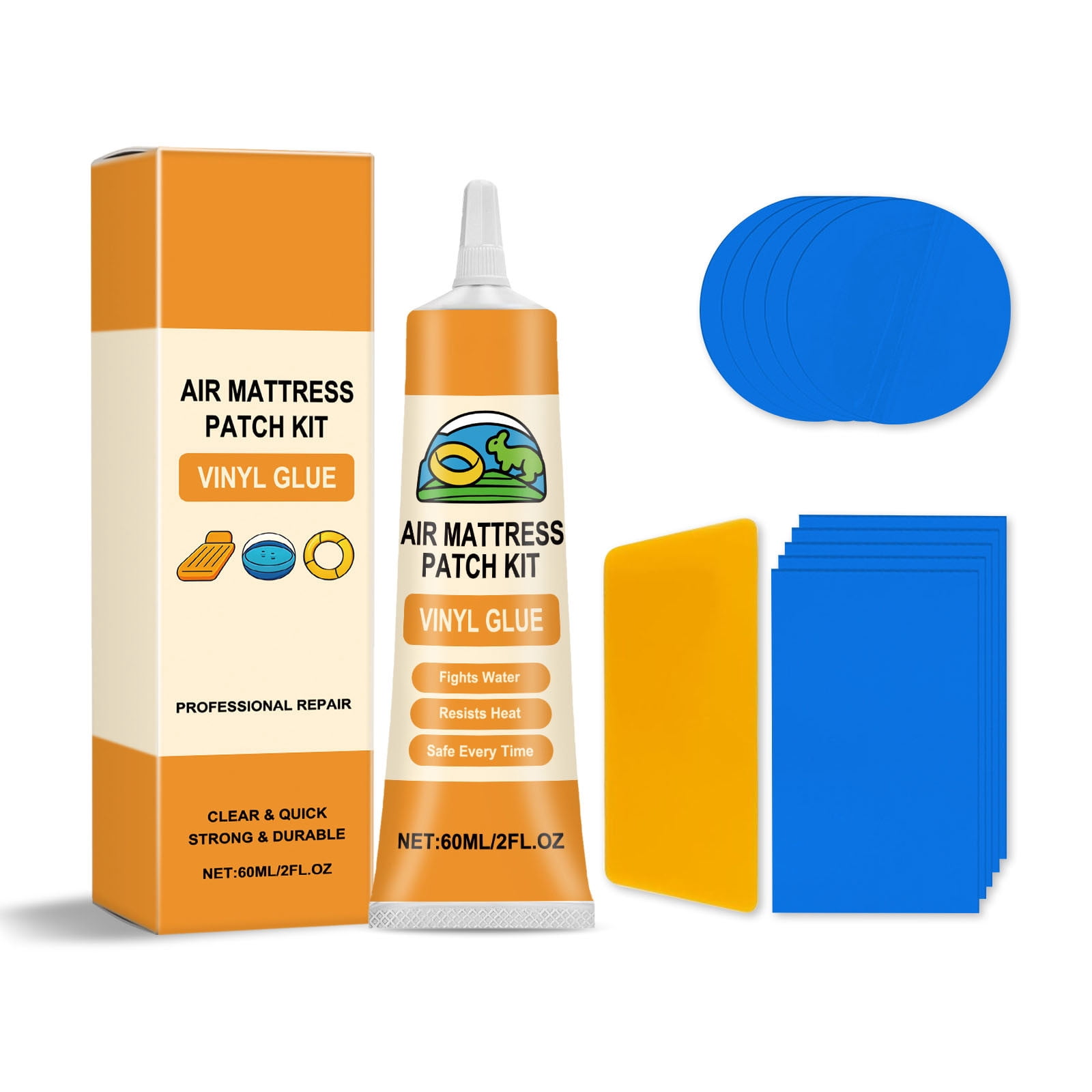
Most modern mattresses come with a repair kit. If yours is missing, use a patch kit specifically designed for PVC or TPU.
- Preparation: Deflate the mattress completely. Clean the area around the hole with isopropyl alcohol to remove any oils.
- Application: Apply the adhesive and the patch, ensuring there are no air bubbles trapped underneath.
- Curing: Allow the patch to cure for at least 24 hours before re-inflating. Rushing this process is the most common reason for patch failure.
Maintenance Checklist and Comparison
The following table summarizes the key maintenance tasks based on frequency of use.
| Task | Frequency | Purpose |
|---|---|---|
| Surface Inspection | Before every use | Prevent punctures from debris or sharp objects. |
| Valve Cleaning | Every 3-5 uses | Ensure an airtight seal and prevent slow leaks. |
| Full Sanitization | After 10 uses / Before long-term storage | Remove skin cells, oils, and potential mold spores. |
| Pressure Adjustment | Daily during use | Account for temperature changes and material stretching. |
| Climate-Controlled Storage | Seasonal | Prevent material degradation from heat or freezing. |
| Leak Testing | Annually | Identify microscopic seam failures before they become critical. |
Frequently Asked Questions
Why does my air mattress feel soft in the morning even though there is no hole?
This is usually caused by temperature fluctuations or material stretching. As the air inside the mattress cools down during the night, it contracts and occupies less volume, leading to a softer feel. Additionally, the polymer material (PVC or TPU) naturally expands under the weight of a person, which increases the internal volume and decreases pressure without any air actually escaping.
Can I use a hair dryer to dry my air mattress after cleaning?
You should never use a hair dryer on a heat setting to dry an air mattress. The concentrated heat can melt or weaken the vinyl and damage the adhesive bonds on the internal seams. If you need to speed up the drying process, use the "cool" setting on the dryer or a standard floor fan to circulate air over the surface.
Is it safe to leave my air mattress inflated all the time?
While it is physically possible, it is not recommended for the long-term health of the mattress. Constant inflation keeps the seams under perpetual tension, which can lead to premature failure. If you use the mattress as a semi-permanent bed, try to deflate it slightly during the day to give the material a "rest" from maximum tension.
How do I fix a leak on the flocked (velvety) side?
Patching the flocked side is more difficult because the texture prevents the adhesive from forming a flat seal. You must first gently sand away the flocking using a fine-grit sandpaper until you reach the smooth plastic layer underneath. Once the area is smooth and cleaned with alcohol, the patch will be able to bond correctly.
What is the average lifespan of a well-maintained air mattress?
With proper care, a high-quality air mattress in 2026 can last between 5 and 8 years of occasional use. For frequent or daily use, the lifespan is typically 1 to 3 years. Factors such as user weight, floor surface, and storage conditions significantly impact these timelines.
Establishing a Maintenance Routine
To maximize the value of your air mattress, treat it as a piece of technical equipment rather than a disposable item. The most effective maintenance strategy is a "Check-In/Check-Out" routine. Every time the mattress is brought out of storage, perform a quick 5-minute inspection of the valve and the inflation surface. Conversely, before putting it away, ensure it is wiped down and completely dry.
Investing in a high-quality storage container and a dedicated protective floor mat will mitigate the most common risks of punctures and environmental degradation. By following these technical guidelines, you ensure that your air mattress remains a reliable, comfortable sleeping solution for guests or camping trips for years to come.