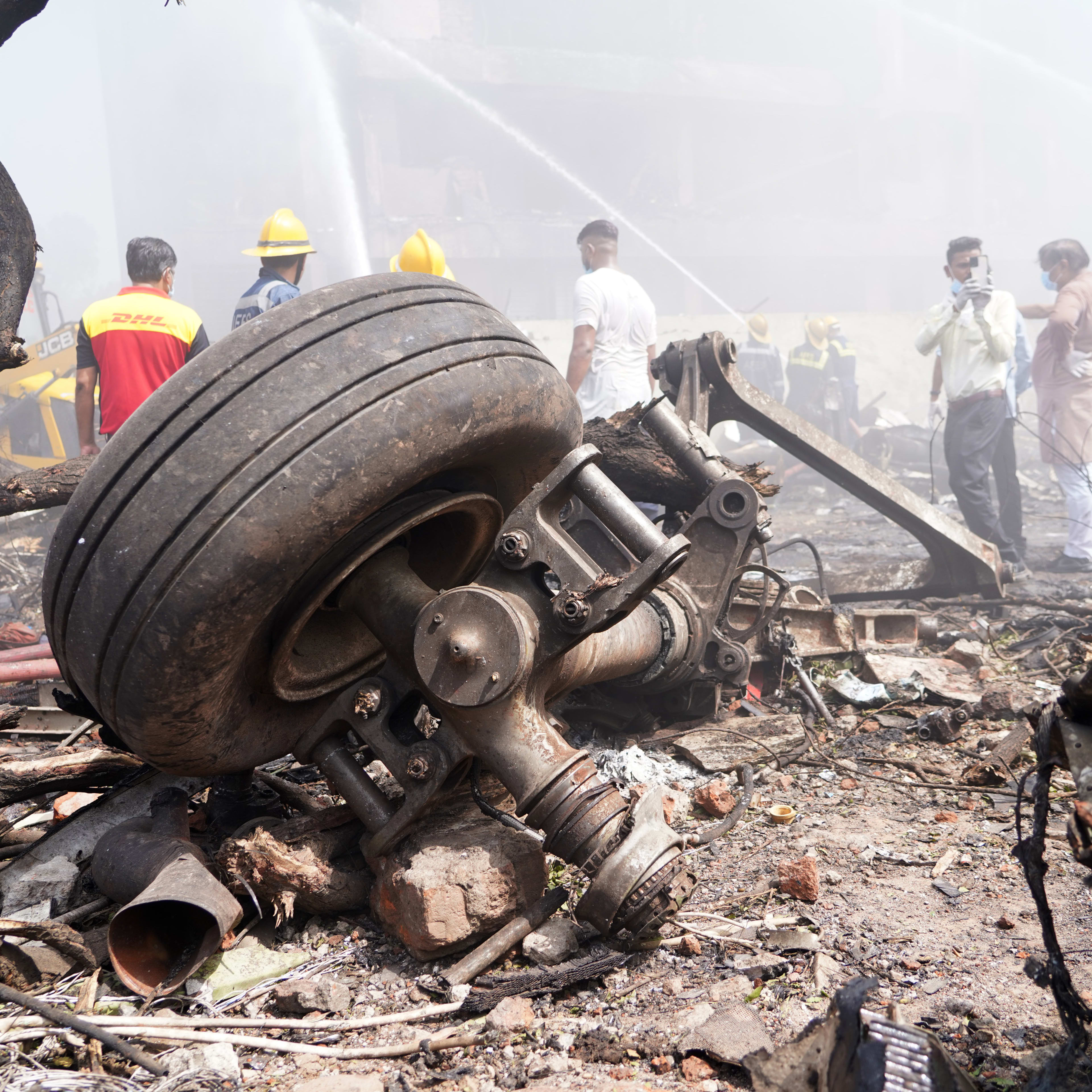
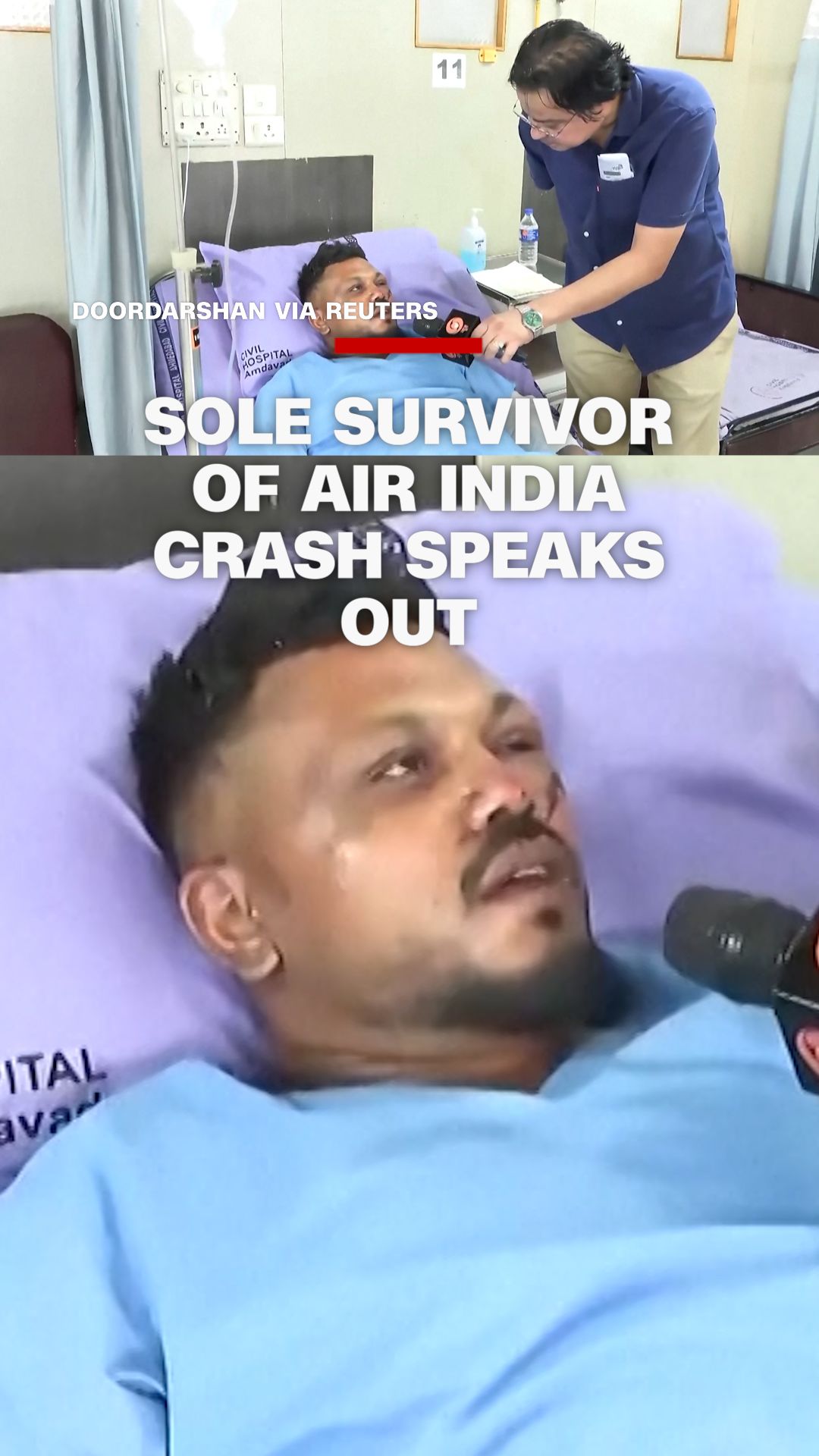
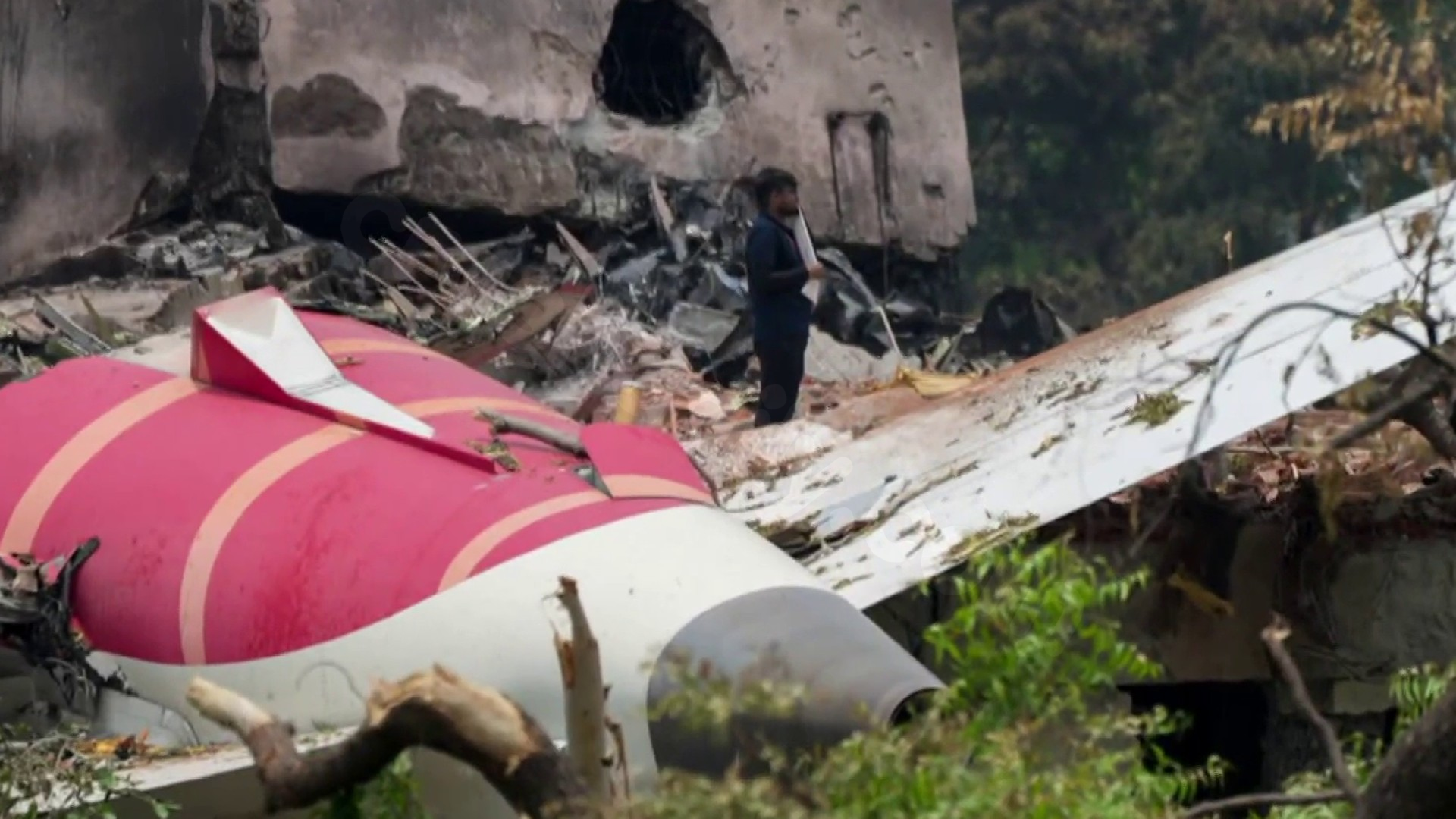
The incredible story of survival during the Air India Express Flight 812 crash in Mangalore remains one of aviation’s most profound miracles. Despite the aircraft plunging into a deep ravine and bursting into flames, eight individuals managed to escape the wreckage, defying near-certain death through a combination of split-second decision-making, structural luck, and sheer resilience.
The Mangalore Tragedy: Context of Flight IX812
To understand the magnitude of the "miracle," one must first comprehend the catastrophic nature of the event. On May 22, 2010, Air India Express Flight IX812, a Boeing 737-800 operating from Dubai to Mangalore, overshot the "tabletop" runway at Mangalore International Airport. Of the 166 people on board, 158 perished, making it one of the deadliest aviation disasters in Indian history.
Tabletop runways, such as the one in Mangalore, are located on plateaus with steep drops at the ends. When Flight 812 failed to stop within the designated landing distance, it crashed through the perimeter fence and plummeted down a heavily wooded hillside. The aircraft broke into several sections and was almost immediately engulfed in a localized but intense inferno. In the context of 2026 aviation history, this event serves as a pivotal case study in "human factors" and the critical importance of stabilized approach criteria.
The survival of eight passengers was not merely a matter of chance; it was a sequence of miraculous moments. As the fuselage split open upon impact with the ravine floor, certain passengers found themselves positioned near the cracks. While the majority of the cabin was consumed by fire and smoke, these few individuals were able to leap from the burning wreckage before the fuel tanks fully ignited.
The Anatomy of a Miracle: How Eight People Survived
The survival of the "Mangalore Eight" is often analyzed by safety experts to understand how human beings can survive high-impact, post-crash fire scenarios. The survivors, including individuals like Pradeep Gopinathan and Joel Pratap Kanikkunnel, shared harrowing accounts of the seconds following the impact.
The Structural Breakup
The primary factor that allowed for survival was the way the Boeing 737-800 fractured. In many high-speed overshoots, the fuselage remains relatively intact, trapping passengers inside a burning tube. In the case of IX812, the fall into the ravine caused the aircraft to snap into at least three major pieces. This structural failure created immediate exit points that did not require the operation of jammed emergency doors.
The "Leap of Faith"
Survivors reported that the cabin filled with thick, black, toxic smoke within seconds. Pradeep Gopinathan, one of the survivors, famously recounted seeing a "crack of light" where the plane had split. He and others did not wait for instructions—which would never come from the incapacitated crew—and instead jumped into the vegetation below. The steep terrain, while causing the crash's severity, also provided a buffer of soft greenery that cushioned the fall of those who leapt from the broken fuselage.
Immediate Action vs. Paralysis
Psychologically, the survivors exhibited "active survival" traits. While many passengers in disasters experience "negative panic" (a state of frozen shock), the survivors of IX812 acted instinctively. They moved toward the openings and navigated away from the wreckage even as explosions began to occur. Their ability to overcome the disorientation of a massive impact and the blinding smoke was the difference between life and death.
Technical Factors: The Tabletop Runway and Pilot Error
The "miracle" of the survivors is contrasted by the preventable nature of the accident itself. Investigative reports from the Court of Inquiry identified "pilot error" as the primary cause. As we look back from 2026, the technical analysis of this crash remains a cornerstone of pilot training regarding "sleep inertia" and "unstabilized approaches."
- Sleep Inertia: The Captain, Zlatko Glusica, had been asleep for a significant portion of the flight. Upon waking, his cognitive functions were likely impaired—a phenomenon known as sleep inertia. This led to a series of poor decisions during the final descent.
- Unstabilized Approach: Despite warnings from the First Officer to "go around," the Captain persisted in landing the aircraft. The plane was significantly higher and faster than the required glide path, touching down nearly halfway down the runway.
- The Tabletop Constraint: Unlike standard airports where an overshoot might lead to a flat "runway end safety area" (RESA), Mangalore’s geography offered no margin for error. Once the aircraft passed the threshold, it was committed to the ravine.
By 2026, Indian aviation authorities have implemented much stricter regulations for tabletop airports, including mandatory EMAS (Engineered Materials Arrestor Systems) at high-risk locations and enhanced pilot fatigue monitoring systems.
Comparative Analysis of Air India Express Accidents
The Mangalore miracle is often compared to a later incident in Kozhikode (2020), which involved similar geographical challenges. The following table compares these two landmark events to highlight the factors affecting survival rates.
| Feature | Flight IX812 (Mangalore, 2010) | Flight IX1344 (Kozhikode, 2020) |
|---|---|---|
| Aircraft Type | Boeing 737-800 | Boeing 737-800 |
| Runway Type | Tabletop (Steep Ravine) | Tabletop (Deep Slope) |
| Primary Cause | Pilot Error / Sleep Inertia | Weather / Pilot Error |
| Total Onboard | 166 | 190 |
| Fatalities | 158 | 21 |
| Survivors | 8 | 169 |
| Post-Crash Fire | Massive / Immediate | Minimal / Engine Fire Only |
| Survival Factor | Structural Breakup / Early Exit | Lack of Fire / Cabin Integrity |
The massive difference in survival rates between these two "miracle" flights is primarily attributed to the presence (or absence) of a post-crash fire. In Mangalore, the fire was the primary killer, whereas, in Kozhikode, the impact forces were the main cause of trauma.
The Survivor’s Journey: From the Ravine to Recovery
Survival is not just about the moment of the crash; it is about the grueling road to recovery. The individuals who survived IX812 faced immense physical challenges, including third-degree burns, multiple fractures, and internal injuries. However, the psychological "miracle" is perhaps even more significant.
Overcoming Survivor's Guilt
Many of the eight survivors struggled with intense "survivor's guilt"—the haunting question of why they lived while 158 others, including children and entire families, did not. In the years following 2010, several survivors became advocates for aviation safety, using their stories to push for better infrastructure and pilot training.
Long-term Medical Implications
By 2026, medical research into the long-term effects of aviation-grade smoke inhalation has utilized data from such survivors. Many faced respiratory issues for years due to the toxic plastics and fuel vapors inhaled during those few seconds in the cabin. Their recovery involved years of physical therapy and, in some cases, reconstructive surgery for burn victims.
Aviation Safety Evolution: Lessons Learned by 2026
The legacy of the Air India miracle is etched into modern safety protocols. As of 2026, the aviation industry has moved toward a more "holistic" safety approach that minimizes the chance of such a "miracle" being necessary in the first place.
- Fatigue Risk Management Systems (FRMS): Airlines now use sophisticated biometric data and scheduling algorithms to ensure pilots are not suffering from the sleep inertia that doomed IX812.
- Infrastructure Upgrades: The Directorate General of Civil Aviation (DGCA) in India has overseen the expansion of RESA (Runway End Safety Areas) at all tabletop airports. In locations where land is limited, EMAS technology—a bed of crushable concrete that slows aircraft—has been installed.
- Cockpit Culture: The "authority gradient" issue, where a junior pilot feels unable to challenge a senior captain, has been addressed through intensive Crew Resource Management (CRM) training. In Flight 812, the First Officer's warnings were ignored; today, modern SOPs (Standard Operating Procedures) make a "go-around" mandatory if either pilot calls for it.
Why Air India Survivability Matters Today
The story of the Mangalore survival continues to be relevant in 2026 because it highlights the "survivability" aspect of aircraft design. Manufacturers continue to improve seat fire-blocking materials and floor-level lighting, both of which were critical factors in the survivors finding their way out of the smoke-filled IX812 fuselage.
FAQ: Understanding the Air India Miracle
How did anyone survive the Mangalore Air India crash?
Survival was possible because the aircraft broke apart upon falling into the ravine, creating immediate exit points. The eight survivors were located near these fractures and were able to jump out of the plane before the fire became unsurvivable.
Who was the most famous survivor of Flight 812?
Pradeep Gopinathan is often cited as a key survivor whose detailed accounts helped investigators understand the final moments in the cabin. He managed to escape through a gap in the fuselage and helped alert locals to the crash site.
What caused the Air India Express Flight 812 crash?
The official inquiry concluded that the Captain's failure to discontinue an unstabilized approach, combined with the effects of sleep inertia after a long period of sleep during the flight, led to the aircraft overshooting the runway.
Are tabletop runways still dangerous in 2026?
While tabletop runways inherently have less room for error, safety technologies in 2026, such as EMAS and mandatory GPS-guided landing systems, have significantly mitigated the risks. Pilots also undergo specialized simulator training specifically for these environments.
What is "Negative Panic" in a plane crash?
Negative panic is a psychological state where a person becomes catatonic or stunned during an emergency. The survivors of the Air India crash were those who avoided this state and took immediate, instinctive action to find an exit.
Practical Steps: Enhancing Your Own Flight Safety
While "miracles" are by definition rare, passengers can take specific actions to increase their chances of survival in an emergency. Based on the lessons from Air India survivors and aviation safety data available in 2026:
- Count the Rows: When you board, count the number of rows to the nearest two exits (one in front, one behind). In a smoke-filled cabin like Flight 812, visibility will be zero, and you will need to feel your way out.
- Keep Your Shoes On: During takeoff and landing—the most critical phases of flight—ensure you are wearing sturdy shoes. Many survivors of plane crashes suffer foot injuries from walking over burning debris or jagged metal.
- Understand the "Brace" Position: The brace position is designed to minimize limb flailing and protect your head from impact. Survivors who brace effectively have a significantly higher chance of remaining conscious to evacuate.
- Listen to the Briefing: Even if you are a frequent flyer, every aircraft configuration is different. Knowing where the exits are located relative to the wings (where fuel is stored) can influence your evacuation path.
The story of the Air India survivor is a testament to the human spirit's will to live. It remains a stark reminder of the importance of safety vigilance and the constant evolution of aviation technology to protect those in the sky.