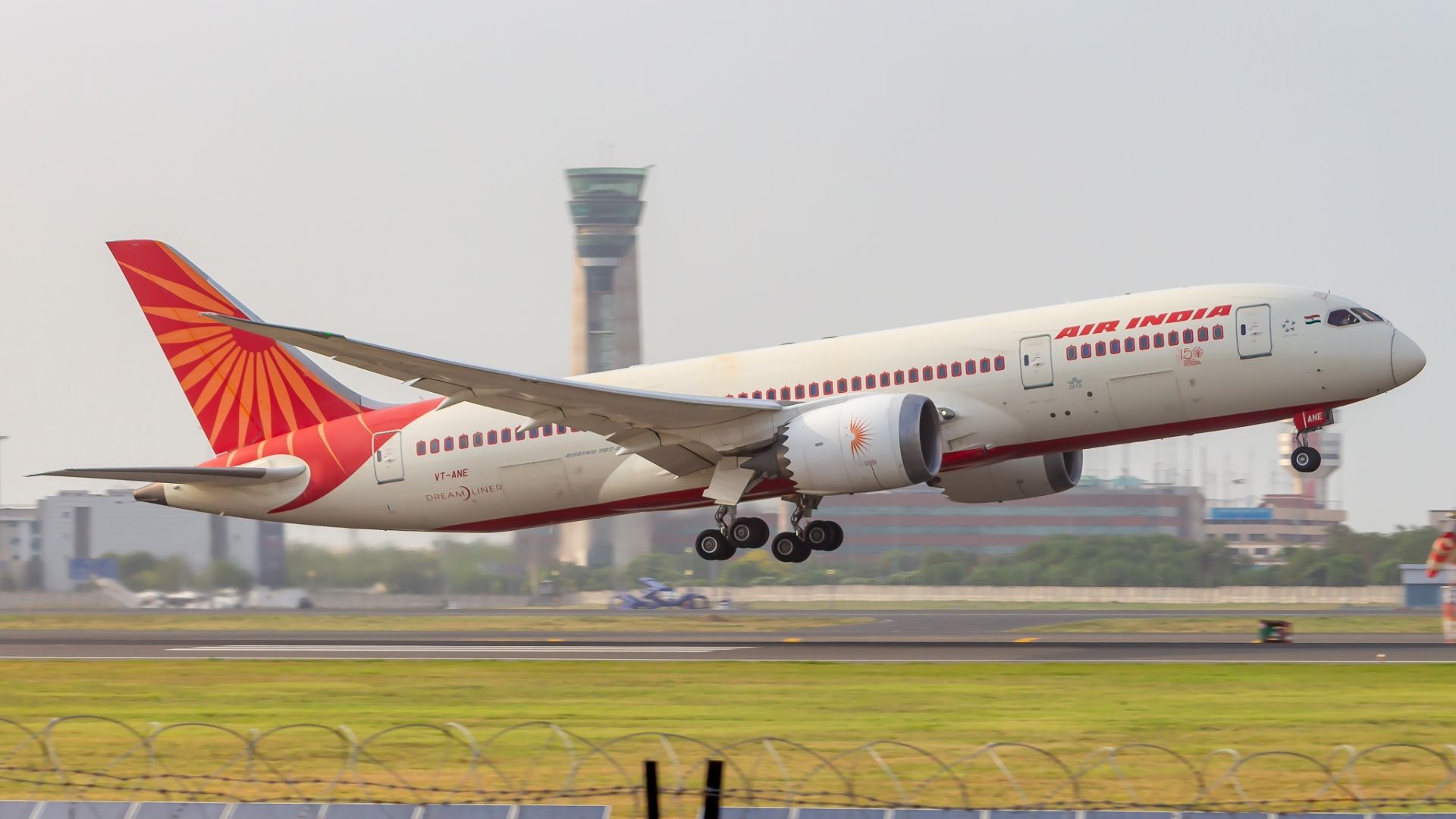
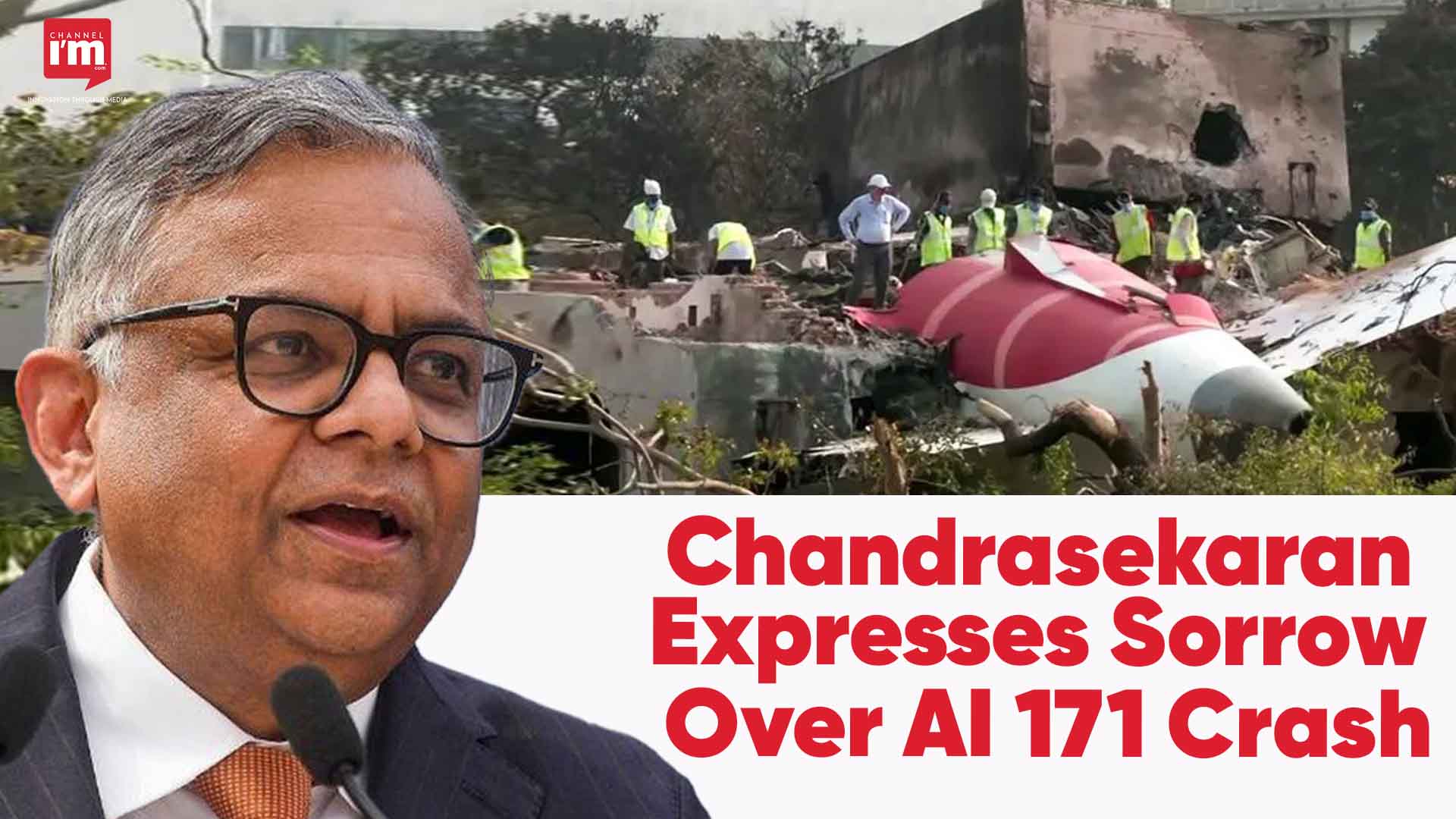
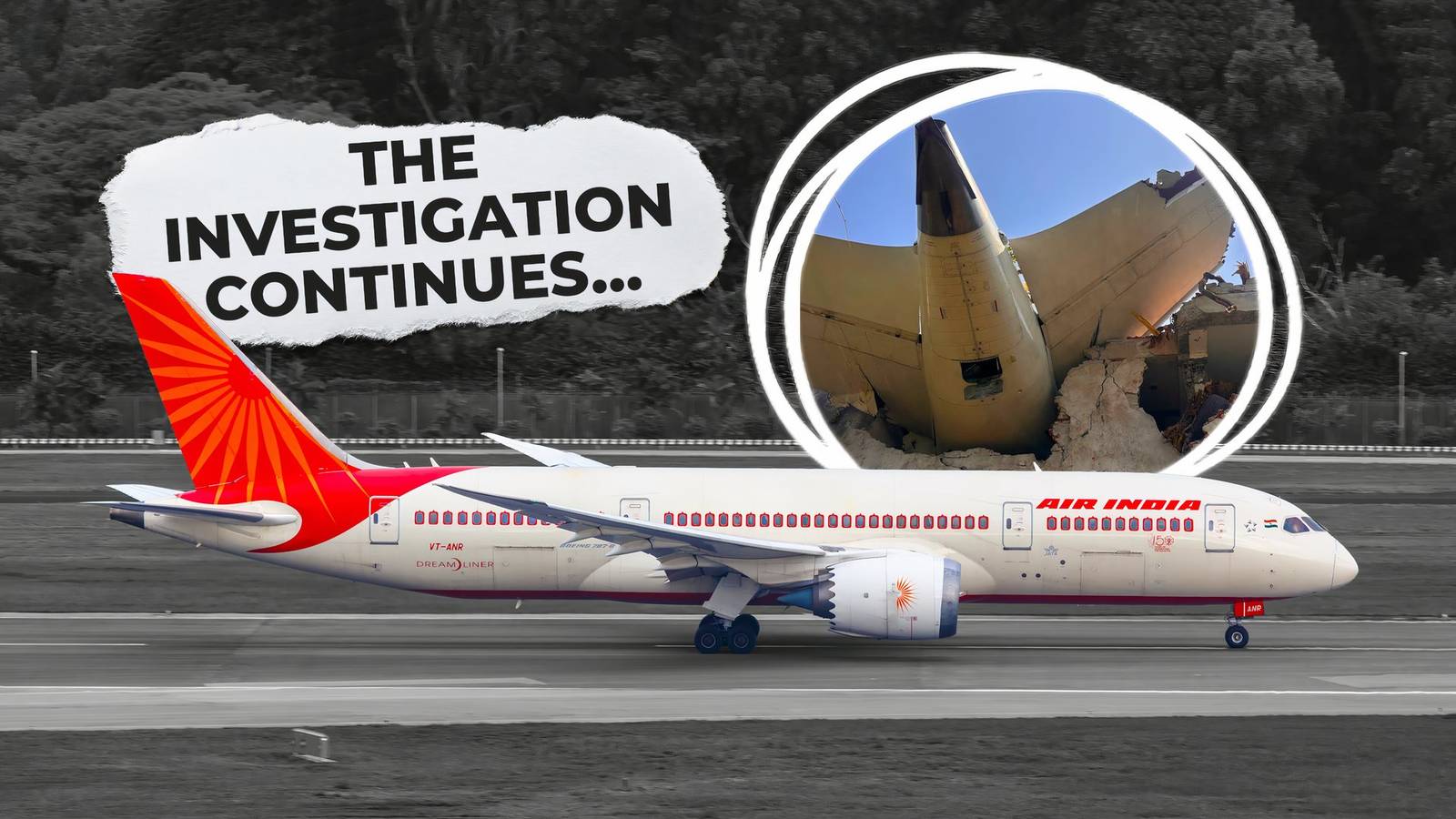
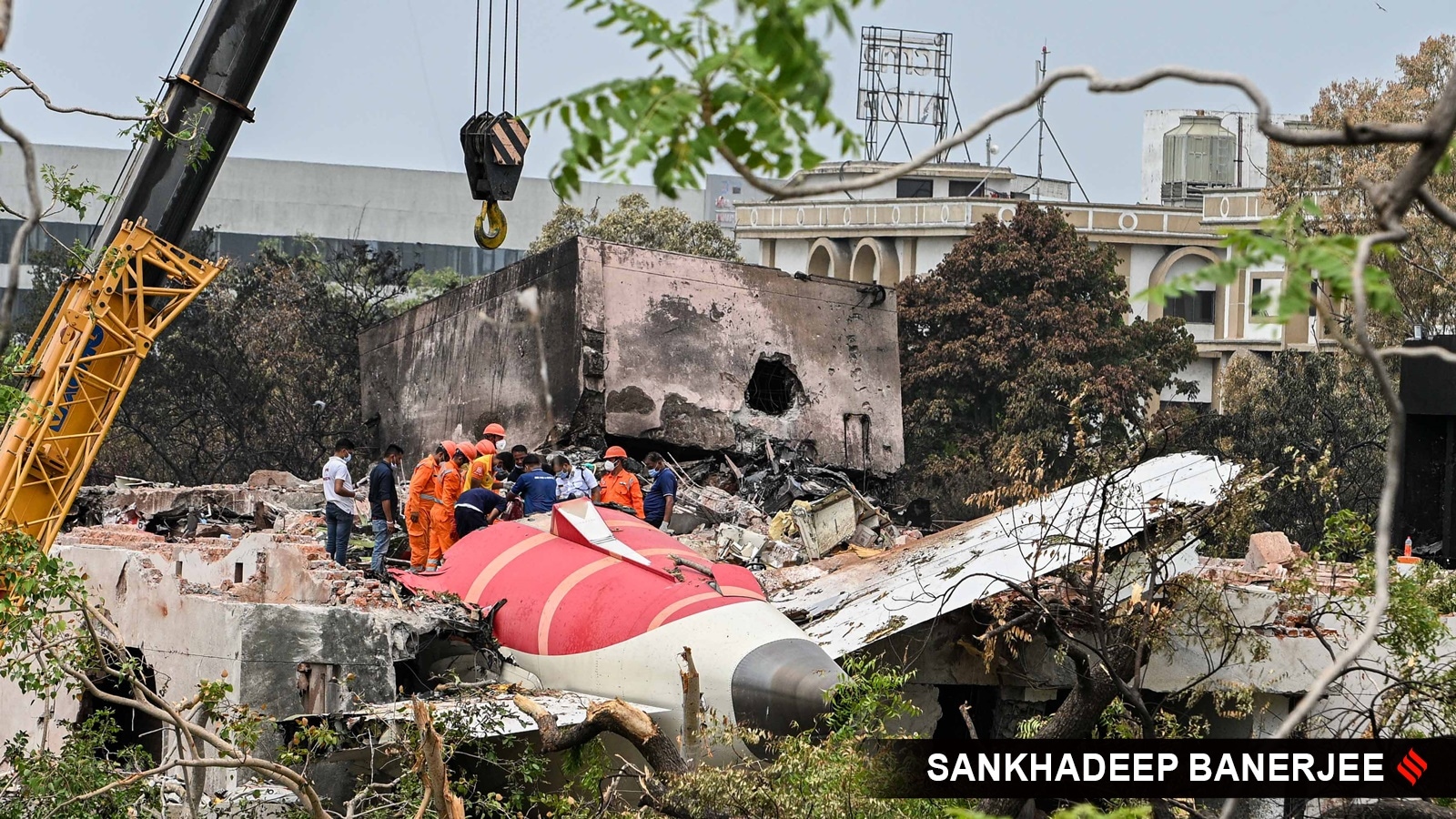
As of 2026, there has been no recorded crash of an Air India Boeing 787 Dreamliner. Current investigative updates focus on global technical directives, Boeing’s manufacturing quality controls, and Air India’s internal maintenance protocols. The fleet continues to operate under rigorous oversight from the Directorate General of Civil Aviation (DGCA) and international safety regulators.
Understanding the Air India Boeing 787 Dreamliner Safety Profile
The Boeing 787 Dreamliner is a cornerstone of Air India’s wide-body international operations. Since the airline took delivery of its first 787-8 in 2012, the aircraft has maintained a high safety threshold. To date, no Air India Dreamliner has been involved in a hull loss or fatal accident. When users search for "Air India Dreamliner crash latest updates," the results typically pertain to global 787 safety investigations, minor operational incidents (such as technical diversions), or confusion with other historical accidents involving different aircraft types, such as the 2020 Air India Express Flight 1344 (a Boeing 737) or the 1985 Kanishka tragedy (a Boeing 747).
The "investigation analysis" of the Dreamliner fleet is a continuous process. Aviation safety is not merely reactive; it is a proactive discipline involving the analysis of flight data, mechanical wear-and-tear, and software reliability. For Air India’s fleet of 27 Boeing 787-8s, this involves regular synchronization with Boeing’s global health monitoring systems and adherence to Airworthiness Directives (ADs) issued by the Federal Aviation Administration (FAA) and the DGCA.
The Dreamliner’s design, which utilizes a high percentage of composite materials and an "all-electric" architecture, has necessitated unique investigative approaches. Unlike traditional aluminum aircraft, the Dreamliner’s carbon-fiber-reinforced polymer (CFRP) fuselage requires advanced non-destructive testing (NDT) to identify structural fatigue. Analysts focus on these areas to ensure the long-term integrity of the fleet as it matures toward its mid-life service cycle in 2026.
Historical Investigation Context: The 2013 Battery Grounding
The most significant investigative event in the history of the Boeing 787, which directly impacted Air India, was the global grounding of the fleet in January 2013. This grounding followed two separate incidents involving lithium-ion battery fires—one on a Japan Airlines (JAL) aircraft in Boston and another on an All Nippon Airways (ANA) flight in Japan.
At the time, Air India was one of the early adopters of the 787, and the grounding was a major operational blow. The subsequent investigation by the National Transportation Safety Board (NTSB) and the FAA revealed a "thermal runaway" issue within the battery cells. The analysis led to a comprehensive redesign of the battery casing, improved cell insulation, and the addition of a ventilation system to exhaust smoke and gases outside the aircraft.
Air India’s fleet was retrofitted with these enhanced battery systems before being cleared for flight in mid-2013. Since that period, the battery systems have performed reliably, and no similar incidents have been reported within the Air India fleet. This historical analysis remains a foundational case study in how modern aviation investigates and resolves complex electrical failures in next-generation aircraft.
Recent Technical Analysis: Boeing Manufacturing and Quality Control
In recent years (2024–2025), investigative focus shifted from the aircraft’s design to its manufacturing quality. Reports of gaps in fuselage joins and improper shimming at Boeing’s South Carolina plant triggered global inspections. For Air India, this meant a detailed audit of their 787-8 aircraft to ensure that manufacturing variances did not exceed safety tolerances.
The investigative analysis of these quality concerns focused on the following:
- Fuselage Join Integrity: Ensuring that the sections of the composite fuselage were bonded and fastened exactly to specifications to prevent premature structural fatigue.
- Horizontal Stabilizer Shimming: Verifying that the shims (small pieces of material used to fill gaps) were correctly installed in the tail section.
- Pressure Bulkhead Inspections: Examining the forward pressure bulkhead for non-conforming holes or fasteners.
As of 2026, Air India’s maintenance teams, in coordination with Boeing technicians, have completed these inspections. The analysis confirmed that while some minor adjustments were necessary across the global 787 fleet, Air India’s aircraft remained within the safe operational envelope. These updates are vital for passengers and stakeholders who monitor the structural health of the airline’s long-haul workhorse.
Air India’s Maintenance and Safety Protocols (MRO)
Since the acquisition of Air India by the Tata Group, there has been a massive investment in Maintenance, Repair, and Overhaul (MRO) capabilities. The investigative analysis of fleet performance is now supported by advanced data analytics and the "Vihaan.AI" transformation plan.
Air India utilizes Flight Data Monitoring (FDM) to analyze every flight. If a Dreamliner experiences an "excursion" (a deviation from standard flight parameters), the data is immediately flagged for investigation. This proactive analysis covers everything from engine temperature fluctuations in the GEnx-1B engines to the responsiveness of the fly-by-wire flight control systems.
Regular maintenance checks for the Dreamliner are categorized into:
- A-Checks: Performed every 1,000 flight hours, focusing on visual inspections and fluid levels.
- C-Checks: Extensive structural and system inspections performed every 2–3 years.
- Heavy Maintenance (D-Checks): Deep-level structural analysis where the aircraft is partially stripped down to inspect the composite airframe.
In 2026, Air India’s new MRO facility in Bengaluru provides the airline with the capability to perform these complex investigations in-house, reducing reliance on third-party overseas providers and ensuring a higher level of oversight.
Regulatory Oversight and Global Safety Standards
The safety of Air India’s Dreamliners is governed by a multi-layered regulatory framework. The Directorate General of Civil Aviation (DGCA) in India is the primary body responsible for oversight. However, because the 787 is an American-manufactured aircraft, the Federal Aviation Administration (FAA) issues the primary Airworthiness Directives that the DGCA then mandates for Indian carriers.
Comparison of 787 Technical Directives and Mitigation Strategies
The following table summarizes the key technical areas that have been the subject of investigation and the current status of their mitigation as of 2026.
| Technical Focus Area | Primary Concern/Issue | Investigation/Mitigation Status (2026) | Impact on Air India Fleet |
|---|---|---|---|
| Lithium-Ion Batteries | Thermal runaway and fire risk | Resolved via stainless steel enclosure and venting. | All units retrofitted; zero recent incidents. |
| GEnx-1B Engines | Ice crystal icing (ICI) at high altitudes | Software updates and hardware modifications to fan blades. | Fleet fully compliant; pilot training updated. |
| Fuselage Gaps | Manufacturing variances in composite joins | Comprehensive fleet-wide inspection and shimming audit. | All 27 aircraft cleared after mandatory checks. |
| Windshield Cracking | Occasional electrical arcing in heated panes | Replacement with improved, reinforced glass units. | Routine maintenance item; no safety compromise. |
| Software Integrity | Vulnerabilities in flight control/navigation | Periodic cybersecurity and logic updates (e.g., the 248-day power cycle bug). | Mandatory power-cycle protocols and software patches. |
Operational Incident Analysis: Diversions and Technical Snags
While no "crash" has occurred, the Air India Dreamliner fleet has experienced several high-profile technical snags that have necessitated investigative diversions. Analyzing these incidents is crucial for understanding the difference between a catastrophic failure and a controlled safety response.
One common incident involves windshield cracks. The 787 uses a sophisticated multi-pane heated windshield. On several occasions, Air India flights (such as those on the Delhi-London or Delhi-New York routes) have diverted due to cracks in the outer layer of the glass. Investigation usually points to a failure in the heating element or minor impact from hail or debris. Crucially, the internal structural layer of the windshield remains intact, and the diversion is a precautionary measure consistent with "Safety First" protocols.
Another area of investigation has been the cabin environmental control systems. The 787 is unique because it does not use "bleed air" from the engines for cabin pressurization; instead, it uses electric compressors. Investigations into occasional "fume events" or "unusual odors" in the cabin have led to improved filtration and sensor calibrations. These updates ensure that the air quality remains within health standards, reflecting the airline's commitment to passenger well-being.
The Role of the Dreamliner in Air India's Future
Looking toward the remainder of 2026 and into 2027, the Dreamliner remains a pivotal asset. Air India has placed orders for the larger 787-9 variant to complement its existing 787-8s. This expansion comes with an even more stringent investigative framework. The new aircraft feature updated avionics and improved fuel efficiency, but they also require the airline to stay ahead of "infant mortality" failures—technical issues that can occur in brand-new aircraft.
The analysis of the 787's performance data is also being used to train the next generation of Air India pilots at the airline’s new training academy. By studying past investigation reports—both global and domestic—pilots are better equipped to handle "non-normal" checklists, ensuring that technical snags are managed without escalating into serious safety events.
Frequently Asked Questions (FAQs)
Has an Air India Dreamliner ever crashed?
No, as of 2026, no Boeing 787 Dreamliner operated by Air India has ever crashed. The fleet has maintained a strong safety record since its introduction in 2012, with no hull losses or passenger fatalities due to accidents.
What are the "latest updates" regarding 787 safety?
The latest updates involve the successful completion of global fuselage inspections and the implementation of software patches for the flight control systems. Regulators have expressed confidence in the 787’s structural integrity following rigorous audits of Boeing’s production facilities.
Are the technical snags on Air India 787s common?
While the 787 is a complex aircraft that occasionally experiences technical snags (like windshield cracks or sensor errors), these are not considered "common" in a way that suggests a safety flaw. They are typical for modern long-haul aircraft and are managed through strict maintenance and diversion protocols.
Who investigates incidents involving Air India aircraft?
In India, the Aircraft Accident Investigation Bureau (AAIB) is responsible for investigating serious incidents and accidents. For technical snags, the DGCA oversees the airline's internal investigation and corrective actions, often in collaboration with Boeing and the FAA.
Is it safe to fly on an Air India Dreamliner in 2026?
Yes, the Boeing 787 Dreamliner remains one of the safest and most advanced aircraft in the world. Air India’s fleet is subject to international safety standards, and the airline’s recent modernization under the Tata Group has significantly enhanced its maintenance and safety oversight.
Practical Guidance for Concerned Travelers
For travelers seeking the most current information on flight safety, it is recommended to consult official sources rather than social media or sensationalist news reports. The Aviation Safety Network (ASN) and the DGCA's official portal provide verified data on incidents and safety audits.
If you are a passenger, you can take confidence in the fact that every technical diversion or "snag" reported in the media is a result of a highly sensitive safety system working as intended—prioritizing the precautionary landing of an aircraft rather than pushing it beyond its designed operational limits. The "investigation analysis" of these events is what keeps aviation the safest mode of transport in the modern era.