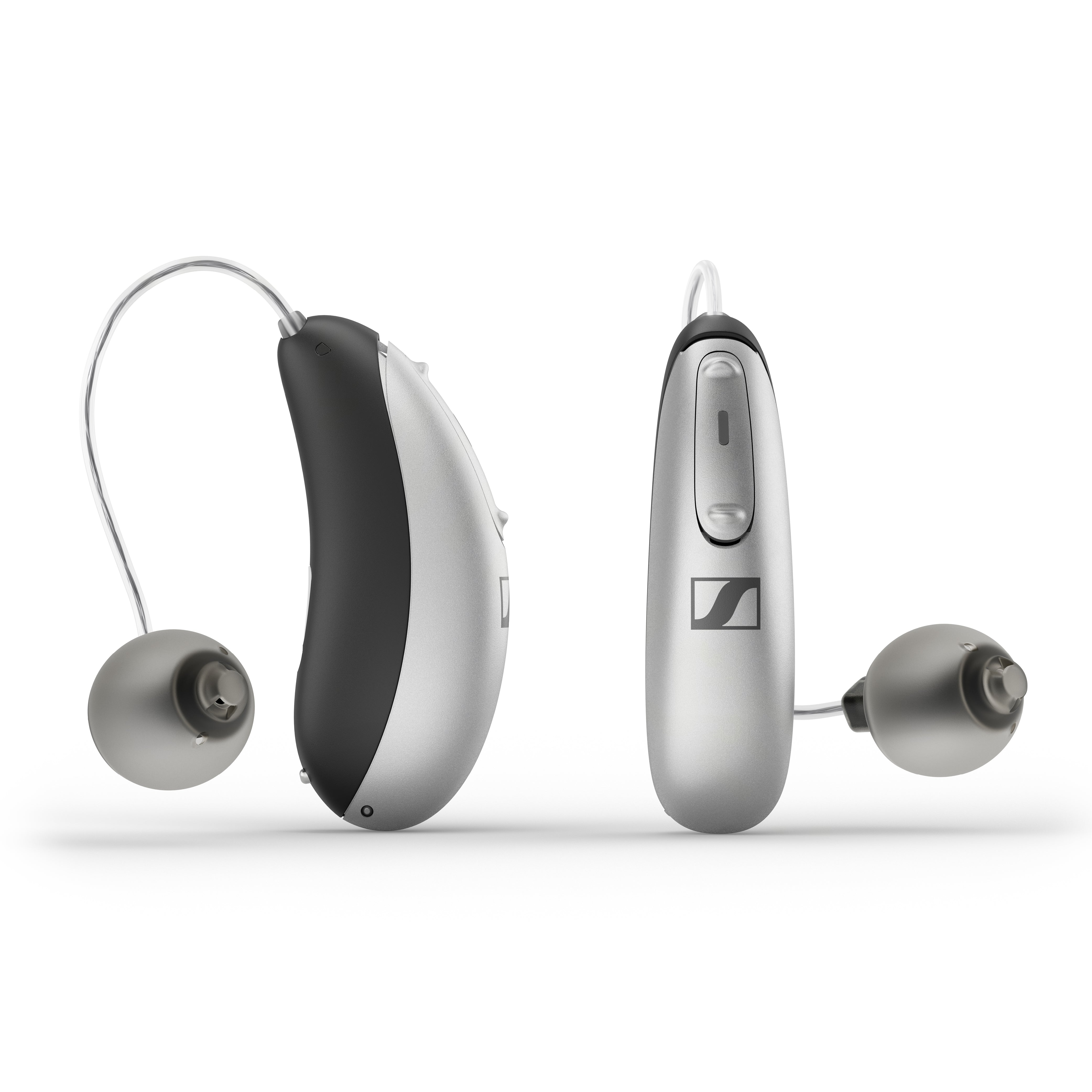
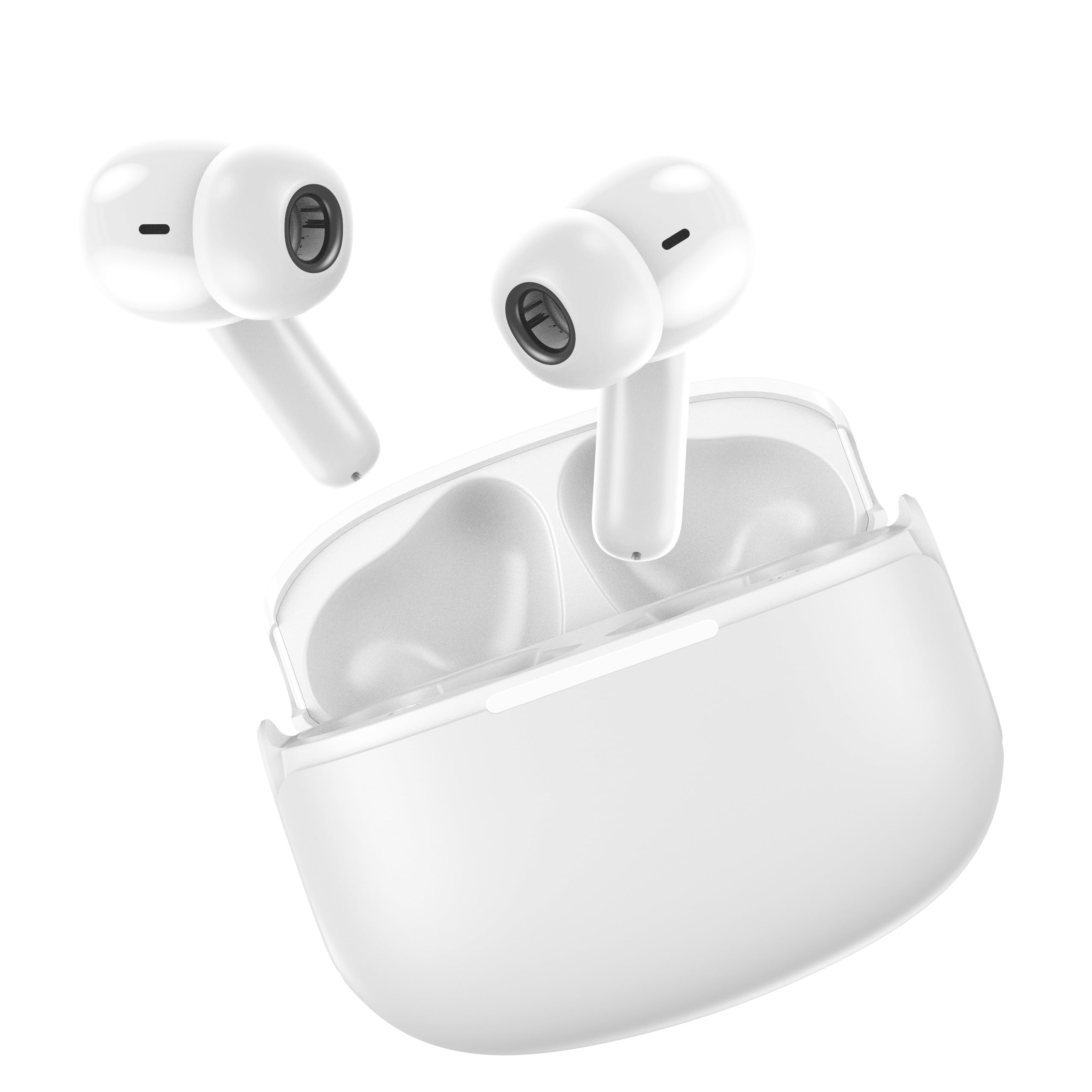
Air hearing aids represent a modern class of auditory technology designed to deliver high-fidelity audio through lightweight, discreet, and breathable designs. These devices prioritize "air conduction" pathways and open-fit architectures to provide clear sound without the uncomfortable "plugged-ear" sensation known as the occlusion effect. By 2026, these aids have integrated sophisticated artificial intelligence to make environmental adaptation entirely effortless for the user.
The Science of Air Conduction and Sound Clarity
To understand "air hearing aids," one must first distinguish the mechanism of air conduction from other methods like bone conduction. Air conduction is the natural process by which sound waves travel through the air, enter the ear canal, and vibrate the eardrum. Modern air hearing aids enhance this process by using high-performance transducers that capture sound and reproduce it with extreme precision.
The pursuit of "clear sound" in 2026 is driven by Wide Dynamic Range Compression (WDRC) and advanced Digital Signal Processing (DSP). These technologies allow the hearing aid to differentiate between soft sounds that need amplification (like a grandchild’s whisper) and loud sounds that should remain comfortable (like a passing siren). By processing audio across dozens of independent channels, these devices ensure that the output is balanced and crisp, minimizing the distortion that plagued older generations of hearing technology.
Another critical component of clarity is the reduction of the "occlusion effect." Traditional hearing aids often seal the ear canal completely, causing the wearer’s own voice to sound hollow or booming. "Air-style" aids frequently use an open-fit design or vented domes. These vents allow natural low-frequency sounds to enter the ear normally while the hearing aid focuses on amplifying the high-frequency sounds where most hearing loss occurs. This creates a more natural, "airy" listening experience that users find significantly more tolerable for all-day wear.
Achieving Effortless Hearing Through Artificial Intelligence
Effortless hearing is the ultimate goal of auditory rehabilitation. In 2026, this is achieved through the integration of Deep Neural Networks (DNN) directly onto the hearing aid’s chipset. These AI models have been trained on millions of real-world sound environments, ranging from quiet libraries to bustling transit hubs.
When a wearer enters a noisy restaurant, the "effortless" component manifests as the hearing aid automatically identifying the primary speech signal and suppressing the background "babble." This reduces the cognitive load on the brain. According to the World Health Organization, untreated hearing loss can lead to social isolation and cognitive decline precisely because the brain becomes exhausted from trying to decode fragmented speech signals. By automating the filtering process, air hearing aids allow the wearer to engage in conversation without the mental fatigue traditionally associated with hearing impairment.
Furthermore, these devices now feature "Environmental Scene Analysis." This technology scans the acoustic environment thousands of times per second. If the system detects wind noise while you are walking outdoors, it instantly adjusts the microphone polar patterns to prevent the "whistling" sound, ensuring that the sound remains clear and the transition between environments is seamless and unnoticeable to the user.
Key Features of Modern Air Hearing Aid Technology
As of 2026, the hardware in these devices has reached a level of miniaturization that allows for extreme comfort and high functionality. Several key features define the current market:
- Bluetooth LE Audio and Auracast: Most air hearing aids now support Bluetooth Low Energy (LE) Audio. This allows for high-quality streaming from smartphones and televisions with minimal battery drain. Auracast technology enables users to "tune in" to public broadcasts in airports, theaters, or lecture halls directly through their hearing aids, further enhancing clarity in large spaces.
- Rechargeable Lithium-Ion Power Cells: The transition away from disposable zinc-air batteries is nearly complete in 2026. Current air hearing aids offer up to 24 to 30 hours of use on a single three-hour charge, with portable charging cases providing an additional three to four days of power.
- Self-Fitting Algorithms: For Over-the-Counter (OTC) models, sophisticated smartphone apps allow users to perform a clinically validated hearing test at home. The app then programs the "air" device to match the user’s specific hearing profile, making professional-grade sound accessible without a mandatory clinic visit for mild-to-moderate cases.
- Binaural Synchronization: Hearing aids work in pairs to mimic natural hearing. They communicate with each other to ensure that volume changes and program shifts happen simultaneously in both ears, preserving the user’s ability to localize where a sound is coming from.
A Comparison of Modern Air-Style Hearing Aid Form Factors
Choosing the right device depends on the degree of hearing loss, ear anatomy, and lifestyle needs. The following table compares the most common "air" designs available in 2026.
| Feature | Receiver-in-Canal (RIC) | Completely-in-Canal (CIC) | Invisible-in-Canal (IIC) |
|---|---|---|---|
| Discreetness | High (thin wire behind ear) | Very High (sits in canal) | Maximum (hidden in bend) |
| Airflow/Breathability | Excellent (Open-fit domes) | Moderate (requires venting) | Low (fills canal) |
| Battery Life | 24-30 Hours (Rechargeable) | 16-20 Hours (Rechargeable) | 3-5 Days (Disposable) |
| Best For | Mild to Profound Loss | Mild to Moderate Loss | Mild to Moderate Loss |
| Connectivity | Full Bluetooth & Auracast | Limited / Optional | Minimal / No Bluetooth |
| Primary Benefit | Natural sound, no occlusion | Cosmetic appeal | Total invisibility |
Navigating the Purchase: OTC vs. Professional Prescription
In 2026, the distinction between Over-the-Counter (OTC) and prescription hearing aids is well-defined by the U.S. Food and Drug Administration (FDA).
OTC Air Hearing Aids are designed for adults with perceived mild-to-moderate hearing loss. These are self-fit and self-tuned. They are ideal for individuals who notice they have trouble hearing in groups or frequently ask others to repeat themselves but do not have complex medical ear issues. They are significantly more affordable, typically ranging from $700 to $1,500 per pair.
Prescription Air Hearing Aids remain the gold standard for individuals with severe to profound hearing loss, or those with asymmetrical loss (one ear significantly worse than the other). A licensed audiologist uses "Real Ear Measurements" (REM) to verify that the hearing aid is hitting specific decibel targets based on the patient's unique ear canal resonance. This professional calibration ensures maximum clarity and safety, especially in complex cases where "effortless hearing" requires more than just a general algorithm.
Maintenance and Optimization for Longevity
To maintain clear sound, users must adhere to a strict maintenance routine. The primary enemies of air hearing aids are moisture and cerumen (earwax).
- Daily Cleaning: Use a soft, dry cloth to wipe the exterior of the devices. Never use water or solvents, as these can damage the delicate internal microphones.
- Wax Guard Replacement: Most RIC and CIC devices use a small filter called a wax guard. If the sound becomes muffled or "dead," the most common culprit is a clogged wax guard. These should be replaced every 4 to 8 weeks.
- Dehumidification: Even though many 2026 models carry an IP68 rating (water-resistant), internal humidity can still affect the circuitry. Using a dedicated hearing aid dryer or a simple desiccant jar overnight can significantly extend the life of the transducers.
- Firmware Updates: Just like a smartphone, modern hearing aids receive software updates via their companion apps. These updates often include improved noise-reduction algorithms and security patches for Bluetooth connectivity.
Frequently Asked Questions
Can air hearing aids help with tinnitus?
Yes, many 2026 air hearing aids include integrated tinnitus masking technology. By delivering a low-level "white noise" or specialized therapeutic tones, the devices help the brain habituate to the ringing, making it less noticeable while simultaneously providing clear sound for external conversations.
How do I know if I need a hearing aid or just a cleaning?
If you experience a sudden drop in hearing, you should see an Ear, Nose, and Throat (ENT) specialist immediately, as this could be an impaction or a medical emergency. However, for gradual loss, a professional hearing test can determine if the "muffled" sensation is due to physical blockage or damage to the hair cells in the cochlea.
Are "invisible" air hearing aids as powerful as the ones behind the ear?
Generally, no. While IIC (Invisible-in-Canal) aids are very discreet, their small size limits the power of the amplifier and the size of the battery. RIC (Receiver-in-Canal) models are usually preferred for "effortless hearing" because they can house larger processors and more powerful speakers, making them suitable for a wider range of hearing loss.
Is the sound from an OTC aid as clear as a prescription one?
In 2026, the gap in sound quality between high-end OTC and entry-level prescription aids has narrowed significantly. However, a prescription aid is tailored specifically to your ear’s anatomy and your brain’s processing speed, which often results in superior clarity in "stressful" acoustic environments like wind or heavy background noise.
Do these devices work with all smartphones?
Most air hearing aids in 2026 utilize the universal Bluetooth LE Audio standard. This ensures compatibility with both Android and iOS devices. However, older smartphones (pre-2023) may lack the hardware required for "Made for iPhone" (MFi) or ASHA (Audio Streaming for Hearing Aids) protocols, so always verify your phone's Bluetooth version.
Next Steps: Improving Your Auditory Health
If you find yourself struggling to follow conversations or feeling exhausted after social events, the first step is to obtain a baseline audiogram. You can visit a professional clinic or utilize a high-quality online screening tool provided by reputable organizations like the American Speech-Language-Hearing Association (ASHA). Once you have your results, decide between the convenience of an OTC "air" device or the customized precision of a prescription model. Embracing hearing technology early not only provides immediate clarity but also protects your long-term cognitive health, making every interaction feel natural and effortless.