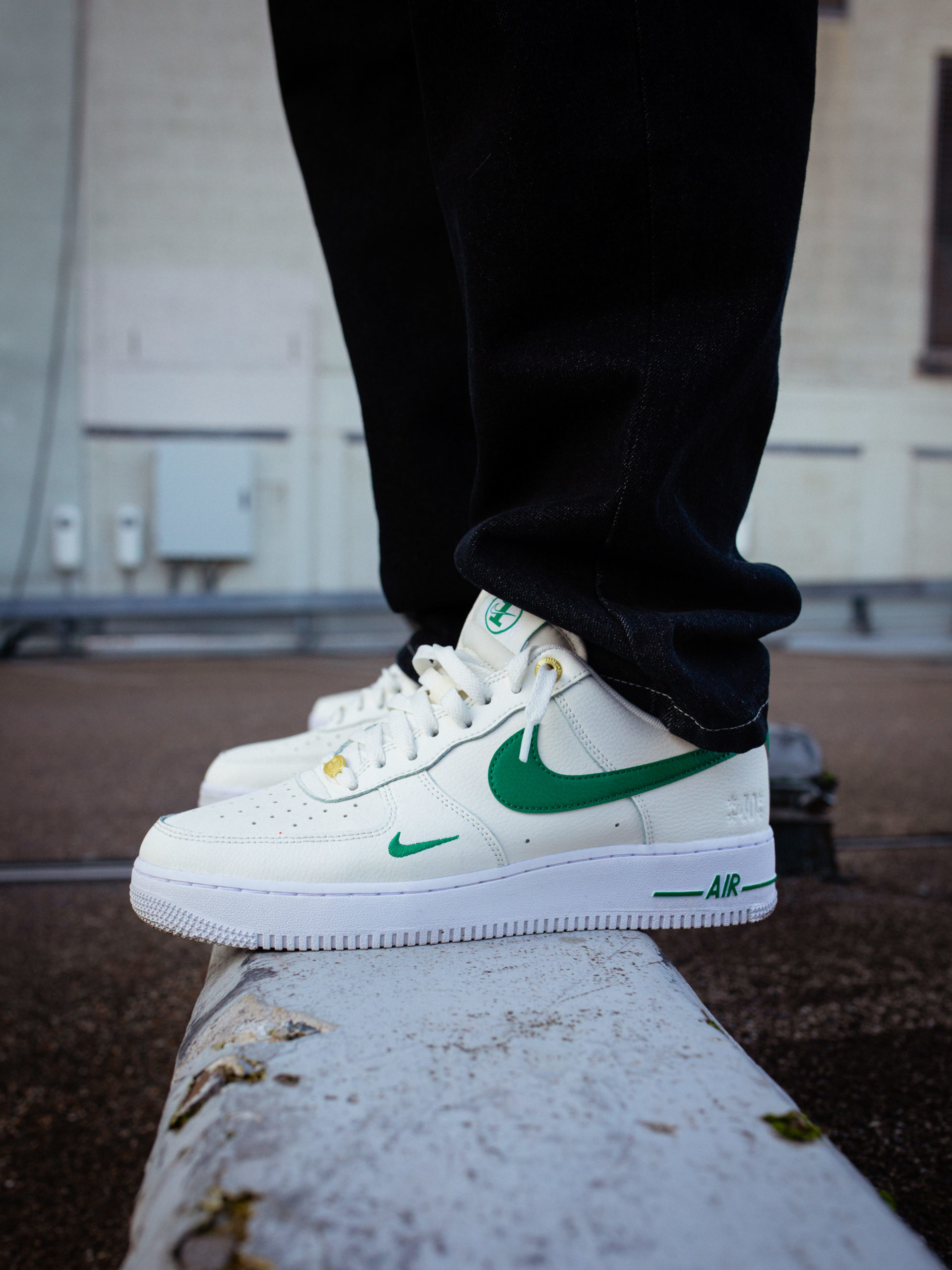
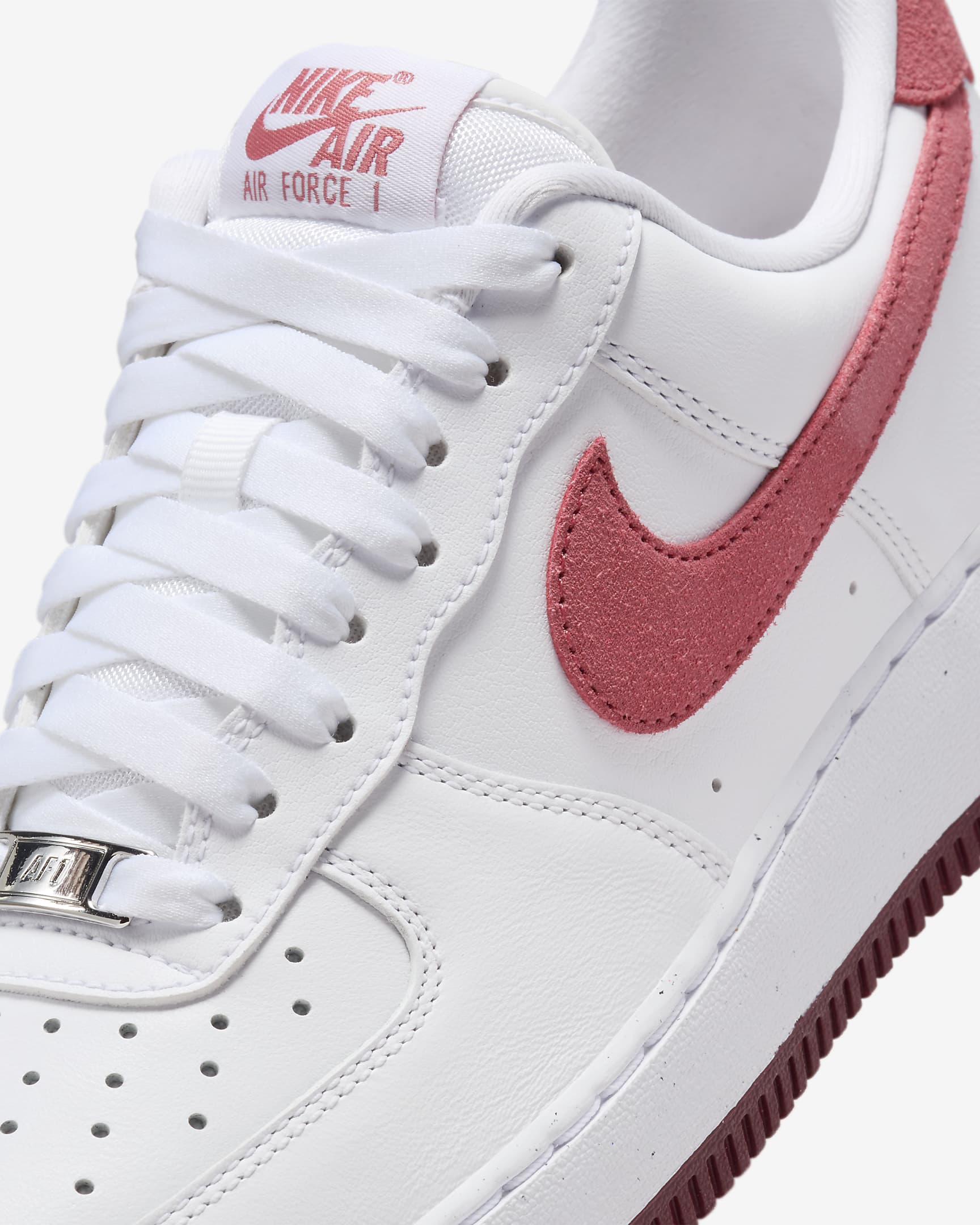
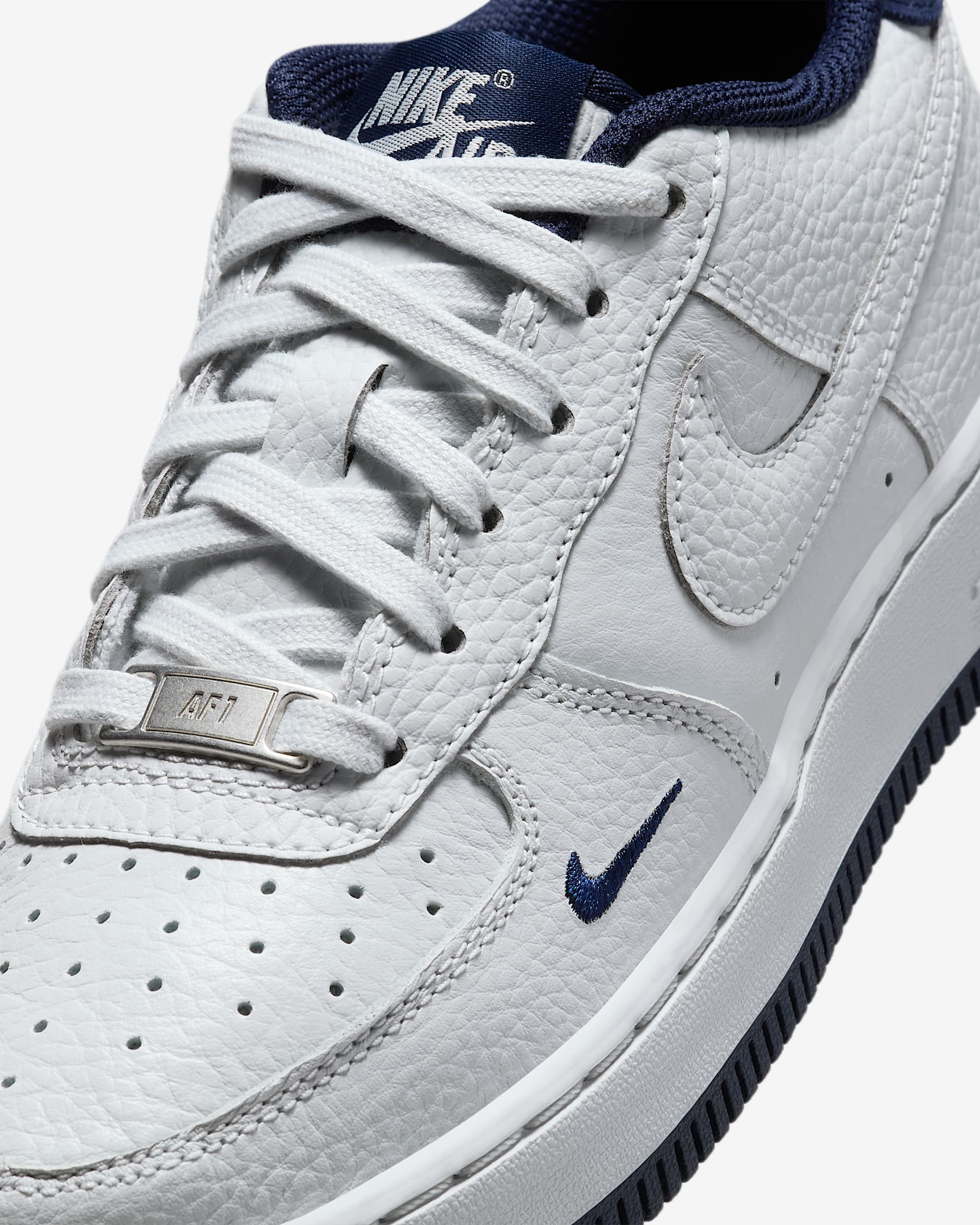
The Nike Air Force 1 is a basketball-turned-lifestyle sneaker originally released in 1982. Designed by Bruce Kilgore, it was the first performance hoop shoe to feature Nike Air cushioning technology. Today, it remains one of the best-selling shoes globally, serving as a cornerstone of street fashion, hip-hop culture, and footwear design.
While "Air Force One" is also the official radio call sign for any United States Air Force aircraft carrying the President of the United States, in the context of global consumer search and fashion, the term almost exclusively refers to this landmark footwear. As of 2026, the shoe has maintained its status for over four decades, evolving from a high-performance athletic tool into a versatile canvas for artistic expression and high-fashion collaborations.
The Evolution of a Legend: From the Court to the Street
The history of the Nike Air Force 1 (AF1) is a rare example of a product that succeeded despite its manufacturer's initial plans. When Bruce Kilgore designed the shoe in 1982, his focus was strictly on utility. He drew inspiration from hiking boots, which is why the original high-top featured a slanted shaft for better flexibility and a strap for ankle stability. This was the first time Nike’s "Air" technology—pressurized gas encapsulated in a flexible urethane bag—was placed into a basketball shoe, providing a level of impact protection that changed the game for athletes.
Initially, Nike marketed the shoe through the "Original Six," a group of NBA stars including Moses Malone and Mychal Thompson. However, following Nike’s standard protocol at the time, the Air Force 1 was slated for discontinuation in 1984 to make room for newer models. The shoe’s survival is credited to three retailers in Baltimore—Charley Rudo, Cinderella Shoes, and Downtown Locker Room—who noticed a persistent demand. They traveled to Nike’s headquarters in Oregon to propose a "Color of the Month" club, convincing Nike to keep producing the AF1 in exclusive colorways. This move birthed the concept of "sneaker drops" and regional exclusives, fundamentally shaping modern sneaker culture.
By the 1990s and early 2000s, the AF1 had migrated from the hardwood of the NBA to the asphalt of New York City and the lyrics of global hip-hop artists. It became a symbol of status, particularly the "Triple White" low-top version, which was often treated as a disposable luxury—worn once and replaced to ensure a pristine look.
Technical Anatomy of the Air Force 1
The enduring appeal of the AF1 lies in its robust construction and timeless silhouette. While the exterior looks simple, the internal engineering was revolutionary for its era and remains functional for daily wear in 2026.
The Sole and Air Unit
The "cupsole" construction is a hallmark of the AF1. Unlike "vulc" (vulcanized) shoes that are thinner and more flexible, the AF1 uses a thick rubber midsole that houses a hidden Air-sole unit in the heel. This provides significant height and durable cushioning. The outsole features a unique circular tread pattern, known as "pivot circles," which were originally designed to help basketball players spin and move on the court without losing grip.
Upper Materials and Breathability
The standard AF1 is constructed from premium leather, though modern iterations utilize Flyknit, suede, and recycled materials under Nike’s "Move to Zero" sustainability initiative. The perforated toe box is not just aesthetic; it provides essential ventilation to keep the foot cool. The "dubrae"—the small metal lace tag at the base of the laces—was introduced in 1994 and has since become a signature branding element, typically engraved with "AF-1" and the year of the model's debut.
Understanding the Different Models and Silhouettes
The Air Force 1 is primarily available in three heights, each offering a different aesthetic and level of support. Choosing the right one depends on your personal style and comfort preferences.
| Feature | AF1 Low | AF1 Mid | AF1 High |
|---|---|---|---|
| Ankle Height | Below the ankle bone | At the ankle bone | Above the ankle bone |
| Ankle Strap | No | Yes (Integrated) | Yes (Often Removable) |
| Common Use | Everyday lifestyle/Casual | Streetwear/Fashion | Retro basketball/Bold style |
| Breathability | Highest | Moderate | Lowest |
| Weight | Lightest | Medium | Heaviest |
Beyond these three, Nike has introduced several variations to cater to specific needs:
- AF1 '07: The standard modern version that honors the original design while using updated materials.
- AF1 Sage/Shadow: These are women-centric designs featuring platform midsoles or layered, "doubled" aesthetic elements.
- SF-AF1 (Special Field): A military-inspired boot version with high-rise nylon collars and utilitarian straps.
- AF1 Luxe: Versions that lean into "formal" footwear with rugged outsoles and premium leather welting.
Sizing and Comfort: A Practical Guide for Buyers
One of the most common questions regarding the Air Force 1 is how it fits. Historically, the AF1 is known to run large. Most enthusiasts and retail experts recommend going down a half-size from your standard sneaker size (e.g., if you wear a 10 in Nike Running or Jordan Brand, a 9.5 in AF1 usually fits better).
The interior is quite spacious, making it an excellent choice for individuals with wider feet. However, because of the thick leather and sturdy cupsole, the shoe can feel stiff out of the box. There is a "break-in" period where the leather softens and the Air unit begins to compress slightly to match your gait. In terms of comfort, while it may not compete with modern foam-based shoes like the ZoomX for long-distance walking, it remains a highly supportive and stable shoe for all-day casual wear.
Cultural Significance and High-Profile Collaborations
The Air Force 1 is more than just footwear; it is a cultural artifact. It was the first sneaker to reach the $1 billion sales mark in a single year, and its influence spans several industries. In the early 2000s, Nelly’s hit single "Air Force Ones" solidified the shoe’s place in the hip-hop canon.
In the 2010s and 2020s, the AF1 became the centerpiece for high-fashion experimentation. Notable collaborations that have defined the shoe’s legacy include:
- Off-White x Nike (The Ten): Virgil Abloh’s deconstructed take on the AF1 is considered one of the most important designs in sneaker history.
- Travis Scott: Featuring interchangeable Swooshes and canvas uppers, these models brought a DIY aesthetic to the masses.
- Louis Vuitton: Following Virgil Abloh’s appointment at Louis Vuitton, a series of AF1s were produced in Italy using luxury house leathers, bridging the gap between "streetwear" and "high luxury" permanently.
- A Ma Maniére: These collaborations have focused on "handcrafted" luxury, using premium suedes and quilted linings.
How to Identify Authentic Nike Air Force 1s
Due to its popularity, the AF1 is one of the most counterfeited shoes in the world. As of 2026, counterfeiters have become increasingly sophisticated, but several key markers remain reliable for authentication.
- The Stitching: Genuine Nikes have consistent, tight stitching. Look specifically at the "Swoosh" and the heel tab. Counterfeits often have frayed threads or uneven spacing.
- The Dubrae: The metal lace tag should be heavy and cleanly engraved. Fake versions often feel like light plastic or have "AF-1" text that looks blurry.
- The "E" in Nike: On the heel embroidery of authentic pairs, the "E" in the Nike logo usually connects perfectly with the Swoosh above it.
- The Perforations: On the toe box, the holes should be centered and cleanly punched. In fakes, these holes are often off-center or have jagged edges.
- The Box and Label: Check the SKU (Stock Keeping Unit) number on the box label. It should match the number printed on the size tag inside the shoe. You can verify these numbers on the official Nike website.
Preservation and Maintenance: Keeping AF1s "Fresh"
The "Triple White" AF1 is notoriously difficult to keep clean. To maintain the "fresh out of the box" look, a proactive care routine is essential. Leather AF1s should be treated with a water and stain repellent spray before the first wear.
If the shoes become soiled, use a soft-bristle brush and a specialized sneaker cleaning solution. Avoid using harsh household detergents or placing them in a washing machine, as the heat can cause the midsole glue to fail and the leather to crack. For the dreaded "toe box crease," many users employ "crease protectors"—plastic inserts that sit inside the shoe to maintain the leather's shape while walking.
FAQ
How much do Nike Air Force 1s cost in 2026?
Standard retail pricing for the Air Force 1 Low '07 typically ranges from $115 to $135 USD. Limited editions, collaborative pairs, or "Premium/Luxe" versions can range from $160 to over $2,000 for high-fashion releases like the Louis Vuitton editions.
Can you play basketball in Air Force 1s?
While they were originally designed for the NBA, the AF1 is considered "retro" technology by 2026 standards. They are significantly heavier and less breathable than modern performance shoes like the Nike LeBron or KD lines. While possible for a casual "pick-up" game, they lack the lateral support and energy return required for high-level competitive play.
Why is the Air Force 1 so popular?
Its popularity stems from its versatility. The simple lines and "blank canvas" design allow it to be paired with almost any outfit, from baggy jeans and a hoodie to a tailored suit. Furthermore, its deep-rooted history in hip-hop and urban culture gives it an "cool factor" that transcends age and geography.
Are Air Force 1s sustainable?
Nike has integrated its "Move to Zero" initiative into the AF1 line. Many current models, such as the AF1 "Next Nature," are made with at least 20% recycled content by weight, including recycled synthetic leather and "Grind" rubber outsoles made from post-industrial waste.
Choosing Your Next Pair
When purchasing your next pair of Air Force 1s, prioritize your intended use case. If you are looking for a daily "beater" that goes with everything, the classic Triple White Low remains the gold standard. For those seeking a more rugged, winter-ready option, the AF1 Gore-Tex or AF1 High provides better protection against the elements.
Always purchase from reputable retailers or verified secondary markets to ensure authenticity. Given the shoe's history of running large, visiting a local store to confirm your size is highly recommended before investing in a limited-edition pair. Whether you are a collector or a casual wearer, the Air Force 1 remains a foundational piece of any modern wardrobe.