On January 13, 1982, Air Florida Flight 90 crashed into the 14th Street Bridge and plummeted into the ice-choked Potomac River in Washington, D.C. Of the 79 people on board, only five survived the impact and the freezing water, rescued through the extraordinary bravery of helicopter pilots and civilian bystanders. Their survival remains one of the most documented and miraculous rescue operations in aviation history.
The tragedy of Air Florida Flight 90 is a story of catastrophic mechanical and human error balanced by profound individual heroism. As we look back from 2026, the lessons learned from that afternoon continue to dictate modern de-icing protocols and search-and-rescue coordination. This article explores the harrowing details of the crash, the profiles of the five survivors, the sacrifice of the "sixth man," and the legacy of the rescue efforts.
The Context of the Tragedy: January 13, 1982
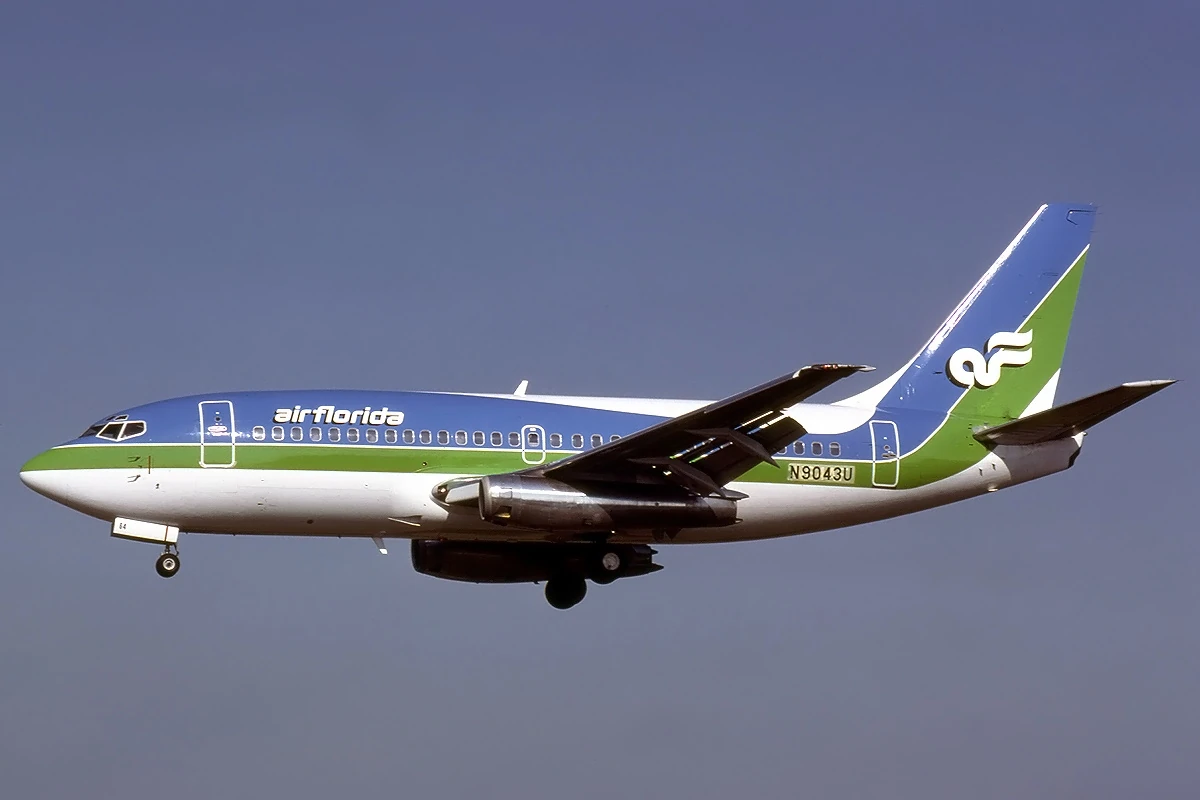
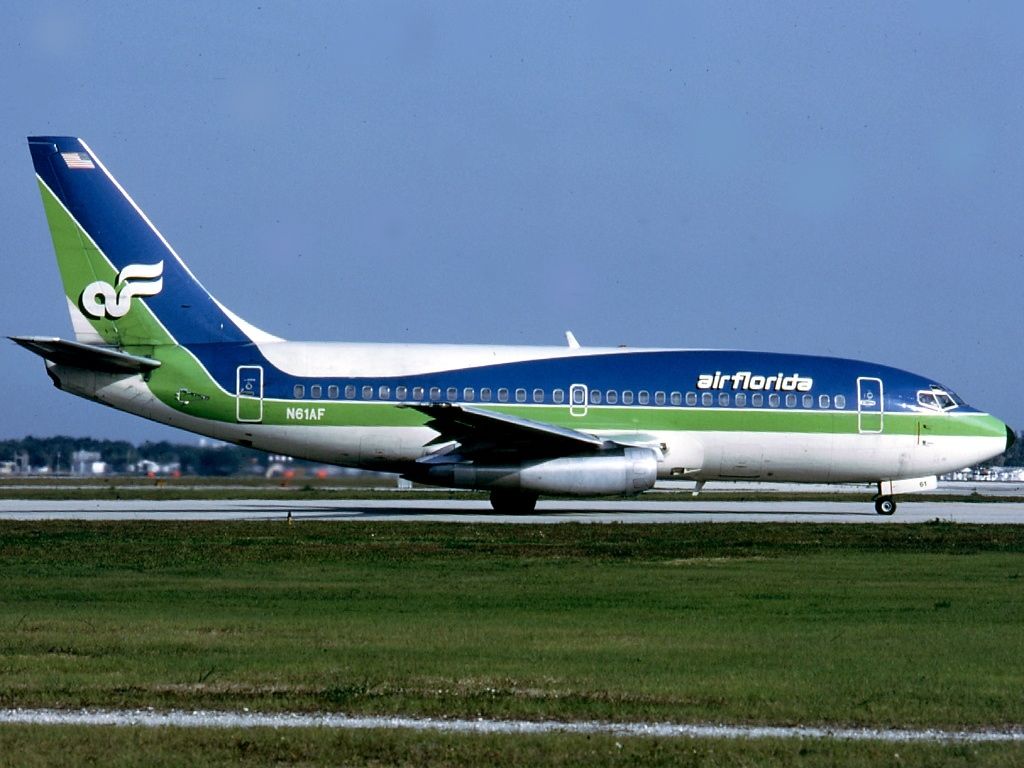
The disaster unfolded during a severe winter storm that had effectively paralyzed the nation's capital. Washington National Airport (now Ronald Reagan Washington National Airport) had been closed for much of the morning due to heavy snowfall. When it reopened, Air Florida Flight 90, a Boeing 737-222 bound for Fort Lauderdale, Florida, was among the first scheduled to depart.
The flight was delayed for nearly two hours as ground crews attempted to de-ice the aircraft. However, a series of critical errors occurred during this window. The flight crew, led by Captain Larry Wheaton and First Officer Roger Pettit, failed to activate the engine anti-ice system. This system uses warm air from the engines to prevent ice buildup on the engine probes. Furthermore, the crew attempted to use the reverse thrust of the engines to back away from the gate—a maneuver known as a "powerback"—which likely blew wet snow and slush onto the leading edges of the wings and into the engines.
When the aircraft finally moved to the runway, the engine pressure ratio (EPR) gauges provided false readings because the probes were clogged with ice. While the pilots believed they were at full takeoff power, the engines were actually producing significantly less thrust. Despite the First Officer’s concerns about the unusual instrument readings during the takeoff roll, the Captain proceeded. The aircraft lifted off briefly, stalled almost immediately, and struck the 14th Street Bridge before submerged into the Potomac River.
The Five Who Survived: Profiles in Endurance
The impact with the bridge tore the aircraft apart. Most of the fuselage sank rapidly into the 30-foot-deep, 34-degree Fahrenheit water. Only the tail section remained buoyant for a short period, providing a precarious handhold for the few who managed to escape the submerged cabin. Out of 74 passengers and 5 crew members, only six people emerged from the water initially.
1. Bert Hamilton
Bert Hamilton was the first to be rescued. Positioned near the floating debris, he was able to grab the line dropped by the rescue helicopter. His survival was a testament to the speed of the initial response, though he suffered from severe hypothermia and the shock of the sudden plunge into the river.
2. Kelly Duncan
Kelly Duncan was the only crew member to survive the disaster. As a flight attendant, she had been seated in the rear of the aircraft. Despite the chaos and her own injuries, she remained remarkably calm. She was famously seen on television footage inflating a life vest for another passenger while treading water, an act of professional duty maintained under life-threatening conditions.
3. Joe Stiley
Joe Stiley was a businessman and a private pilot who recognized the impending stall before the plane hit the bridge. Despite suffering from two broken legs and other internal injuries, Stiley managed to assist other survivors in the water. He attempted to help Priscilla Tirado and Nikki Felch stay afloat while waiting for the helicopter to return.
4. Priscilla Tirado
Priscilla Tirado’s story is perhaps the most heart-wrenching. She lost her husband and her infant son in the crash. Blinded by jet fuel in the water and losing strength due to hypothermia, she struggled to hold onto the rescue line. Her rescue became a defining moment of the event when a bystander on the shore dove into the river to save her.
5. Patricia "Nikki" Felch
Nikki Felch was the final survivor pulled from the water. She was located furthest from the shore and was in the advanced stages of hypothermia by the time the helicopter reached her. She had been clinging to a piece of wreckage with Joe Stiley. Her recovery was a long process involving treatment for severe cold-water immersion and physical trauma.
The Heroism of Arland D. Williams Jr.: The "Sixth Man"
The rescue is inseparable from the story of Arland D. Williams Jr., who was the sixth person to emerge from the wreckage. While the other five survivors were eventually pulled to safety, Williams never made it out of the water.
As the U.S. Park Police helicopter, "Eagle 1," hovered over the survivors, Williams repeatedly caught the rescue rope and passed it to others rather than using it himself. He handed the life ring to Bert Hamilton, then to Kelly Duncan, and then to the pair of Joe Stiley and Nikki Felch. By the time the helicopter returned for him, the tail section of the aircraft had shifted and sunk, taking Williams with it. He was the only victim of the crash to die by drowning; the others had perished from the impact. In honor of his selflessness, the 14th Street Bridge was later renamed the Arland D. Williams Jr. Memorial Bridge.
The Eagle 1 Rescue: A Masterclass in Courage
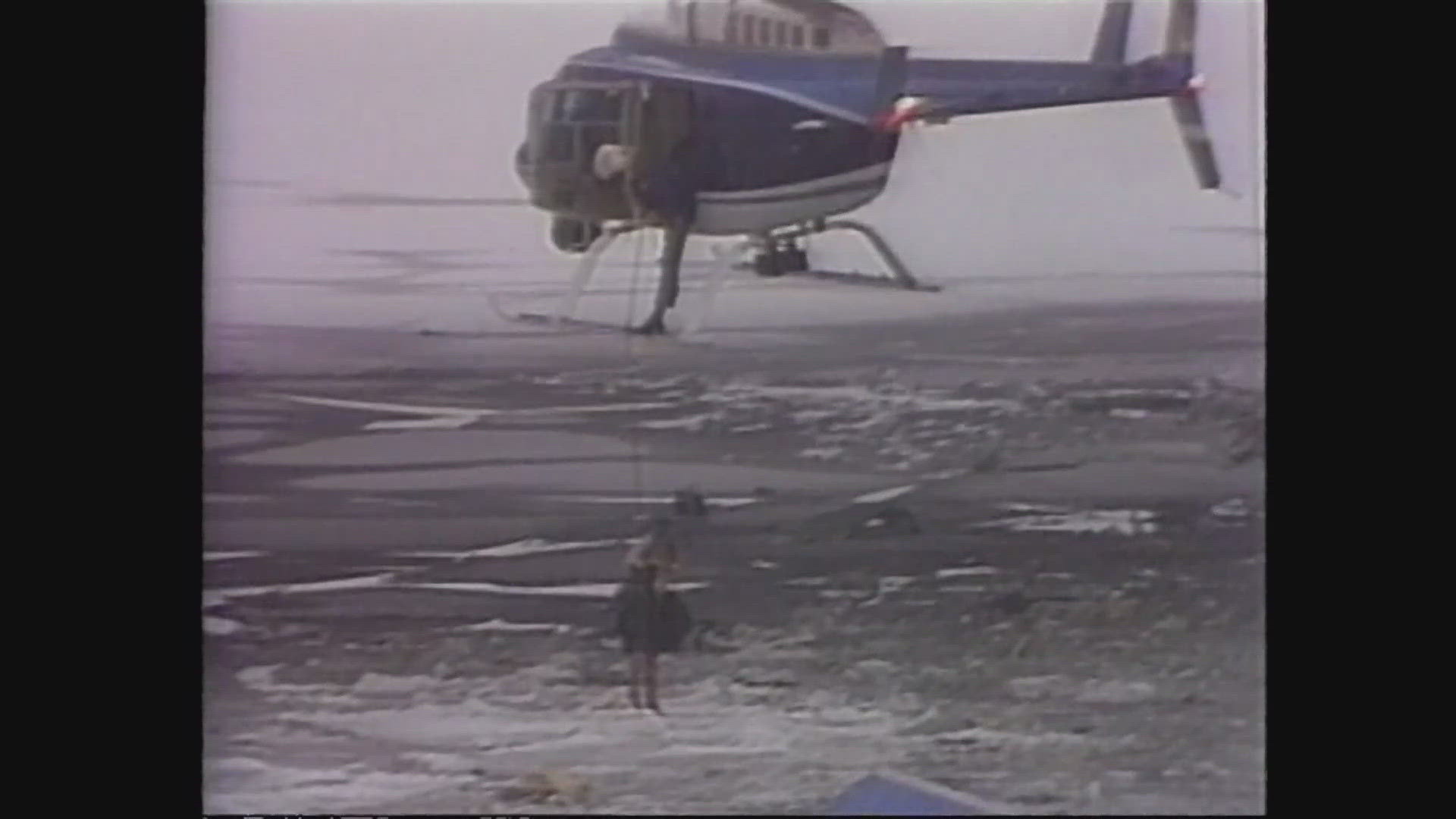
The rescue operation was conducted under near-impossible conditions. The U.S. Park Police helicopter, a Bell 206L-1 LongRanger known as Eagle 1, was piloted by Donald Usher with paramedic Gene Windsor acting as the crewman.
The weather was so severe that most aviation assets were grounded. Usher and Windsor flew at extremely low altitudes, navigating through heavy snow and around bridge structures. To reach the survivors, Usher had to hover the helicopter so low that the skids were occasionally dipping into the freezing water. Windsor leaned out of the helicopter door to hand-deliver the rescue lines to the victims. Their precision and refusal to abandon the survivors in the face of fuel exhaustion and mechanical risk are credited with saving all five lives.
Civilian Heroes on the Bank: Skutnik and Olian
While the helicopter performed the primary extractions, two civilians on the shore played vital roles in the "miraculous" nature of the day.
- Roger Olian: A sheet metal worker who was stuck in traffic on the bridge when the plane hit. He was the first person to enter the water, using a makeshift rope of scarves and battery cables to try and reach the survivors. Although the ice and distance prevented him from reaching the tail section, his immediate action provided hope to those in the water.
- Lenny Skutnik: An office assistant for the Congressional Budget Office, Skutnik witnessed Priscilla Tirado losing her grip on the helicopter’s rescue line. Seeing her slipping under the water, Skutnik stripped off his coat and boots and dove into the ice-filled Potomac. He swam out and dragged her to the shore. His bravery was later recognized by President Ronald Reagan during the State of the Union address, initiating a tradition of honoring "heroes in the gallery."
Comparative Overview of the Survival and Rescue
The following table summarizes the status of the five survivors and the key figures involved in the rescue operation.
| Individual | Role | Outcome | Key Fact |
|---|---|---|---|
| Bert Hamilton | Passenger | Survived | First person rescued by Eagle 1. |
| Kelly Duncan | Flight Attendant | Survived | Only crew member to survive; assisted others in the water. |
| Joe Stiley | Passenger | Survived | Despite broken legs, helped others stay afloat. |
| Priscilla Tirado | Passenger | Survived | Saved from drowning by Lenny Skutnik. |
| Nikki Felch | Passenger | Survived | The last survivor retrieved from the river. |
| Arland Williams Jr. | Passenger | Deceased | The "Sixth Man" who gave his life to save others. |
| Donald Usher | Pilot (Eagle 1) | Hero | Manuevered helicopter in whiteout conditions. |
| Lenny Skutnik | Civilian | Hero | Dove into the Potomac to save Priscilla Tirado. |
Legacy and Aviation Safety Changes
The crash of Air Florida Flight 90 was a watershed moment for the National Transportation Safety Board (NTSB) and the global aviation industry. The investigation revealed that the disaster was entirely preventable, leading to sweeping changes that remain the standard in 2026.
- De-icing Protocols: The industry moved toward more rigorous de-icing and anti-icing fluids (Type II and Type IV), which adhere to wings better during snowfall.
- Crew Resource Management (CRM): This crash is a primary case study in CRM. It highlighted the need for First Officers to be more assertive when they notice instrument discrepancies and for Captains to listen to those concerns.
- Engine Sensor Design: Manufacturers redesigned engine probes and pressure sensors to be less susceptible to icing, ensuring that pilots receive accurate thrust data.
- Airport Rescue Capabilities: The delay in getting rescue boats into the Potomac led to better coordination between airport authorities and local emergency services for water-based crashes.
Frequently Asked Questions
How long were the survivors in the water?
The survivors were in the Potomac River for approximately 20 to 30 minutes. In water that is 34 degrees Fahrenheit, survival time is typically very limited, as hypothermia begins to incapacitate the body within minutes. The speed of the Eagle 1 helicopter was the deciding factor between life and death.
Why didn't the plane's de-icing system work?
The Boeing 737 had a functional anti-ice system, but the flight crew failed to turn it on. This was a critical omission because the engine probes became clogged with ice, leading the pilots to believe they had sufficient thrust for takeoff when they were actually underpowered.
What happened to the Eagle 1 helicopter crew?
Pilot Donald Usher and Paramedic Gene Windsor were hailed as national heroes. They received the Carnegie Hero Fund Medal and the Department of the Interior’s Valor Award. Both continued their careers in public service, and their rescue mission is still studied as a pinnacle of helicopter search-and-rescue (SAR) operations.
Did any of the people on the bridge survive?
The aircraft struck several vehicles on the 14th Street Bridge before hitting the water. Unfortunately, four people in those vehicles were killed. Several others on the bridge were injured by debris, but the primary loss of life occurred within the aircraft itself.
Is the Air Florida Flight 90 crash used in pilot training today?
Yes. It remains one of the most famous examples of "cold weather operations" failures. Pilots are trained extensively on the specific errors made by the Flight 90 crew to ensure that de-icing procedures and instrument cross-checks are never bypassed.
Recommendations for Further Study
For those interested in the technical aspects of the rescue and the psychological impact of the event, the following actions are recommended:
- Review the NTSB Report: The official accident report (AAR-82-08) provides an exhaustive look at the telemetry and cockpit voice recorder (CVR) transcripts, which are essential for understanding the human factors involved.
- Visit the Memorial: If in Washington D.C., visiting the Arland D. Williams Jr. Memorial Bridge offers a somber perspective on the geography of the crash and the proximity of the rescue to the city's heart.
- Study CRM Case Files: For aviation professionals, this case serves as a foundational pillar for Crew Resource Management training, emphasizing the importance of communication in the cockpit.
The story of the Air Florida Flight 90 survivors is a reminder of the fragility of life and the immense power of human courage. While the crash was a result of human error, the rescue was a triumph of the human spirit.