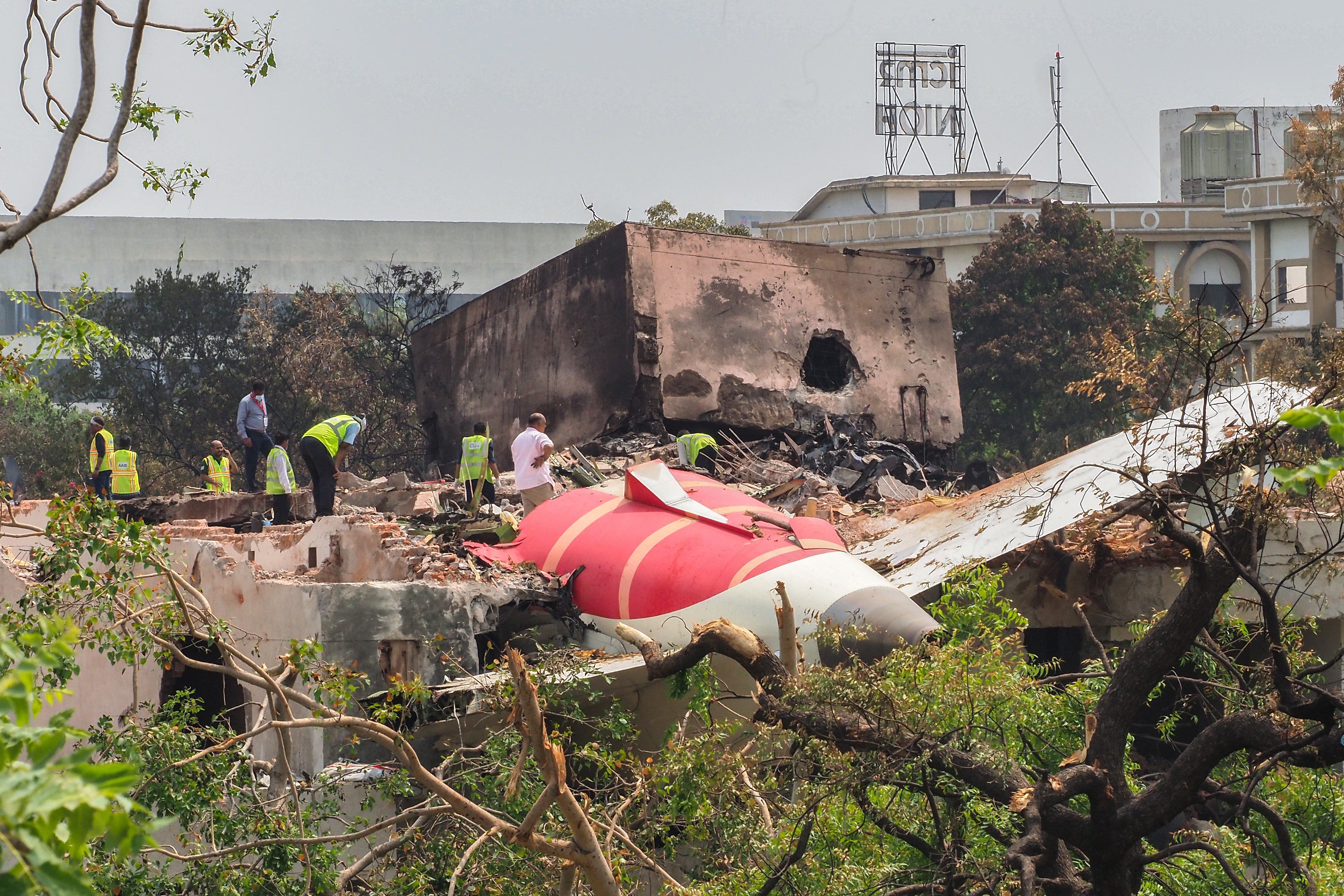
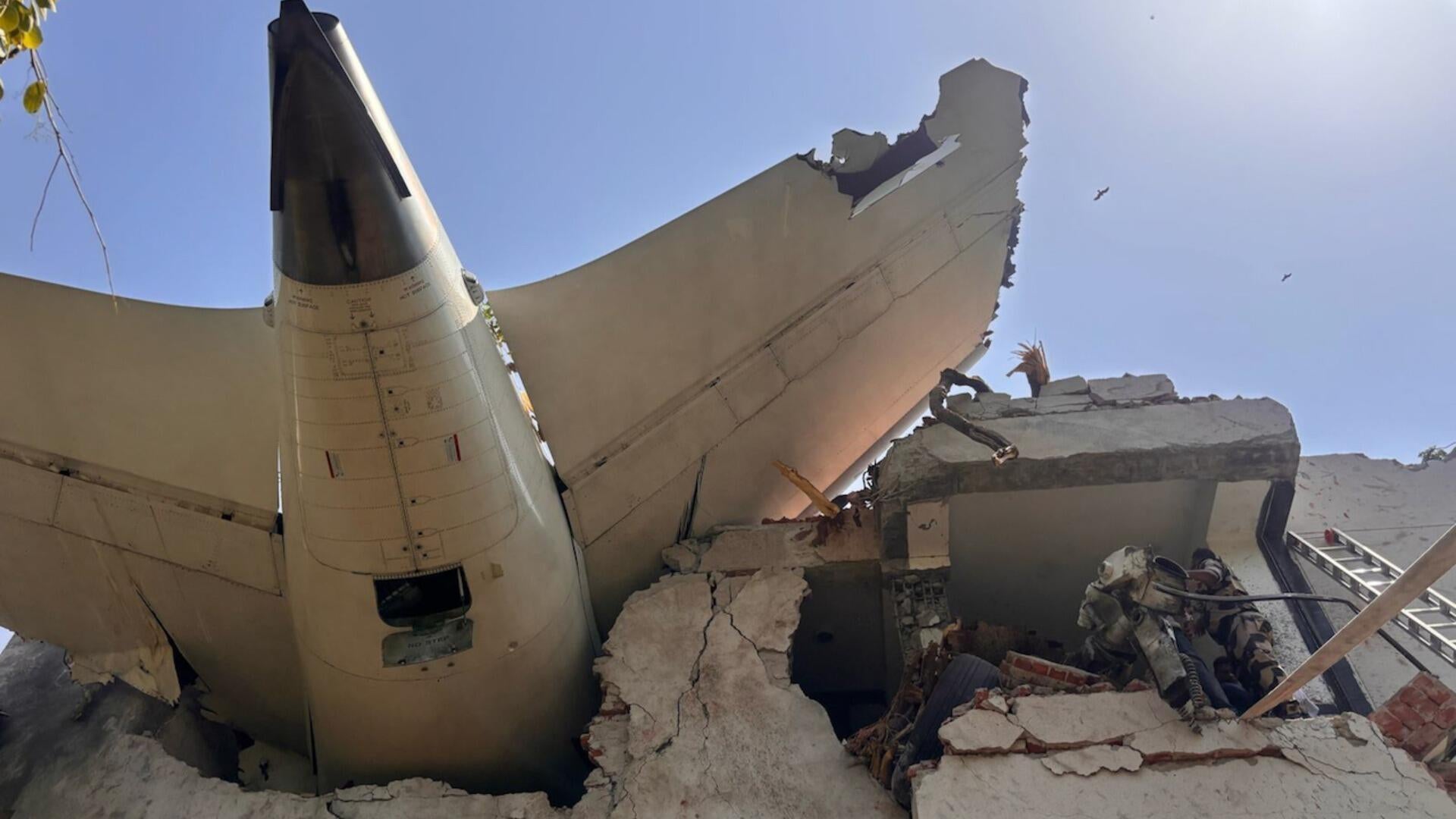
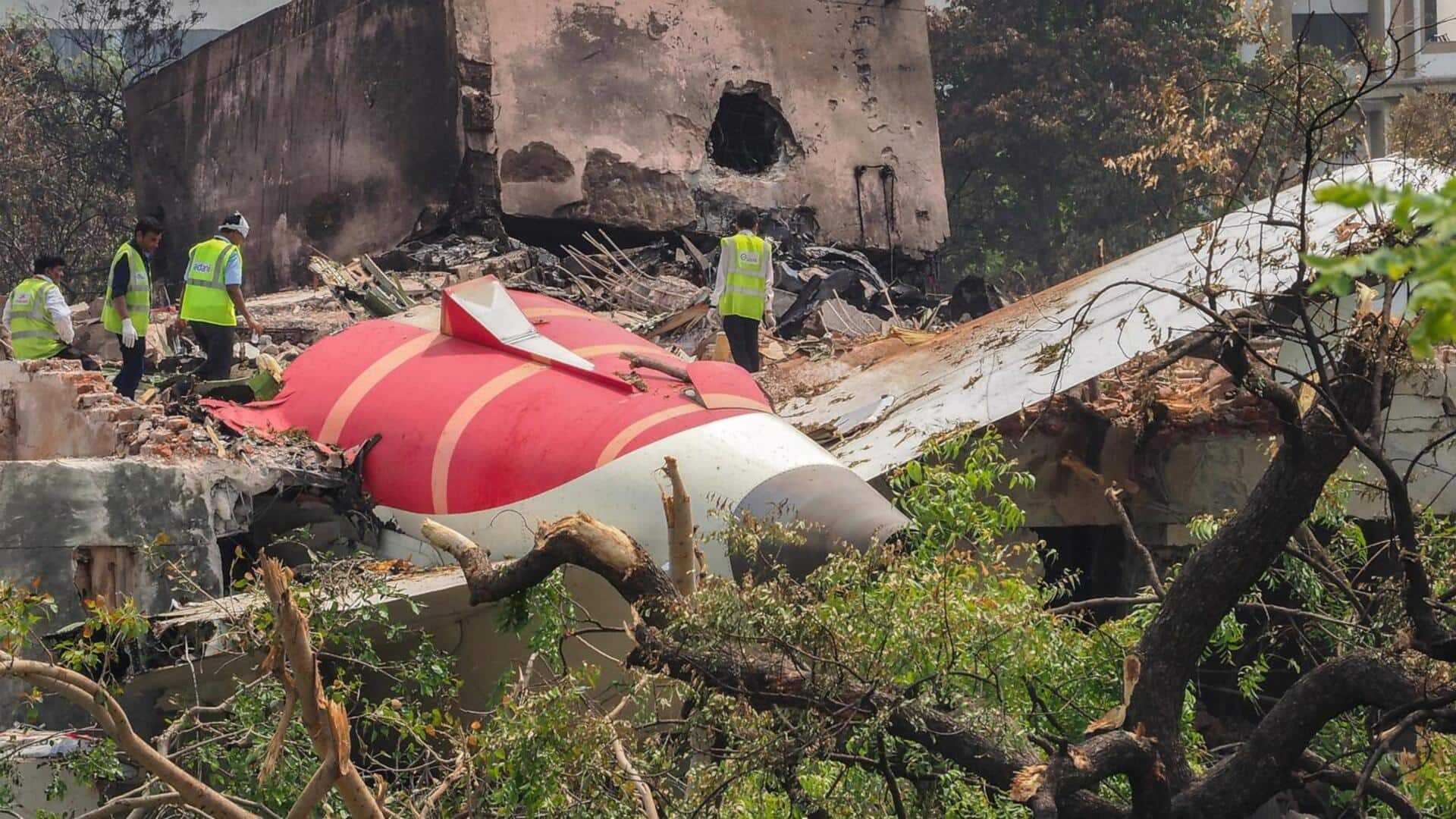
Air crash investigations in India are primarily conducted by the Aircraft Accident Investigation Bureau (AAIB), an independent body under the Ministry of Civil Aviation. These investigations follow the standards set by ICAO Annex 13, focusing on identifying the root causes of accidents to prevent future occurrences rather than apportioning legal blame or liability.
The landscape of aviation safety in India has undergone significant transformation over the last two decades. As the Indian aviation market continues its trajectory as one of the fastest-growing in the world as of 2026, the mechanisms for investigating accidents and serious incidents have become increasingly sophisticated. Understanding how India handles air crash investigations requires an analysis of the statutory framework, the operational protocols of the AAIB, and the technological tools used to reconstruct the final moments of a flight.
The Regulatory Framework of Indian Aviation Safety
The legal foundation for air crash investigations in India is rooted in the Aircraft Act, 1934, and the Aircraft Rules, 1937. However, the most critical piece of modern legislation is the Aircraft (Investigation of Accidents and Incidents) Rules, 2017. These rules were designed to align Indian practices with the International Civil Aviation Organization (ICAO) standards, specifically Annex 13.
Before 2012, investigations were often handled by the Directorate General of Civil Aviation (DGCA). This created a perceived conflict of interest, as the DGCA was both the regulator and the investigator. To rectify this, the AAIB was established as a separate, independent entity. This separation ensures that if regulatory oversight by the DGCA was a contributing factor to an accident, the investigation remains objective and unbiased.
The 2017 Rules empower the AAIB to:
- Appoint an Inspector of Accidents or a Committee of Inquiry.
- Access any site, wreckage, or records related to the flight.
- Summon witnesses and take evidence under oath.
- Coordinate with international manufacturers (like Boeing or Airbus) and foreign safety boards (like the NTSB or BEA).
The Step-by-Step Investigation Process
When an aviation accident occurs on Indian soil or involving an Indian-registered aircraft, a standardized protocol is activated. The goal is to move from the chaotic initial moments of a crash to a data-driven final report.
Phase 1: Notification and Site Preservation
The moment an accident is confirmed, the local Air Traffic Control (ATC) or the airline must notify the AAIB and the DGCA. The first priority is search and rescue, handled by local authorities and the National Disaster Response Force (NDRF). Once the site is secured, the AAIB takes "custody" of the wreckage. Preservation is critical; investigators look for "perishable" evidence, such as ground scars, the position of switches in the cockpit, and the condition of engine components before they are disturbed by weather or recovery efforts.
Phase 2: Evidence Collection and the "Black Boxes"
The most vital pieces of evidence are the Flight Data Recorder (FDR) and the Cockpit Voice Recorder (CVR). In India, these are typically transported to the AAIB’s laboratory in New Delhi or, in complex cases, sent to the aircraft manufacturer’s home country under strict supervision. The FDR provides thousands of parameters—altitude, airspeed, flap settings, and engine performance—while the CVR captures all sounds in the cockpit, including pilot conversations and mechanical alarms.
Phase 3: Technical Analysis and Human Factors
Investigations are divided into "groups":
- Operations Group: Examines pilot training, fatigue, and decision-making.
- Engineering Group: Analyzes the airframe, engines, and systems for mechanical failure.
- Weather Group: Investigates meteorological conditions at the time of the crash.
- ATC/Records Group: Reviews transcripts and maintenance logs.
Phase 4: The Draft and Final Reports
Under ICAO guidelines, a preliminary report is usually released within 30 days. The final report, however, can take over a year. Before the final report is published, a draft is shared with "accredited representatives" from the state of manufacture and the airline. They can offer comments, but the AAIB retains the final say on the findings.
Stakeholders in Indian Aviation Investigations
The following table outlines the primary entities involved in the investigative and safety ecosystem in India as of 2026.
| Entity | Primary Role | Legal Mandate |
|---|---|---|
| AAIB (India) | Investigates accidents and serious incidents to find causes. | Aircraft Rules 2017 |
| DGCA | Regulates safety, issues licenses, and enforces penalties. | Aircraft Act 1934 |
| AAI / Private Operators | Manages airport infrastructure and Air Traffic Control data. | AAI Act 1994 |
| IMD | Provides meteorological data and weather forensic reports. | Statutory Service |
| Manufacturers | Provide technical data and system-specific expertise. | International Treaties |
| Airlines | Must provide maintenance logs and crew training records. | Regulatory Compliance |
Landmark Investigations and Safety Evolution
Several high-profile investigations have shaped India's current safety protocols. The 2010 crash of Air India Express Flight 812 in Mangalore was a watershed moment. The investigation highlighted the dangers of "tabletop" runways and the phenomenon of "sleep inertia" among pilots. This led to stricter Fatigue Risk Management Systems (FRMS) and revised standards for Runway End Safety Areas (RESA).
More recently, the investigation into Air India Express Flight 1344 (Kozhikode, 2020) underscored the risks of "unstabilized approaches" during heavy monsoon rains. The findings from this investigation resulted in immediate changes to how pilots are cleared for landings in inclement weather and prompted the installation of more advanced visual docking and monitoring systems at sensitive airports.
By 2026, these historical lessons have been integrated into mandatory simulator training. Investigations now place a heavier emphasis on "Human Factors," recognizing that modern aircraft rarely fail mechanically; rather, it is the interaction between the human operator and the automated system where errors often occur.
Modern Technological Integration in 2026
In the current year of 2026, the AAIB has adopted several advanced technologies to improve investigation accuracy and speed:
- Drone-Based Photogrammetry: Instead of manual wreckage mapping, high-definition drones create 3D models of the crash site. This preserves the spatial relationship of the debris field with millimeter precision before the wreckage is moved.
- Predictive Safety Data Analysis: India now utilizes a centralized Safety Information Management System (SIMS). By analyzing "near-miss" incidents investigated by the AAIB, the DGCA can identify trends—such as a specific engine component wearing out faster in Indian humidity—and issue preventive Airworthiness Directives.
- Enhanced FDR Visualization: Investigators now use "Digital Twin" technology to playback a flight in a virtual environment, allowing them to see exactly what the pilots saw in the cockpit during the emergency.
Procedural Challenges in Indian Investigations
Despite advancements, Indian air crash investigations face unique challenges. The primary hurdle is the environmental factor. India’s diverse topography—ranging from the high-altitude airports of Leh to the tropical, heavy-rain environments of Kerala—makes wreckage recovery and evidence preservation difficult.
Another challenge is the "judicial-investigative overlap." While the AAIB focuses on safety, local police and courts often initiate criminal proceedings (often under Section 304A of the Indian Penal Code for causing death by negligence). This can sometimes lead to a "blame culture," which discourages witnesses or crew members from being fully transparent with safety investigators. To counter this, the 2017 Rules protect the confidentiality of CVR transcripts and witness statements, ensuring they are used only for safety purposes.
Professional Advice Limitation
This article provides information regarding the administrative and technical processes of air crash investigations in India. It does not constitute legal advice. Families of victims or parties involved in aviation litigation should consult with specialized aviation attorneys and refer to the official publications of the Aircraft Accident Investigation Bureau (AAIB) and the Ministry of Civil Aviation for specific case details.
Frequently Asked Questions
Who has the authority to lead an air crash investigation in India?
The Aircraft Accident Investigation Bureau (AAIB) has the sole authority to lead investigations into civil aircraft accidents. While the DGCA may assist with technical data, the AAIB remains the lead agency to ensure independence. For military crashes, the Indian Air Force (IAF) or the respective branch conducts its own Court of Inquiry (CoI).
Can the public access air crash investigation reports in India?
Yes, final investigation reports are traditionally made public and are hosted on the AAIB official website. These reports provide a detailed analysis of the sequence of events, findings, and safety recommendations. However, preliminary data or sensitive recordings like the CVR audio are not released to the public to respect privacy and maintain safety-focus.
What is a "tabletop" runway, and why is it a focus in Indian investigations?
A tabletop runway is located on top of a hill or plateau with steep drops at one or both ends. India has several such airports, including Mangalore, Kozhikode, and Lengpui. Investigations into crashes at these locations have focused on the lack of "overrun" space, leading to improved safety margins and the installation of specialized braking materials in some cases.
How does India coordinate with international manufacturers like Boeing or Airbus?
Under ICAO Annex 13, the state of manufacture (e.g., the USA for Boeing, France for Airbus) is entitled to appoint an Accredited Representative to participate in the investigation. These representatives provide the AAIB with proprietary technical data and engineering support, ensuring the investigation understands the aircraft's complex systems.
Does the AAIB investigate drone or UAV accidents?
As of 2026, the AAIB's mandate has expanded to include serious incidents involving commercial Unmanned Aircraft Systems (UAS) or drones, especially those operating in controlled airspace or involved in significant property damage. The 2017 Rules have been adapted to cover the evolving nature of autonomous flight.
Next Steps for Aviation Safety Engagement
For aviation professionals, staying informed about AAIB safety recommendations is a mandatory part of safety management. Pilots and maintenance engineers should regularly review the "Safety Recommendations" section of final reports, as these often lead to changes in standard operating procedures (SOPs).
For the general public or students of aviation, monitoring the Ministry of Civil Aviation’s annual reports provides insight into how investigative findings are being translated into national policy. If you are seeking specific information regarding a past accident, the AAIB’s digital archive is the most authoritative source for verified facts and technical conclusions.