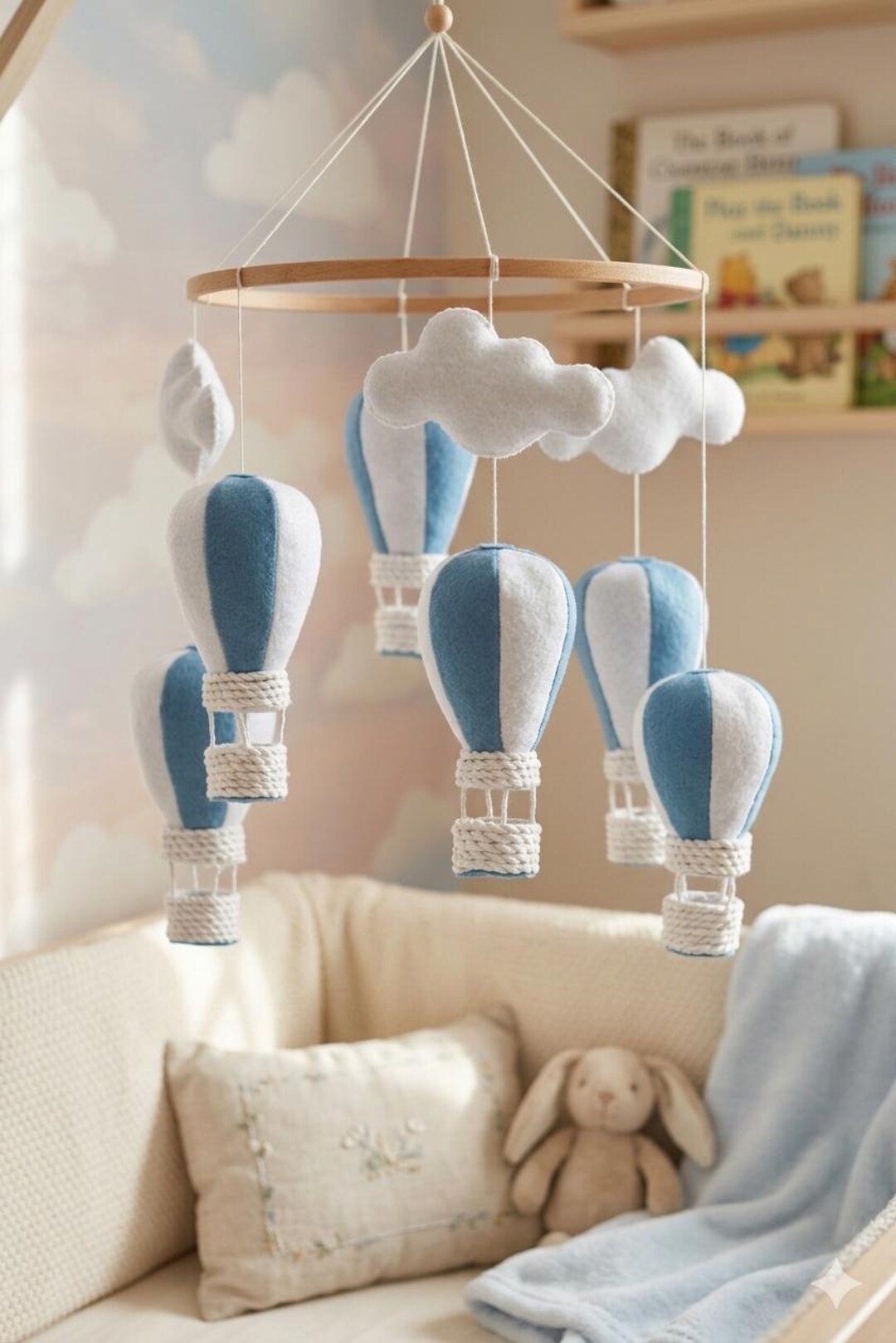
An "air balloon crib" typically refers to a nursery decor theme featuring hot air balloon motifs, mobile designs, or artistic wall hangings, rather than a functional sleeping device that utilizes inflatable technology. Because infants require firm, flat, and stable surfaces for sleep to mitigate risks of Sudden Infant Death Syndrome (SIDS), actual inflatable or suspended air-based structures are fundamentally incompatible with established pediatric safety standards.
Defining the Air Balloon Crib Concept
In the context of modern nursery design, the term "air balloon crib" almost exclusively describes an aesthetic approach. This usually involves cribs decorated with decals, hanging mobiles shaped like hot air balloons, or bedding sets featuring sky-themed patterns. The visual appeal of a whimsical, airborne aesthetic is high, leading many expectant parents to search for ways to bring this theme into the nursery.
It is crucial to disambiguate this from potential misconceptions. There is no recognized, safety-tested, or commercially viable infant sleep product that operates as a literal "air balloon" or inflatable mattress system for newborns. Pediatric sleep health organizations, including the American Academy of Pediatrics (AAP), maintain strict guidelines requiring that a baby’s sleeping surface be firm, flat, and free of soft bedding, pillows, or non-rigid supports. Consequently, any "crib" that relies on air pressure or soft, balloon-like materials would be considered inherently unsafe and likely non-compliant with federal juvenile product regulations.
Safety Considerations for Nursery Environments
When planning a nursery theme involving high-flying motifs, safety must always take precedence over decor. Many parents are drawn to the idea of a "floating" or "airy" aesthetic, but this presents specific hazards if the design elements enter the sleep environment.
The Risks of Decorative Mobiles and Hanging Decor
The most common safety error in an "air balloon" themed nursery is the improper installation of mobiles. Mobiles featuring small, lightweight hot air balloon replicas are popular, but they must be kept well out of a child's reach. As soon as an infant begins to push up on their hands and knees—typically around five to six months of age—they can reach up and grab hanging items. This poses a strangulation risk if cords are involved or an aspiration risk if small parts of the balloon replicas detach.
Sleep Surface Integrity
The crib itself must be a stationary, rigid structure. Any attempt to introduce soft, inflatable, or non-rigid components into the sleep space—even for "theming"—should be avoided. The mattress must be firm and designed specifically for the crib frame. Adding soft bumpers, which are sometimes used to "soften" the look of a crib to match an airy theme, is strictly discouraged by health professionals, as these increase the risk of suffocation and entrapment.
Fire and Material Safety
Hot air balloon decorations often utilize lightweight fabrics or paper. If these items are placed near light fixtures or heat sources within the nursery, they can become a fire hazard. Always ensure that any decorative elements are constructed from flame-retardant materials and are positioned at a safe distance from electrical outlets, lamps, and baseboard heaters.
Comparing Nursery Decor and Practical Sleep Solutions
To help parents navigate the gap between a desired aesthetic and the necessity of a safe sleep environment, the following table compares common "balloon-themed" elements against safety-compliant alternatives.
| Decor Element | Risk Level | Safety Compliance | Practical Alternative |
|---|---|---|---|
| Inflatable Bedding | Extreme | Prohibited | Use a firm, standard foam/coil mattress. |
| Hanging Balloon Mobile | Moderate | Caution Required | Place well above reach; remove at 5 months. |
| Padded Fabric Bumpers | High | Prohibited | Use a breathable, empty, plain crib. |
| Wall Decals (Air Balloon) | Very Low | Safe | Use non-toxic, peel-and-stick vinyl wall art. |
| Hanging Ceiling Decor | Low | Caution Required | Ensure secure mounting; check periodically. |
Practical Alternatives for an "Air Balloon" Theme
Achieving the whimsical look of a hot air balloon nursery does not require compromising the safety of the sleeping infant. You can accomplish the aesthetic through wall treatments and room accents that remain separate from the crib.
Wall Murals and Decals
Instead of incorporating the theme into the bed itself, focus on the walls. High-quality, non-toxic vinyl wall decals can create a beautiful "sky" scene featuring hot air balloons. This removes all physical hazards from the crib area while providing the desired visual impact. Professional muralists can also hand-paint scenes that cover entire walls, offering a permanent design solution that involves zero risk to the baby.
Soft Lighting and Ceiling Features
Using projectors that cast a gentle "cloud and sky" effect on the ceiling can mimic the feeling of being in an air balloon without adding physical clutter. Ensure that any projector is cord-managed and securely placed far from the crib, so the infant cannot grab the device or the power cable.
Choosing Safe Bedding Patterns
If you want the crib to reflect the theme, choose bed sheets or sleep sacks that feature printed balloon designs. Because these are flat, thin layers of fabric, they do not interfere with the firm surface of the mattress or create suffocation hazards, provided they are fitted correctly to the mattress. This allows for total thematic integration without violating safety protocols.
Navigating Regulatory Standards for Nursery Furniture
In the United States, all full-size and non-full-size cribs must comply with the mandatory federal standards established by the Consumer Product Safety Commission (CPSC). These regulations, which include testing for structural integrity, slat spacing, and hardware durability, are designed to ensure that no part of the crib can fail or cause harm.
When selecting furniture, ensure that every piece is certified by the Juvenile Products Manufacturers Association (JPMA). A product that claims to be a "balloon crib" or any unconventional sleep structure would likely fail these rigorous testing standards. If you encounter a product marketed for sleep that seems to rely on inflatable or suspended designs, it should be treated with extreme skepticism and evaluated against these verified federal standards.
Frequently Asked Questions
Is there an inflatable crib that is safe for newborns?
No. There are no inflatable cribs that meet the CPSC safety standards for infant sleep. All newborns require a firm, flat surface to prevent airway obstruction and to reduce the risk of SIDS.
Can I hang a hot air balloon mobile directly over the crib?
You should hang it only if it is completely out of reach. However, the safest practice is to move the mobile to a different area of the room or remove it entirely once your baby begins to move independently, as hanging objects become major hazards for older infants.
What should I look for when buying crib decor?
Prioritize materials that are non-toxic, fire-retardant, and securely attached. Avoid anything with small parts that can break off, strings longer than seven inches, or heavy frames that could fall if a mounting fails.
Are "airy" crib bumpers safe for my baby?
No. All crib bumpers, regardless of how "airy," breathable, or mesh-like they are marketed to be, are generally discouraged by pediatric safety experts. The safest crib is an empty one, containing only a tight-fitting sheet.
Recommended Next Steps for Your Nursery Project
If you are currently designing a nursery with an air balloon theme, your first priority should be to finalize the selection of a CPSC-compliant crib and mattress. Once the hardware is established, treat the rest of the room as a "canvas" for your theme.
- Verify the crib: Purchase a new, JPMA-certified crib that meets the current 2026 safety standards.
- Focus on wall-based design: Install your balloon-themed art, murals, and decals on the walls, keeping them at least three feet away from the crib.
- Select themed textiles: Use patterns for bedding and sleep sacks to incorporate the visual theme without adding objects to the sleeping environment.
- Safety audit: Once the room is furnished, perform a final sweep to ensure that no cords, decorative strings, or hanging items are accessible from the mattress level.