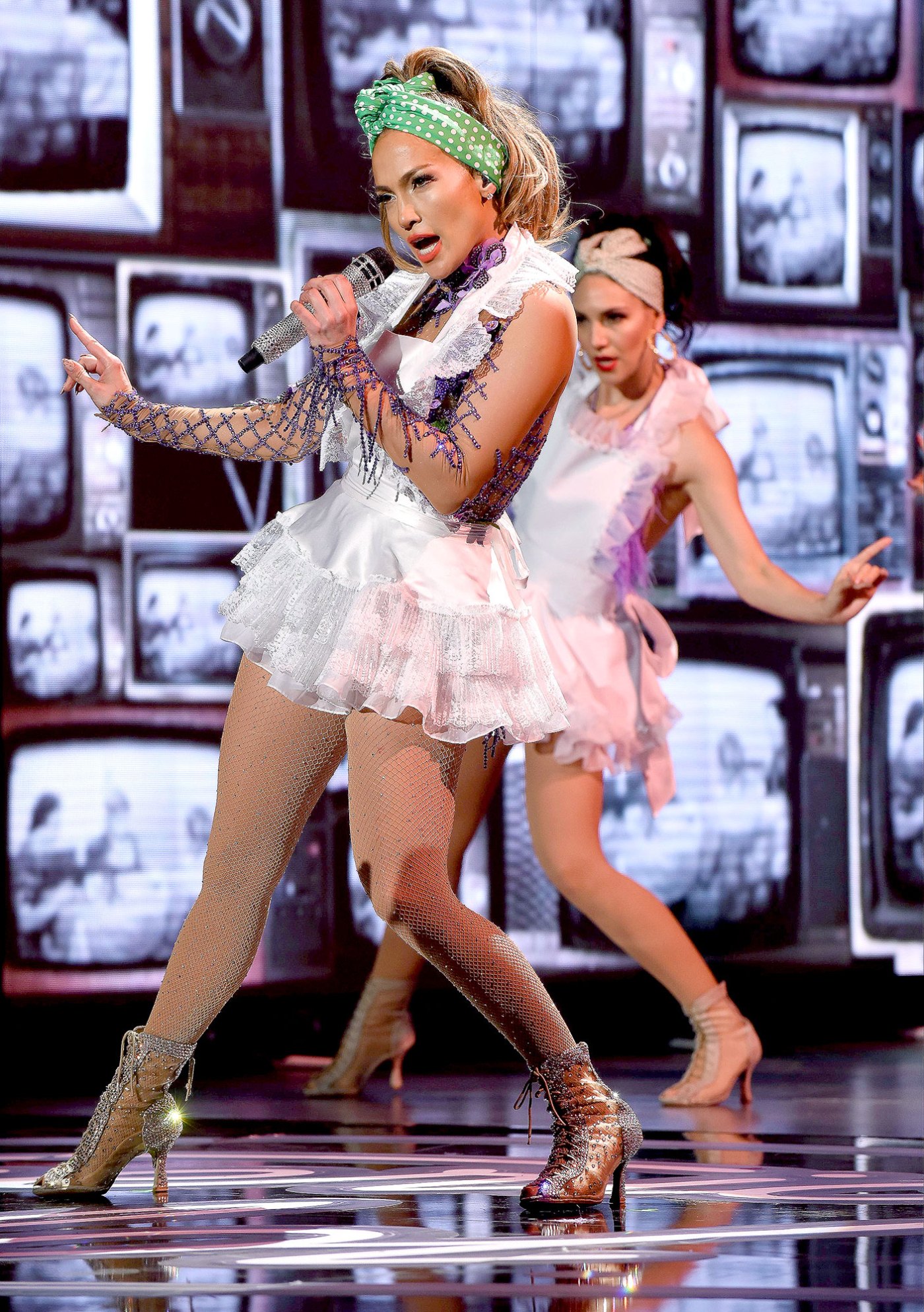
Jennifer Lopez’s 2016 single "Ain’t Your Mama" serves as a landmark moment in her career, marking a shift toward more explicit feminist themes and societal critique. For fans attempting to decode the song’s message, the profile of the artist behind the track is essential to understanding the tension between the song’s lyrics—which address gender roles and domestic expectations—and the pop-star persona Lopez has cultivated over her decades-long career.
The song was released on April 7, 2016, following a live performance on the final season of American Idol. It was produced by Dr. Luke and written by Meghan Trainor, Jacob Kasher, Theron Thomas, Gamal Lewis, and Henry "Cirkut" Walter. The track functions as an anthem of independence, with the narrator rejecting traditional domestic labor and subservience. By exploring the singer’s profile through the lens of this release, fans can better appreciate why the song triggered significant public discourse regarding the intersection of pop music, celebrity feminism, and corporate-sponsored activism.
The Narrative Core of Ain’t Your Mama
At its most basic level, "Ain’t Your Mama" addresses the frustration of a woman who feels her partner treats her more like a servant than an equal. The lyrics explicitly cite the refusal to "cook all day" or "do your laundry," framing these tasks not merely as household chores but as manifestations of an outdated, patriarchal expectation of female labor.
For many fans, the significance of the song lies in its rejection of the "1950s housewife" archetype. The song utilizes a catchy, mid-tempo dance-pop beat that creates an ironic juxtaposition with the lyrics. This sonic choice serves to bridge the gap between commercial pop accessibility and socially conscious messaging. When analyzing the song, it is important to understand that the "singer profile" involved here is that of a multi-hyphenate performer—Lopez, who is frequently associated with glamour and high-fashion aesthetics—adopting a narrative that critiques domesticity, a move that invited both praise for its catchiness and scrutiny regarding the authenticity of such a message from a global pop icon.
Examining the Singer Profile: The Jennifer Lopez Brand
To understand the context of this track, one must consider the status of the artist in 2016. By this time, Jennifer Lopez had spent over two decades as a powerhouse in music, film, and fashion. Her brand is largely built on the pillars of "The Hustle," physical fitness, and an aspirational, ultra-feminine aesthetic.
When a performer with an established, polished image releases a song about the burdens of domestic labor, it creates a specific "meaning profile" for the audience:
- The Empowerment Paradox: The song highlights a common tension in modern pop. When a high-profile, ultra-wealthy artist sings about "not doing your laundry," fans often weigh the message against the artist's real-world ability to delegate such tasks.
- The Evolution of the Pop Icon: The 2016 release occurred during a period where pop stars were increasingly expected to adopt socio-political stances. "Ain’t Your Mama" represents an entry into the "feminist pop" movement of the mid-2010s, where artists used radio-friendly hits to signal alignment with gender equality.
The Role of External Songwriting and Production
A critical aspect of the singer profile in the context of this specific track is the influence of external songwriters. Meghan Trainor, the primary writer, was known during this period for her own "empowerment" anthems like "All About That Bass."
When fans analyze the "meaning" of a song, they often forget that the performer acts as a vessel for the writers' intent. In the case of "Ain’t Your Mama," the collaboration between Lopez and her songwriting team created a product designed to resonate with a broad, mainstream audience. The song’s context is not just the artist's personal life but the strategic decision to align her musical output with the zeitgeist of the mid-2010s, characterized by a heightened awareness of gender dynamics in relationships.
Comparison of Interpretive Angles
The reception of the song can be broken down into how different segments of the fanbase and critics interpreted the artist’s intent.
| Interpretive Angle | Focus | Reception by Fans |
|---|---|---|
| The Anthem Approach | Focuses on the chorus and the lyrics about independence. | Highly positive; viewed as an uplifting track for relationships. |
| The Branding Perspective | Focuses on the irony of the artist's lifestyle vs. the lyrics. | Mixed; some critics argued the message felt disconnected from reality. |
| The Political Context | Focuses on the trend of feminist-coded pop music. | Analytical; seen as a calculated attempt to stay relevant in changing times. |
| The Sonic Aesthetic | Focuses on the production by Dr. Luke and the melody. | Generally strong; praised for its catchiness and dance-pop appeal. |
Historical Context: The 2016 Cultural Climate
Understanding the context of the song requires looking at the cultural landscape of 2016. This was a year of intense discussion regarding women’s rights, with the U.S. presidential election dominating the news cycle and increasing public interest in feminist discourse. "Ain’t Your Mama" arrived in this environment, effectively utilizing the cultural conversation as a backdrop for a pop release.
For fans, the song serves as a time capsule. It reflects the specific way that mainstream music attempted to engage with domestic politics. By examining the singer’s profile—a woman who is a business mogul, a dancer, and a mother—the song gains a layer of performance. It is an act of "pop-feminism," where the message is distilled into a digestible, rhythmic hook. This context is essential for fans who seek to understand why the song feels both personal and curated.
Addressing Common Questions About the Track
Why did the singer choose this specific message for this release?
The choice of the song was likely driven by a desire to align the brand with the growing "empowerment pop" movement of the mid-2010s. By selecting a song that addresses universal domestic frustrations, the artist ensured the track would be relatable to a wide demographic, regardless of the individual’s own socioeconomic status.
Is the song considered a political manifesto or just a pop hit?
Most music critics and fans categorize "Ain’t Your Mama" primarily as a pop hit with social undertones. It does not function as a political manifesto but rather as a mainstream song that borrows the language of the feminist movement to frame a common relationship conflict in a way that feels modern and relevant.
How does the songwriter’s background influence the song’s meaning?
Meghan Trainor’s signature style involves the use of doo-wop influences and themes of self-worth. By applying this template to a Jennifer Lopez track, the songwriters created a synthesis that blended Lopez’s established "diva" persona with a relatable, grounded, and slightly defiant lyrical narrative.
What is the significance of the 2016 release timeframe?
The 2016 release date is pivotal because it coincided with a period of massive shifts in how pop stars managed their public image. The shift toward "socially conscious" branding was a survival mechanism for legacy artists, and "Ain’t Your Mama" represents a successful adaptation to that requirement.
Does the song change the artist’s long-term profile?
The song acts as a data point in the artist's long career, showing her ability to pivot to the sounds and themes of the time. While it did not permanently redefine her as a political artist, it successfully updated her sound to remain consistent with the dominant pop aesthetic of the mid-decade.
Next Steps for Fans and Researchers
To deepen your understanding of this song and its impact, fans should look beyond the surface level of the lyrics. Start by listening to the studio version alongside the live performance from American Idol, noting the difference in stage presence and the visual framing of the song’s themes. Additionally, exploring the production credits provides a clearer picture of how the "sound" of the song was manufactured to meet the expectations of the 2016 pop market.
If you are researching the song for critical analysis, focus on the marketing campaign that accompanied the release, as this reveals how the artist’s team intended for the "meaning" of the song to be perceived. Ultimately, the profile of the singer in "Ain’t Your Mama" is a masterclass in adapting to the shifting currents of popular culture, offering a compelling study of how pop music interacts with, and often simplifies, complex social realities.