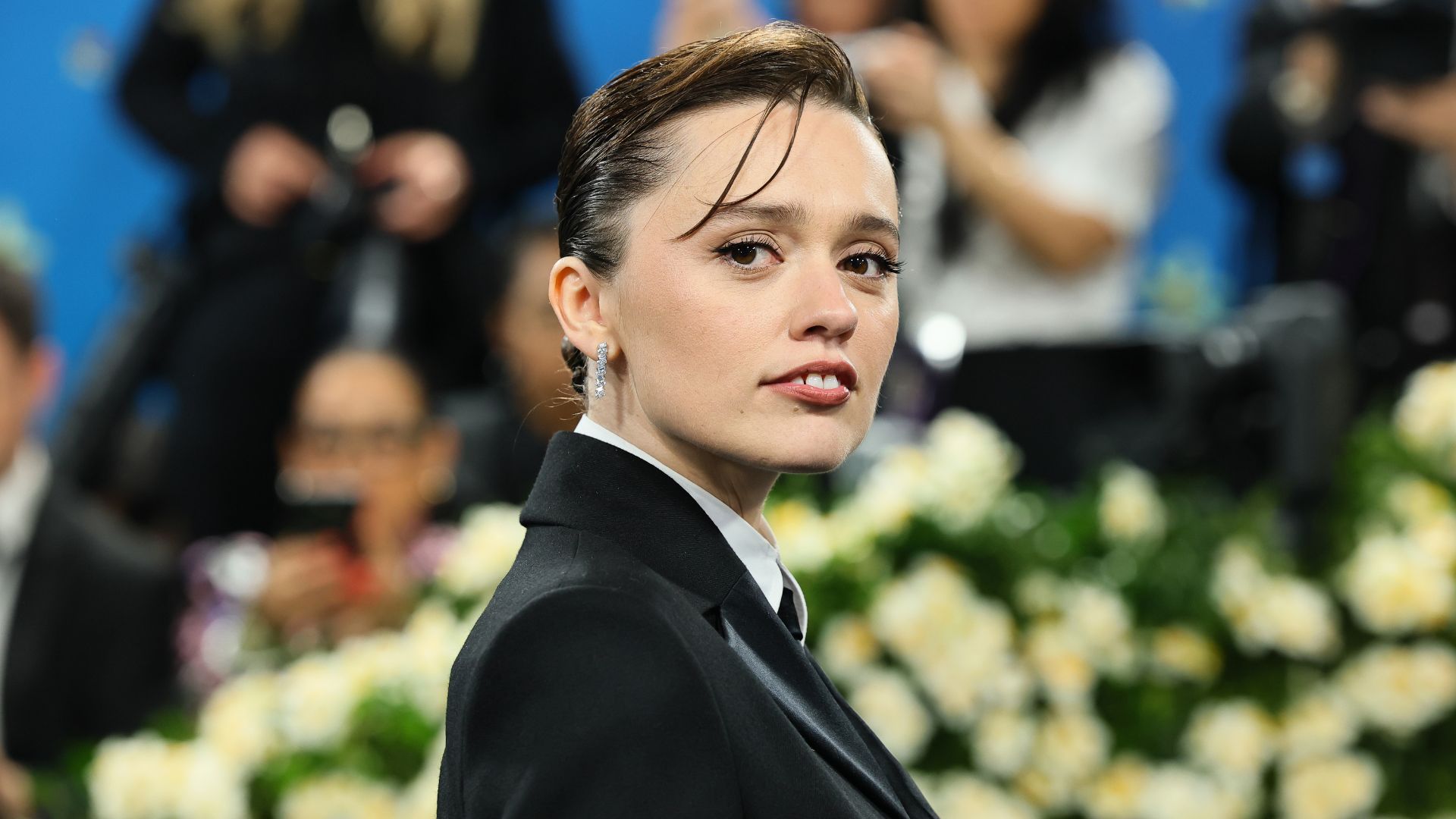
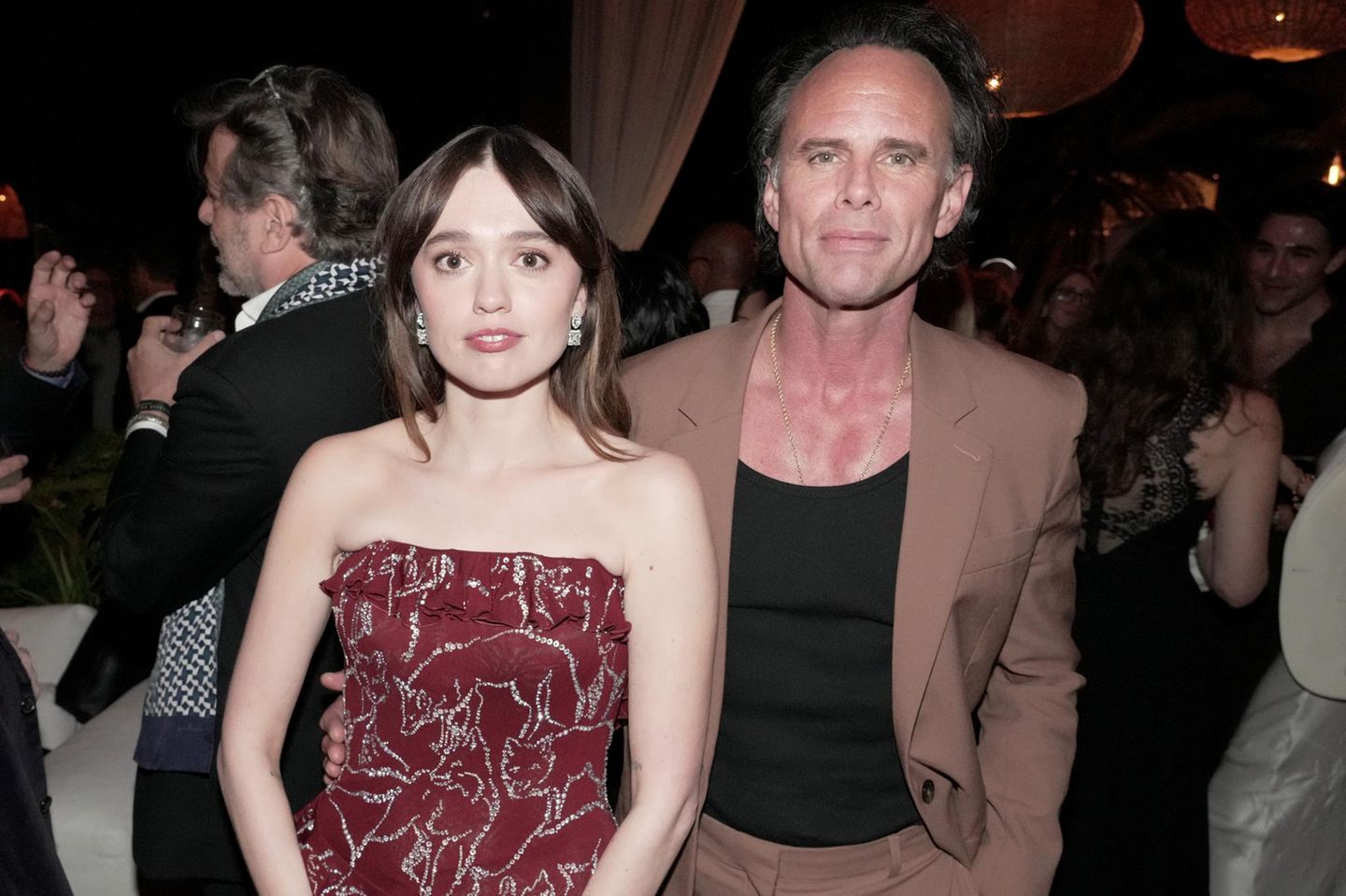
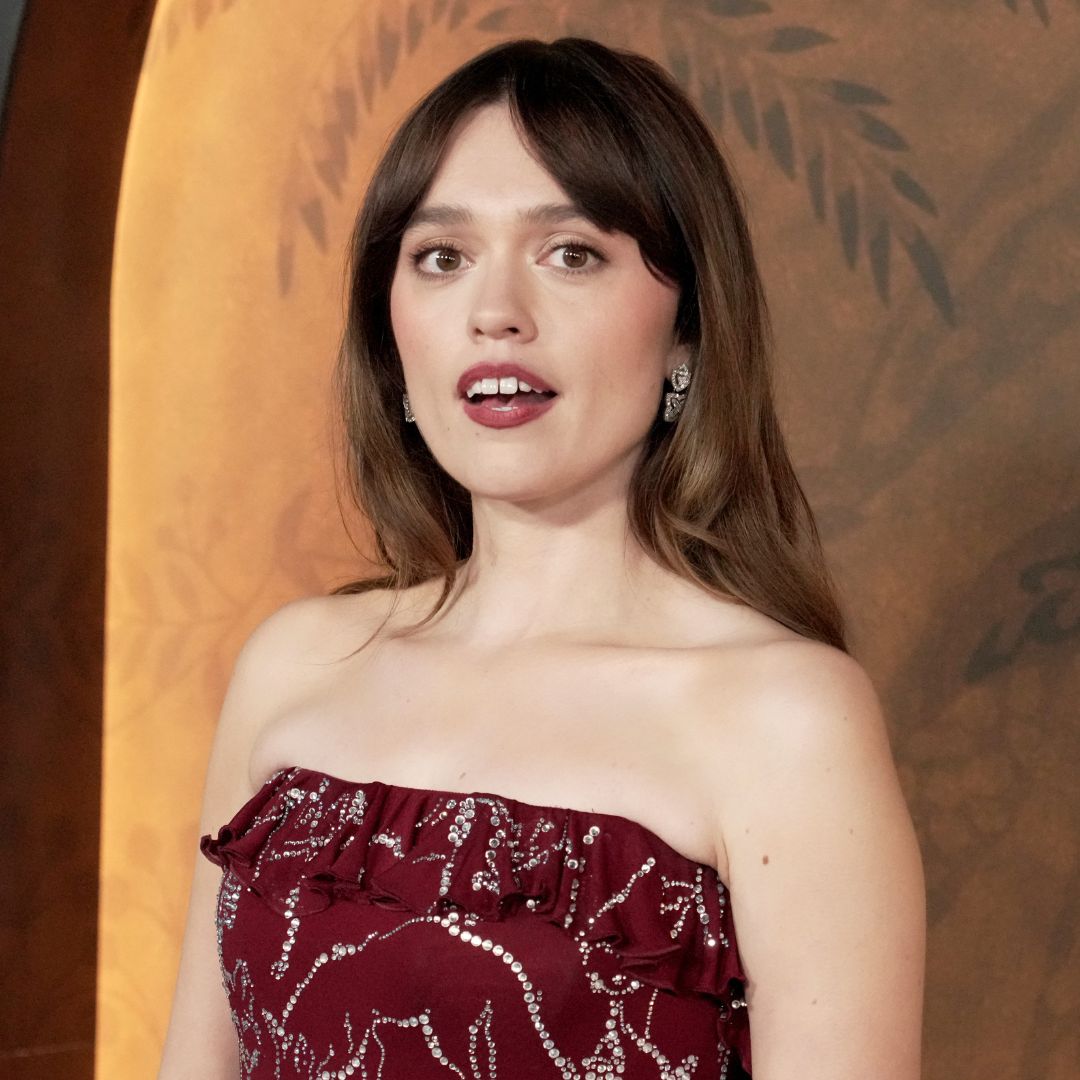
Aimee Lou Wood has publicly praised her experience working with Walton Goggins, highlighting his generosity as a scene partner and the intense, collaborative atmosphere they cultivated on set. Their professional rapport, rooted in mutual respect and a shared commitment to character-driven storytelling, has become a notable subject for fans interested in how these two distinct acting styles synthesize during production.
The Foundation of a Notable Screen Partnership
When actors from different generations and backgrounds converge on a project, the audience often benefits from the friction and harmony produced by their contrasting techniques. Aimee Lou Wood, known for her breakout role in Sex Education, and Walton Goggins, a veteran character actor celebrated for his work in Justified and The White Lotus, represent two unique approaches to the craft.
In interviews discussing their collaborative process, Wood has emphasized that working with Goggins was a formative experience. She noted that his approach is not merely about executing lines but about creating an environment where the other performer feels safe to take risks. For actors, this "psychological safety" on set is a prerequisite for high-stakes emotional performance. When an established veteran like Goggins fosters this space, it allows a younger performer like Wood to push the boundaries of her character's range without the fear of judgment or professional misalignment.
Professional Synergy and Character Development
The magic of a great screen duo often lies in their ability to listen to one another. Wood has highlighted that Goggins operates with a high level of situational awareness, meaning he is constantly reacting to the nuances of her delivery. This responsiveness is a hallmark of seasoned character acting; it transforms a scripted exchange into a living, breathing moment.
From a technical perspective, this type of collaboration requires:
- Active Listening: Responding to the energy of the partner rather than simply waiting for a cue.
- Adaptability: The capacity to adjust performance intensity based on the camera angle or the emotional beats of the scene.
- Character Consistency: Maintaining the internal logic of the persona even when the other actor introduces improvisation or shifts in tone.
Wood’s commentary suggests that Goggins brings a specific brand of "unpredictability" to his scenes. For her, this was not a source of stress but a catalyst for growth. By remaining present, she was able to meet that unpredictability with equal conviction, which often leads to the kind of electric onscreen chemistry that audiences find compelling.
Comparative Analysis of Acting Approaches
Understanding why these two specific actors work well together requires looking at their respective backgrounds and how those paths intersect on screen.
| Feature | Aimee Lou Wood’s Approach | Walton Goggins’ Approach |
|---|---|---|
| Foundational Style | Character-focused, emotionally raw, often comedic with dramatic depth. | Method-adjacent, highly gestural, master of tension and subtext. |
| Typical Role Type | Complex, vulnerable, relatable, evolving youth roles. | Intense, morally ambiguous, often antagonist-leaning or multi-faceted leads. |
| Primary Strength | Ability to bridge vulnerability and humor seamlessly. | Precision in dialogue delivery and physical expression of internal conflict. |
| Collaboration Mode | Empathetic engagement and reactive spontaneity. | Generous scene partner who builds momentum for others. |
This table illustrates that while their stylistic starting points differ, their shared goal—the pursuit of authenticity—serves as the glue for their collaboration. Goggins often excels at portraying characters with dark or complicated interior lives, while Wood has carved a niche in depicting the messy, honest evolution of young adulthood. When these styles meet, they create a balance that feels grounded, preventing the scenes from leaning too far into either melodrama or absurdity.
Establishing Trust on Set
A significant portion of the discourse surrounding Wood’s experience with Goggins revolves around the concept of trust. In professional acting, trust is a technical requirement. It allows performers to engage in "heavy" scenes—such as arguments, displays of grief, or intimate portrayals—without fearing that the other person will overstep boundaries or lose the objective of the scene.
Wood’s account of their time working together underscores the importance of the off-camera relationship as a precursor to the on-camera result. Goggins is frequently cited by peers as a professional who prioritizes the collective success of the scene over individual ego. By prioritizing the "scene as the hero," he allows his co-stars to shine, which in turn elevates his own performance. For Wood, this professional generosity meant that her ideas for character development were met with encouragement rather than skepticism.
Navigating the Challenges of High-Pressure Production
Working on professional film sets in 2026 involves navigating rigorous schedules, complex technical blocking, and the pressure of audience expectations. Both Wood and Goggins are no strangers to high-stakes environments, having participated in projects with massive global fanbases.
The primary challenge they face in any collaborative effort is maintaining emotional continuity amid technical interruptions. When a scene requires multiple takes over several hours, maintaining the initial emotional spark is difficult. Wood’s observations suggest that Goggins helps bridge these gaps through his focus. His ability to switch from "off-camera mode" to "character mode" is a skill he seemingly models for those he works with, helping to keep the energy level consistent throughout long shooting days.
Frequently Asked Questions
Did Aimee Lou Wood and Walton Goggins work together on a specific series?
Yes, Aimee Lou Wood and Walton Goggins have collaborated in professional capacities that have garnered significant media attention, primarily focusing on their ability to elevate character-driven narratives through their shared screen time. Their collaboration is often characterized by mutual respect and a focus on grounded, authentic performances.
How does Walton Goggins influence the performances of his co-stars?
Goggins is known for his "generosity" as an actor, a term that refers to his tendency to give his scene partners space to improvise and respond naturally. By listening intently and reacting to the emotional flow of a scene, he creates an environment where other actors feel comfortable taking creative risks.
What is the primary takeaway from Wood’s comments on their work?
The primary takeaway is that professional chemistry is not accidental; it is built on a foundation of trust and a shared work ethic. Wood has expressed that Goggins’ approach to the craft—which balances intense preparation with spontaneous reaction—helped her refine her own performance techniques during their time together.
Is the collaboration between Wood and Goggins considered unique?
In the landscape of modern television and film, it is relatively rare to see actors with such distinct backgrounds and stylistic approaches mesh so effectively. Their collaboration is highlighted because it bridges a gap between two different schools of character acting, resulting in performances that feel both polished and refreshingly honest.
How can aspiring actors learn from this partnership?
Aspiring actors can learn that the most successful performances often come from "giving" to one's scene partner. By focusing on how to make the other actor look better and ensuring the scene’s objective is met, actors can create a more cohesive and impactful final product, much like the dynamic Wood and Goggins have demonstrated.
Practical Advice for On-Set Collaboration
For actors and creative professionals looking to replicate the success of the Wood-Goggins dynamic, the path forward is clear: prioritize the scene over the individual.
- Preparation as a Baseline: Arrive on set with a firm understanding of your character’s motivations, but remain flexible enough to change your delivery based on the partner's energy.
- Establish Early Communication: Discuss the emotional trajectory of a scene with your partner before the cameras roll. This creates a shared map that keeps both actors aligned, even when things do not go exactly as planned.
- Practice Active Presence: When you are not speaking, you are still acting. Use your reactions to support the story. The camera captures the listener as much as the speaker.
- Embrace the "Yes, and..." Philosophy: Much like improvisational theater, professional acting thrives when you accept the reality your partner is providing and build upon it, rather than resisting or ignoring their choices.
By focusing on these core elements, professionals can foster a collaborative environment that mirrors the mutual respect and creative growth described by Aimee Lou Wood during her time with Walton Goggins.