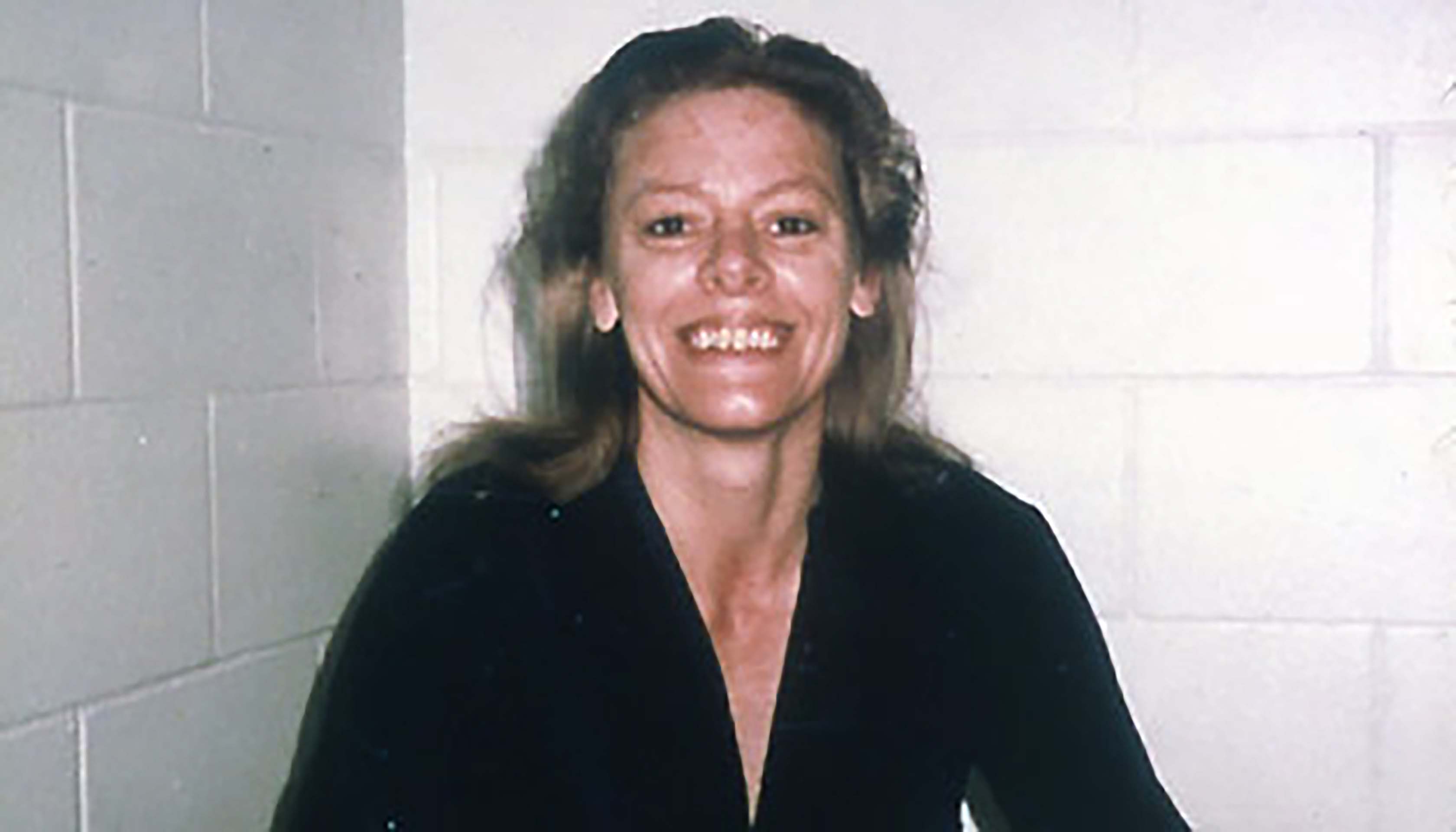
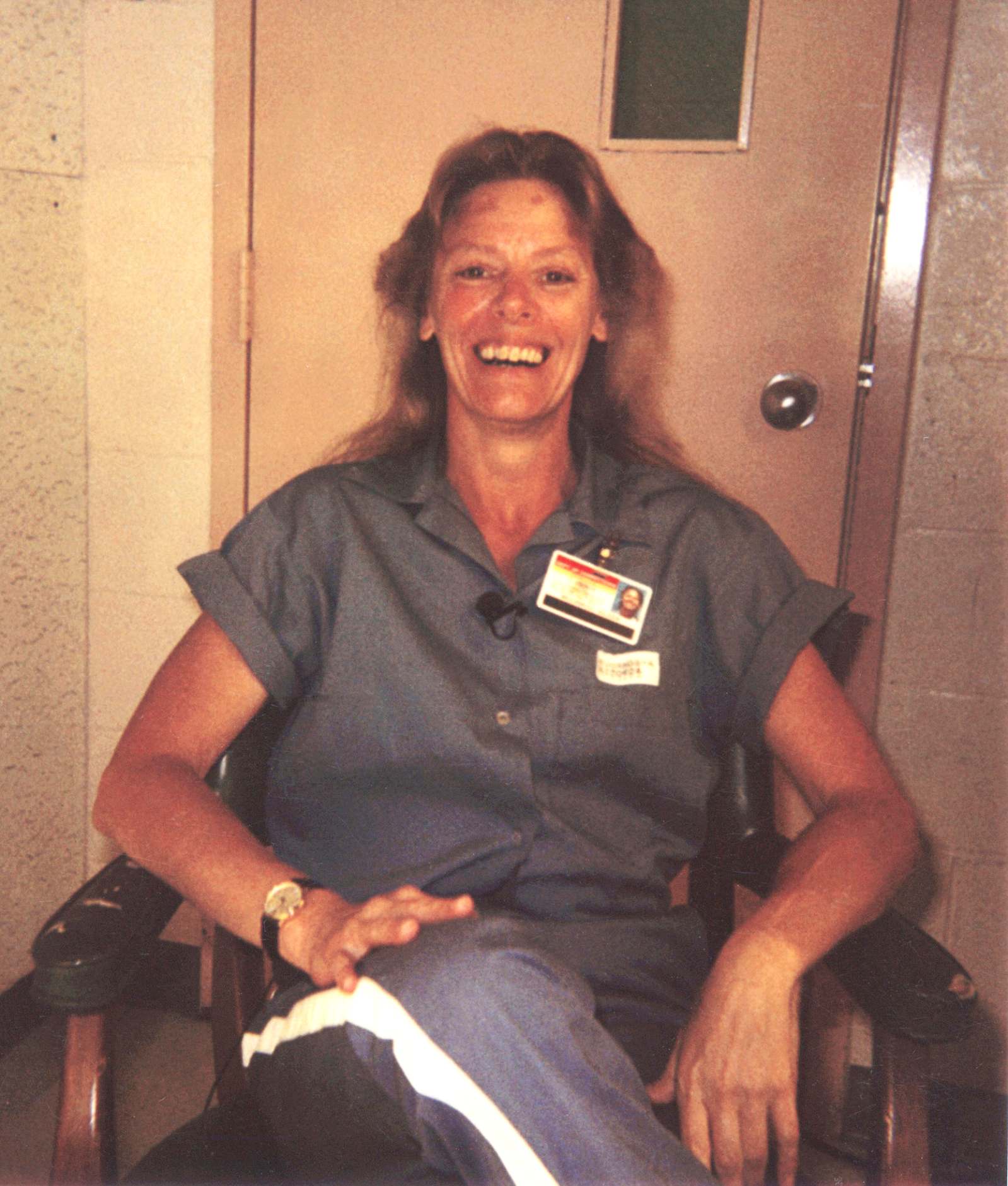
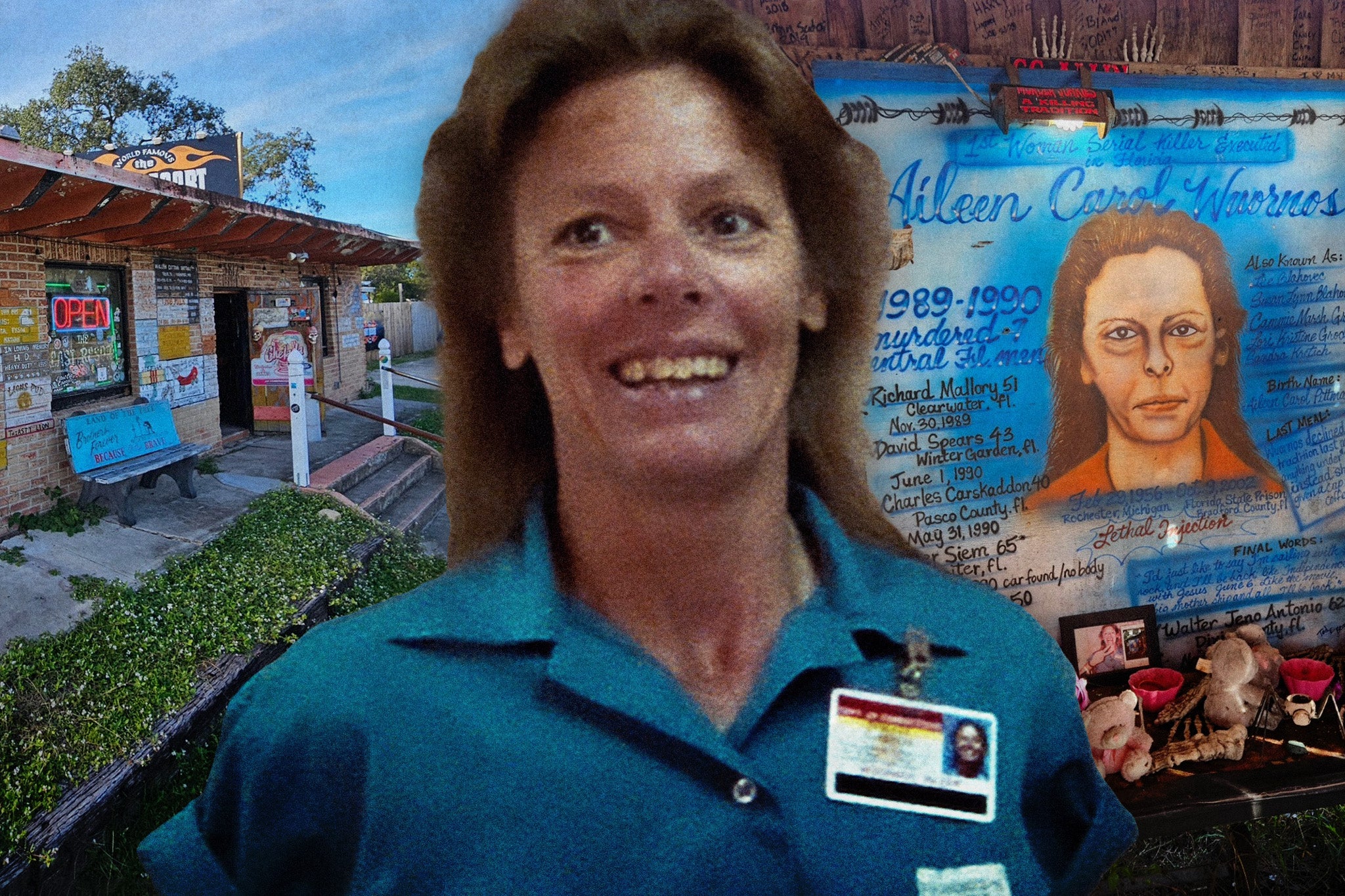
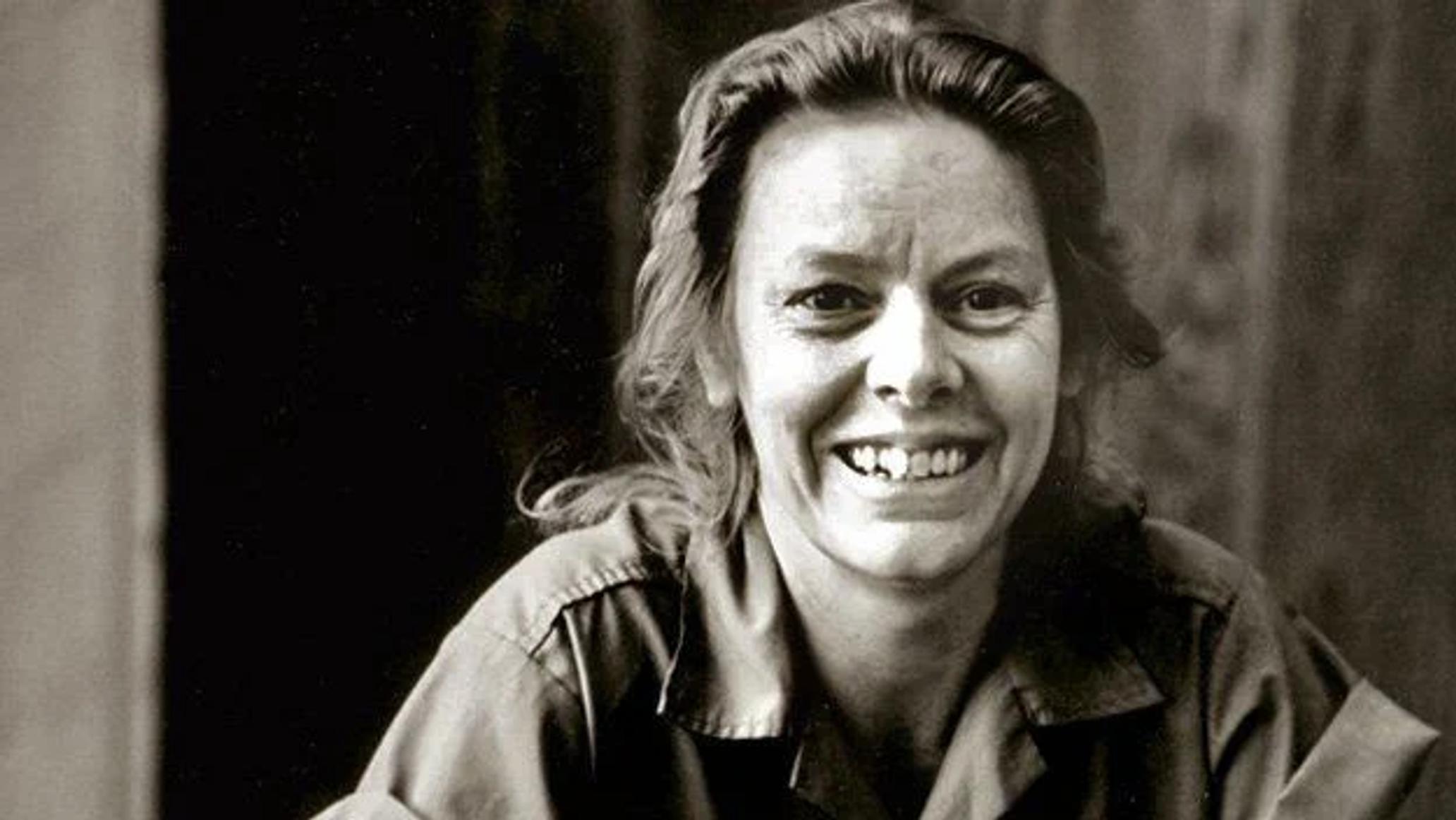
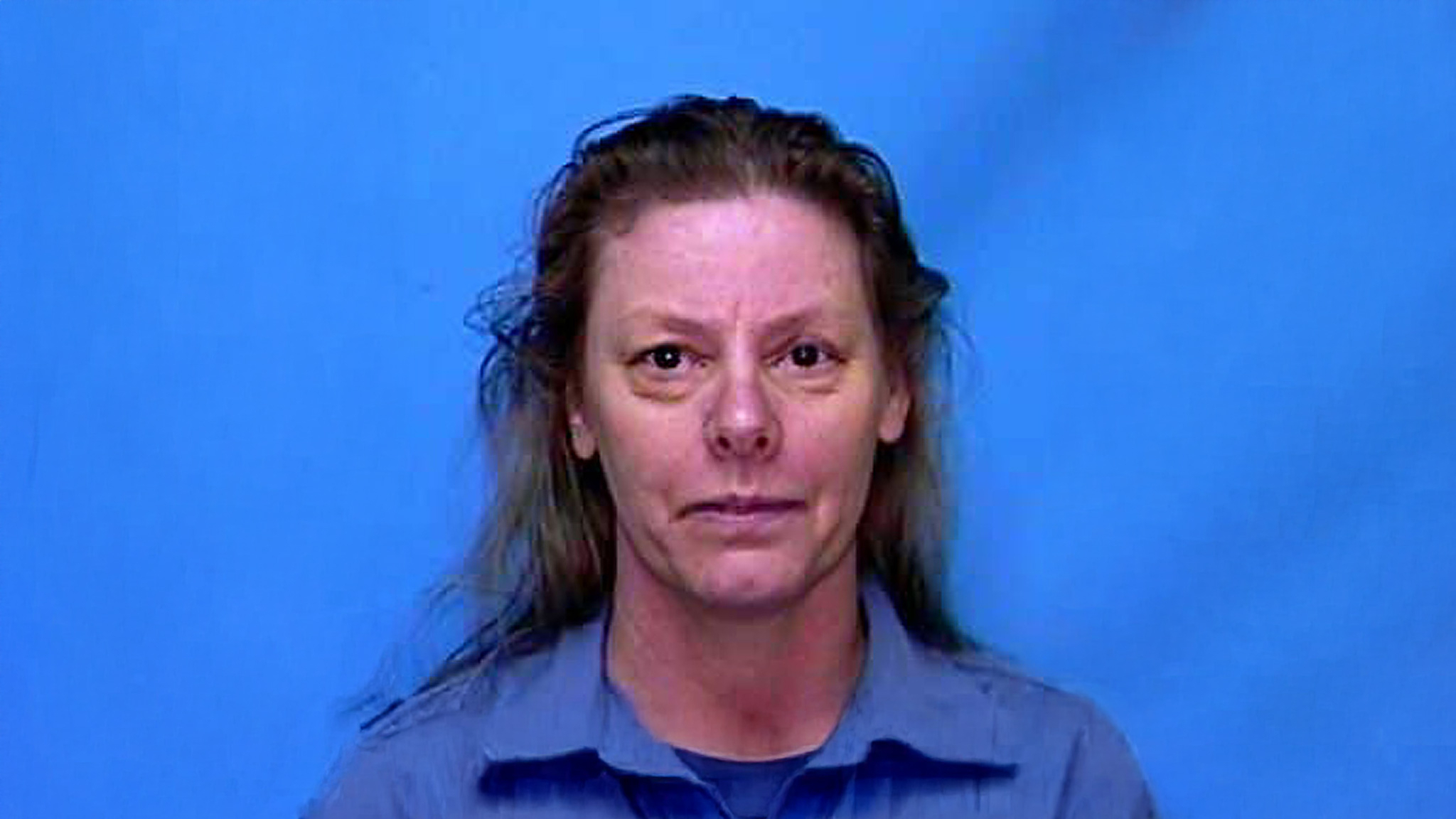
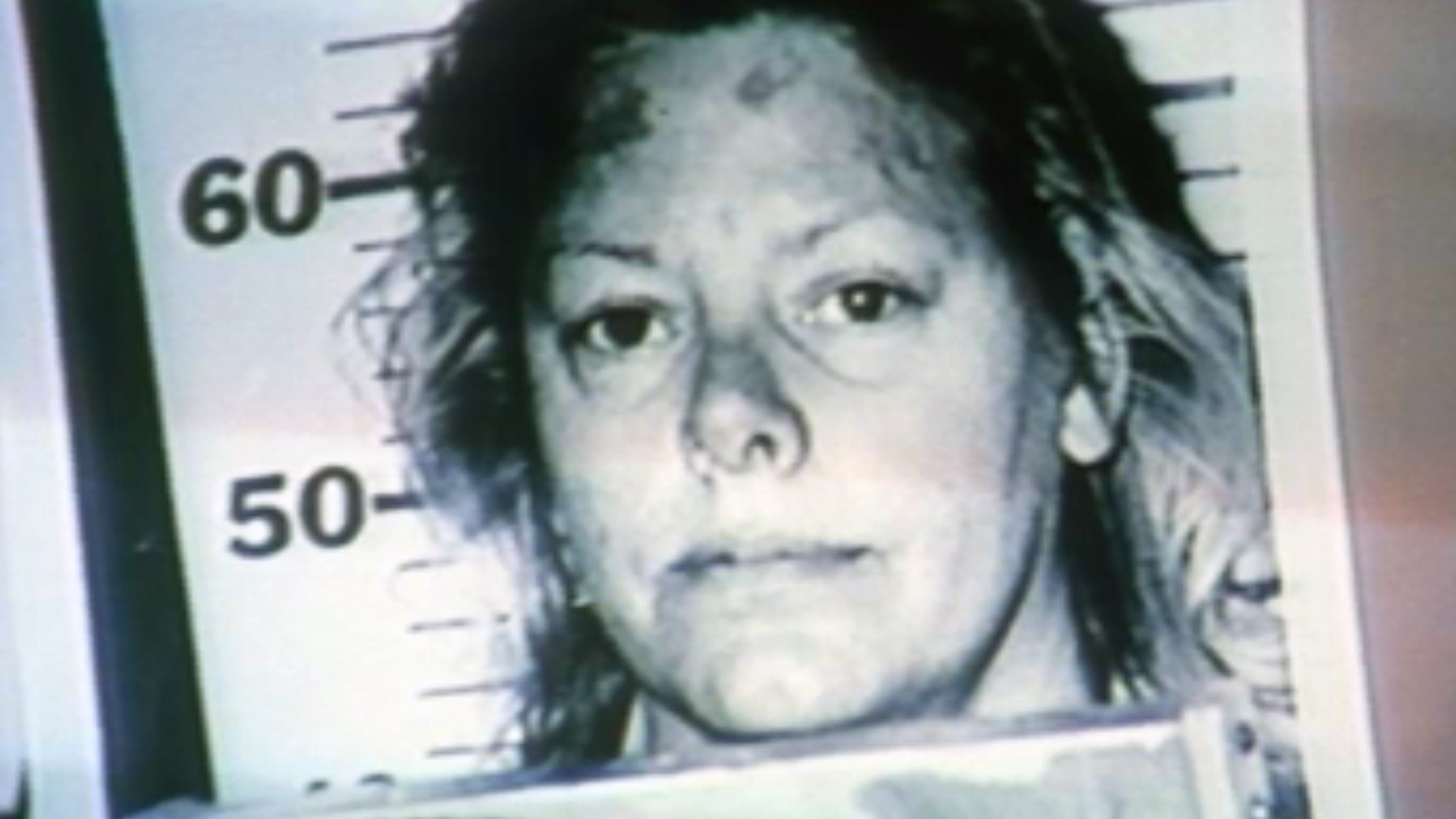
Aileen Wuornos was an American serial killer who murdered seven men in Florida between 1989 and 1990. Her case gained international notoriety due to her claims of self-defense, her tumultuous personal history, and the complex legal battles that ultimately led to her execution by lethal injection in 2002. Her story remains a significant subject in studies of American criminal justice and media representation.
Early Life and Formative Years
Aileen Carol Wuornos was born on February 29, 1956, in Rochester, Michigan. Her childhood was marked by severe instability and trauma, which many biographers and psychologists argue set the stage for her later life of crime. Her father, Leo Pittman, was a diagnosed psychopath who spent much of his life in institutions before committing suicide in prison. Her mother, Diane Wuornos, abandoned her and her brother shortly after Aileen's birth, leaving them in the care of their maternal grandparents.
The environment in which Wuornos was raised was reportedly abusive and neglectful. By her early teens, she was experiencing significant social maladjustment, engaging in petty crime, and drifting into transient living situations. She moved to Florida as a young woman, where she lived on the fringes of society. For the decade preceding the 1989 murders, she worked periodically as a sex worker, a profession that placed her in vulnerable and often violent situations while simultaneously bringing her into contact with the men she would eventually be convicted of killing.
The 1989–1990 Murder Spree
Between November 1989 and November 1990, the bodies of seven men—Richard Mallory, David Spears, Charles Carskaddon, Peter Siems, Troy Burress, Charles Humphreys, and Walter Antonio—were discovered in various wooded areas along Florida highways. All seven men were middle-aged, and forensic evidence indicated they had died from gunshot wounds.
Law enforcement agencies initially struggled to identify a connection between the victims, as they had been discovered in different jurisdictions across the state. However, the ballistic evidence from the crime scenes eventually linked the murders to a single shooter. The investigation led to the identification of Wuornos after police recovered her fingerprints from items belonging to the victims and tracked her to a bar in Volusia County, where she was arrested on January 9, 1991.
Legal Proceedings and the Self-Defense Argument
The trial of Aileen Wuornos became one of the most high-profile legal proceedings of the 1990s. Wuornos faced seven separate capital murder charges. Her legal strategy was controversial: she initially claimed that she had killed the men in self-defense, asserting that they had attempted to rape or assault her while she was working as a sex worker. This narrative challenged the prevailing societal view of serial killers and introduced a complex intersection of gender, class, and the realities of sex work into the courtroom.
The prosecution, led by state attorneys, argued that the murders were calculated acts of robbery rather than defensive measures. They emphasized the fact that Wuornos had stolen the victims' vehicles and personal belongings, selling them to pawn shops and keeping their cash. The jury ultimately rejected the self-defense plea in the first case involving Richard Mallory, leading to a conviction and a recommendation for the death penalty.
Summary of Legal Outcomes
| Victim | Charge | Verdict | Sentence |
|---|---|---|---|
| Richard Mallory | First-Degree Murder | Guilty | Death |
| David Spears | First-Degree Murder | Guilty | Death |
| Charles Carskaddon | First-Degree Murder | Guilty | Death |
| Peter Siems | First-Degree Murder | Guilty | Death |
| Troy Burress | First-Degree Murder | Guilty | Death |
| Charles Humphreys | First-Degree Murder | Guilty | Death |
| Walter Antonio | First-Degree Murder | Guilty | Death |
The Road to Execution
Following her convictions, Wuornos spent over a decade on Florida’s death row. During this period, her mental health became a central point of contention. She experienced intense periods of paranoia and began to express a desire to abandon her appeals. In 2001, she famously requested that the court stop all legal challenges to her death sentence, declaring that she wanted to be executed and that she would kill again if released.
Her legal competency to waive her appeals was evaluated multiple times. The courts ultimately determined that she was mentally capable of understanding the consequences of her decisions. On October 9, 2002, Aileen Wuornos was executed via lethal injection at the Florida State Prison in Raiford, Florida. Her death marked the end of a legal saga that had lasted for over twelve years and prompted extensive public discourse regarding the treatment of women within the death penalty system.
Sociological and Media Impact
The case of Aileen Wuornos continues to generate interest in 2026, largely due to the way it was framed by the media and later adapted for popular culture. At the time of her arrest, some media outlets labeled her "the first female serial killer," a term that is historically inaccurate but indicative of the public fascination with her case.
Documentaries, films, and books have explored the narrative of her life, often focusing on the tension between her status as a victim of abuse and her actions as a perpetrator of violence. Critics of the judicial process often point to her case as an example of how the criminal justice system may fail to adequately account for the influence of systemic trauma and the extreme vulnerabilities inherent in sex work, even when those factors do not legally excuse the crime of murder.
Frequently Asked Questions
Did Aileen Wuornos have any accomplices?
Aileen Wuornos claimed throughout the legal process that she acted alone. While her then-girlfriend Tyria Moore was questioned extensively by police and served as a key witness for the prosecution, there was never any evidence or legal assertion that Moore participated in the murders.
Was the self-defense plea successful in any of the cases?
No. While the self-defense argument was central to her defense team's strategy in all seven cases, the jury and the presiding judges did not find the claim credible. The prosecution’s evidence, particularly the pattern of robbery, effectively negated the requirements for a successful self-defense argument under Florida law.
Why did she stop her appeals?
By 2001, Wuornos expressed profound dissatisfaction with her legal representation and the conditions of her incarceration. She stated that she had "made her peace with God" and no longer wished to prolong the process, citing her belief that the justice system was irredeemably corrupt.
How did the media influence the perception of her case?
The media coverage at the time was immense and often sensationalized. By focusing on her appearance and her unconventional background, much of the reporting obscured the procedural legal questions about how the state handles cases involving sex workers. This has led to decades of retrospective analysis by legal scholars and documentarians.
Recommendation for Further Research
For those looking to understand the technical aspects of the trials or the psychological assessments performed during the 1990s, consult the Florida Department of Corrections' official public archives. These records provide the most accurate timeline of her incarceration, the specific charges brought by the state, and the details of her final appeals. For nuanced sociological analysis, peer-reviewed journals in criminal justice and gender studies offer the most balanced perspectives on how her case altered the legal landscape for future female defendants in capital cases.