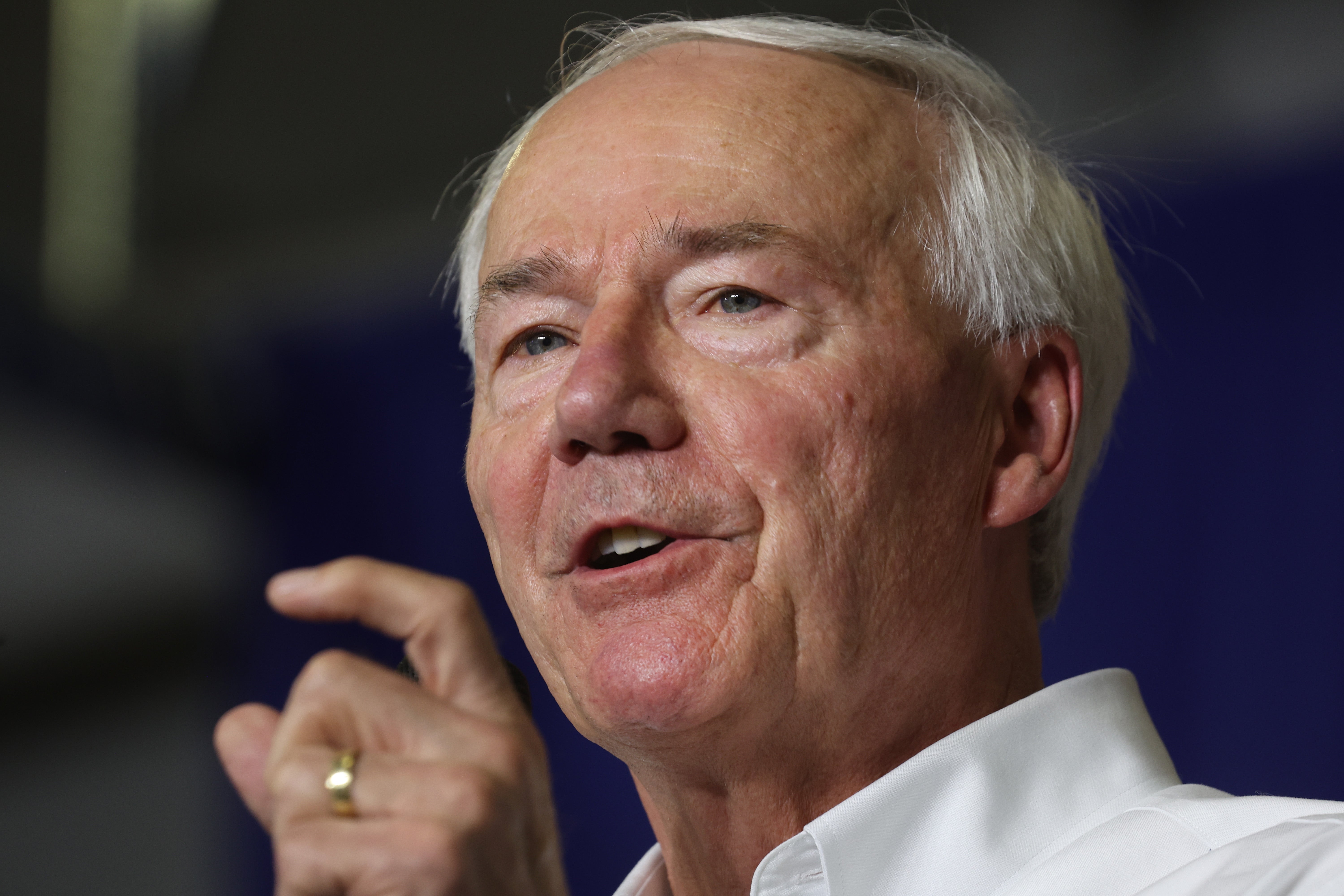
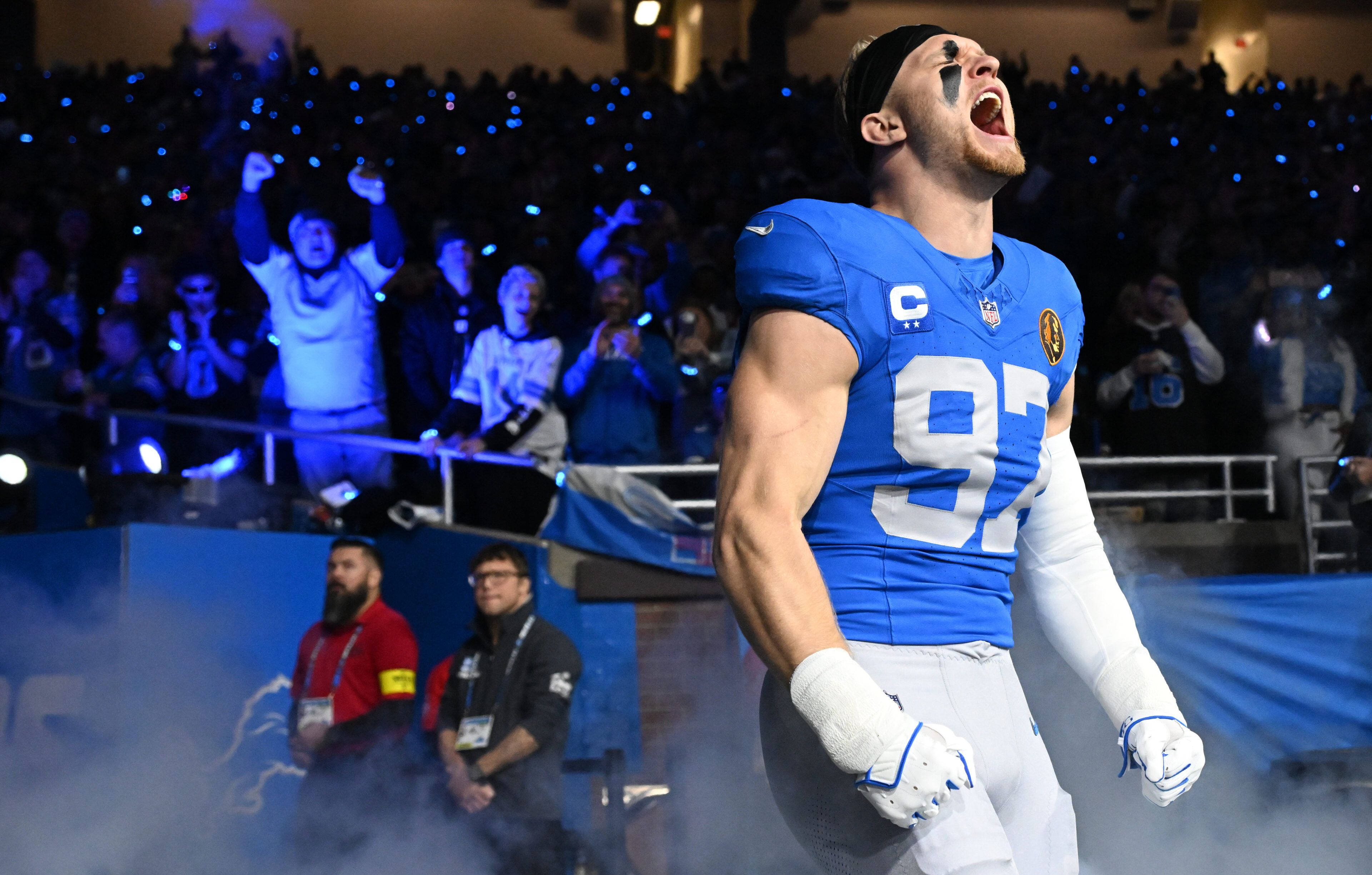
Aidan Hutchinson holds an estimated net worth between $15 million and $20 million, accumulated primarily through his lucrative rookie contract with the Detroit Lions, high-profile commercial endorsements, and performance-based professional milestones. As one of the premier defensive ends in the National Football League, his financial standing reflects both his dominant on-field production and his rapidly expanding marketability off the field.
The Foundation of Professional Wealth: Rookie Contracts Under the CBA
The primary catalyst for Aidan Hutchinson’s financial portfolio is his professional football contract. Selected second overall by the Detroit Lions in the 2022 NFL Draft, Hutchinson signed a standard rookie scale deal dictated by the NFL Collective Bargaining Agreement (CBA). Because the rookie wage scale regulates compensation for drafted players based on their exact draft slot, first-round selections receive fully guaranteed four-year agreements with a club option for a fifth year.
Hutchinson's rookie contract is a four-year, $35.7 million fully guaranteed deal. The agreement included a substantial signing bonus of roughly $23.1 million, paid out shortly after he inked the contract. This lump-sum bonus formed the bedrock of his liquid capital early in his professional career, allowing for immediate investments and wealth management strategies. In addition to the base salary and signing bonus, the structure includes standard annual roster bonuses and workout bonuses designed to incentivize offseason participation and physical conditioning.
Analyzing On-Field Earnings and Salary Trajectory
Understanding professional athlete wealth requires examining the distinction between gross contract values and net take-home pay. While Hutchinson's rookie deal averages nearly $9 million per year in nominal value, actual earnings are subject to several significant deductions. Federal, state, and local income taxes consume a large percentage of a professional athlete's gross revenue, compounded by the fact that players pay "jock taxes" based on the specific states and municipalities where they play away games throughout a grueling 17-game season.
Furthermore, professional football players contribute a fixed percentage of their salaries to escrow accounts, union dues for the NFL Players Association (NFLPA), and various league-sponsored benefit programs. Agent fees typically account for up to three percent of contract earnings. Despite these statutory and operational deductions, Hutchinson's steady base salaries—combined with potential performance escalators and future contract extensions—position him for a dramatic expansion of his career earnings once he becomes eligible for a second-contract negotiation under standard NFL business timelines.
Brand Partnerships and Commercial Endorsements
Off-field revenue streams represent a major multiplier for elite edge rushers, and Hutchinson has leveraged his collegiate stardom at the University of Michigan and his immediate success in the NFL to secure lucrative endorsement portfolios. Star defensive players in major media markets attract attention from national brands seeking rugged, high-performance athletic identities.
Hutchinson's commercial partnerships span several major industries:
- Athletic Apparel and Footwear: High-profile shoe and apparel contracts form the staple of professional football endorsements, providing both baseline financial compensation and specialized gear.
- Automotive and Local Detroit Brands: Given his local roots growing up in Plymouth, Michigan, and starring for the Wolverines before being drafted by the Lions, regional commercial partnerships hold unique authenticity and financial value.
- Energy Drinks and Nutritional Supplements: Performance-driven consumer goods frequently align with elite defensive linemen to market pre-workout and recovery products to sports enthusiasts.
- Video Games and Memorabilia: Licensing agreements with electronic sports gaming franchises and authenticated memorabilia distributors contribute supplementary annual royalties.
Industry analysts estimate that successful starting defensive ends of Hutchinson's caliber can generate anywhere from $1 million to $3 million annually in endorsement revenue alone. While these figures fluctuate based on marketing trends and team success, his dynamic personality and defensive dominance make him an attractive property for corporate sponsors.
Financial Management and Wealth Preservation Strategies
Managing millions of dollars earned during a short athletic window requires sophisticated financial planning. Professional athletes utilize specialized wealth managers, tax attorneys, and fiduciary advisory firms to protect assets against market volatility and short career spans. The average career length in the NFL is notoriously brief, hovering around three years, though elite franchise players often extend their careers well past a decade.
For Hutchinson, wealth preservation involves a diversified asset allocation strategy. Rather than relying solely on high-risk ventures, standard financial practices for elite athletes emphasize conservative real estate investments, low-risk index funds, municipal bonds, and private equity opportunities vetted by certified sports financial advisors. Real estate holdings, particularly in the competitive Michigan and national residential housing markets, provide tangible physical assets that hedge against economic inflation.
Comparing Defensive End Compensation Models
Evaluating Hutchinson's net worth requires context regarding how elite defensive players are compensated relative to the wider NFL economic landscape. Quarterbacks command the highest market value, followed closely by premier pass rushers, offensive tackles, and shutdown cornerbacks. Pass rushers are among the most valued commodities in professional football because disrupting the opposing quarterback dictates modern defensive strategy.
| Player Tier | Typical Contract Range | Primary Revenue Sources | Endorsement Potential |
|---|---|---|---|
| Elite Franchise QB | $45M - $60M+ per year | Base salary, massive signing bonuses | Extremely High (National campaigns) |
| Premier Edge Rusher | $25M - $35M+ per year | Guaranteed money, sack incentives | Moderate to High (Regional/National) |
| Solid Starter / Veteran | $8M - $15M per year | Base salary, roster bonuses | Low to Moderate (Local endorsements) |
| Standard Rookie Scale | $4M - $10M total value | Fixed slot bonus, structured salary | Minimal to Moderate (Emerging) |
As Hutchinson completes his initial rookie scale and approaches a veteran extension, his annual earnings will likely align closer to the premier edge rusher tier, fundamentally shifting his long-term net worth trajectory.
Frequently Asked Questions
What was Aidan Hutchinson's signing bonus with the Detroit Lions?
Aidan Hutchinson received a signing bonus of approximately $23.1 million as part of his four-year rookie contract signed after being selected second overall in the 2022 NFL Draft. This bonus was paid out in a lump sum, establishing the foundation of his professional wealth.
Is Aidan Hutchinson's rookie contract fully guaranteed?
Yes. Under the NFL Collective Bargaining Agreement, first-round draft picks receive fully guaranteed contracts. This means Hutchinson is guaranteed to receive the entire financial value of his $35.7 million rookie deal regardless of injury or performance fluctuations.
How much do endorsements contribute to Aidan Hutchinson's net worth?
Endorsements contribute an estimated $1 million to $3 million annually to his total revenue. These commercial partnerships include agreements with major athletic apparel brands, regional automotive companies, and nutritional product lines that leverage his star status.
When will Aidan Hutchinson be eligible for a contract extension?
Under standard NFL rules, players drafted in the first round are eligible to sign a contract extension after completing three full seasons in the league. Teams also hold a fifth-year club option on rookie deals, providing organizations long-term control over their premier talent before unrestricted free agency begins.
How do taxes affect an NFL player's net worth?
Professional football players face significant tax burdens, including federal income tax, state income tax, local city taxes, and "jock taxes" levied by the specific jurisdictions where away games are played. Additionally, players pay union dues, agent fees, and mandatory contributions to escrow funds and benefit programs.
Strategic Financial Planning for Professional Athletes
Building lasting wealth as a professional athlete requires strict adherence to long-term fiscal discipline rather than short-term consumption. The transition from a rookie earning structured scale wages to a veteran securing a market-resetting extension demands rigorous financial auditing, prudent tax planning, and strategic asset diversification. For elite performers like Aidan Hutchinson, maintaining on-field excellence directly fuels off-field marketability, creating a compounding cycle where athletic achievement secures financial stability long after the final whistle blows.