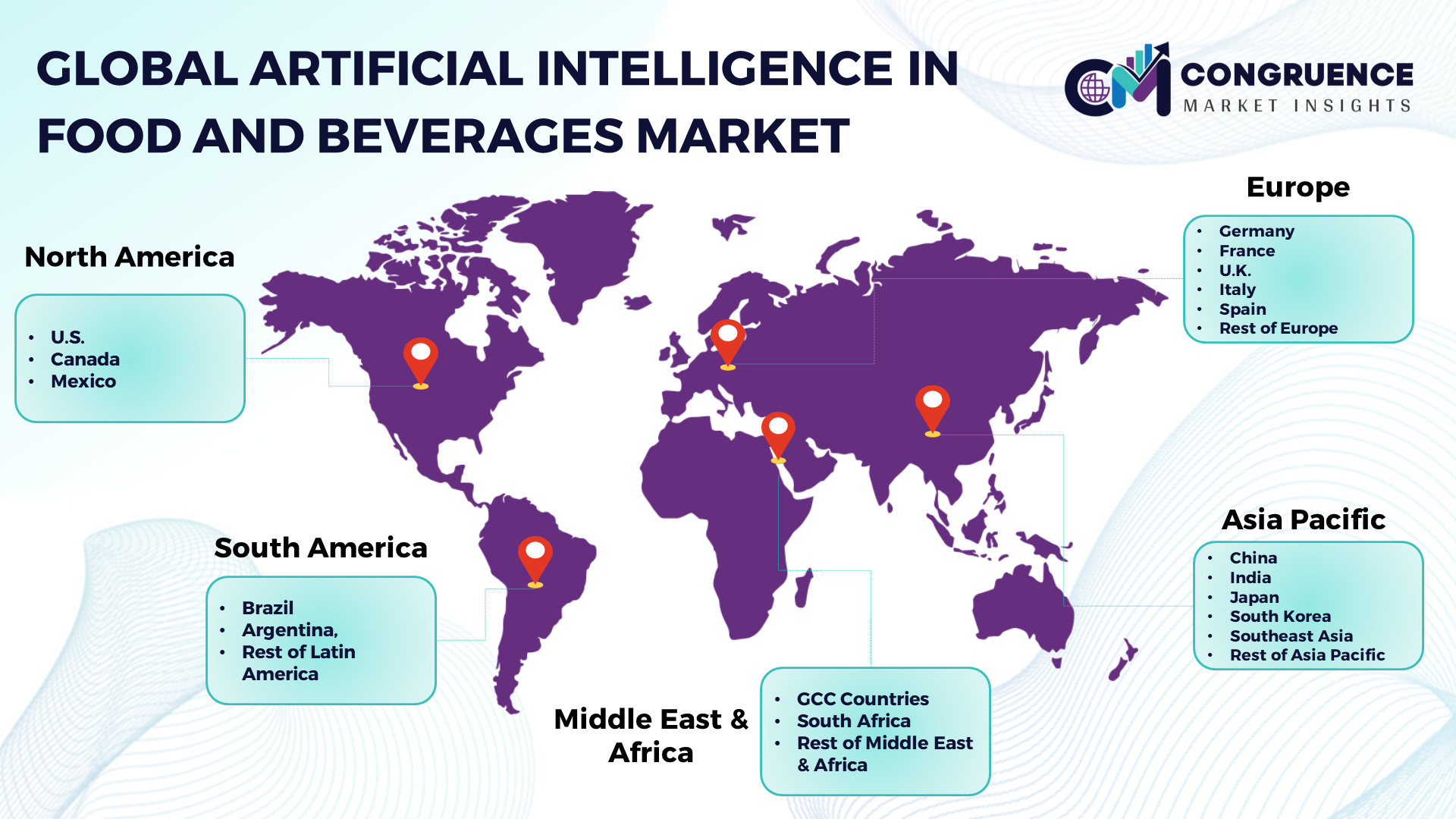
The integration of artificial intelligence into the food and beverage industry transforms traditional manufacturing, supply chain management, and quality control through advanced machine learning algorithms, computer vision systems, and predictive analytics that optimize resource utilization and ensure stringent safety compliance.
The food and beverage (F&B) sector has traditionally operated on tight profit margins, high-volume production schedules, and uncompromising safety standards. In recent years, the adoption of artificial intelligence (AI) has moved from experimental pilot programs to core operational strategy. Modern manufacturing plants, distribution networks, and commercial kitchens utilize machine learning models to predict consumer trends, automate defect detection, and streamline supply chain logistics. Understanding how these technologies function requires looking past high-level corporate claims and examining the specific mechanics of computer vision, predictive maintenance, and data pipelines on the factory floor.
Core Technologies Driving Industry Modernization
Artificial intelligence in the food and beverage sector relies on several distinct technological pillars working in tandem. Machine learning (ML) algorithms process historical production data to forecast equipment failures and optimize batch formulations. Meanwhile, computer vision systems operate at speeds exceeding human capability, inspecting thousands of items per minute for micro-fractures, contamination, or incorrect labeling.
Natural language processing (NLP) and generative AI also play expanding roles, primarily in market research, customer service automation, and product development ideation. By analyzing social media trends, review platforms, and global trade data, food scientists can identify emerging flavor profiles or dietary preferences weeks faster than traditional focus groups allow. However, deploying these digital tools requires a robust data infrastructure. Sensors must capture temperature, pressure, vibration, and chemical composition data in real time, feeding clean inputs into centralized cloud or edge computing architectures.
Quality Control and Food Safety Applications
Ensuring product safety and consistency is the most critical operational requirement for any food and beverage processor. Traditional quality assurance relied heavily on manual spot-checks, which introduced human error and allowed defective batches to slip downstream before discovery. AI-driven computer vision systems transform this process by providing 100% inline inspection capabilities.
These optical sorting and inspection systems utilize high-resolution cameras paired with deep learning networks to detect foreign objects, verify fill levels, and identify seal integrity flaws on packaging lines. For example, in bakery operations, computer vision can assess the exact geometry, color, and surface texture of baked goods, automatically rejecting items that do not meet exact specifications. Furthermore, near-infrared hyperspectral imaging combined with machine learning allows manufacturers to detect bruising, internal defects, or chemical contamination in raw agricultural products before processing begins.
| Technology Type | Primary F&B Application | Key Operational Benefit | Typical Implementation Challenge |
|---|---|---|---|
| Computer Vision | Defect detection, sorting, and package seal inspection | Eliminates manual inspection bias and increases line speed | High initial hardware costs and lighting sensitivity |
| Predictive Maintenance | Monitoring mixer, pump, and conveyor motor wear | Minimizes unplanned downtime and catastrophic failure | Requires historical sensor data and vibration baselines |
| Demand Forecasting | Inventory planning and perishable shelf-life management | Reduces food waste and stockouts across retail channels | Vulnerable to sudden, unmodeled market disruptions |
| Formulation Optimization | Recipe scaling and nutritional profiling for new products | Accelerates time-to-market for consumer packaged goods | Balancing algorithmic suggestions with sensory evaluation |
Predictive Maintenance and Supply Chain Efficiency
Unplanned equipment downtime costs processing facilities millions of dollars annually in lost productivity and spoiled ingredients. Traditional maintenance schedules rely on fixed time intervals, often servicing machinery either too early (wasting functional lifespan) or too late (resulting in sudden breakdowns). Predictive maintenance utilizes Internet of Things (IoT) sensors attached to critical machinery—such as industrial mixers, pasteurizers, refrigeration units, and packaging lines—to monitor acoustic signatures, thermal output, and motor vibration.
Machine learning models establish a baseline of normal operating behavior and detect subtle anomalies that precede component failure. By flagging these issues weeks in advance, maintenance teams can schedule interventions during planned changeover windows. Beyond the factory floor, AI revolutionizes the cold chain and broader supply chain network. Perishable goods require strict temperature monitoring during transit. IoT sensors paired with predictive routing algorithms allow logistics coordinators to dynamically adjust delivery paths, account for traffic delays, and predict shelf-life degradation based on real-time environmental data.
Economic Considerations and Implementation Challenges
While the benefits of artificial intelligence in food and beverage operations are clear, adoption barriers remain significant, particularly for mid-sized and regional producers. The financial investment required for hardware retrofitting, high-performance computing infrastructure, and specialized software licenses can be prohibitive.
Furthermore, data silos present a major operational hurdle. Many facilities operate legacy machinery that lacks digital communication interfaces, making data extraction difficult. Bridging older operational technology (OT) with modern information technology (IT) requires custom middleware and careful cybersecurity protocols to prevent unauthorized network access. Additionally, workforce upskilling is mandatory. Plant operators and maintenance engineers must learn to interpret algorithmic dashboards and troubleshoot automated systems, shifting their daily roles from manual execution to supervisory oversight.
Frequently Asked Questions
How does AI reduce food waste in manufacturing?
AI reduces food waste primarily through accurate demand forecasting, predictive maintenance, and real-time quality control. By predicting consumer demand more precisely, manufacturers produce optimal batch sizes, preventing overproduction of perishable goods. Predictive maintenance stops machinery from malfunctioning and ruining large product runs, while computer vision catches defects early, allowing food to be diverted to alternative uses like animal feed rather than ending up as unrecoverable waste.
Can small and medium-sized food processors benefit from AI?
Yes, smaller processors can benefit by starting with scalable, cloud-based software solutions rather than building expensive custom infrastructure. Off-the-shelf inventory management tools, cloud analytics platforms, and modular computer vision units designed for specific tasks—such as label verification—allow smaller facilities to capture efficiency gains with lower initial capital expenditure.
What data is required to implement predictive maintenance in a food plant?
Implementing predictive maintenance requires historical and real-time operational data gathered from IoT sensors. Essential data streams include motor vibration frequencies, bearing temperatures, power draw fluctuations, acoustic emissions, and operational runtime logs. The machine learning model requires sufficient historical data covering both normal operations and past failure events to learn accurate anomaly detection patterns.
How do computer vision systems handle changing lighting conditions on production lines?
Modern computer vision systems use advanced optical filtering, polarized lenses, and robust neural network training techniques that expose models to varied lighting environments during the training phase. Additionally, many modern inspection setups utilize enclosed, controlled-lighting inspection booths directly over the conveyor belt to eliminate ambient interference from factory windows or overhead fixtures.
Are there regulatory compliance standards for AI-driven food processing?
While AI algorithms themselves are not directly certified by food safety regulators, the end products and processes must comply with existing standards such as Hazard Analysis Critical Control Point (HACCP), FDA regulations, and ISO food safety management systems. Manufacturers must validate that automated sorting and inspection systems meet or exceed the accuracy thresholds of traditional manual quality assurance protocols.
Strategic Roadmap for Technology Adoption
Successful integration of artificial intelligence into food and beverage operations demands a structured, phased approach. Organizations must begin by auditing existing data infrastructure and identifying specific operational bottlenecks—such as high scrap rates on a specific packaging line or frequent compressor failures in refrigeration units. Rather than attempting a complete enterprise-wide digital transformation simultaneously, technical teams should launch targeted pilot projects with clear, measurable key performance indicators (KPIs). Cross-functional collaboration between plant engineers, IT specialists, and quality assurance personnel ensures that deployed algorithms solve genuine operational problems while maintaining strict adherence to food safety and regulatory compliance standards.