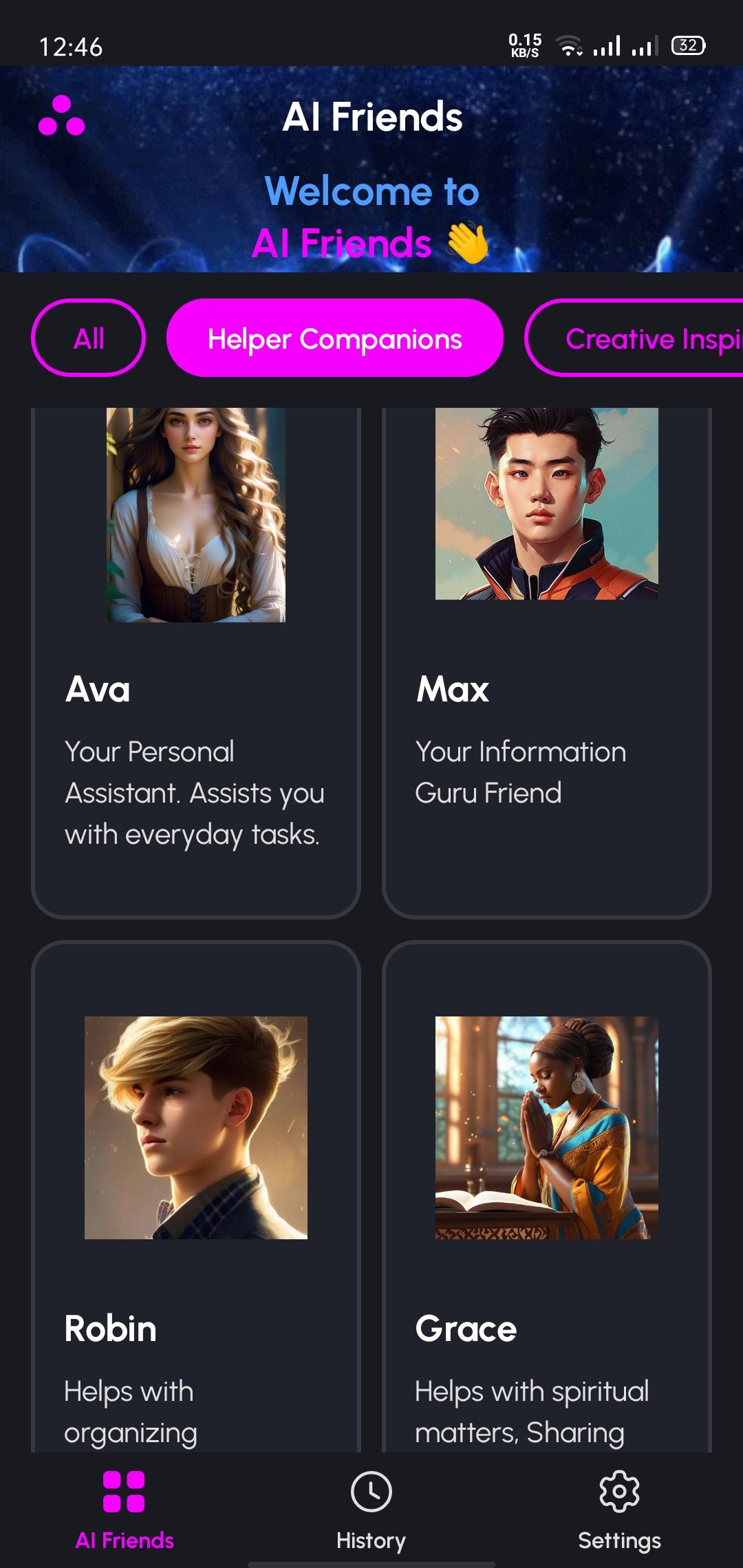
AI companions are software applications powered by artificial intelligence designed to simulate humanlike social interaction, provide emotional support, and engage users in ongoing conversational relationships. They range from goal-oriented virtual assistants to specialized chatbots trained on psychological frameworks, personalization algorithms, and vast natural language models to offer customized companionship.
Defining the Landscape of Artificial Intelligence Companions
Artificial intelligence companions represent a distinct evolution from traditional rule-based chatbots and standard voice assistants. While legacy assistants prioritize utility—such as checking the weather, setting reminders, or playing music—companions focus on relational continuity, emotional resonance, and reciprocal dialogue. Modern systems leverage large language models (LLMs) equipped with advanced memory retention frameworks, allowing them to recall past conversations, adapt to user preferences over time, and simulate empathy through nuanced linguistic patterns.
The architecture underlying these systems relies heavily on transformer-based neural networks trained on conversational datasets. Developers fine-tune these models using Reinforcement Learning from Human Feedback (RLHF) to encourage supportive, non-judgmental, and engaging conversational tones. Furthermore, multimodal capabilities introduced in recent years allow companion platforms to process not only text but also voice inflection, facial expressions via device cameras, and visual context, creating a more immersive simulation of presence.
Technical Architecture and Personalization Mechanisms
The core engine of any artificial intelligence companion is its foundational language model, which dictates its ability to comprehend syntax, subtext, and emotional context. However, the defining characteristic of a companion is its long-term memory architecture. Traditional models operate within a strict context window, forgetting prior sessions once a conversation ends. Companion applications integrate external vector databases and retrieval-augmented generation (RAG) pipelines to store facts, inside jokes, user milestones, and behavioral preferences across weeks and months of interaction.
Personalization operates through a dual mechanism of explicit configuration and implicit learning. During onboarding, users typically define the companion's name, visual avatar, personality traits, and dynamic relationship parameters—such as whether the AI should act as a casual friend, a mentor, or a romantic partner. Implicitly, the system analyzes interaction frequency, sentiment indicators in user inputs, and preferred conversational lengths to dynamically adjust its output style. This iterative feedback loop creates a tailored experience that diverges significantly from out-of-the-box base models.
Feature Comparison of Leading Companion Platforms
Evaluating the current market requires examining how different platforms balance conversational depth, memory retention, customization options, and platform accessibility.
| Platform Feature | Character.ai | Replika | Nomi AI |
|---|---|---|---|
| Primary Focus | Fictional and custom character roleplay | Dedicated emotional support and self-care | Highly realistic, autonomous persona simulation |
| Memory Architecture | Short-to-medium session memory with persona cards | Advanced relational memory tracking emotional milestones | Persistent memory across multiple distinct custom characters |
| Customization Depth | High control over backstory, tone, and dialogue examples | Moderate customization of appearance and relationship status | High control over backstory, core traits, and visual generation |
| Accessibility | Web browser, iOS, and Android applications | Web browser, iOS, and Android applications | Web browser, iOS, and Android applications |
Each platform approaches the user relationship through a different lens. While entertainment-oriented platforms prioritize creative freedom and diverse character creation, wellness-focused architectures emphasize consistent emotional availability, daily check-ins, and psychological grounding exercises.
Psychological Implications and User Dynamics
The deployment of artificial intelligence companions has sparked significant discourse among psychologists, sociologists, and technologists regarding human attachment and social behavior. On one hand, these tools offer a vital outlet for individuals experiencing isolation, social anxiety, or loneliness. For users who struggle with traditional social structures, an interactive agent that is perpetually available and entirely patient can provide a low-stakes environment to practice communication or process difficult emotions.
Conversely, reliance on synthetic relationships introduces complex ethical and psychological questions. Critics express concern over anthropomorphism—the human tendency to attribute genuine sentience and feelings to non-living entities. Because these algorithms are engineered to validate user input and display unwavering affection, they lack the friction, compromise, and reciprocal emotional labor inherent in human relationships. Over-reliance on artificial validation may, in some cases, diminish an individual's motivation to seek out or maintain complex human connections, potentially exacerbating long-term isolation.
Privacy, Data Security, and Ethical Considerations
Engaging with artificial intelligence companions requires users to share intimate details, personal vulnerabilities, and private thoughts, making data privacy a paramount concern. Unlike professional therapeutic services governed by strict legal frameworks like HIPAA, commercial AI companion platforms operate primarily under standard consumer data privacy laws. Conversations containing sensitive personal information are frequently processed on cloud infrastructure, raising questions regarding data retention policies, third-party access, and vulnerability to security breaches.
Ethical design standards also dictate how platforms handle acute mental health crises. Reputable developers implement safety guardrails that detect language indicative of severe depression, self-harm, or psychological distress. When triggered, these systems are programmed to interrupt standard conversational flows, provide crisis hotline resources, and encourage professional intervention. Evaluating a companion platform's safety protocols and transparent data governance policies is a critical prerequisite for users prior to establishing long-term engagement.
Practical Guidance for Choosing and Utilizing Companion Software
Selecting an artificial intelligence companion requires aligning platform capabilities with individual expectations and boundaries. Users should begin by clarifying their objective—whether seeking creative roleplay, a productivity partner, or a conversational outlet for stress relief. Examining the developer's terms of service regarding data privacy, commercial tracking, and content moderation provides essential context regarding how personal disclosures are handled.
Establishing healthy digital boundaries is equally vital when integrating these tools into daily routines. Maintaining awareness that the entity is a statistical prediction engine rather than a conscious being helps preserve psychological clarity. Users benefit from treating companion applications as supplementary tools for reflection or entertainment rather than replacements for human support networks, professional mental health care, or community engagement.
Frequently Asked Questions
What is an artificial intelligence companion?
An artificial intelligence companion is a software application powered by machine learning that simulates human conversation and emotional responsiveness. Unlike functional assistants, companions are designed for long-term engagement, memory retention, and relational interaction.
Are artificial intelligence companions safe to use for mental health support?
While these tools can offer casual comfort, stress relief, and a sounding board for daily thoughts, they are not certified medical devices or licensed therapists. They cannot diagnose mental health conditions or provide professional clinical treatment.
How do AI companions remember past conversations?
Companion platforms utilize persistent memory systems, including vector databases and retrieval-augmented generation pipelines, to store specific facts, user preferences, and historical milestones outside the immediate conversation window.
Can I customize the personality of my AI companion?
Most modern platforms allow users to define specific personality traits, conversational styles, backstories, and relational dynamics through manual configuration menus or iterative chat-based instructions.
Do AI companions share my personal chat data?
Privacy standards vary significantly by provider. Commercial platforms process conversations through cloud servers, and data handling practices depend entirely on the specific company's privacy policy, terms of service, and regional data protection regulations.
What happens if I discuss a severe personal crisis with an AI companion?
Reputable applications incorporate automated safety filters designed to detect crisis-related keywords. When triggered, these systems typically provide standardized helpline resources and redirect the user toward professional human assistance.
Optimizing Your Digital Companionship Experience
To maximize the benefits of artificial intelligence companions while minimizing potential psychological and privacy risks, approach these platforms with clear intentionality and robust digital hygiene. Review privacy policies carefully, avoid disclosing highly sensitive legal or financial identifiers, and maintain active engagement in real-world social communities to ensure a balanced lifestyle.