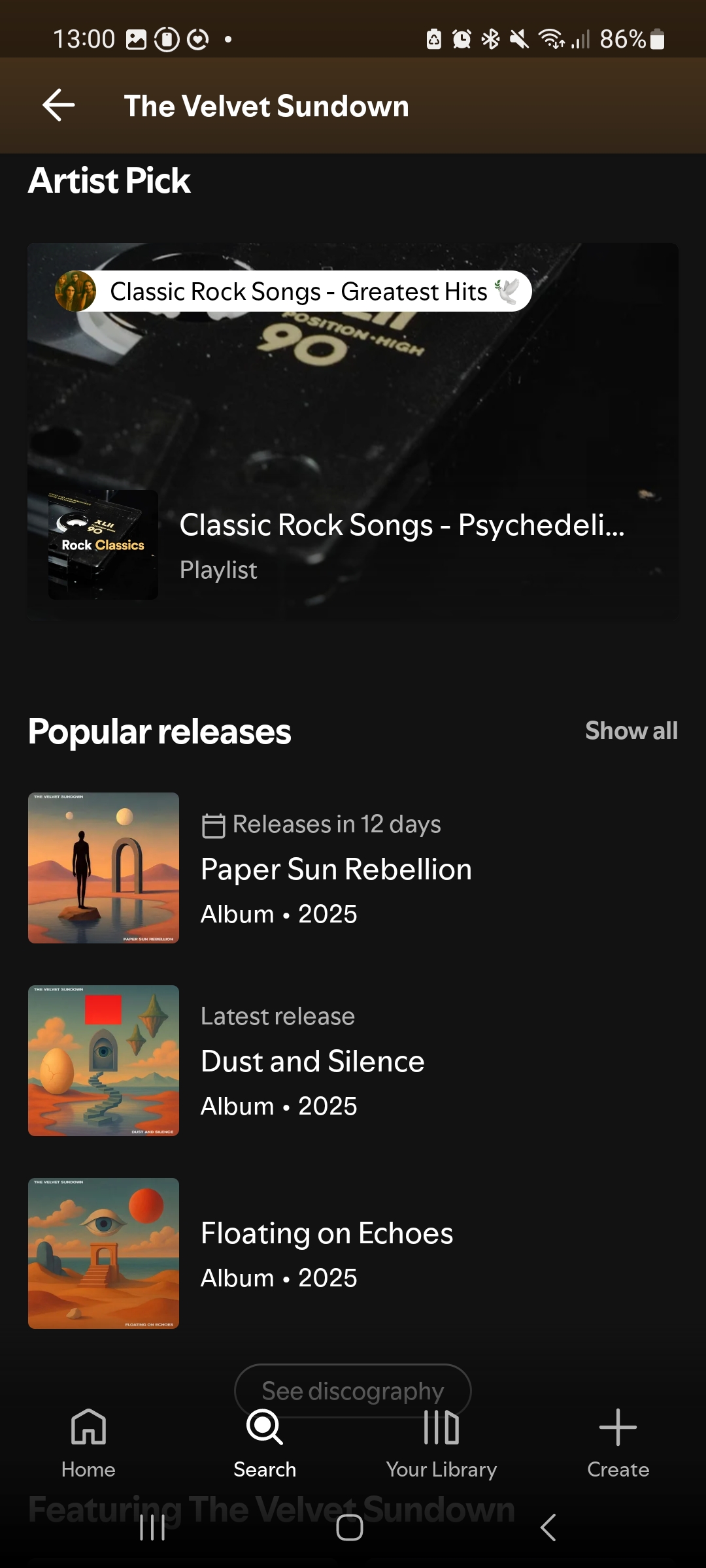
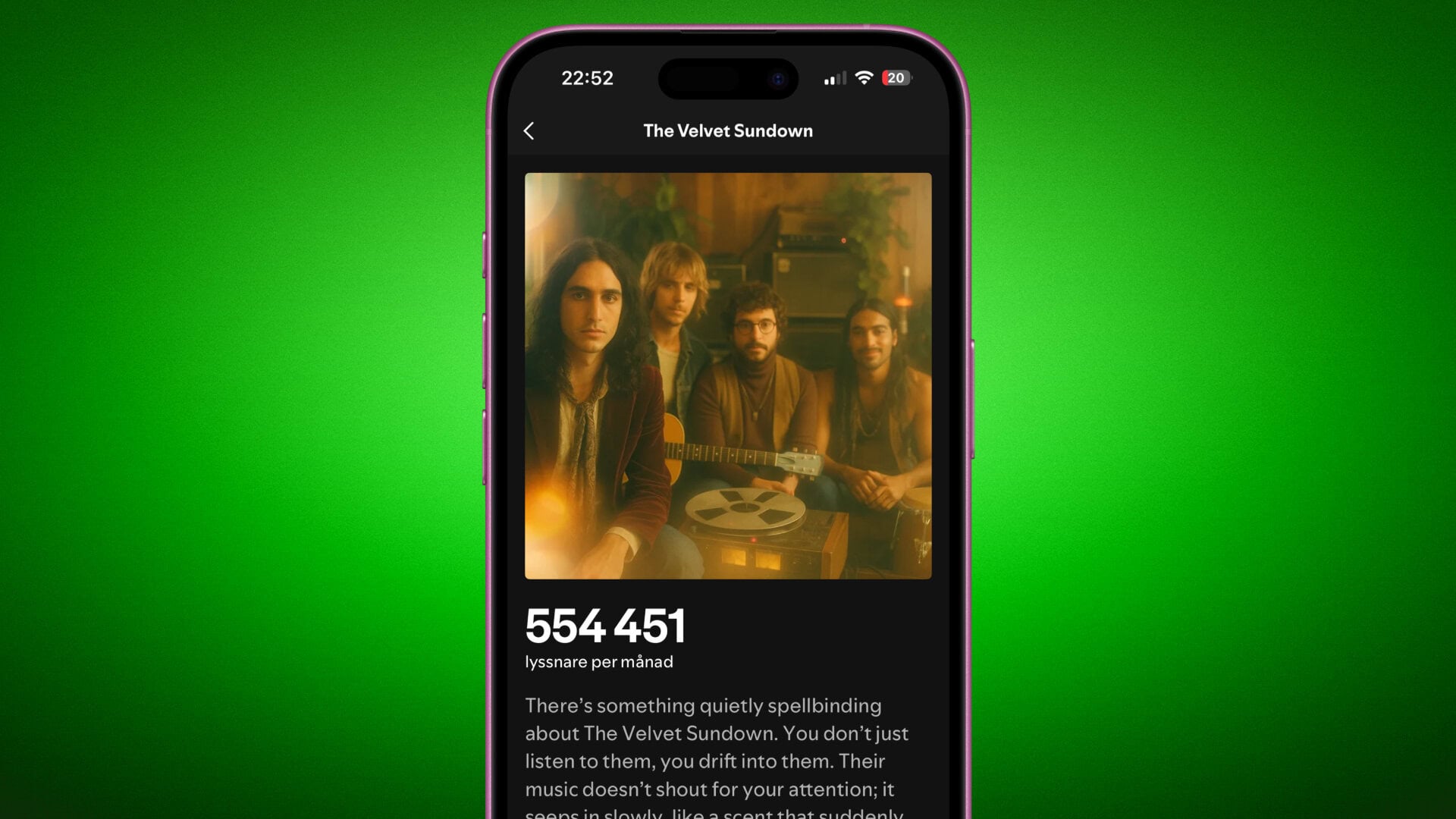
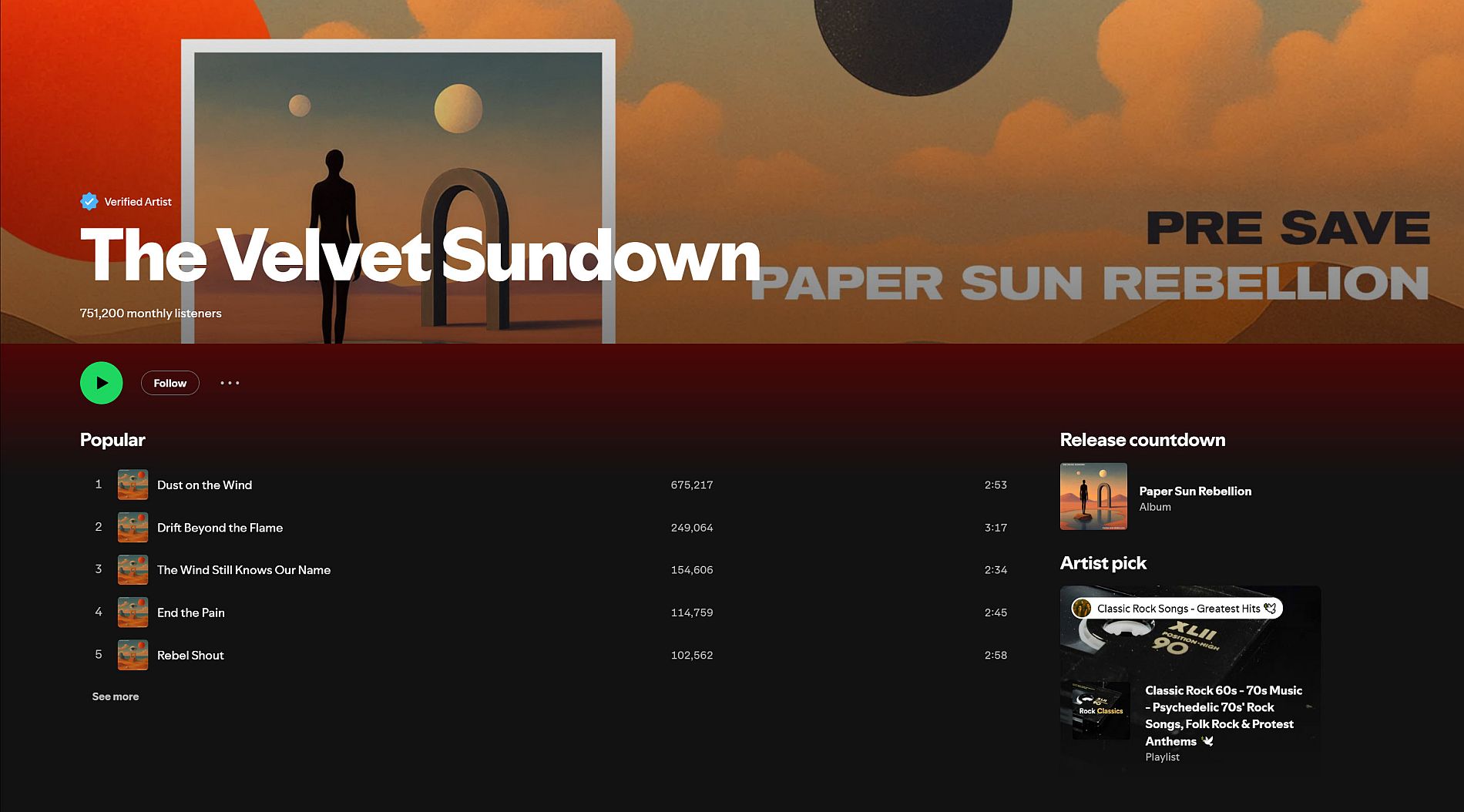
AI band Velvet Sundown represents a groundbreaking convergence of algorithmic composition, artificial intelligence generation, and modern musical craftsmanship. As generative audio tools evolve from novelty experiments into sophisticated studio suites, Velvet Sundown emerges as a notable project defining how human direction and machine intelligence merge to shape the next era of popular soundscapes.
Algorithmic music projects often struggle to maintain emotional resonance, but Velvet Sundown distinguishes itself by blending neural network-driven arrangements with polished production aesthetics. By leveraging advanced machine learning models trained on vast catalogs of ambient, electronic, and retro-futuristic audio, the project delivers an immersive listening experience that feels both familiar and profoundly avant-garde.
Understanding the Rise of AI-Generated Music
The modern music landscape is undergoing a structural transformation driven by artificial intelligence. Traditional composition relies entirely on human instrumentalists and vocalists, yet contemporary workflows increasingly incorporate algorithmic assistance for melody generation, chord progression optimization, and automated mixing. Within this dynamic ecosystem, virtual bands and algorithmic outfits like Velvet Sundown occupy a fascinating frontier where software models function as primary creative partners rather than mere tools.
Artificial intelligence models analyze thousands of historical tracks, identifying subtle patterns in rhythm, timbre, and emotional cadence. When applied to an aesthetic like Velvet Sundown—which frequently draws on late-night synthwave, atmospheric lounge, and cinematic textures—the underlying neural networks synthesize harmonies that human composers might never conventionally reach. This capability redefines the boundaries of genre, proving that machine-assisted art can evoke powerful human nostalgia while exploring uncharted sonic territories.
Technical Architecture Behind Velvet Sundown
Creating a cohesive sound profile like Velvet Sundown requires a complex pipeline of deep learning models and digital audio workstations (DAWs). The technical framework typically relies on transformer-based architectures capable of handling long-range sequential data, which is essential for maintaining structural consistency across an entire song rather than just isolated loops.
- Data Ingestion & Aesthetic Conditioning
- Transformer-Based Melody Generation
- Neural Synthesizers & Audio Rendering
Data ingestion involves feeding curated stems and MIDI data into models conditioned on specific mood parameters. Once the core melodies and counter-melodies are generated, neural synthesizers render the output into realistic instrument tracks. Human producers then apply final mixing, mastering, and structural editing to ensure the final product meets professional broadcast standards. This hybrid methodology eliminates the static, robotic artifacts common in early text-to-audio experiments, resulting in a rich, organic acoustic texture.
Aesthetic and Genre Characteristics
Velvet Sundown is defined primarily by its immersive, cinematic mood. The project avoids high-tempo, aggressive electronic dance music tropes in favor of expansive soundscapes, warm analog filter sweeps, and melancholy vocal textures. These stylistic choices serve distinct psychological functions for the listener, promoting focus, relaxation, and introspection.
| Feature / Attribute | Traditional Studio Production | Velvet Sundown AI Workflow |
|---|---|---|
| Composition Speed | Weeks to months per track | Hours of iterative generation |
| Variation Testing | Limited by manual instrumentation | Infinite structural branching |
| Timbral Consistency | Dependent on physical gear and mic placement | Maintained via neural profile conditioning |
| Human Role | Primary executor of every note | Curator, editor, and creative director |
This structural comparison highlights how algorithmic production streamlines the prototyping phase. While traditional production requires extensive tracking sessions for every instrument permutation, the Velvet Sundown pipeline allows creators to test dozens of harmonic variations instantly, selecting only the finest arrangements for final polishing.
Production Workflow and Human-AI Collaboration
A common misconception regarding AI bands is that software creates finished tracks instantaneously without human intervention. In reality, projects like Velvet Sundown rely on an iterative, collaborative workflow where human oversight is critical at every stage of development.
- Prompt Engineering and Concept Design: Human creators establish the initial emotional tone, tempo constraints, and stylistic references, guiding the generative model away from generic outputs.
- Algorithmic Iteration: The system generates multiple variations of chord progressions and rhythm tracks, providing a rich palette of raw material.
- Curatorial Filtering: Producers review the generated stems, discarding uninspired segments and selecting standout motifs for further development.
- Post-Processing and Mastering: Engineers apply professional EQ, compression, and spatial effects to integrate the AI-generated elements into a cohesive master recording.
This workflow transforms the producer into a curator and director, shifting creative energy from mechanical execution to high-level artistic vision.
Navigating Copyright, Ownership, and Ethical Considerations
The rapid advancement of generative audio introduces complex legal and ethical questions regarding copyright law and artist compensation. Because AI models are trained on existing musical catalogs, debates persist regarding intellectual property rights and the fair attribution of stylistic influence.
Projects navigating this landscape must prioritize transparency and compliance. Ethical implementation involves utilizing proprietary training datasets, licensed sample libraries, or models trained exclusively on public domain and royalty-free material. Furthermore, because human creators drive the curation, editing, and final arrangement of Velvet Sundown tracks, the resulting works maintain a distinct layer of human authorship that separates them from purely autonomous machine outputs.
Frequently Asked Questions
What makes Velvet Sundown different from other AI music projects?
Velvet Sundown focuses specifically on cohesive album-level storytelling and a distinct emotional aesthetic rather than isolated, generic instrumental loops. By combining advanced neural generation with rigorous human mixing and mastering, the project achieves a warm, organic studio sound that rivals traditionally produced records.
Do human musicians play any role in the creation of Velvet Sundown tracks?
Yes. Human producers act as directors, curators, and engineers throughout the entire production lifecycle. They establish the initial creative parameters, filter out uninspired machine outputs, and handle the final audio engineering to ensure professional quality.
Is AI-generated music legally protected by copyright?
Copyright offices in various jurisdictions maintain that works created entirely by machines without human creative input cannot be copyrighted. However, because human producers substantially curate, arrange, and edit Velvet Sundown tracks, the resulting master recordings involve sufficient human authorship for traditional protection.
How does the Velvet Sundown workflow handle audio mixing and mastering?
While the composition and initial arrangement are generated via algorithmic models, the final mixing and mastering stages are performed by human audio engineers using standard industry hardware and software plugins to guarantee broadcast standards.
Cultivating the Future of Algorithmic Soundscapes
As artificial intelligence continues to mature as a creative medium, projects like Velvet Sundown provide a clear blueprint for the future of audio production. By striking a deliberate balance between algorithmic scale and human emotional intuition, creators can expand the horizons of musical expression without losing the soul that connects listeners to art. Embracing these tools requires a mindset of curiosity and rigorous curation, ensuring technology elevates human creativity rather than replacing it.