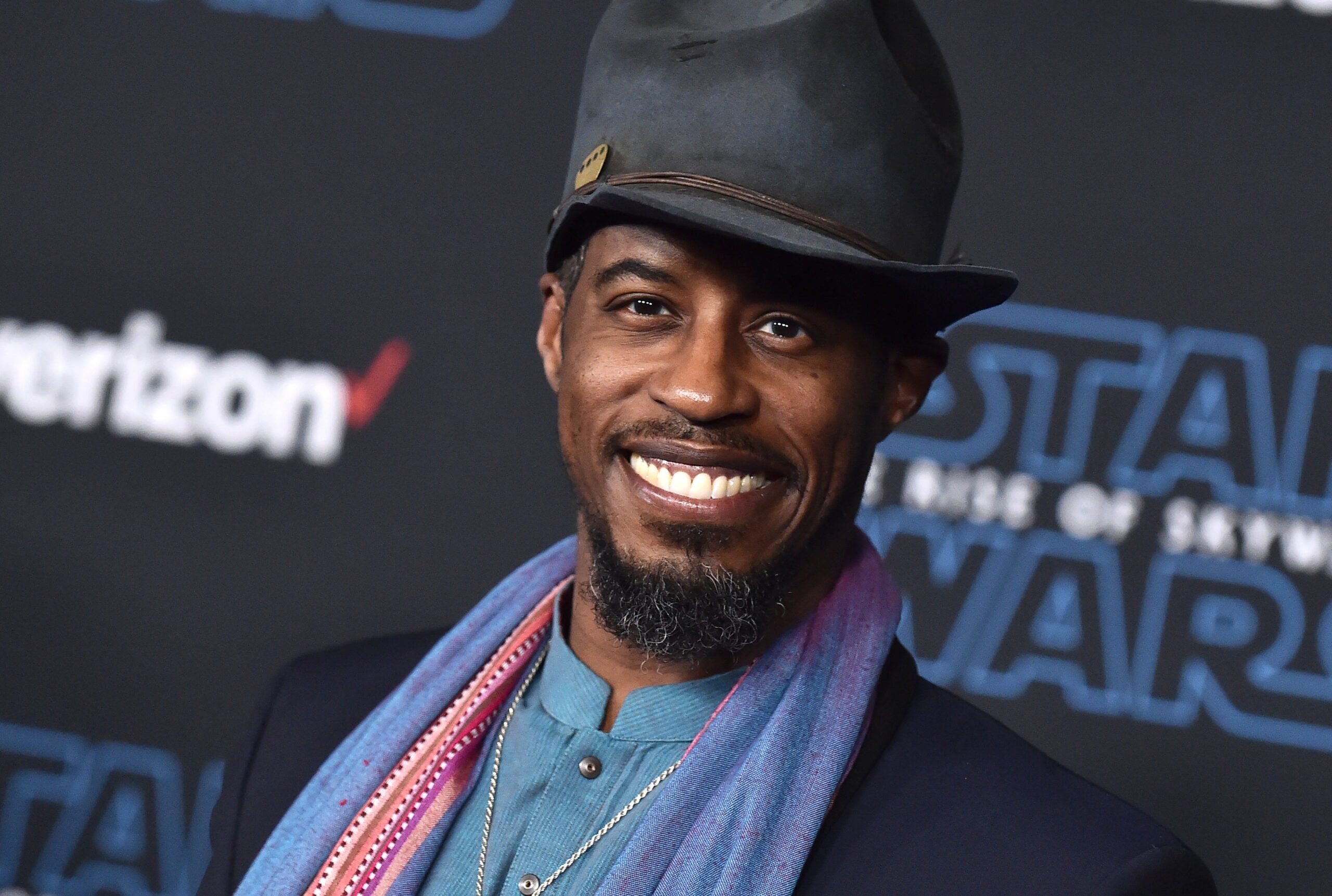
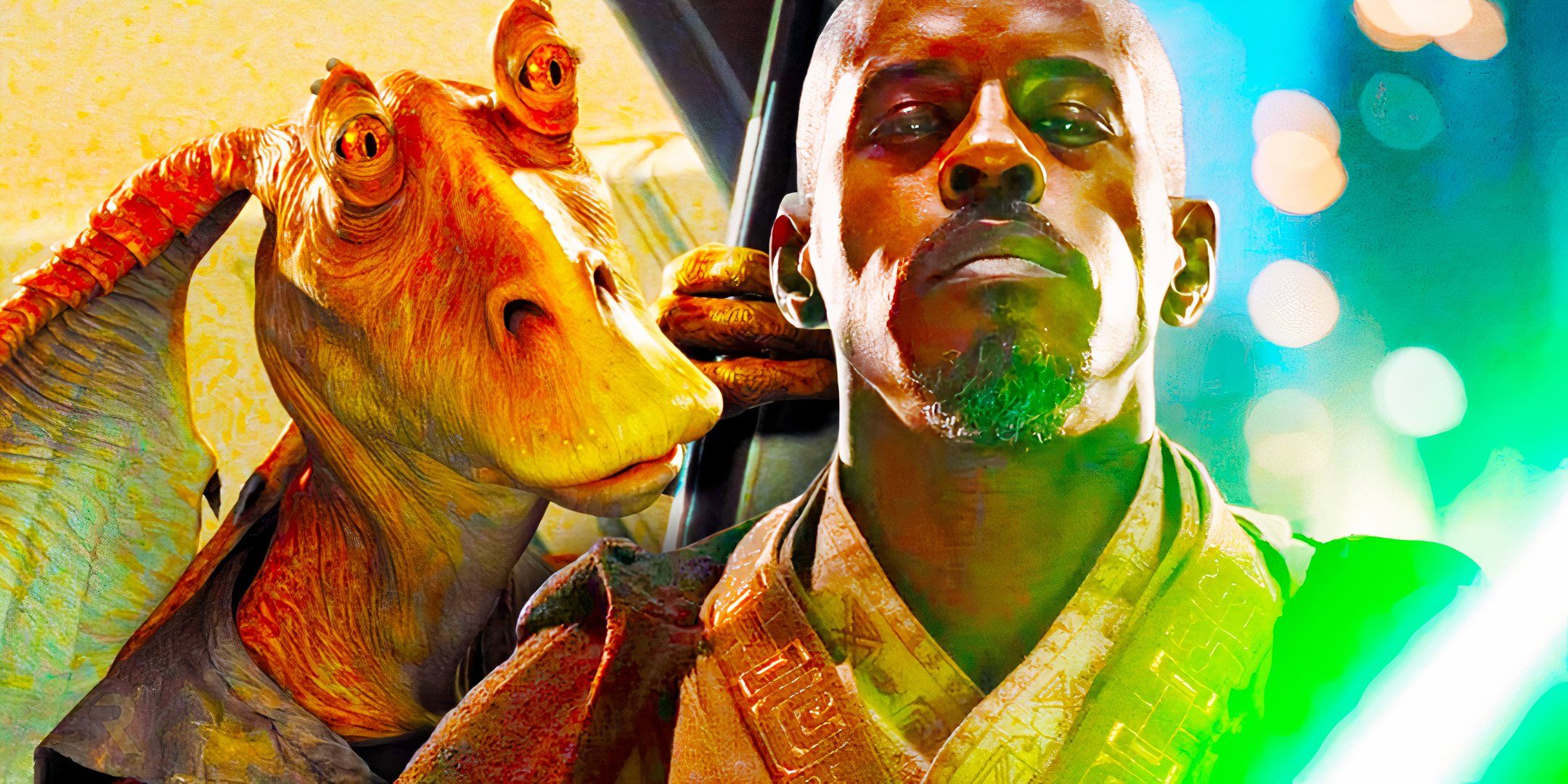
Ahmed Best is an acclaimed American actor, voice actor, writer, and musician best known for originating the groundbreaking computer-generated character Jar Jar Binks in the Star Wars prequel trilogy. Beyond his historic contributions to motion-capture performance technology, Best has maintained a diverse, decades-long career spanning theater, television, independent cinema, and academic mentorship, eventually returning to the Star Wars franchise as Jedi Master Kelleran Beq.
Introduction to the Artistic and Technical Pioneer
The trajectory of Ahmed Best’s career bridges the evolution of modern cinematic performance capture and the enduring cultural impact of science fiction franchises. Born in New York City and raised in both the United States and London, Best developed a multifaceted background in music, dance, and theatrical arts before landing the role that would change film history. When George Lucas and Industrial Light & Magic sought to create a fully computer-generated supporting character interacting seamlessly with live-action actors in 1999's Star Wars: Episode I – The Phantom Menace, Best was selected to provide both the physical performance capture and the voice for Jar Jar Binks.
While the character's reception among audiences was famously polarized, Best's pioneering work laid foundational standards for modern digital performance capture, directly influencing subsequent breakthroughs by actors like Andy Serkis. Decades after the initial backlash subsided, critical reevaluations of Best's work highlighted the immense physical coordination, vocal dexterity, and improvisational skill required to pioneer a role that had no cinematic precedent. This historical context highlights his broader evolution from an innovative motion-capture pioneer to an established multi-disciplinary creator, educator, and returning icon within the Star Wars universe.
The Genesis of Jar Jar Binks and Motion Capture Innovation
In the late 1990s, the creation of Jar Jar Binks represented a monumental gamble for Industrial Light & Magic (ILM) and director George Lucas. Before The Phantom Menace, computer-generated characters were primarily used for non-speaking digital creatures or background elements. Best was initially hired as a movement specialist and stunt coordinator to help physical actors react to a character that would be added later in post-production. However, after demonstrating a unique physical vocabulary that combined traditional commedia dell'arte, physical comedy, and martial arts, Best was cast as the voice and physical template for the Gungan outcast.
| Project / Milestone | Release Year | Role / Contribution | Technical Significance |
|---|---|---|---|
| Star Wars: Episode I – The Phantom Menace | 1999 | Jar Jar Binks (Performance Capture / Voice) | Pioneered digital character integration in live-action cinema. |
| Star Wars: Episode II – Attack of the Clones | 2002 | Jar Jar Binks / Achk Med-Beq | Refined digital performance workflows and physical continuity. |
| Star Wars: Episode III – Revenge of the Sith | 2005 | Jar Jar Binks | Completed the prequel trilogy arc amidst heavy public scrutiny. |
| Star Wars: The Clone Wars | 2008 | Jar Jar Binks (Voice) | Continued character development in long-form animated television. |
| Star Wars: The Mandalorian | 2023 | Kelleran Beq | Live-action return as a Jedi Master, receiving widespread acclaim. |
Working on set presented unprecedented technical hurdles. Best wore a specialized blue suit covered in tracking markers, often performing scenes twice: once alongside the principal cast to establish timing and eye lines, and again alone on a soundstage while interacting with robotic markers and crew members operating off-camera rigs. The physical toll was severe, requiring intense athletic endurance, precise spatial awareness, and the ability to maintain vocal modulation while executing acrobatic stunts. Despite the intense technical constraints, Best's performance established the blueprint for what would later become standard industry practice in blockbusters utilizing digital doubles and virtual production environments.
Navigating Public Reception and Professional Resilience
The widespread cultural backlash against Jar Jar Binks is one of the most documented phenomena in modern entertainment history. Upon the release of The Phantom Menace, some critics and segments of the fan base targeted the character with intense hostility, which frequently spilled over into personal attacks directed at Best. In interviews years later, Best revealed that the negative reception severely impacted his mental health and nearly derailed his career at its inception. The vitriol directed at a pioneering digital performance highlighted the complex parasocial relationships audiences maintain with legacy franchises and the vulnerability of actors portraying unconventional characters.
Rather than abandoning the entertainment industry, Best leaned into education, stage work, and independent projects. He utilized his experiences to foster resilience, eventually speaking openly about the psychological toll of public scrutiny. His ability to navigate this turbulent period preserved his artistic integrity and positioned him as a respected elder statesman within the broader fan community. This resilience ultimately created space for a cultural reassessment, allowing fans and critics to separate their opinions of the character from the immense technical and physical achievements of the actor behind the digital mask.
Evolution into Academic Mentorship and Theatre
Beyond blockbuster filmmaking, Best has cultivated a robust career in live theater, independent cinema, and higher education. He earned a Master of Fine Arts in acting from the American Conservatory Theater and has dedicated a significant portion of his professional life to mentoring younger artists. His academic pursuits led him to positions as a senior artist in residence and professor at institutions such as the University of Southern California (USC) School of Dramatic Arts, where he taught courses on motion capture, physical acting, and the intersection of technology and performance.
In the theatrical space, Best has performed in numerous stage productions, embracing classical texts and contemporary plays alike. His versatility on stage demonstrates a deep technical foundation that extends far beyond the computer-generated imagery (CGI) suites of Hollywood studios. By combining rigorous conservatory training with practical experience in cutting-edge digital filmmaking, Best developed a unique pedagogical approach. He frequently lectures on how actors can maintain emotional truth and physical agency while working within heavily digital, green-screen environments—a skill set increasingly vital for contemporary dramatic artists.
Triumphant Return to the Galaxy Far, Far Away
The culmination of Best's professional rehabilitation and enduring legacy within the science fiction genre occurred with his return to live-action Star Wars storytelling. In the third season of the Disney+ series The Mandalorian (2023), Best made a surprise appearance as Jedi Master Kelleran Beq—a character he had originally played in the children's game show Star Wars: Jedi Temple Challenge (2020). Kelleran Beq, known as "The Sabered Hand," is celebrated for rescuing Grogu during the tragic events of Order 66, tying Best's historical presence in the prequel era directly into the contemporary era of the franchise.
The fan response to Best's return was overwhelmingly positive, marking a poignant full-circle moment for both the actor and the global audience. Viewers who grew up watching the prequels, alongside older generations, celebrated his elevation to the role of a heroic Jedi Master. This casting choice not only validated Best's decades of dedication to his craft but also served as a healing gesture for a performer who had endured years of unwarranted hostility. Through Kelleran Beq, Best secured a permanent, revered place in Star Wars lore that honors both his athletic prowess and his emotional maturity as a veteran actor.
Future Projects and Ongoing Artistic Impact
Today, Ahmed Best remains active across multiple creative mediums, including writing, directing, producing, and voice acting. His production company, AFB Productions, focuses on creating diverse, genre-bending content that explores complex social narratives through speculative fiction and multimedia platforms. By leveraging his unique position as both a historical pioneer of digital filmmaking and a respected academic, Best continues to shape conversations about representation, technological ethics, and actor welfare in the entertainment industry.
As Hollywood increasingly adopts virtual production, Unreal Engine integration, and real-time motion capture, the methodologies Best helped pioneer in the late 1990s are more relevant than ever. Directors and technical supervisors frequently look to veterans of early performance-capture cinema to understand how to bridge the gap between raw human emotion and digital rendering. Through his ongoing creative endeavors, teaching commitments, and engagement with global fandoms, Ahmed Best has transformed an initial career-defining trial into a lasting legacy of artistic innovation and personal endurance.
Frequently Asked Questions
What role did Ahmed Best play in the Star Wars prequel trilogy?
Ahmed Best portrayed the character Jar Jar Binks across the Star Wars prequel trilogy, providing both the physical performance capture and the voice for the franchise's first fully computer-generated supporting character. He also made a brief cameo appearance as a human character named Achk Med-Beq in Star Wars: Episode II – Attack of the Clones.
How did Ahmed Best help pioneer motion-capture technology?
Working on The Phantom Menace in 1999, Best wore physical tracking suits and executed specialized choreography that allowed Industrial Light & Magic artists to map human movement onto a digital character. This foundational work established baseline techniques for real-time digital character integration and performance capture used in modern blockbuster filmmaking.
Who does Ahmed Best play in The Mandalorian?
Ahmed Best plays Jedi Master Kelleran Beq in The Mandalorian. He originally originated the character in the 2020 Disney+ game show Star Wars: Jedi Temple Challenge before making his dramatic live-action debut in the third season of The Mandalorian during a flashback sequence depicting the rescue of Grogu.
What academic and teaching work has Ahmed Best pursued?
Best holds an MFA from the American Conservatory Theater and has worked extensively as an educator. He has served as an artist-in-residence and professor at the University of Southern California (USC) School of Dramatic Arts, teaching students about physical acting, motion-capture performance, and theater arts.
How did Ahmed Best overcome the initial backlash against Jar Jar Binks?
Best relied on professional resilience, pivoting toward live theater, independent film production, and higher education. By focusing on his craft, teaching the next generation of actors, and eventually returning to the Star Wars universe in a celebrated heroic role, he earned widespread critical and fan appreciation.