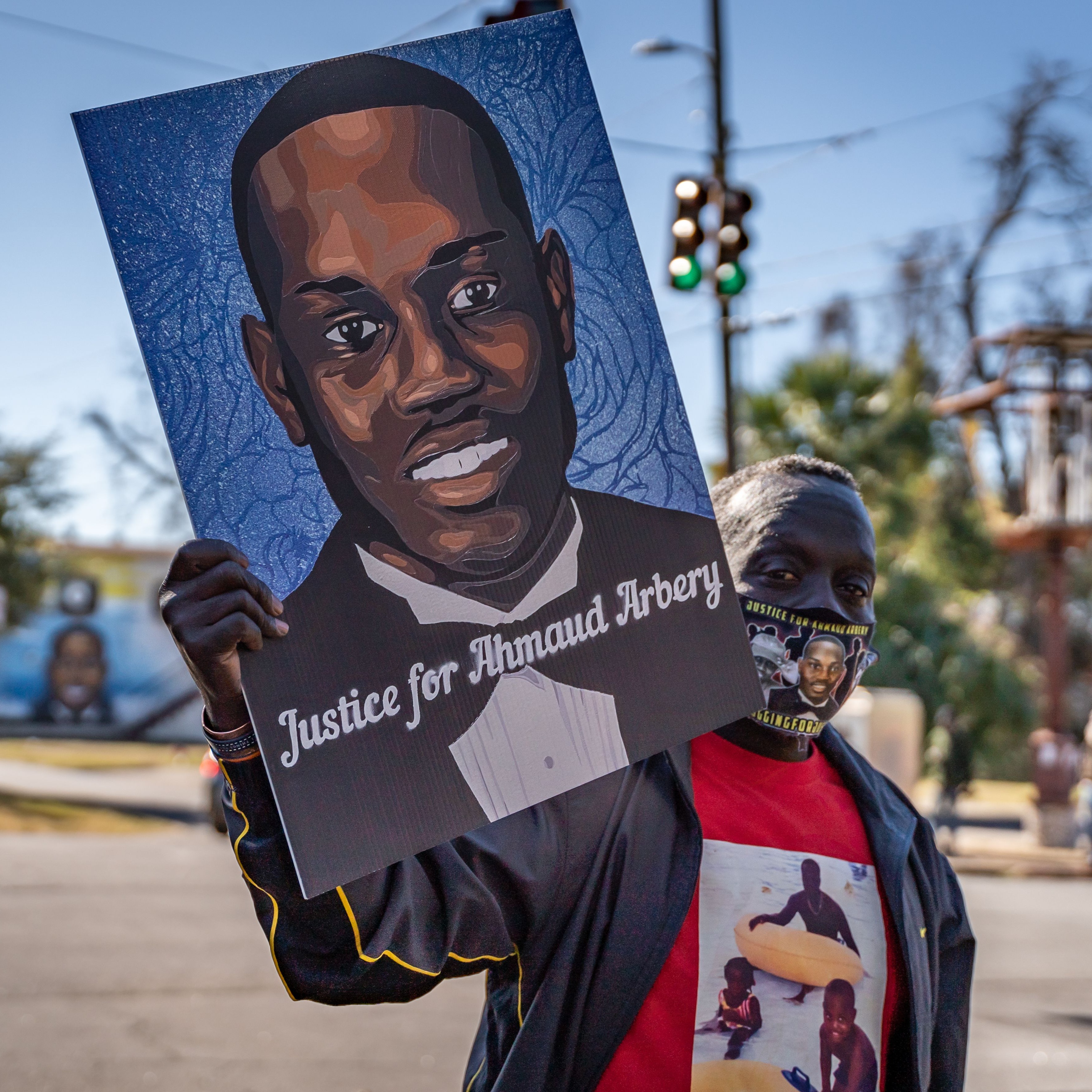
The viral video of Ahmaud Arbery’s fatal shooting in Satilla Shores, Georgia, captured the final moments of his life on February 23, 2020, revealing three white men pursuing an unarmed Black jogger in pickup trucks. The footage fundamentally transformed a local police inquiry into a national civil rights reckoning, providing the critical public evidence that bypassed initial prosecutorial inaction, catalyzed nationwide protests, and ultimately drove federal and state hate crime convictions.
The Context and Chronology of the Satilla Shores Shooting
To understand the weight of the video, it is necessary to examine the sequence of events that preceded its public release. Ahmaud Arbery, a 25-year-old Black man, was jogging through the Satilla Shores neighborhood just outside Brunswick, Georgia, on a Sunday afternoon in February 2020. Gregory McMichael, a 64-year-old retired investigator for the local district attorney's office, and his 34-year-old son, Travis McMichael, saw Arbery running. Believing Arbery matched the description of a suspect in a series of local property thefts, the McMichaels armed themselves—Travis with a 12-gauge shotgun and Gregory with a .357 Magnum revolver—and jumped into a pickup truck to give chase.
A neighbor, William "Roddie" Bryan, joined the pursuit in his own pickup truck and recorded the encounter on his cell phone. For several minutes, the men used their vehicles to box Arbery in, maneuver him off the road, and cut off his escape routes. The confrontation culminated when Travis McMichael intercepted Arbery running past the front of their truck. A physical struggle ensued over the shotgun, during which Travis McMichael fired three point-blank shots, killing Arbery in the street.
Local law enforcement arrived shortly after the shooting, but no arrests were made that day, nor in the ensuing weeks. The initial response by the Glynn County Police Department relied heavily on the narrative provided by Gregory McMichael, who claimed they were attempting to execute a citizen's arrest under Georgia’s antiquated citizen’s arrest statute. For more than two months, the case languished within the local judicial circuit, leading to profound frustration among Arbery’s family members and civil rights advocates who argued that racial bias was shielding the perpetrators from accountability.
Anatomy of the Footage: What the Viral Video Shows
The trajectory of the case shifted decisively on May 5, 2020, when the 36-second video filmed by William "Roddie" Bryan was leaked to local radio stations and quickly spread across social media platforms. The unedited footage offered an unvarnished look at the mechanics of the confrontation, stripping away the conflicting verbal claims offered by the shooters.
The video begins mid-pursuit, showing Travis McMichael’s white pickup truck stopped in the road ahead. Ahmaud Arbery is seen jogging at a moderate pace on the right side of the road, attempting to maneuver around the passenger side of the truck. Travis McMichael stands in the road beside the driver's door, holding a shotgun. As Arbery approaches and attempts to pass the vehicle to continue his run, he cuts to the passenger side and moves past the front of the truck.
The camera angle, captured from Bryan’s trailing vehicle, shows Arbery turning toward the front of Travis McMichael's truck. McMichael steps forward, closing the distance. As Arbery attempts to defend himself and deflect the barrel of the shotgun, the first shot is fired. A struggle for the weapon occurs out of the direct frame for a brief moment, followed by two more muffled shots. Arbery stumbles away, manages to take a few steps onto the grass, and collapses in the middle of the asphalt.
Crucially, the video disproved several central defenses put forward by the men. It showed that Arbery was merely trying to avoid armed strangers blocking his path rather than initiating an attack. It established that the McMichaels initiated the aggressive encounter, cornering an unarmed man who was attempting to flee. The transparency of the footage eliminated the ambiguity that local authorities had relied upon to delay arrests, exposing an event that the public could evaluate directly.
| Aspect of the Incident | Initial Local Narrative | What the Viral Video Showed |
|---|---|---|
| Participant Roles | Armed homeowners detaining a fleeing burglary suspect. | Armed individuals actively hunting and boxing in an unarmed jogger. |
| Encounter Dynamics | Violent attack initiated by the jogger against the truck occupants. | Jogger attempting to bypass stationary vehicles and defend against an armed threat. |
| Law Enforcement Response | Justifiable homicide under self-defense and citizen’s arrest laws. | Unprovoked lethal force, prompting immediate public outcry and state intervention. |
Legal Turning Points and the Power of Public Evidence
The immediate public dissemination of the video served as a legal catalyst. Within 48 hours of the video going viral, the Georgia Bureau of Investigation (GBI) stepped in to take over the case from local prosecutors who had recused themselves due to conflicts of interest. On May 7, 2020, Gregory and Travis McMichael were arrested and charged with felony murder and aggravated assault. William "Roddie" Bryan was arrested weeks later on May 21, facing charges of felony murder and criminal attempt to commit false imprisonment.
The video proved to be the centerpiece of the prosecution's strategy during the subsequent state and federal trials. In November 2021, a Georgia state jury found all three men guilty of felony murder, aggravated assault, false imprisonment, and criminal attempt to commit false imprisonment. Superior Court Judge Timothy Walmsley sentenced the McMichaels to life in prison without the possibility of parole, plus additional decades for the other counts, while sentencing Bryan to life with the possibility of parole.
Beyond state convictions, the case forced a broader reckoning with federal civil rights laws and antiquated state statutes. In early 2022, the defendants pleaded guilty to federal hate crime charges, admitting in plea agreements that they targeted Arbery because of his race. Furthermore, the public outrage generated by the video and the subsequent handling of the case pressured the Georgia General Assembly to overwhelmingly vote to repeal and drastically reform the state’s 150-year-old citizen's arrest law, which had historically permitted private citizens to detain others under loose and easily abused pretexts.
Why the Video Matters in the Broader Cultural and Digital Landscape
The Ahmaud Arbery video occupies a specific place in the modern history of civil rights documentation, demonstrating the profound impact of citizen-recorded digital media in countering institutional inertia. For generations, cases involving the deaths of Black individuals during encounters with private citizens or law enforcement relied heavily on the word of the surviving parties. Official police reports often accepted these accounts at face value, leaving victims without recourse and families without justice.
The proliferation of smartphones and secure cloud-sharing networks has decentralized evidence gathering. In Arbery's case, the video acted as an unvarnished witness that bypassed the filtering mechanisms of local investigative bias. It illustrated how digital media can democratize accountability, transforming invisible tragedies into undeniable public records. However, media experts and legal scholars have also noted the psychological toll of such footage, highlighting the ethical dilemmas surrounding the widespread circulation of graphic violence against Black bodies on social media feeds.
Moreover, the video matters because it permanently reframed the conversation surrounding routine activities like jogging, walking, or driving while Black. The footage demonstrated that ordinary, peaceful actions could be weaponized by armed individuals operating under racial assumptions. By capturing the stark contrast between Arbery’s harmless intent and the lethal escalation of his pursuers, the video stripped away abstract debates about systemic racism, presenting an indisputable micro-level instance of injustice that demanded systemic macro-level reform.
Practical Steps for Understanding and Monitoring Civil Rights Accountability
- Examine Primary Court Records: Review official indictments, trial transcripts, and sentencing memoranda provided by the state courts and the U.S. Department of Justice to separate verified legal facts from media commentary.
- Track Legislative Reforms: Monitor updates from state legislatures regarding the repeal or modification of citizen's arrest laws, self-defense statutes, and hate crime penalty enhancements across various jurisdictions.
- Analyze Legal Precedents: Study how federal hate crime statutes apply when civil rights are violated based on race, religion, or national origin, particularly in cases involving private citizens rather than sworn law enforcement officers.
- Consult Independent Legal Journalism: Rely on reporting from established legal affairs journalists and civil rights organizations that provide continuous, verified tracking of appeals and civil litigation stemming from high-profile trials.
Frequently Asked Questions
Who recorded the viral video of Ahmaud Arbery's shooting?
The video was recorded by William "Roddie" Bryan, a neighbor who joined the pursuit of Ahmaud Arbery in his own pickup truck behind Gregory and Travis McMichael. Bryan originally captured the footage on his cell phone and later turned it over to investigators, unaware that its eventual release would incriminate himself and the McMichaels.
Why were the arrests delayed for over two months after the shooting?
Local law enforcement initially accepted the narrative provided by Gregory McMichael, a former investigator for the local district attorney, that the shooting was a justifiable act of self-defense during a citizen's arrest. Two local prosecutors recused themselves due to professional ties to Gregory McMichael, causing administrative delays until the Georgia Bureau of Investigation took over the case after the video went public.
What were the final legal verdicts for the defendants?
In the state trial, a Georgia jury convicted Gregory McMichael, Travis McMichael, and William "Roddie" Bryan of felony murder and multiple other charges. The McMichaels received life sentences without parole, while Bryan received life with parole eligibility. Additionally, all three men pleaded guilty to federal hate crime charges and received separate federal prison sentences.
How did the Ahmaud Arbery case change Georgia state law?
The widespread public outcry and legal scrutiny surrounding the use of the citizen's arrest defense prompted the Georgia General Assembly to repeal the state's 1863 citizen's arrest statute. The updated legislation restricts citizen detentions strictly to law enforcement officers, licensed security guards, and merchants detaining suspected shoplifters, eliminating the loopholes used by the McMichaels.
What federal charges were brought against the men?
Federal prosecutors indicted the three men on hate crime charges and attempted kidnapping. The indictment alleged that the defendants used force and threats of force to intimidate and interfere with Arbery’s right to use a public street because of his race, leading to formal guilty pleas in federal court.