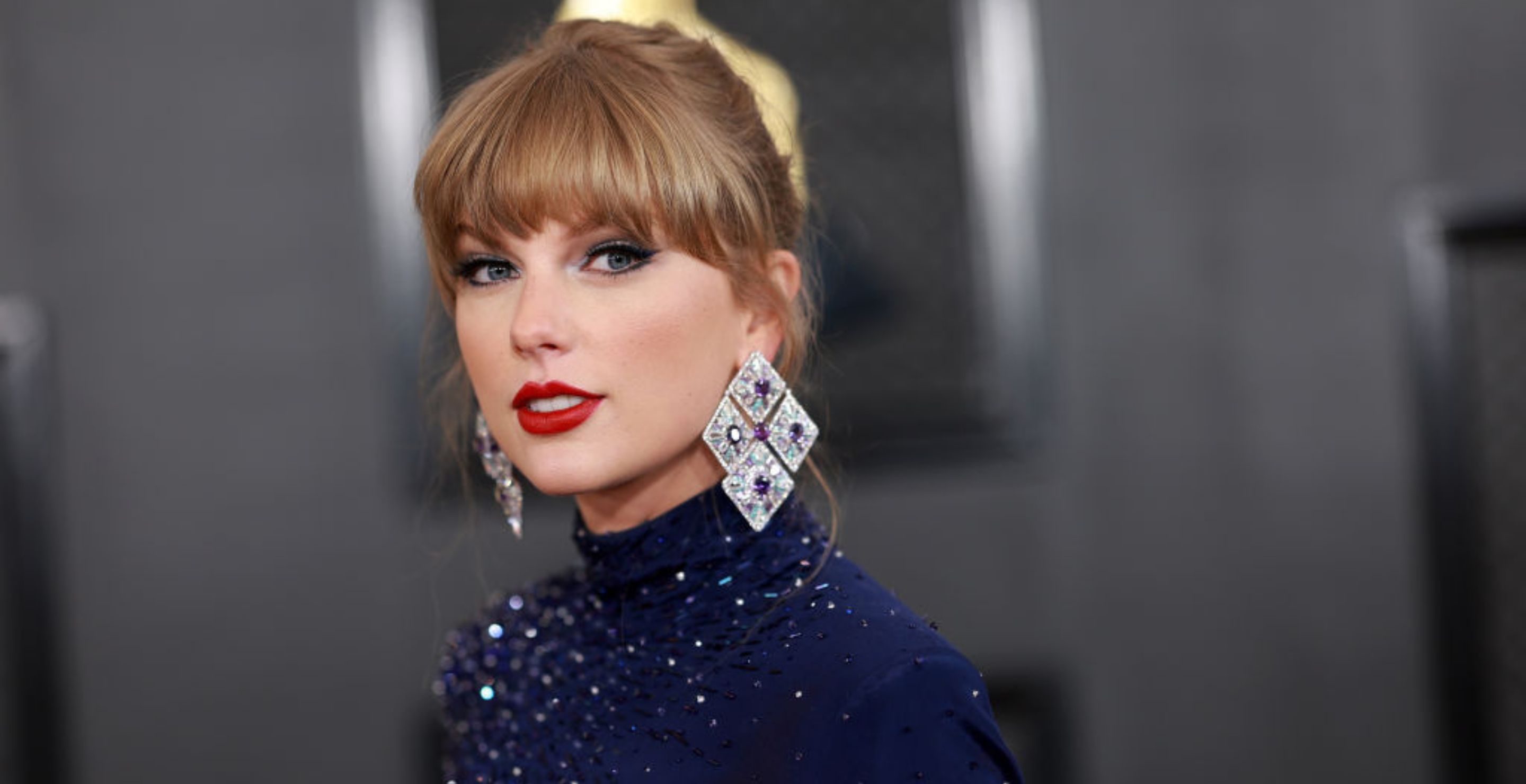
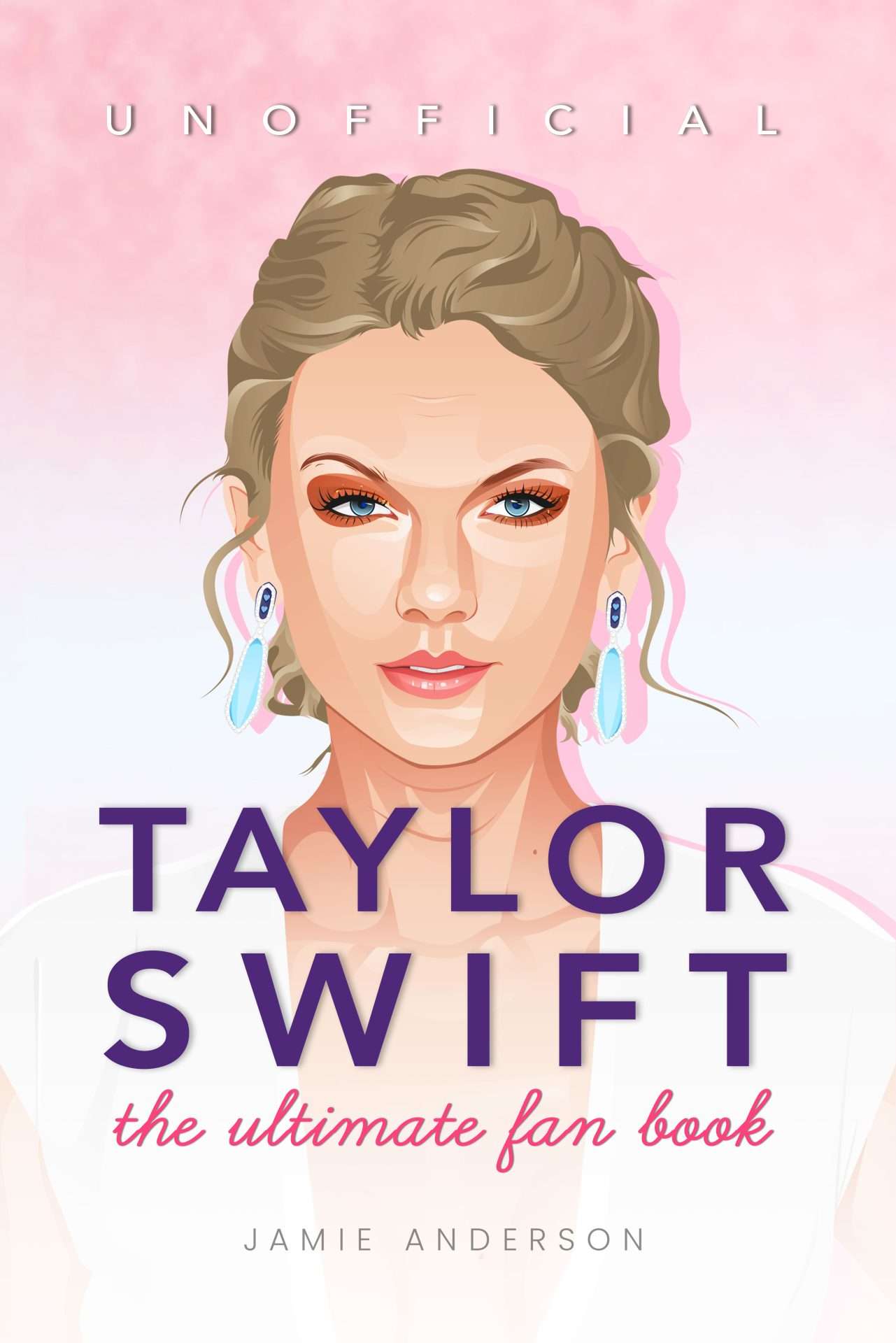
"Ah-Matized" (or animated and AI-dramatized) Taylor Swift content refers to fan-created, high-definition digital animations, 3D concert simulations, and hyper-stylized multimedia edits. These projects transform Taylor Swift's music, lyrics, and concert aesthetics into immersive virtual experiences, allowing fans to explore custom setlists, virtual stages, and cinematic visual stories.
Defining "Ah-Matized" Taylor Swift Creations in Modern Fan Culture
In contemporary digital fan communities, the phrase "ah-matized"—often used as a colloquial blend of "animated," "dramatized," and high-concept digital styling—describes a growing movement of advanced fan-made media. Rather than relying solely on traditional concert clips or simple lyric videos, creators use cutting-edge 3D rendering engines, digital illustration software, and artificial intelligence tools to build entirely new visual worlds around Taylor Swift’s discography.
This creative wave emerged as a response to the unprecedented global demand during The Eras Tour. With stadium tickets selling out worldwide and many fans unable to attend live shows in person, digital creators stepped in to bridge the gap. By rendering virtual concert stages, modeling digital avatars, and constructing frame-by-frame animated music videos for non-single album tracks, these artists transformed static audio into dynamic, interactive spectacles.
For the dedicated Swiftie, "ah-matized" content represents an evolution in how music is consumed and celebrated. It moves beyond passive listening into an immersive fandom ecosystem where visual art, technical engineering, and narrative analysis intersect. Fans can now experience unreleased "From the Vault" tracks set against rich visual backdrops, or watch simulated concert performances featuring custom outfit designs and stage choreography that never existed in the physical world.
Key Features That Make Digital Swift Animations "The Ultimate Fan's Dream"
The popularity of animated and stylized Taylor Swift media stems from its ability to fulfill specific fan desires that live-action recordings cannot always satisfy. By taking full control of the virtual environment, creators can deliver experiences tailored directly to community lore and album storytelling.
1. Visualization of Deep Cuts and "Vault" Tracks
While official music videos are typically reserved for lead radio singles, fans often form deep emotional connections to deep cuts, extended editions, and bonus tracks. Animated projects allow creators to build full narrative short films for beloved tracks such as "Right Where You Left Me," "Getaway Car," or "All Too Well (10 Minute Version)." These visual treatments bring metaphorical lyrics to life through fantasy environments, historical settings, or surrealist landscapes.
2. Interactive 3D Concert Recreations
Using software like Unreal Engine 5 and Blender, digital artists construct scale models of stadium stages, complete with realistic lighting rigs, LED screen graphics, pyrotechnics, and crowd physics. Viewers can watch simulated concerts from camera angles impossible to achieve in real life—such as flying directly over the stage, standing next to the digital performer, or viewing the show from a perfect center-front perspective.
3. Custom Era Crossovers and Alternate Outfits
One of the most appealing aspects of animated media is the freedom from physical constraints. Creators frequently design "era mashups," placing the aesthetic of reputation into the dreamy, pastel world of Lover, or re-imagining 1989 (Taylor's Version) with Victorian-era gothic architecture. Furthermore, digital fashion designers create custom costumes for the virtual avatar, allowing fans to vote on setlists and wardrobing before a digital premiere.
4. Enhanced and Spatial Audio Integration
High-end fan animations rarely use basic audio rips. Creators utilize digital audio workstations (DAWs) to isolate vocal stems, rebalance instrumentals, and apply spatial audio processing (such as Dolby Atmos simulations). When paired with 3D animation, the audio shifts realistically depending on the virtual camera's position relative to the stage, heightening the sensation of being inside a live arena.
Technical Tools and Creative Workflows Behind Animated Fan Projects
Building a full-scale animated Taylor Swift production requires a blend of technical expertise, visual artistry, and digital audio engineering. Creators typically move through several detailed stages to produce high-quality media.
[Audio Extraction & Stem Isolation] ➔ [3D Modeling & Stage Rigging] ➔ [Animation & Motion Capture] ➔ [Lighting & Particle FX] ➔ [Final Render & Spatial Audio Sync]
3D Modeling and Environment Design
The foundation of any "ah-matized" project is the 3D asset creation. Artists use Blender, Autodesk Maya, or Cinema 4D to build stage geometries, instruments, and architectural environments. For concert recreations, lighting engineers within software like Unreal Engine replicate real-world DMX lighting controllers, programming thousands of virtual moving heads, lasers, and spotlight cues to sync frame-by-frame with the track's tempo.
Character Animation and Avatar Rigging
Creating a believable digital representation of an artist requires detailed character rigging. Stylized character designs often lean into digital illustration or anime-inspired aesthetics to avoid the "uncanny valley" effect. Facial expressions and body movements are keyed manually by animators or captured using motion-capture suits and facial tracking applications, giving the virtual performer fluid, natural movements during energetic dance routines.
Audio Remastering and Stem Separation
To ensure crystal-clear audio that aligns with custom visual cues, animators process tracks using stem separation tools such as iZotope RX or Spleeter. By separating vocals, drums, bass, and synth channels, creators can lower instrumental tracks during spoken monologue moments or amplify specific drum fills to match virtual pyrotechnic explosions on screen.
Comparing Fan-Made Animated Content Types
The landscape of animated Swiftie media varies widely in scope, technical complexity, and viewer experience. The table below outlines the primary formats found across video platforms and social channels.
| Format Type | Primary Software & Tools | Narrative Focus | Target Viewer Experience | Production Complexity |
|---|---|---|---|---|
| 3D Concert Recreations | Unreal Engine 5, Blender, DMX Plugins | Live performance accuracy & scale | Virtual attendance simulation | Very High |
| Narrative Storyboard Animations | Procreate, Adobe After Effects, Clip Studio Paint | Story-driven plot based on song lyrics | Cinematic short film | High |
| AI-Stylized Video Edits | Midjourney, Runaway Gen-2, Stable Diffusion | Aesthetic transformations & visual loops | Short-form social media (Reels/TikTok) | Moderate |
| Spatial Audio VR Experiences | Unity, Blender, WebXR Frameworks | First-person concert immersion | Headset-based interactive environment | Extreme |
| Interactive Lyric Storybooks | HTML5/JS, Canvas, Adobe Illustrator | Word-by-word graphic design animations | Educational & lyric breakdown | Moderate |
Navigating Copyright, Ethics, and Platform Guidelines
While "ah-matized" and animated Taylor Swift projects represent passionate fan expression, creators must navigate strict intellectual property (IP) framework requirements and ethical considerations.
- Music Licensing and Fair Use: Original audio recordings belong to rights holders (record labels and publishers). Most fan animation uploaded to platforms like YouTube or TikTok is subject to automated content identification (Content ID). Creators generally cannot monetize these videos directly, and ad revenue is redirected to the copyright holders.
- AI Likeness and Ethics: When fan projects utilize generative AI models to depict an artist's face or voice, ethical concerns arise. Reputable creators adhere to strict boundaries: they avoid creating misleading "deepfakes," never simulate non-consensual scenarios, and prominently label AI-assisted artwork to maintain transparency.
- Non-Commercial Distribution: The gold standard for safe community sharing is non-commercial distribution. Creators offer their animations for free viewing, avoiding paywalls or direct sales of copyrighted branding, which protects the project from trademark infringement actions.
Frequently Asked Questions
What does "ah-matized" mean in the context of Taylor Swift fan edits?
"Ah-matized" is a community term used to describe fan-created media that has been heavily transformed through 3D animation, dramatic visual effects, stylized rendering, or AI enhancement, turning standard audio or concert footage into a high-concept digital experience.
Are fan-made animated Taylor Swift concert videos legal to watch and share?
Yes, watching and sharing fan animations on public video platforms is fully legal for viewers. Platforms manage copyright automatically through licensing agreements with record labels, allowing fans to enjoy creative content while sound rights holders receive appropriate attribution.
How can fans start creating their own 3D or animated Swiftie projects?
Beginners can start by learning free, open-source software such as Blender for 3D modeling or Procreate/After Effects for 2D storyboard animation. Numerous free online tutorials cover basic character rigging, stage lighting design, and audio-reactive visualizers.
Can virtual reality (VR) headsets be used to view these animations?
Yes, many 3D concert recreations uploaded to YouTube support 360-degree viewing and VR mode. When viewed through VR headsets like the Meta Quest or Apple Vision Pro, users can look around the virtual stage environment in real-time space.
What is the primary difference between AI-generated edits and hand-animated projects?
AI-generated edits rely on machine-learning prompts to render visual styles over existing footage or images, producing fast visual iterations. Hand-animated and 3D-modeled projects are built manually asset-by-asset in digital software, offering precise control over camera movement, lighting design, and story beats.
Best Practices for Discovering and Supporting Digital Fan Artists
To get the most out of animated Taylor Swift media while supporting the creative community, fans and aspiring creators should follow practical digital engagement steps:
- Subscribe to Original Creator Channels: Support animators directly on platforms like YouTube, Vimeo, and ArtStation rather than watching re-uploaded content on aggregator accounts. Original uploads offer higher resolution and spatial audio settings.
- Check Video Descriptions for Tech Stacks: If you are an aspiring animator, study the video descriptions of major fan productions. High-caliber creators frequently list their software, render engines, frame rates, and sound plugins, providing a roadmap for your own learning.
- Engage Safely with Downloads: Avoid downloading executable files (.exe) or unverified software mods claiming to offer "exclusive VR concert games." Always stream video content through verified streaming platforms to protect your devices from malware.
- Respect Intellectual Property: If you share animated clips on social media, tag the visual artist prominently alongside the song credit to ensure digital illustrators receive recognition for their technical labor.