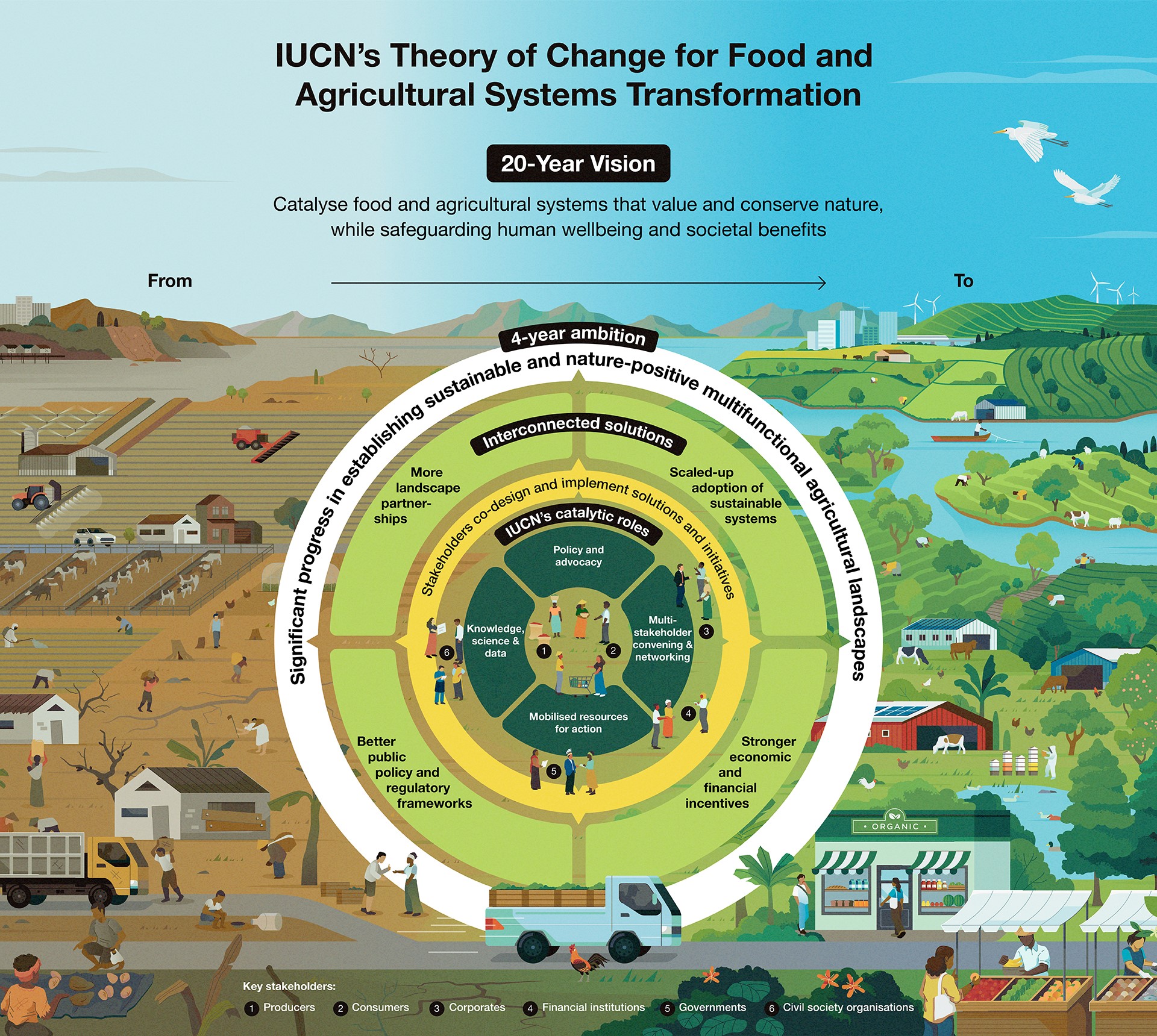
Agriculture and food systems form an integrated global framework encompassing the cultivation, processing, distribution, and consumption of nutritional resources. Success in this sector requires balancing primary production efficiency—achieving high yields and resource optimization—with the complex logistical, safety, and regulatory requirements that govern how raw commodities are transformed into safe, accessible food products for the global population.
The Pillars of Agricultural Productivity
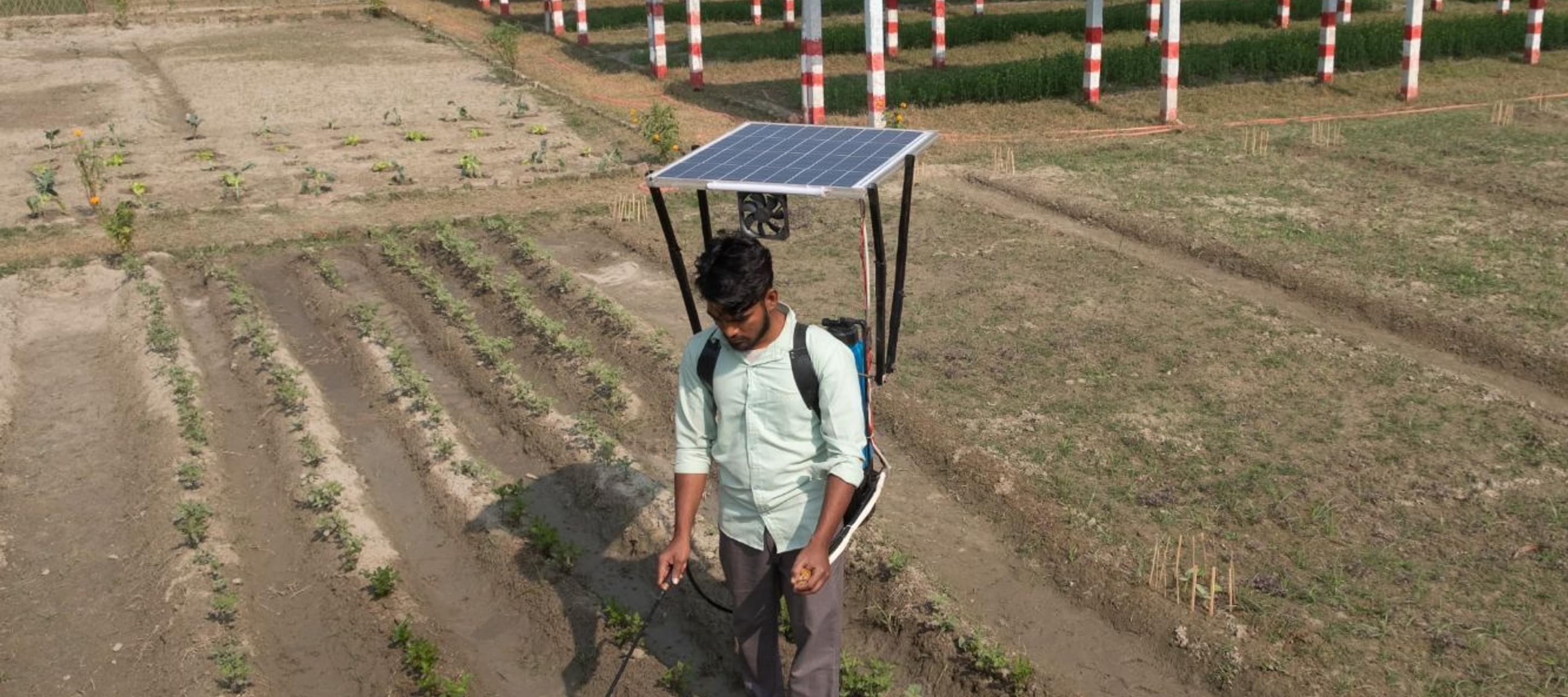
Agricultural productivity is the foundational layer of the global food system. It relies on the efficient application of biological, chemical, and mechanical inputs to maximize output per hectare while maintaining soil and water health. As of 2026, the primary focus in agricultural operations has shifted toward precision resource management. This includes the use of satellite imagery, sensor-based soil monitoring, and automated irrigation systems that ensure water and nutrient delivery only when and where required.
Soil health management remains a critical prerequisite for long-term viability. Producers are increasingly adopting regenerative practices, such as minimal tillage and the integration of cover crops, to enhance carbon sequestration and water retention. These methods are not merely environmental initiatives; they are economic imperatives that reduce dependence on synthetic fertilizers and improve resilience against extreme weather events. The goal is to establish a stable, predictable supply of raw commodities, which serves as the essential input for all downstream food manufacturing processes.
Regulatory Frameworks and Food Safety
Food safety is the bridge between the farm and the consumer. Regardless of whether a business is involved in primary production or secondary processing, adherence to rigorous safety standards is non-negotiable. Governments worldwide enforce strict regulations to prevent foodborne illnesses and ensure transparency in labeling. These standards usually mandate hazard analysis and critical control points (HACCP) programs, which require organizations to document every stage of the production process—from raw material receipt to final packaging.
Traceability is the mechanism by which these safety standards are verified. In the modern market, consumers and retailers demand full visibility into the supply chain. This requires robust digital documentation systems that allow companies to trace a specific batch of food back to the exact field, date of harvest, and processing facility. Compliance failures, whether due to cross-contamination or improper temperature controls during shipping, represent the most significant risk to business continuity and brand reputation in the food industry.
Supply Chain Logistics and Distribution
The physical movement of food from rural production areas to urban demand centers is an exercise in complex logistics. The perishability of agricultural products dictates the design of the supply chain. Unlike non-food commodities, many agricultural products are time-sensitive, requiring cold-chain infrastructure to maintain quality and safety throughout the journey.
Distribution networks must be agile to mitigate the risks of spoilage and waste. In 2026, many distributors are utilizing decentralized warehousing models to shorten the distance between distribution hubs and retail endpoints. This shift reduces transit times and minimizes the carbon footprint associated with long-haul transportation. Furthermore, the integration of predictive analytics allows logistics managers to forecast demand with higher accuracy, preventing the overstocking of perishables that leads to significant economic loss and waste.
Comparative Overview: Operational Focus Areas
| Segment | Primary Objective | Key Challenge | Regulatory Priority |
|---|---|---|---|
| Primary Agriculture | Yield optimization | Climate volatility | Environmental compliance |
| Food Processing | Product safety/Stability | Scaling production | Labeling and sanitation |
| Distribution | Speed and cold-chain integrity | Energy cost management | Storage temperature logs |
| Retail/Consumer | Availability and quality | Demand forecasting | Consumer health standards |
Economic Considerations and Market Stability
The economics of agriculture and food are characterized by thin margins and high exposure to global commodity market fluctuations. Farmers and food manufacturers often rely on hedging strategies and forward contracts to manage the price volatility of core ingredients like grains, oils, and proteins. Inflationary pressures in energy and logistics directly impact the final cost of food, creating a delicate balance between maintaining accessible pricing for consumers and ensuring profitability for producers.
Investment in food technology is currently directed toward increasing the "value-add" of agricultural products. By processing raw goods into semi-finished or ready-to-eat products, producers capture a higher share of the retail value. However, this shift requires significant capital expenditure in processing technology, automated sorting equipment, and specialized packaging that extends shelf life without compromising product integrity. Businesses must conduct thorough cost-benefit analyses to determine whether deep-processing capabilities provide enough return to justify the necessary investment.
Common Challenges in the Food Value Chain
One of the most persistent issues in agriculture and food systems is the reduction of post-harvest loss. While significant attention is paid to on-farm yields, a substantial percentage of total production is lost due to inadequate storage, poor handling, or infrastructure gaps in the middle of the supply chain. Solving this requires collaboration between public infrastructure providers and private industry participants to upgrade silos, refrigerated transport, and processing facilities.
Another challenge is the increasing regulatory complexity regarding sustainability reporting. Many jurisdictions now require food and agriculture companies to report on their environmental impact, including water usage and waste reduction statistics. Managing this reporting burden requires standardized internal data collection protocols. Organizations that proactively adopt these reporting frameworks often find themselves in a better position to secure financing and maintain favor with risk-conscious retail partners.
Frequently Asked Questions
What are the most effective ways to reduce waste in the food supply chain?
Reducing food waste requires a combination of improved logistics and demand-driven production. By implementing cold-chain monitoring technologies, businesses can ensure that perishables are stored at optimal temperatures, preventing spoilage. Furthermore, using real-time inventory management software helps align harvest and processing schedules with actual market demand, rather than historical estimates.
How does international trade regulation affect local food production?
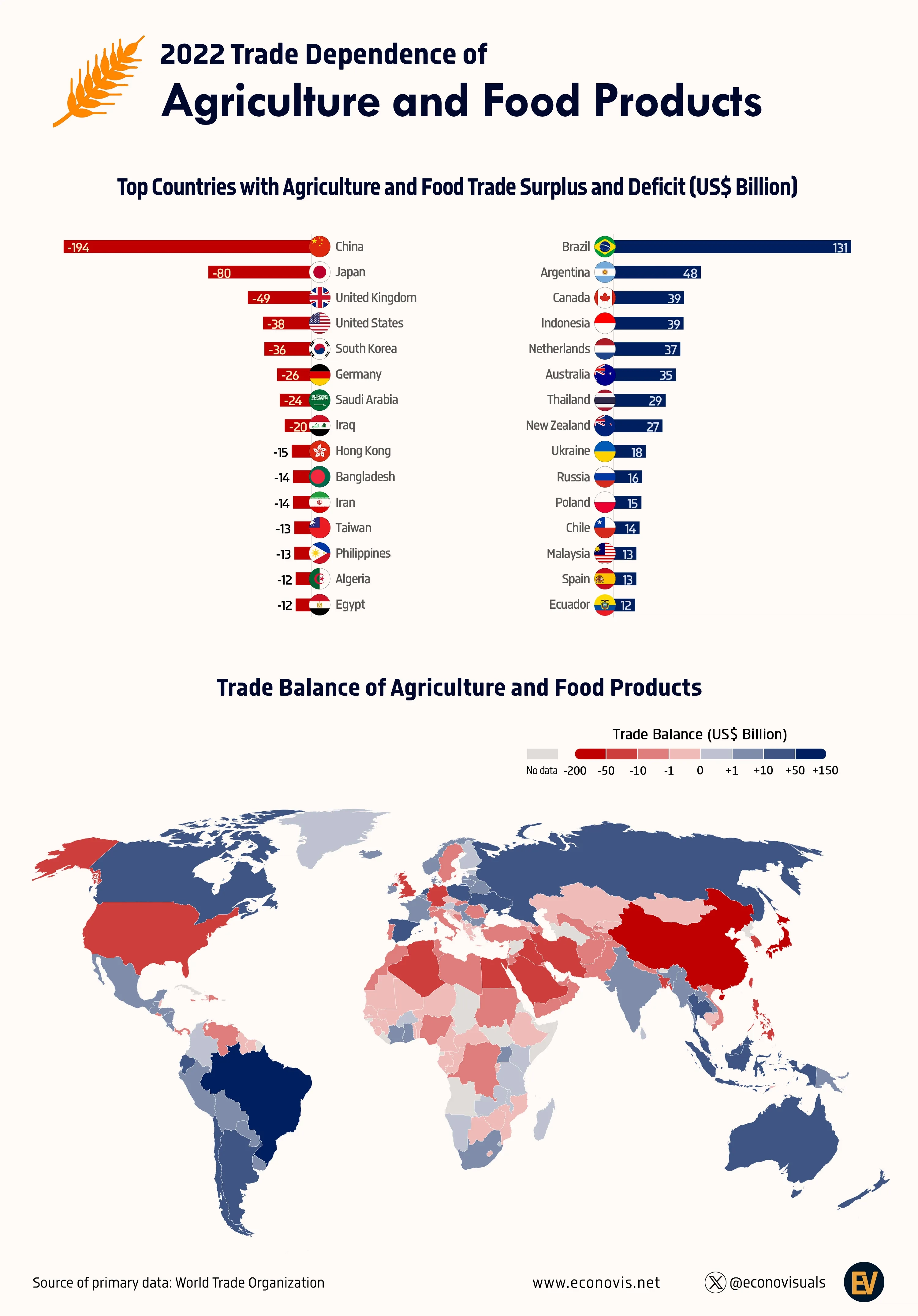
International trade agreements dictate tariffs, safety standards, and quotas that influence the competitiveness of local goods versus imports. Producers must remain aware of specific import requirements in target markets, such as maximum residue limits for pesticides, as these vary by country. Adhering to international standards, such as those set by the Codex Alimentarius, is essential for businesses seeking to participate in global trade.
Why is traceability becoming mandatory in the food industry?
Traceability is essential for public health and legal accountability. In the event of a contamination outbreak, companies must be able to identify the source of the affected product immediately to execute a targeted recall. This protects consumers, minimizes waste by preventing the destruction of non-affected stock, and provides the documentation needed to satisfy government auditors.
What is the primary role of technology in modern agriculture?
Technology acts as an efficiency multiplier. Precision agriculture tools, such as GPS-guided tractors and moisture sensors, allow farmers to reduce input costs like fuel and fertilizer while simultaneously increasing yields. In the food sector, automation in manufacturing minimizes human error, improves sanitation consistency, and speeds up the production timeline.
How do commodity market fluctuations impact food prices?
Commodity markets determine the base cost of essential inputs like corn, wheat, and soybeans. When these raw material prices rise due to weather-related supply issues or geopolitical tensions, food processors experience increased input costs. These costs are eventually reflected in the retail price of consumer goods, though the lag time depends on existing supply contracts and market competition.
Next Steps for Stakeholders
For those looking to improve operations within the agriculture and food sector, the immediate next action is an audit of your current data collection and traceability practices. Identify gaps where manual processes exist in your supply chain and determine if automation could replace these with real-time, digital alternatives. If you are operating at the production level, review your current input usage efficiency metrics against regional benchmarks to identify opportunities for reducing waste and lowering operating costs. For food processors, prioritize investments in cold-chain logistics and energy-efficient manufacturing equipment to protect both your inventory and your margins against the volatility expected in the coming fiscal periods.