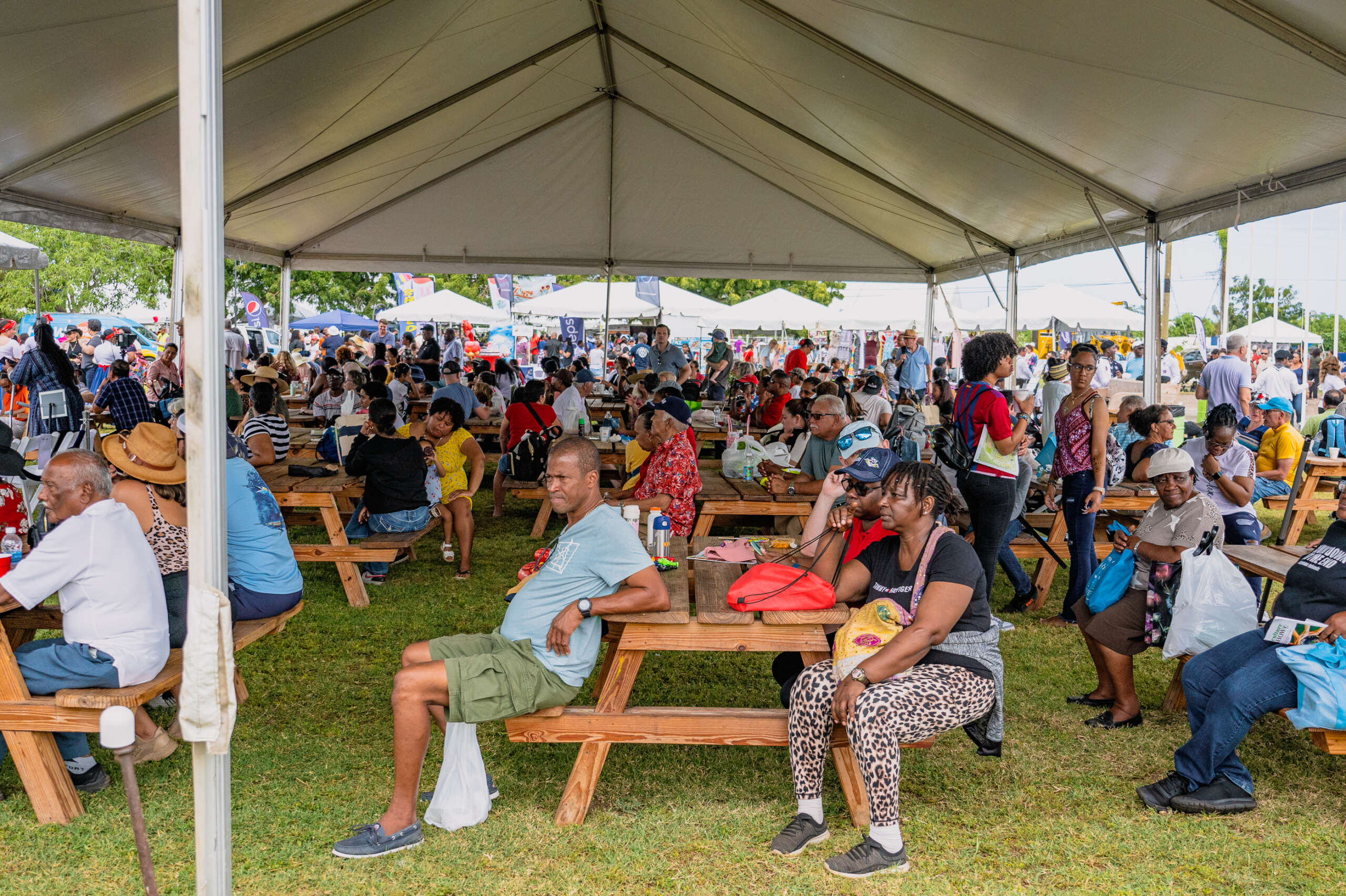
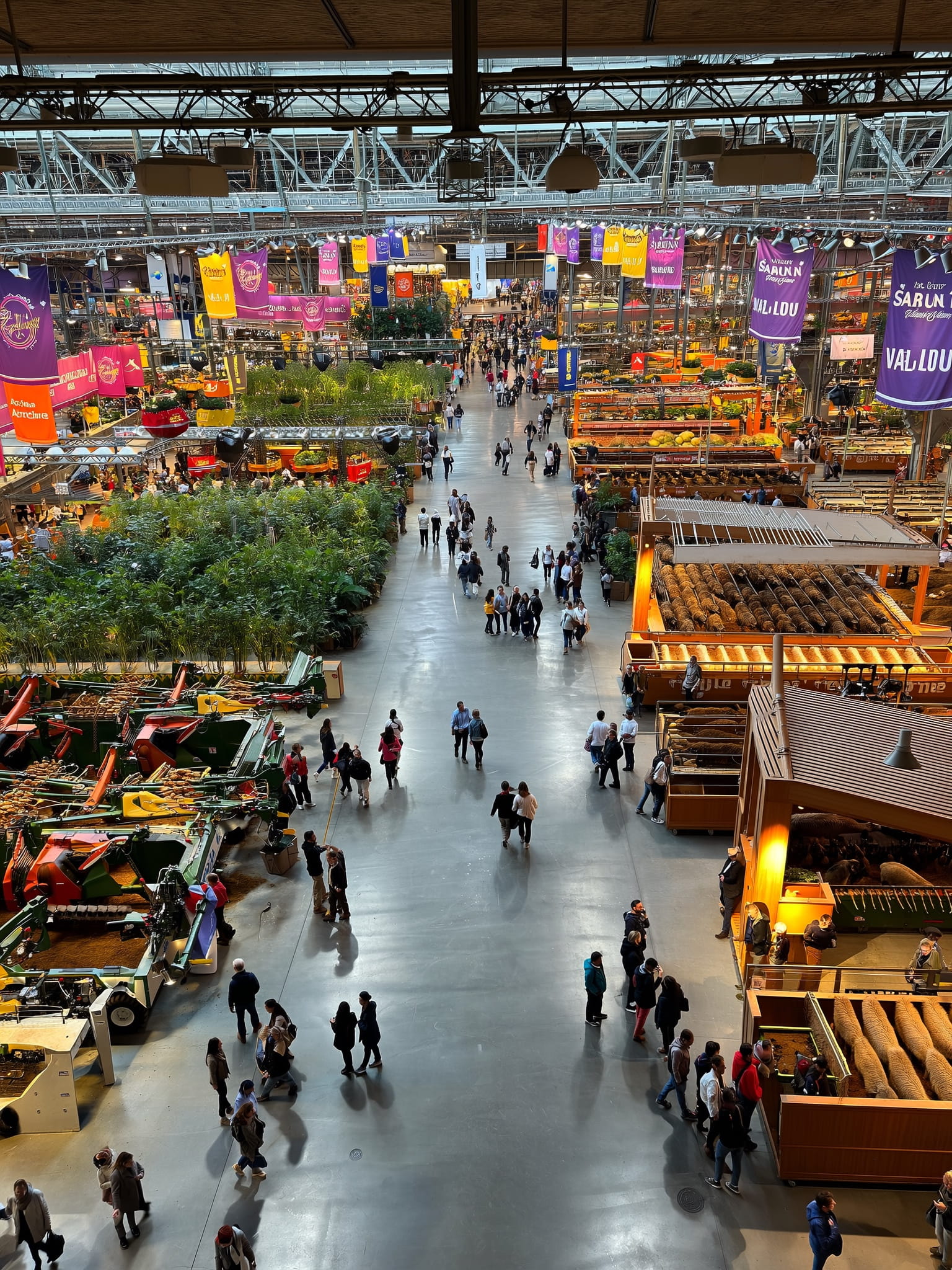
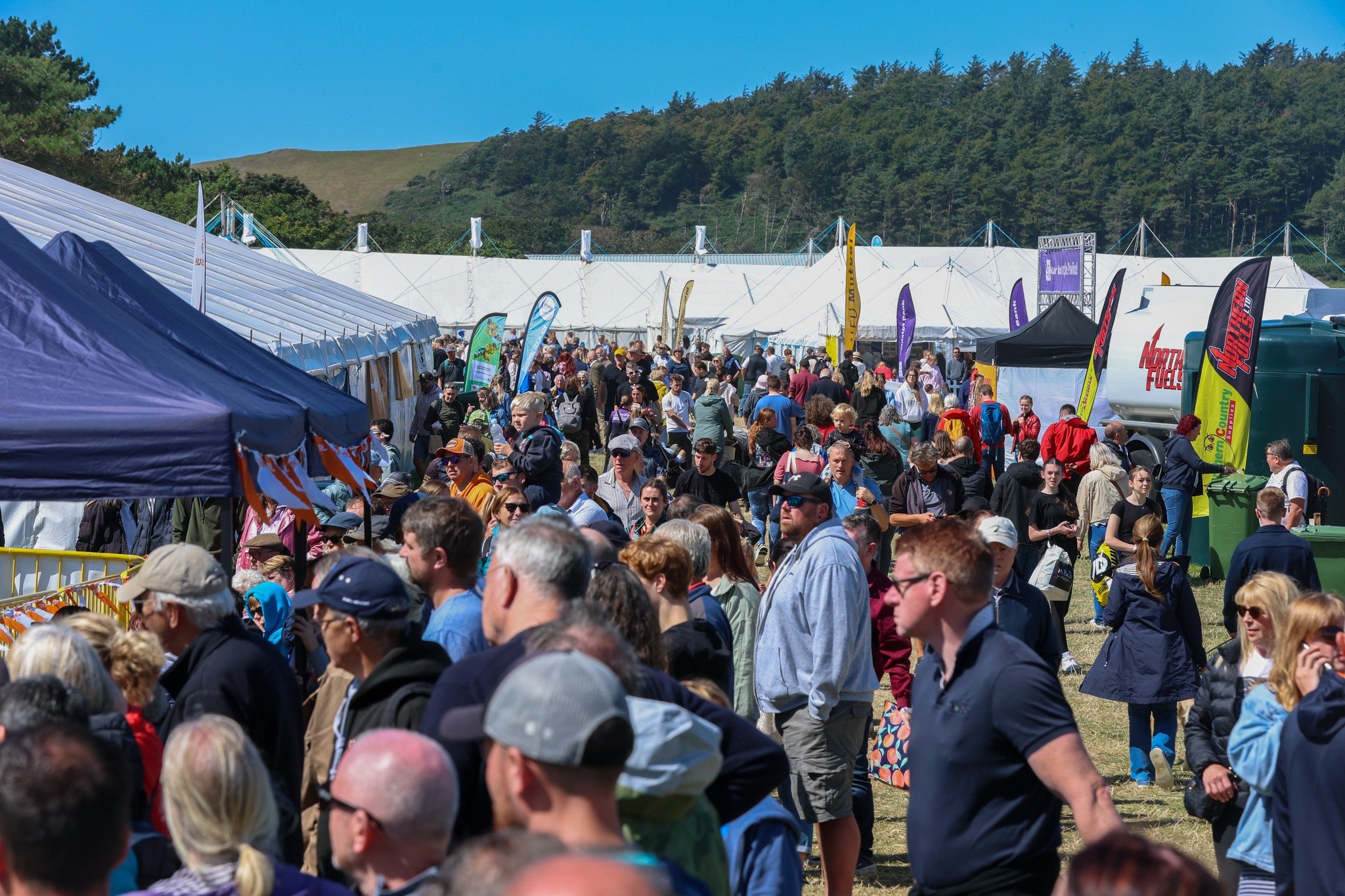
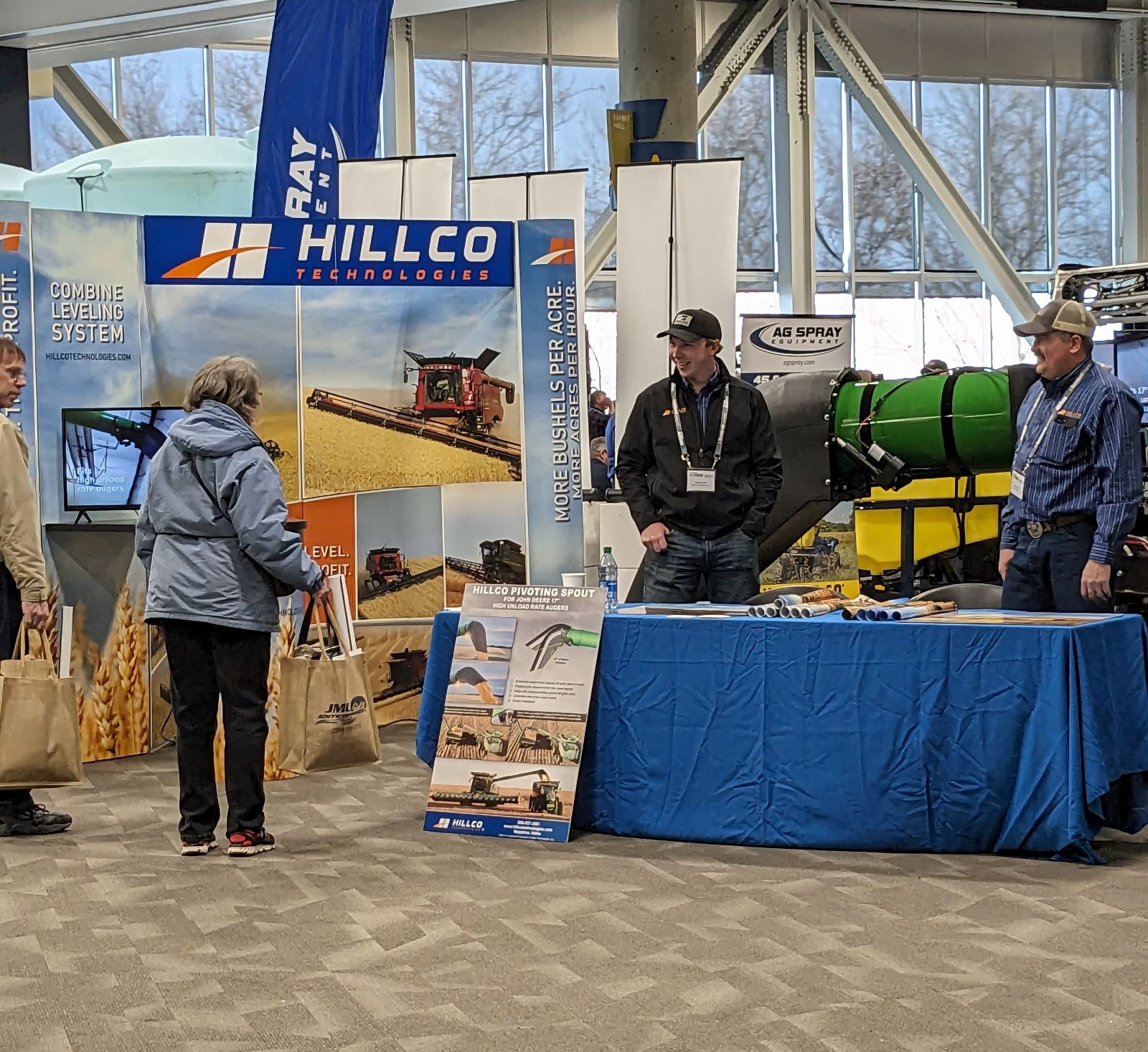
An agricultural show is a community or industry-focused event dedicated to the exhibition of livestock, produce, farm machinery, and rural skills. Serving as a bridge between urban consumers and rural producers, these events provide a platform for livestock judging, agricultural technology demonstrations, and the promotion of food security standards, often acting as a vital economic engine for regional districts.
The Scope and Significance of Agricultural Shows
Agricultural shows, often referred to as county fairs or state shows depending on the jurisdiction, function as historical hubs for rural development. While the aesthetic of these events often centers on traditional livestock parades and domestic craft competitions, the modern agricultural show serves a critical technical purpose. It acts as a primary venue for agricultural extension, where farmers, agronomists, and machinery manufacturers converge to share data on soil health, genetics, and mechanical efficiency.
For the attendee, the show is a window into the supply chain of their food. For the exhibitor, it is an audit of their year’s work—whether that involves pedigree cattle breeding or the deployment of precision farming equipment. As these events are typically held on a recurring annual basis, they serve as a longitudinal record of regional agricultural progress and a venue for establishing benchmarks in animal welfare and sustainable land management.
Essential Prerequisites for Exhibitors
Entering an agricultural show as an exhibitor requires rigorous preparation, primarily focused on compliance with biosecurity protocols and regulatory standards. Before registering, participants must verify that their assets—be it livestock or technical displays—meet the specific entry requirements dictated by the organizing committee.
For livestock exhibitors, the most critical prerequisite is the documentation of animal health. This typically involves, but is not limited to:
- National Identification Systems: Verifying that all animals are registered with the appropriate national livestock tracking authority.
- Veterinary Health Certificates: Providing proof of mandatory vaccinations and freedom from communicable diseases as defined by the regional Department of Agriculture.
- Biosecurity Management Plans: Adhering to site-specific cleaning, disinfection, and movement protocols to prevent cross-contamination between different herds or flocks.
For machinery and service providers, prerequisites often involve rigorous site safety inspections. Exhibitors must provide proof of public liability insurance and ensure that any stationary or moving machinery on display complies with current workplace health and safety (WHS) standards. This includes the installation of appropriate guarding for moving parts and electrical certification for any equipment connected to the show’s power grid.
Managing Logistics and Operational Costs
The operational cost of attending an agricultural show can vary significantly based on the exhibitor’s status and the scale of the event. Financial planning should account for both entry-level fees and indirect costs associated with attendance.
| Cost Category | Typical Considerations | Impact on Budget |
|---|---|---|
| Registration Fee | Per head for livestock or per square meter for trade space. | Primary fixed cost |
| Transport | Logistical hire for heavy machinery or animal transport vehicles. | High variability |
| Insurance | Liability coverage specifically for off-site public events. | Essential risk mitigation |
| Compliance/Admin | Veterinary inspections, entry permits, and mandatory safety signs. | Incremental fixed costs |
| Labor | Personnel for staffing booths or handling livestock on-site. | Variable daily expense |
Exhibitors should conduct a cost-benefit analysis before committing to long-term trade space. While agricultural shows offer high-density networking opportunities, the return on investment (ROI) for equipment manufacturers is often measured through lead generation rather than immediate point-of-sale transactions. Therefore, tracking engagement metrics during the event is essential for future planning.
Standards in Livestock Judging and Evaluation
Livestock judging is the cornerstone of the traditional agricultural show, relying on standardized scorecards that evaluate animals against the ideal conformation for their breed. Judges, who are typically accredited experts, evaluate candidates based on functional characteristics—such as structural soundness, reproductive capacity, and, in the case of dairy or meat breeds, specific production traits.
To prepare, handlers must understand that judging is not merely an aesthetic exercise; it is an evaluation of an animal’s genetic merit. Handling techniques must demonstrate the animal’s temperament, which is a significant factor in safety and evaluation. Exhibitors are expected to groom and condition their animals according to the specific "Code of Conduct" provided by the show’s governing body. Failure to adhere to grooming standards, or the use of prohibited substances to enhance performance or appearance, can lead to immediate disqualification and potential legal repercussions under state or federal animal welfare statutes.
Navigating Regulatory Compliance and Risk
Liability is a significant factor at any agricultural show. Given the presence of heavy machinery, high-voltage equipment, and large animals in a public space, the potential for accidents is non-trivial. Both organizers and exhibitors are subject to strict legal frameworks governing the safety of the general public.
Risk management should be proactive:
- Site Inspection: Conduct a thorough walkthrough of the designated area to identify trip hazards, electrical load issues, or proximity to high-traffic pedestrian paths.
- Emergency Protocols: Familiarize your team with the event’s specific evacuation routes, on-site medical station locations, and the protocols for managing an escaped or distressed animal.
- Documentation: Keep a physical or digital file on-site containing all relevant permits, insurance certificates, and veterinary records, as these may be requested by event marshals or government inspectors at any time.
Legal compliance also extends to the intellectual property displayed by agricultural technology firms. If you are showcasing proprietary software or novel hardware designs, ensure that you have taken necessary steps to protect your IP while maintaining public access to demonstrations.
Common Pitfalls and Troubleshooting
One of the most frequent mistakes made by first-time exhibitors is failing to account for the physical stamina required by a multi-day event. An agricultural show is an endurance test for both humans and animals. Livestock can become stressed by the noise and novel environment, leading to health declines. Similarly, staff members operating trade displays often face fatigue that reduces their ability to engage effectively with potential clients.
If an unforeseen issue occurs—such as an animal showing signs of illness—the exhibitor must immediately notify the show’s on-call veterinarian. Hiding symptoms or attempting to manage serious medical issues independently is a violation of most exhibition rules and risks the welfare of all animals on the grounds. In the event of technical failure for trade exhibitors, always carry redundant hardware and have a pre-arranged contact for on-site maintenance support provided by the event organizers.
Strategic Participation for Sustainable Growth
To maximize your engagement at an agricultural show, consider the event as part of a year-long marketing and educational strategy. Use the venue to gather data directly from your target audience: farmers and industry professionals. Ask pointed questions about their operational challenges and document the commonalities. This qualitative data is often more valuable than general sales leads, as it informs product development and service refinement.
If you are a livestock producer, use the show to benchmark your herd against industry leaders. If you are a technology provider, use the venue to perform real-world testing of your interfaces. By approaching the agricultural show as a professional development opportunity rather than merely a trade show, you position yourself to capture long-term value, build community trust, and contribute positively to the evolution of the agricultural sector.
Frequently Asked Questions
How are agricultural shows regulated?
Agricultural shows are regulated primarily by regional agricultural societies in conjunction with state or provincial departments of agriculture. These bodies enforce biosecurity, public health, and animal welfare laws. Exhibitors must adhere to the specific rules laid out in the "Entry Prospectus" provided by the show organizers for the current 2026 season.
Are there specific insurance requirements for exhibitors?
Yes. Most shows require exhibitors to hold comprehensive public liability insurance with a minimum coverage threshold, often between $5 million and $20 million, depending on the scale of the exhibit and the machinery involved. You must verify these requirements with your specific event organizer at least 90 days before the event.
Can I sell products directly at an agricultural show?
Most shows permit direct sales, but you must verify if your site allocation allows for retail. Some zones are restricted to promotional-only displays, and there are often strict licensing requirements if you are handling food or beverage sales. Always review your rental agreement for retail-specific clauses.
How is biosecurity handled for inter-state livestock?
Biosecurity is strictly managed through the use of National Vendor Declarations (NVDs) and Movement Records. In 2026, animals entering from different jurisdictions must often undergo a mandatory quarantine period and provide recent testing results for regional-specific endemic diseases before they are permitted on the showgrounds.
What should I do if an animal becomes aggressive during a show?
Immediately isolate the animal and contact the designated show marshal or the on-site livestock steward. Safety is the priority; never attempt to handle an unpredictable or aggressive animal in a public space alone. Follow the directions of the safety personnel, who are trained to manage high-stress environments.
Establishing Your Next Steps
Begin your participation process by visiting the official website of the specific agricultural show you intend to attend. Locate the "Exhibitor Portal" or "Entry Prospectus" for 2026. Prioritize the application for space or entry slots, as popular agricultural shows often reach capacity months before the event begins. Once your application is submitted, create a compliance checklist based on the requirements discussed in this guide to ensure your site or entry meets all regulatory standards well before the event deadline.