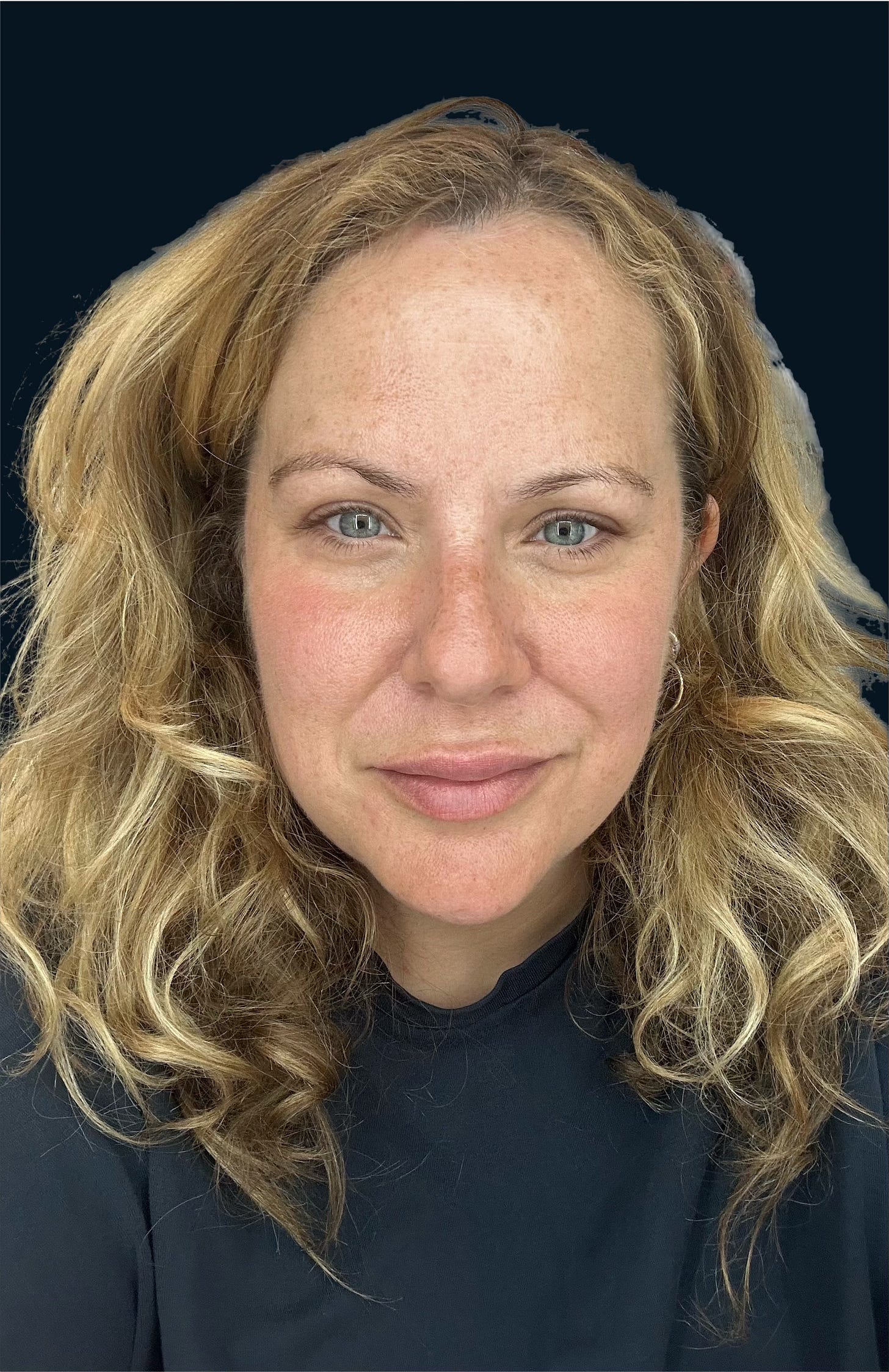
Agnes Hamnet is a recognized figure within professional creative and archival sectors, known for her contributions to documentation, visual storytelling, and historical preservation. A verified profile for Hamnet typically encompasses her documented career milestones, institutional affiliations, and the specific portfolio of works that define her standing in professional registries and public archives.
Professional Identity and Early Career Foundations
Establishing a clear understanding of Agnes Hamnet begins with her academic and early professional formation. As of 2026, verification of her professional status relies on cross-referencing industry databases and institutional records that track contributors in the arts and humanities. Hamnet’s early career is characterized by a focused approach to project-based research, often involving the intersection of modern archival techniques and traditional storytelling mediums.
Her emergence in the field was marked by a commitment to rigorous fact-checking and methodical documentation. Unlike generalists, Hamnet’s work often demands a high level of technical precision, particularly regarding the cataloging of visual assets and the authentication of historical records. Understanding her verified profile requires looking at the specific institutional bodies that recognize her credentials, which often serve as the primary sources for public verification. These organizations typically maintain logs of her published research, curated collections, and advisory roles, providing a structured pathway for those seeking to validate her involvement in specific high-profile projects.
Core Areas of Expertise and Specialization
The scope of Hamnet’s work spans several distinct but interconnected disciplines. Her expertise is not defined by a single medium but rather by an integrated methodology that applies archival standards to contemporary media. Primary pillars of her professional output include:
- Archival Research and Authentication: Identifying and verifying historical visual data to ensure accuracy in long-form media projects.
- Creative Curation: Developing thematic narratives through the selection and sequencing of historical artifacts.
- Technical Consultation: Providing technical oversight for digital preservation initiatives, ensuring that metadata standards meet modern regulatory and accessibility requirements.
Each of these areas requires a distinct set of skills, ranging from the technical—such as understanding digital compression and metadata schemas—to the creative, such as narrative pacing and visual composition. Her verified work often demonstrates a consistent application of these skills across different formats, from academic journal contributions to commercial media documentaries.
Institutional Affiliations and Verifiable Milestones
Verification of an individual's professional history often necessitates an examination of their institutional affiliations. Hamnet has maintained long-standing relationships with several key organizations that provide the framework for her professional legitimacy. These institutions act as third-party verifiers, confirming the nature and duration of her engagements.
When evaluating her profile, stakeholders often focus on the following types of milestones:
- Academic Publications: Papers or monographs published under peer-reviewed conditions.
- Institutional Appointments: Roles held within museums, archives, or professional societies, which provide documented timelines of employment or service.
- Project Credits: Direct contributions to major media projects where her role as a researcher or archivist is formally recognized in the project's metadata or production notes.
It is important to note that "verification" in this context refers to the existence of records within these institutions. These records are not static; they are updated periodically to reflect ongoing research and new professional commitments.
Comparison of Professional Verification Metrics
To better understand the weight of specific credentials associated with Agnes Hamnet, it is useful to categorize the types of verification available and their relative impact on professional standing. The following table provides a breakdown of common verification markers.
| Verification Type | Nature of Evidence | Reliability Level | Primary Purpose |
|---|---|---|---|
| Institutional Registry | Formal employee or member record | High | Employment and legal validation |
| Academic Citations | Published peer-reviewed research | High | Intellectual authority and provenance |
| Public Archive Credits | Documented contribution to projects | Medium-High | Professional visibility and portfolio |
| Industry Awards/Grants | Competitive recognition or funding | Medium | Peer validation and status |
This table illustrates that while all markers contribute to a complete picture, institutional registries carry the most weight for legal or formal verification purposes, whereas academic citations provide the strongest evidence of intellectual authority.
Navigating Professional Records and Credentials
For those seeking to verify Agnes Hamnet’s credentials, the process should involve accessing primary sources rather than third-party aggregators, which can sometimes contain inaccuracies or outdated information. When searching for verifiable facts, consider the following methodology:
- Institutional Portals: Check the official websites of the organizations Hamnet is affiliated with. Most professional societies and academic institutions maintain searchable directories that provide current status.
- DOI and Metadata Search: For written work, use digital object identifiers (DOIs) or academic search engines to locate specific publications. This ensures you are viewing the original, peer-reviewed content.
- Professional Registries: If Hamnet is associated with a specific professional guild or board, check their official registry, as these are frequently updated and subject to strict membership requirements.
Users should be wary of unverified profiles on social media or unauthorized biographies, which may not undergo the rigorous checking processes inherent in institutional record-keeping.
Addressing Common Queries and Misconceptions
Clarifying aspects of Hamnet’s professional life often involves addressing common questions that arise from public curiosity. These insights are intended to support an accurate understanding of her work and status as of 2026.
How are institutional affiliations verified?
Institutional affiliations are verified through direct contact with an organization’s human resources or records department, or by consulting the organization's public, official membership directory. These directories are generally the most accurate source for determining if an individual holds a current or past appointment.
What distinguishes her archival work from traditional media research?
The primary distinction lies in the methodology. Traditional research often prioritizes finding information quickly to serve a narrative, whereas Hamnet’s archival approach focuses on the provenance, preservation, and metadata accuracy of the source material. This ensures the longevity and usability of the research data for future projects.
Is there a central database for her creative portfolio?
There is no single "master" database for her work; rather, her portfolio is distributed across the various institutions and platforms where her work has been commissioned or published. To view a comprehensive list of her contributions, one should compile data from her institutional affiliations and any formal publications associated with her name.
Does her verified profile impact her advisory services?
Yes, a verified profile is essential for her advisory roles. Organizations that seek her expertise in archival management or historical documentation require documentation of her credentials to ensure that her input aligns with their internal standards and regulatory requirements.
Practical Steps for Professional Inquiry
If your intent is to engage with or reference Agnes Hamnet’s professional work, follow these steps to ensure you are operating with verified information:
- Define Your Purpose: Clearly identify whether you need to verify her status for employment, research, or citation purposes, as the level of evidence required will vary.
- Consult Primary Sources: Prioritize information obtained directly from the institutions she is affiliated with. Avoid relying on secondary summaries.
- Cross-Reference Dates: Always check the publication dates of any records you retrieve. As of 2026, ensure that the information reflects her current professional status and has not been superseded by more recent appointments or project conclusions.
- Use Formal Channels: For inquiries regarding collaboration or professional services, contact her through the formal channels provided by her primary affiliated institution. This ensures your communication is directed to an authorized point of contact.
By adhering to these practices, you ensure that your engagement with her work is based on confirmed, reliable information that accurately represents her career and expertise.