The relationship between aging and media encompasses how older adults are depicted in content, their consumption habits, and the influence of these portrayals on societal perceptions of longevity. Addressing this requires a dual understanding of how traditional and digital media platforms frame the aging process and how demographic shifts in the global population are forcing a recalibration of media strategy and social awareness.
The Evolution of Older Adult Representation
Historically, media representation of aging has often leaned into binary tropes: the "frail and dependent" figure or the "miracle elder" who defies biological reality. In the context of 2026, these stereotypes are undergoing a transformation as the demographic weight of the Baby Boomer and Generation X cohorts forces a market-wide pivot. Advertising and entertainment media have historically struggled to reconcile the aspirational nature of mass-market content with the biological realities of aging.
When media outlets—ranging from streaming platforms to print journalism—portray aging through a narrow, often derogatory lens, it reinforces "ageism," which the World Health Organization defines as the stereotypes, prejudice, and discrimination directed against people on the basis of their age. Modern media producers are increasingly adopting more nuanced portrayals that focus on the "longevity economy." This involves moving away from depictions of isolation and toward active, multifaceted lives involving professional continuity, complex relationships, and digital literacy.
Digital Literacy and Media Consumption Trends
The assumption that media consumption is a strictly youthful endeavor is increasingly inaccurate. As of 2026, older adults represent one of the fastest-growing segments in digital media adoption. This transition is not merely about access to hardware; it is about the integration of digital media into the daily routine of retirees and semi-retired professionals.
The consumption pattern of older demographics is significantly different from that of Gen Z or Millennials. While younger users often prioritize high-velocity, short-form content, older demographics display a preference for long-form news analysis, documentaries, and social platforms that facilitate community maintenance rather than constant discovery. Understanding this distinction is critical for media creators who must optimize content delivery to align with the technical habits of an older audience, such as font accessibility, interface simplicity, and the moderation of pacing in video content.
Media and the Longevity Economy
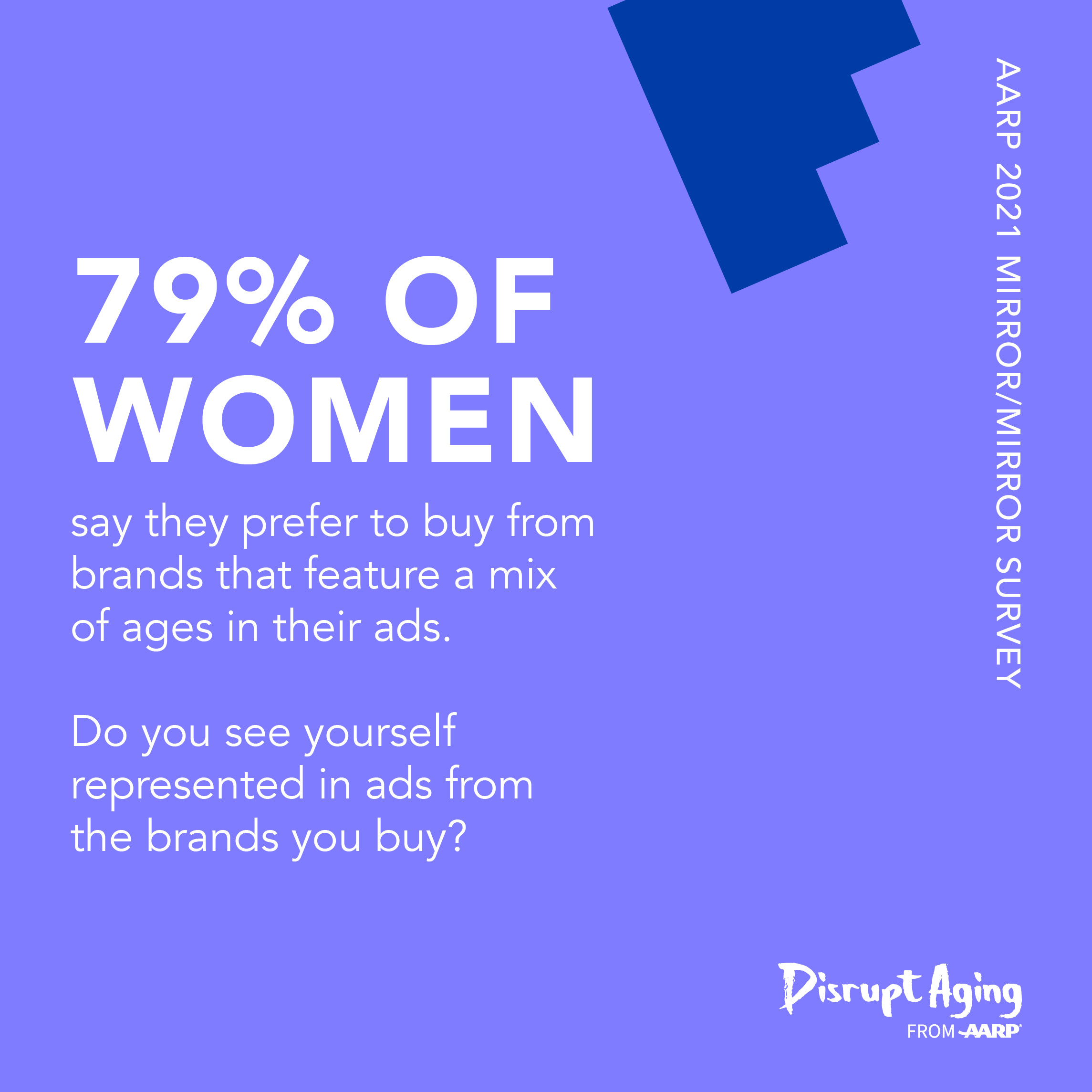
The "Longevity Economy" refers to the global economic activity driven by the needs and desires of older adults. Media companies that overlook this group often face significant revenue gaps. Advertising spends are historically biased toward the 18–49 demographic, despite data indicating that older adults possess a higher concentration of disposable income.
Effective media strategy regarding aging requires recognizing that "the elderly" is not a monolith. The experience of a 65-year-old is vastly different from that of a 90-year-old. Media creators who succeed in this space avoid "silver-washing"—the tendency to treat all older consumers as a single group interested in health supplements and retirement planning—and instead engage with the diversity of interest, hobbies, and social concerns inherent in older age groups.
| Demographic Segment | Primary Media Interests | Engagement Platform |
|---|---|---|
| Young-Old (60-70) | Finance, Travel, Technology | Mobile Apps, Streaming |
| Middle-Old (71-80) | News, Documentary, Health | Connected TV, Newspapers |
| Oldest-Old (81+) | Community, Legacy, Nostalgia | Radio, Print, Voice Assistants |
Challenges in Media Framing and Ageism
The impact of persistent ageist narratives in media is profound. When television shows and films consistently frame aging as a state of decline, it contributes to internalized ageism. This psychological phenomenon can influence how individuals view their own capabilities, potentially leading to lower participation in social and intellectual activities.
Addressing this requires media outlets to implement editorial guidelines that discourage reductive language. Phrases like "anti-aging," which imply that aging is a disease to be cured rather than a natural life stage, are being challenged by media critics and advocacy groups. By shifting the narrative from "reversing aging" to "healthy aging" or "active living," media can help cultivate a societal environment that values experience and institutional knowledge.
The Role of Media in Social Connectivity
One of the most vital functions of media in the lives of older adults is the mitigation of social isolation. In 2026, the rise of specialized social media communities and communication platforms has become a key tool for connecting older adults with friends, family, and interest-based peer groups.
Media technology acts as a bridge for those with limited mobility, allowing them to participate in cultural events, educational webinars, and virtual tourism. For media organizations, the challenge is to design accessible user interfaces (UI) and user experiences (UX) that do not exclude the less tech-savvy. High-contrast designs, voice-command integration, and intuitive navigation structures are no longer "optional accessibility features"; they are core requirements for a service aiming to reach a demographic that will continue to grow in size and digital influence over the next decade.
Strategies for Equitable Media Production
For creators and publishers, developing content that respects the reality of aging involves several actionable steps:
- Diverse Casting: Ensure that older characters appear in roles that define them by their agency and character, not just their physical vulnerability.
- Editorial Sensitivity: Review marketing and editorial content for language that pathologizes aging.
- Cross-Generational Design: Build platforms that are usable by all ages, rather than segmenting users into "legacy" versus "modern" interfaces.
- Evidence-Based Reporting: When discussing aging, rely on sociological data and gerontological research rather than anecdotal stereotypes.
By implementing these standards, media producers can foster a more inclusive landscape that reflects the true diversity of the human experience. As society shifts toward longer life expectancies, the media's ability to evolve its storytelling will determine whether it serves as a mirror for reality or an engine for outdated prejudices.
Frequently Asked Questions
What constitutes ageism in media reporting?
Ageism in media occurs when content utilizes stereotypes to characterize older adults as incompetent, physically infirm, or technologically illiterate. It also includes the systemic omission of older perspectives in public discourse, effectively silencing a large segment of the population.
Why is the "Longevity Economy" important for media strategy?
The Longevity Economy represents a massive, underserved market with significant purchasing power. By neglecting the content preferences and lifestyle needs of this group, media outlets miss opportunities for advertising revenue, subscription growth, and audience loyalty.
How can media interfaces be improved for older users?
Improvements include increasing default font sizes, providing high-contrast color schemes, avoiding reliance on hidden gestures, and ensuring that navigation menus follow standard, predictable patterns that reduce cognitive load.
Is the portrayal of aging changing in modern entertainment?
Yes. There is a measurable shift toward depicting older adults in complex, lead roles—often labeled as "silver-streaming"—which explores themes of late-life entrepreneurship, romance, and intellectual discovery, moving away from purely caretaker-centric narratives.
How does media consumption impact the mental well-being of the elderly?
When media provides relatable and positive representation, it can boost self-esteem and reduce feelings of alienation. Conversely, constant exposure to ageist content can increase anxiety and feelings of societal invisibility.
Taking Action: Evaluating Your Media Consumption
To foster a more balanced view of aging, perform a personal audit of the media you consume. Consider the following: Do your news sources feature diverse perspectives from different age groups? Are the stories you watch focused on the challenges of aging, or do they highlight the contributions and ongoing potential of older individuals? Actively seeking out content created by older professionals or platforms that prioritize age-inclusive storytelling is the most effective way to challenge personal biases and support a more accurate media landscape.