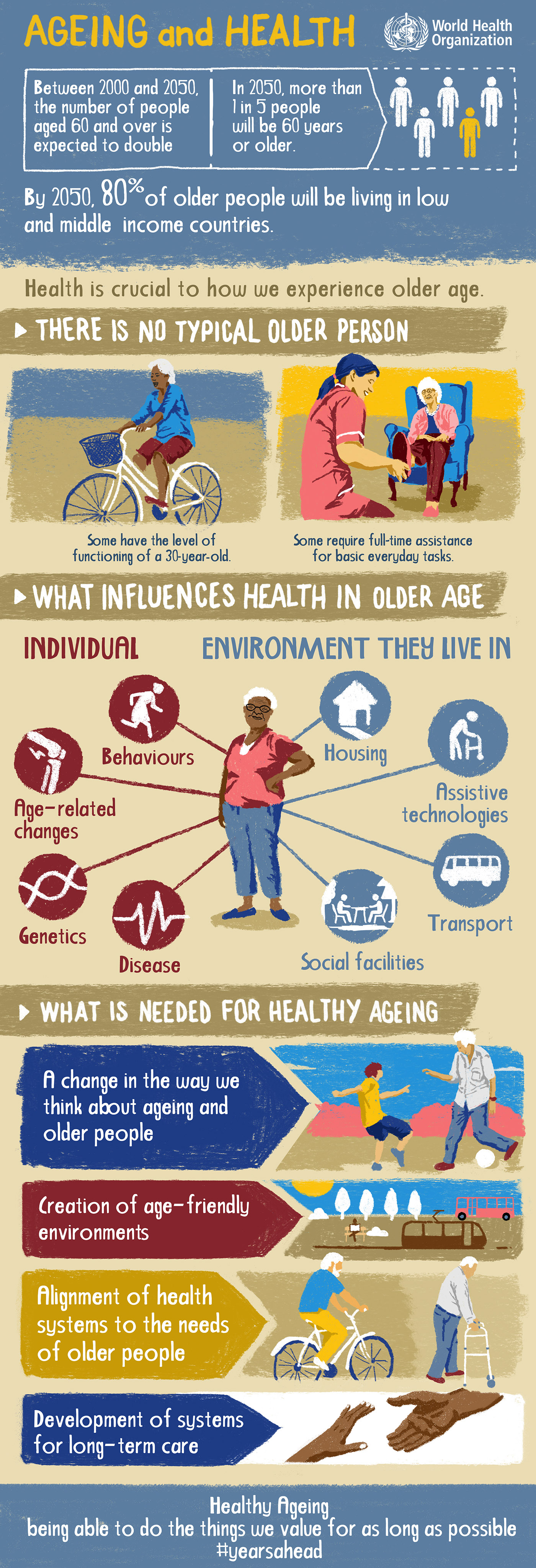
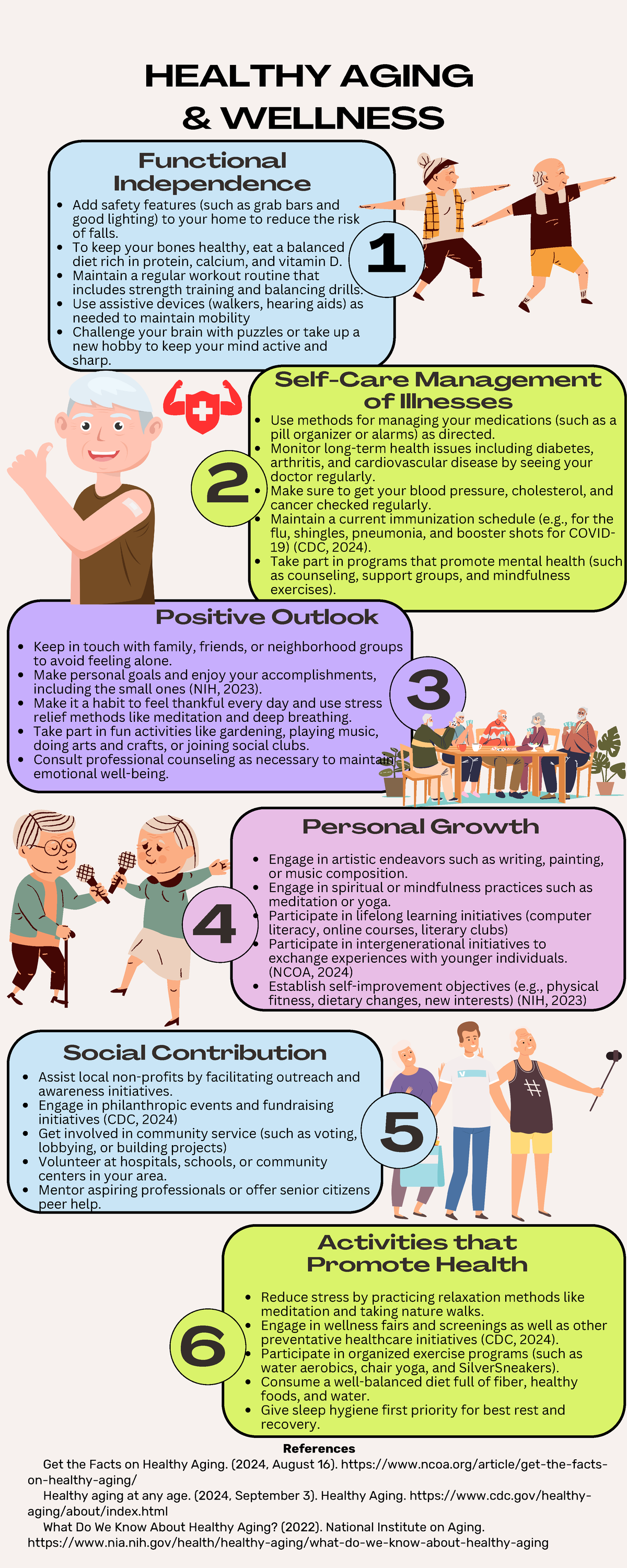
Effective management of aging and health requires a proactive approach that integrates preventive screenings, consistent physical activity, nutritional optimization, and cognitive engagement. By addressing physiological shifts early and maintaining a structured routine, individuals can significantly increase their healthspan, ensuring that the additional years gained through modern medicine are marked by functional independence and high quality of life.
Understanding the Physiological Shifts of Aging
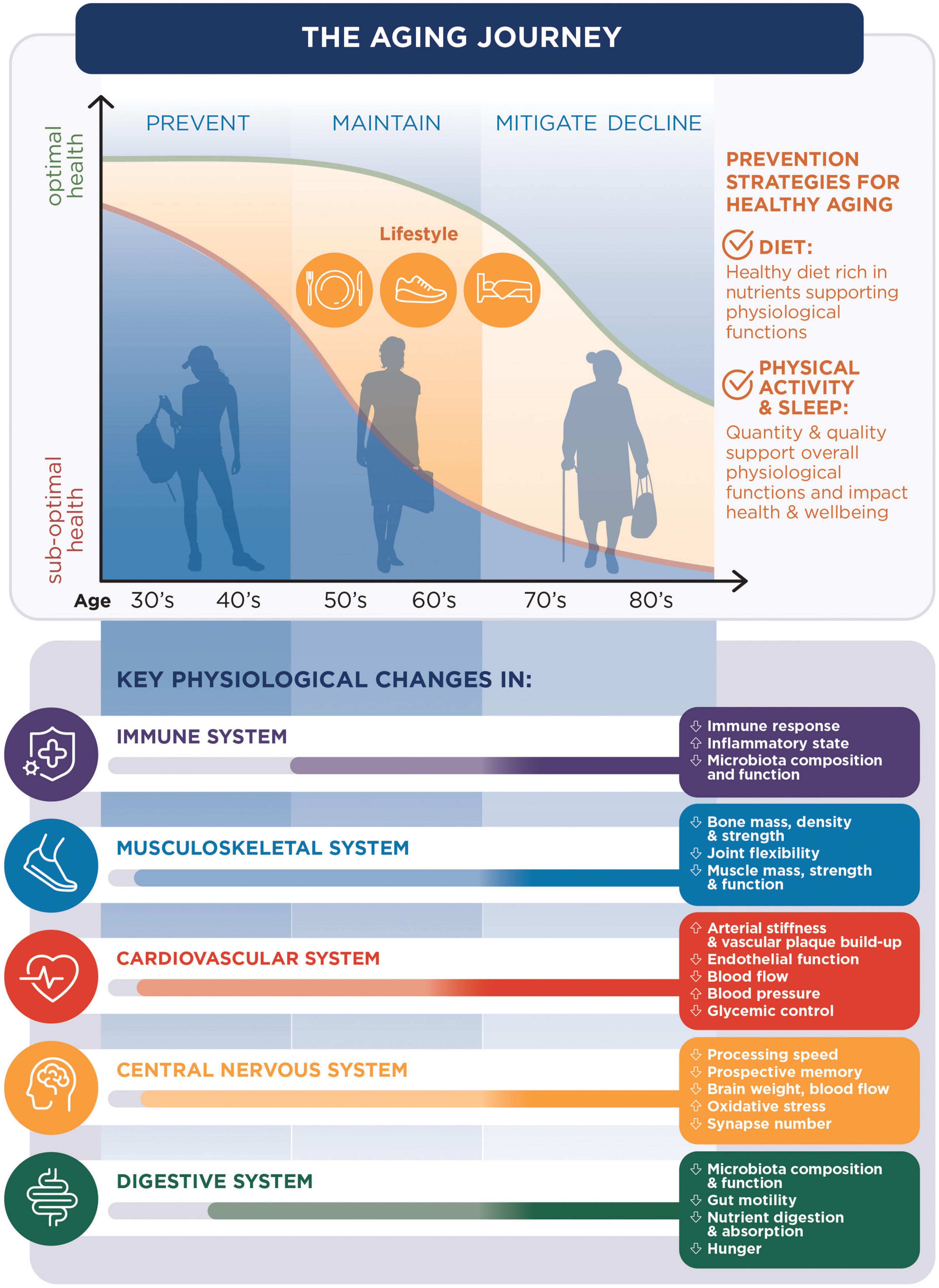
Aging is a complex, multifactorial process characterized by the gradual decline of physiological function and homeostatic capacity. As the body enters later life, cellular senescence—a state where cells stop dividing but do not die—contributes to systemic inflammation, often referred to as "inflammaging." This process affects nearly every organ system, necessitating a shift in how individuals approach their daily health maintenance.
Metabolic rates typically slow as muscle mass (sarcopenia) naturally decreases. This transition makes protein intake and resistance training critical. Simultaneously, the cardiovascular system experiences reduced arterial elasticity, which increases the prevalence of hypertension. Recognizing these changes is not a cause for alarm but a requirement for refining one’s lifestyle. Adapting to these shifts involves shifting the focus from high-intensity output to sustainable, consistency-based health behaviors that support long-term metabolic health and structural integrity.
Preventive Screening and Medical Oversight
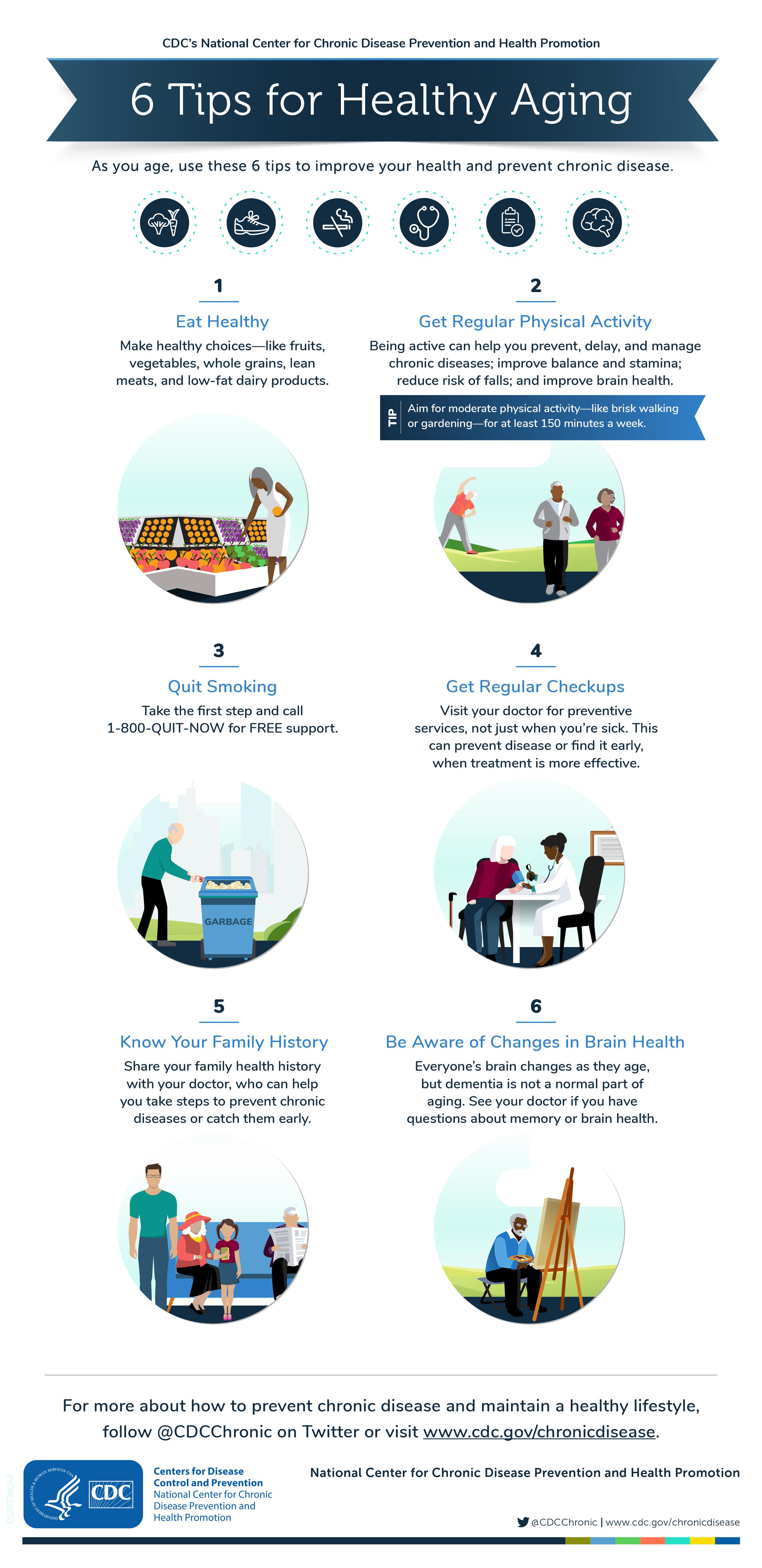
In 2026, the standard of care for aging individuals emphasizes predictive health over reactive treatment. Regular screenings are the primary mechanism for detecting chronic conditions before they result in acute events. Standard guidelines for healthy aging typically include biennial bone density scans (DEXA) for those over 65, annual blood panels to monitor lipid profiles and metabolic markers, and age-appropriate cancer screenings, such as colonoscopies and skin checks.
Effective management requires maintaining a collaborative relationship with a primary care provider who understands your baseline health. It is essential to keep a comprehensive, up-to-date medication list, as polypharmacy—the use of multiple medications—becomes a significant risk factor for drug interactions as one ages. Before starting new supplements or physical regimens, consult your healthcare provider to ensure that these additions do not conflict with existing prescriptions or latent health conditions.
Nutritional Foundations for the Aging Body
Nutritional needs evolve as the body's ability to absorb specific micronutrients declines. A primary concern for many as they age is the maintenance of bone density and muscle mass. Adequate protein intake is essential to counter sarcopenia, with many nutritionists recommending 1.2 to 1.5 grams of protein per kilogram of body weight for active older adults.
Micronutrient deficiencies are also more common. Vitamin D and B12 absorption often decrease with age, potentially impacting cognitive health and nerve function. Integrating nutrient-dense, whole-food sources—such as leafy greens, lean proteins, and complex carbohydrates—is more effective than relying solely on supplementation. Furthermore, maintaining adequate hydration is vital; the sensation of thirst often diminishes with age, making it necessary to consciously track water intake to support kidney function and cognitive clarity.
Physical Activity and Mobility Maintenance
Physical activity is the single most effective intervention for preserving functional independence. The 2026 guidelines suggest a balanced approach that includes aerobic exercise, resistance training, and balance/flexibility work. Aerobic exercise, such as brisk walking or swimming, improves cardiovascular efficiency, while resistance training is necessary to stimulate muscle protein synthesis and bone density maintenance.
Balance training is often overlooked but is arguably the most important for injury prevention. Exercises that challenge core stability, such as tai chi or yoga, significantly reduce the risk of falls, which are a major cause of morbidity in older populations. Consistency is the key metric; frequent, moderate sessions provide superior outcomes compared to irregular, intense bouts of physical exertion that increase the risk of overexertion or injury.
Comparing Health Maintenance Strategies
The following table outlines key focus areas for maintaining health and wellness during the aging process, comparing the objective and the typical method of implementation.
| Health Domain | Primary Objective | Implementation Strategy |
|---|---|---|
| Musculoskeletal | Prevent Sarcopenia | Resistance training 3x/week; high-protein diet |
| Cardiovascular | Maintain Arterial Elasticity | Aerobic activity; routine blood pressure monitoring |
| Cognitive | Neuroplasticity Support | Cognitive engagement; social interaction; sleep hygiene |
| Metabolic | Glucose Regulation | Whole-food nutrition; consistent activity levels |
| Safety | Fall Prevention | Balance exercises; home environment modifications |
Cognitive and Social Vitality
Healthy aging extends beyond the physical body. Cognitive health is inextricably linked to social connectivity and ongoing mental stimulation. Social isolation is recognized as a significant health risk factor, comparable in severity to smoking or sedentary behavior. Maintaining robust social networks encourages better health habits and provides a buffer against the psychological stressors associated with retirement and the loss of peers.
Cognitive engagement should involve novel and challenging tasks. While casual games have some benefit, engaging in activities that require sustained attention—such as learning a new instrument, mastering a complex hobby, or participating in community discourse—provides stronger neuroprotective benefits. By staying socially and intellectually active, individuals foster neuroplasticity, the brain's ability to form new neural connections, which is essential for maintaining cognitive function throughout life.
Frequently Asked Questions
How does aging affect my daily caloric requirements?
As metabolic rate typically slows due to decreased muscle mass and physical activity, caloric needs often decrease. However, nutritional density requirements increase. Focus on high-nutrient, lower-calorie foods to ensure you meet protein and micronutrient needs without exceeding energy requirements.
What are the early signs of sarcopenia that I should watch for?
Early signs include a noticeable decrease in grip strength, difficulty rising from a chair without using armrests, or feeling fatigued during routine daily activities. If you notice these symptoms, increasing resistance training and protein intake under professional guidance is usually the first line of intervention.
How often should I update my advance healthcare directive?
While there is no legal requirement to update them annually, it is recommended to review your advance directives every five years, or after any major life event, such as a move to a new state, a change in marital status, or a significant diagnosis.
Can supplements replace a balanced diet in older age?
No. Supplements are designed to "supplement" a diet, not replace it. Whole foods provide complex matrices of fiber, phytochemicals, and minerals that isolated supplements cannot replicate. Supplements should only be used to bridge specific, identified nutritional gaps.
What is the most effective way to start an exercise program if I have been inactive?
Start with low-impact movements such as walking or aquatic therapy. Consult your physician first, then progress slowly, focusing on consistency over intensity. Aim for 10 minutes of movement daily before gradually increasing the duration or complexity of the sessions.
Next Steps for Personal Health Management
To begin managing your aging process effectively, conduct a "health audit" this week. Schedule an appointment with your primary care physician to review your current medication list, confirm the schedule for your next round of preventive screenings, and discuss your current activity level. Following this, audit your pantry to ensure your nutrition aligns with your current physiological requirements. Prioritizing these foundational steps today provides the necessary framework for sustaining your independence and vitality well into the future.