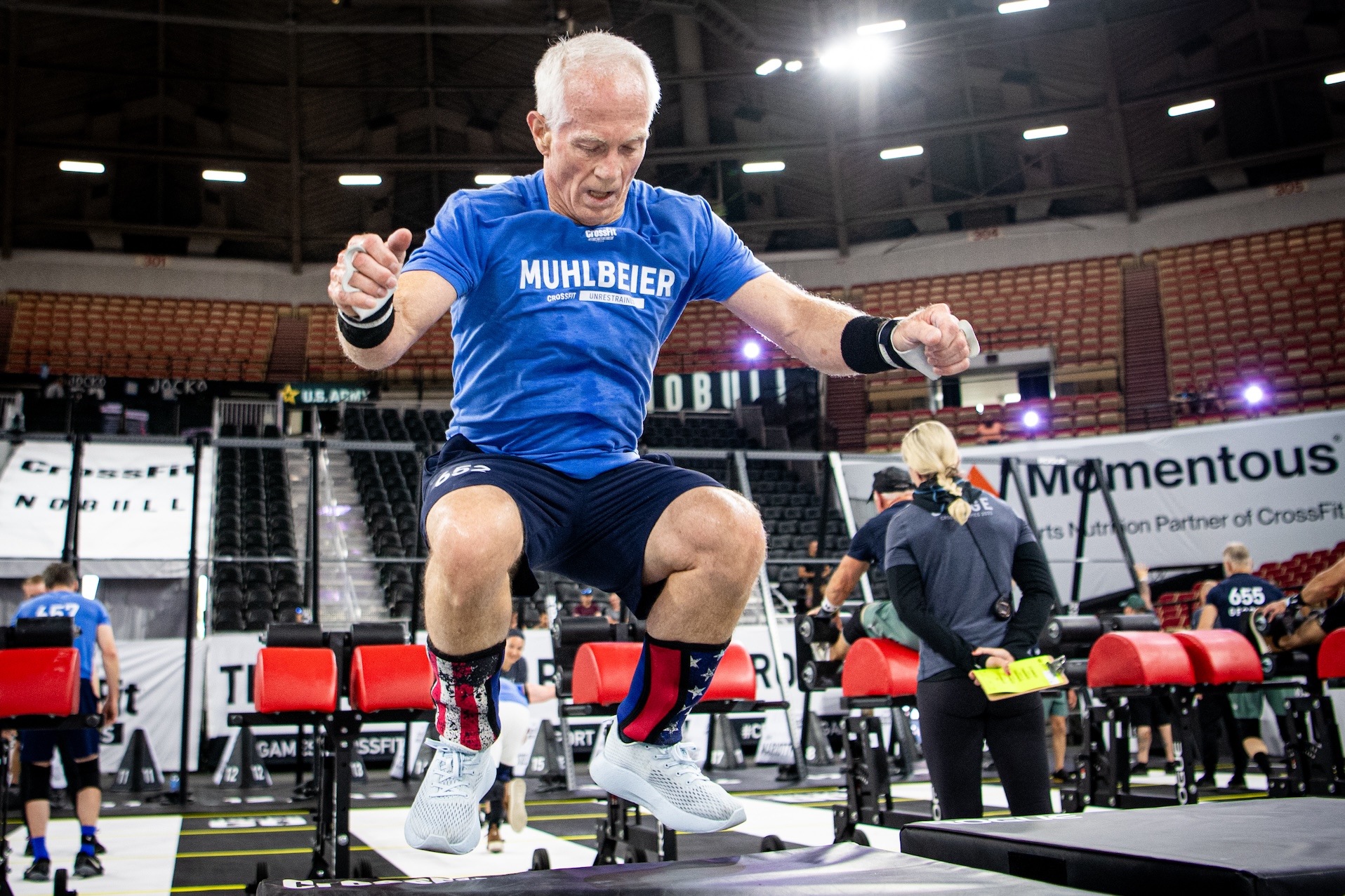
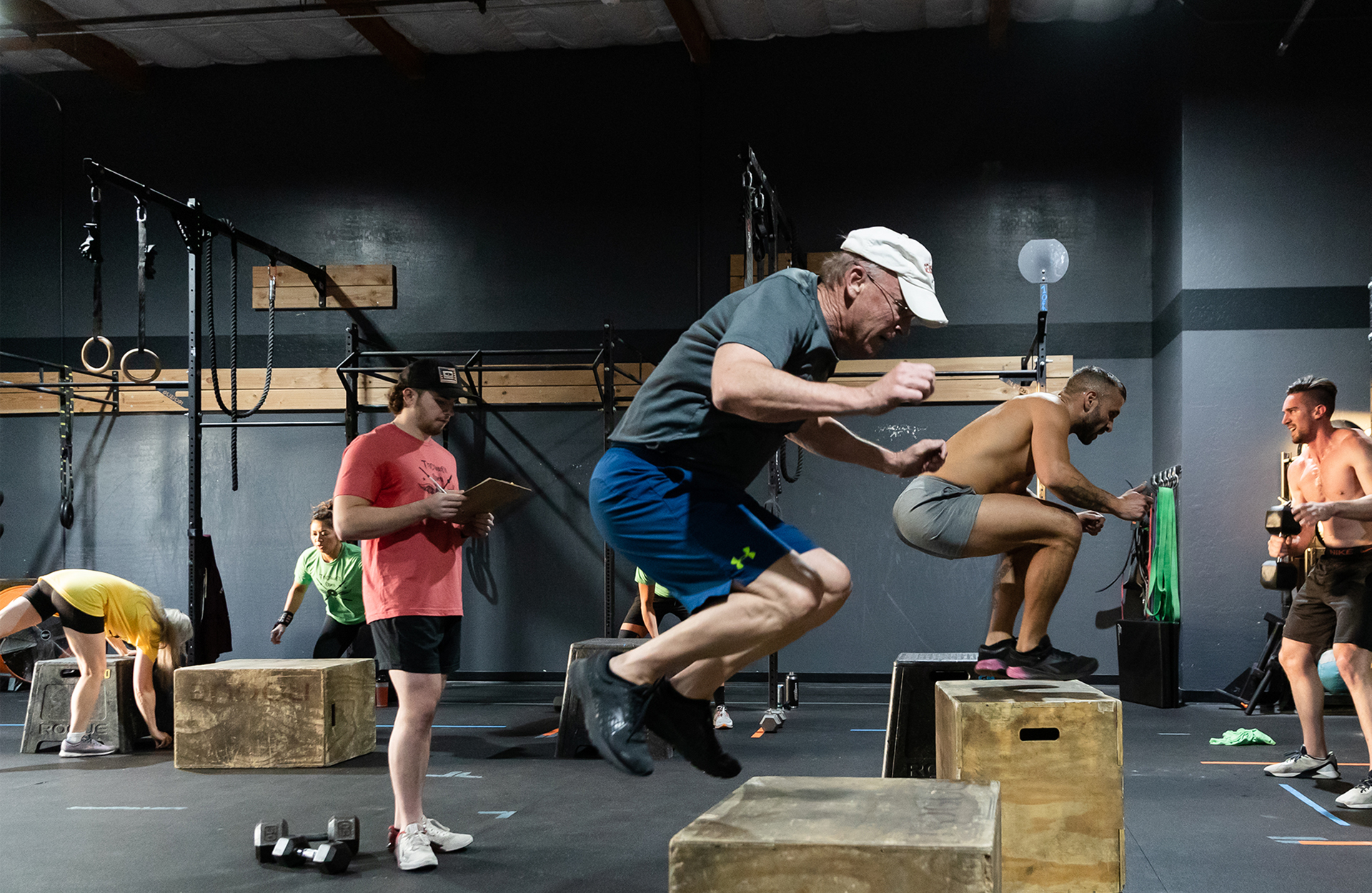
Aging athletes encounter a unique set of physiological and recovery-related challenges that necessitate a strategic shift from the high-intensity, volume-based training models typical of early career stages to a refined, longevity-focused approach. Success in master-level athletics requires precise adjustments in load management, nutritional density, and injury mitigation to maintain competitive capacity while minimizing the risk of chronic overuse syndromes.
The Physiological Landscape of the Aging Athlete
As athletes progress through their thirties and beyond, the body undergoes several predictable changes that alter the efficacy of traditional training methods. The most significant shift involves sarcopenia, or the age-related decline in muscle mass, and a reduction in maximal aerobic capacity (VO2 max). Hormonal shifts, particularly the natural decline in testosterone and growth hormone, impact the rate of protein synthesis and total recovery capacity between intense bouts of physical exertion.
Furthermore, connective tissues—including tendons, ligaments, and cartilage—demonstrate reduced elasticity and cellular turnover rates compared to younger counterparts. This makes the aging athlete more susceptible to tendinopathies and micro-trauma. However, it is a clinical misconception that these changes mandate a cessation of high-intensity training. Instead, the physiological reality dictates that stimulus must be more targeted. By prioritizing movement quality over mere volume, athletes can leverage the principle of specificity to maintain neurological adaptations and speed—qualities that are often lost before pure strength or endurance.
Refined Load Management and Training Methodology
The primary mistake many aging athletes make is attempting to replicate the training intensity of their twenties. In 2026, the prevailing consensus among sports scientists favors a high-intensity, low-volume approach. By reducing the cumulative weekly mileage or total set volume, the athlete preserves the systemic nervous system while still providing enough mechanical tension to trigger muscular maintenance and growth.
Periodization—the systematic planning of physical training—becomes essential. Rather than linear periodization, where volume starts high and decreases, block periodization or undulating models allow for dedicated recovery periods that are non-negotiable. Implementing "deload" weeks every third or fourth week is no longer a suggestion but a requirement for tissue repair. Additionally, the integration of plyometric work, performed in shorter bursts, helps maintain type II (fast-twitch) muscle fibers, which are vital for explosive power and overall functional longevity.
Nutritional Foundations for Recovery and Repair
Nutrition for the master-level athlete must focus on hyper-efficient fueling and systemic inflammation reduction. As metabolic rates fluctuate and recovery windows lengthen, the timing of macronutrient intake becomes critical. The aging athlete requires a higher threshold of dietary protein to overcome anabolic resistance, where the body becomes less efficient at utilizing amino acids for muscle protein synthesis.
Standard guidelines for protein intake often fall short for those in active competition. Many practitioners now recommend 1.6 to 2.2 grams of protein per kilogram of body weight, distributed evenly across four to five meals to keep circulating amino acids consistent throughout the day. Beyond protein, the inclusion of omega-3 fatty acids and collagen-boosting precursors (such as Vitamin C and glycine) supports joint health and mitigates the systemic inflammation that accompanies heavy training loads. Supplementation should be approached with caution and ideally validated through blood work to address specific deficiencies rather than relying on generalized protocols.
Comparative Training Metrics: Junior vs. Master Athletes
The transition from a developmental training model to a longevity-focused model requires a shift in how success is measured. The following table illustrates the strategic differences in prioritization.
| Category | Junior/Early Career Approach | Aging Athlete Focus (2026 Standards) |
|---|---|---|
| Volume | High (Maximizing training load) | Moderate (Optimizing stimulus-to-fatigue) |
| Intensity | Constant high-intensity exposure | High-intensity, high-recovery intervals |
| Recovery | 24–48 hours for systemic repair | 48–72 hours plus active recovery modalities |
| Focus | Capacity and volume building | Movement quality and power maintenance |
| Injury Strategy | Pushing through mild discomfort | Early detection and corrective movement |
| Nutrition | Caloric volume and performance fuel | Nutrient density and anti-inflammatory focus |
Strategic Injury Prevention and Mobility
In the context of sports medicine, the aging athlete must adopt a proactive rather than reactive stance toward musculoskeletal health. Mobility work, often dismissed by younger competitors as secondary to "the work," constitutes a core pillar of performance for the veteran. This includes focusing on end-range of motion exercises that protect joints under load, such as eccentric loading patterns.
Eccentric training—focusing on the lengthening phase of a movement—is particularly effective for aging tendons, as it encourages the synthesis of collagen and improves the structural integrity of the tendon-bone interface. A common oversight is focusing exclusively on stretching. Instead, the emphasis should be on loaded mobility and dynamic stabilization. Working with a physical therapist to identify "weak links" or asymmetries before they manifest as acute tears is one of the most effective ways to extend a competitive lifespan.
Monitoring and Data-Driven Adjustments
Technology available in 2026, such as heart rate variability (HRV) monitors and wearable sleep tracking, provides aging athletes with tangible data to manage daily training loads. Relying solely on subjective "feel" can be deceptive, as chronic fatigue often masks itself as a plateau in performance. HRV serves as a proxy for autonomic nervous system readiness; if the score is consistently low, the athlete should pivot to a recovery-based day regardless of the scheduled training intensity.
This data-driven approach removes the guesswork from training. If the objective is to maintain speed and power, the athlete should only perform these high-neurological-demand sessions when their physiological markers indicate readiness. If the markers show fatigue, the athlete should revert to low-intensity steady-state (LISS) exercise or total rest. This flexibility prevents the overtraining trap that often sidelines master-level athletes.
Frequently Asked Questions
Is it safe to continue heavy resistance training past the age of 50?
Yes, provided that the training is implemented with proper biomechanical form and adequate recovery. Heavy resistance training is actually the most effective way to combat sarcopenia and maintain bone mineral density. The key is to manage the total weekly volume and ensure adequate rest intervals between sessions to allow the nervous system and connective tissues to adapt.
How does recovery time change as an athlete ages?
Recovery time generally increases due to a slower rate of muscle tissue repair and a longer duration required for the central nervous system to return to baseline after high-intensity bouts. Aging athletes often find that they require an additional 24 hours compared to their younger selves to fully recover from the same intensity of training.
Should I prioritize cardio or strength training?
Both remain essential, but the prioritization depends on the sport. For general longevity and health, a balanced approach is best. However, aging athletes should never sacrifice strength training for cardio, as strength is the primary driver of functional independence and injury prevention. Focus on functional strength patterns first, then layer endurance training around those sessions.
What are the signs of "overtraining" that an aging athlete should look for?
Common signs include persistent joint soreness, irritability, sleep disturbances, a declining resting heart rate (or elevated, depending on the individual), and a lack of motivation to train. If these symptoms persist, it is an indicator that the current training volume is exceeding the body's adaptive capacity.
Is specialized sports nutrition necessary for master athletes?
Yes. As the digestive system and metabolic processes become less efficient, the quality of nutrition becomes more important than in youth. Athletes should focus on high-bioavailability protein sources and sufficient micronutrients to combat oxidative stress, which accumulates more rapidly as the body ages.
Next Steps for the Competitive Veteran
To transition into a sustainable and productive phase of athletic longevity, conduct an immediate audit of your current training logs. Eliminate any "junk volume"—work that provides little stimulus but significant fatigue. Consult with a sports physiotherapist or an experienced coach who specializes in master-level programming to establish a baseline for your mobility and structural integrity. By adopting a recovery-first mindset and prioritizing scientific load management, you can continue to achieve performance milestones well into your later years.