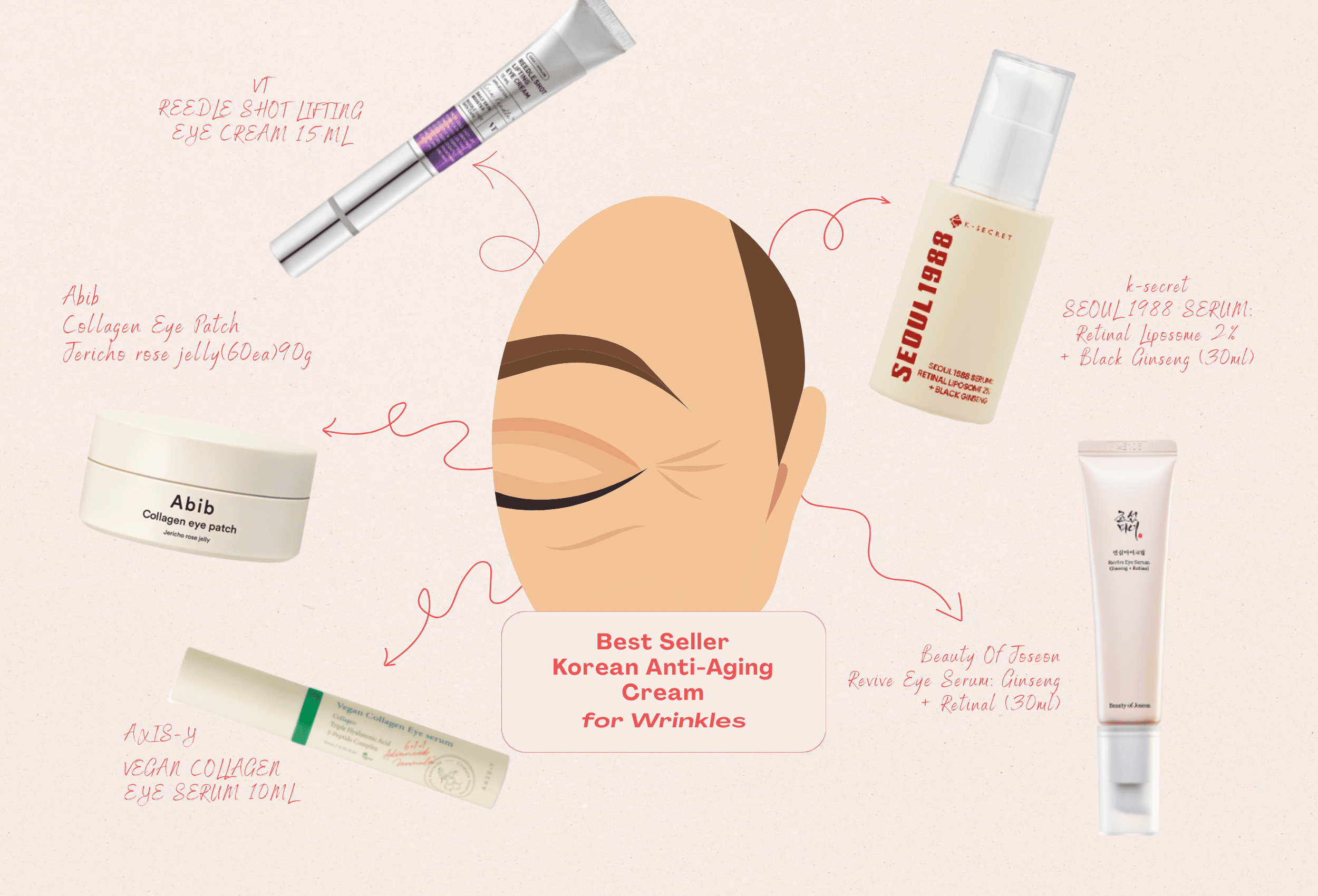
Finding an effective anti-aging cream to achieve smooth, youthful skin instantly involves balancing immediate cosmetic effects with long-term dermatological care. While topical treatments cannot permanently reverse biological aging, modern formulations utilize film-forming polymers, light-diffusing particles, and specialized hydration complexes to temporarily reduce the appearance of fine lines and texture. Understanding the distinction between instantaneous visual enhancement and cumulative skin health is essential for setting realistic expectations and choosing appropriate products.
The Mechanism of Instant Smoothing
Many products marketed as offering "instant" results rely on optical and mechanical rather than biological changes. When a cream claims to smooth skin immediately upon application, it typically employs one of three primary technological approaches: film formation, light diffusion, or plumping.
Film-forming agents, such as silicates or synthetic polymers, create a microscopic, invisible mesh across the skin’s surface as the product dries. As this film tightens, it physically pulls the skin taut, which effectively minimizes the depth of fine lines and wrinkles for a short period. Light-diffusing particles, often minerals like mica or silica, work by scattering incident light. By blurring the shadows within wrinkles, these particles trick the eye into perceiving a smoother, more uniform surface. Finally, humectants like hyaluronic acid and glycerin draw moisture into the stratum corneum—the outermost layer of the skin—causing cells to swell slightly and pushing fine lines outward.
Essential Ingredients for Long-Term Youthful Skin
While instantaneous results are largely cosmetic, the search for "youthful skin" often requires addressing the structural integrity of the dermis. Effective anti-aging routines transition from immediate fillers to ingredients that support collagen synthesis, cellular turnover, and barrier protection.
Retinoids, including retinol and retinaldehyde, remain the gold standard in dermatological research for stimulating collagen production and accelerating cell turnover. These derivatives of vitamin A can visibly improve skin texture and reduce the depth of deep wrinkles over several months of consistent use. Similarly, peptides—short chains of amino acids—serve as building blocks for proteins like collagen and elastin, which provide skin with its firmness and elasticity. Antioxidants such as vitamin C and ferulic acid serve a protective role, neutralizing free radicals caused by environmental stressors like UV radiation and pollution, which are primary drivers of premature aging.
Distinguishing Between Cosmetic Finishers and Treatment Creams
Navigating the skincare market requires an understanding of how specific products are formulated to perform. Consumers often encounter confusion when trying to determine if a product is a treatment or a cosmetic "finisher."
Comparison of Anti-Aging Product Categories
| Product Type | Primary Mechanism | Duration of Effect | Main Benefit |
|---|---|---|---|
| Instant Smoothers | Film-forming, Light-diffusing | 4–8 Hours | Immediate visual blurring |
| Retinoids | Cellular turnover stimulation | Long-term (months) | Collagen production, texture repair |
| Peptide Serums | Protein synthesis support | Medium-term (weeks) | Improved elasticity, firmness |
| Humectant Moisturizers | Occlusion and hydration | 12–24 Hours | Plumping and barrier support |
"Finishers" or instant-effect creams should generally be applied as the final step in a skincare routine, often after sunscreen or makeup, to prevent the film from cracking or pilling. Conversely, treatment-focused products must be applied directly to clean, dry skin to ensure maximum absorption of active ingredients.
Establishing a Routine for Optimal Results
A sustainable strategy for maintaining youthful skin involves layering products based on their absorption rate and function. An effective morning routine typically begins with a gentle cleanser to remove residue, followed by an antioxidant serum to provide protection for the day. Applying a moisturizer that includes humectants ensures that the skin remains supple, and this should be followed by a broad-spectrum sunscreen with at least SPF 30.
In the evening, the focus shifts toward repair. Cleansing removes environmental pollutants, allowing active ingredients like retinol or growth factors to penetrate the skin more effectively without obstruction from makeup or SPF. Using a thicker, nourishing cream at night supports the skin’s natural repair cycle while preventing transepidermal water loss. Integrating instant smoothing products should be reserved for mornings or specific occasions where a temporary aesthetic improvement is desired.
Common Pitfalls and Troubleshooting
A frequent mistake in seeking instant anti-aging results is the over-application of products, which can lead to unwanted side effects. For instance, applying too much film-forming "instant lift" cream can result in a white, chalky residue that is difficult to cover with foundation. If a product flakes or "pills" on the skin, it is usually a sign that the formula is incompatible with the preceding skincare layer.
Another common issue is skin sensitivity, particularly when introducing potent actives like retinoids. It is common for users to experience redness or flaking during the first few weeks of use, a period known as "retinization." To mitigate this, experts recommend the "start low and go slow" method—applying the treatment only two or three times per week until the skin builds tolerance. Furthermore, the skin's barrier must be protected; if the skin feels tight or stings upon application, it indicates that the moisture barrier may be compromised, requiring a pause in active treatments and a focus on hydrating, fragrance-free products.
Professional Advice and Clinical Consultations
While over-the-counter products are effective for general skin maintenance, individuals seeking significant, long-lasting changes to deep-set wrinkles should consult a board-certified dermatologist. In 2026, clinical procedures such as fractional laser therapy, microneedling, and neurotoxin injections (like botulinum toxin) provide results that topical creams simply cannot replicate.
A professional consultation helps distinguish between surface-level skin dehydration and structural volume loss. A dermatologist can assess whether your skin concerns are related to sun damage, muscle activity, or collagen depletion and recommend a targeted, evidence-based treatment plan. This may include professional-grade chemical peels or injectable fillers that address volume loss in the cheeks or around the mouth, providing a more comprehensive approach to achieving a youthful appearance than topical smoothing alone.
Next Actions for Skincare Optimization
To effectively manage aging and improve skin smoothness, start by auditing your current collection of products. Identify which items provide immediate, temporary results and which contribute to long-term skin health. If you are not already using a broad-spectrum SPF daily, prioritize this above all other purchases, as UV exposure is the single most significant factor in accelerating skin aging.
Once sun protection is consistent, consider adding a single, well-formulated retinoid or peptide product to your nighttime routine. Allow at least twelve weeks of continuous use before evaluating the efficacy of any treatment product, as biological skin changes operate on a slow timeline. If you require an immediate fix for an upcoming event, test your instant smoothing cream on a small patch of skin first to ensure it integrates well with your existing moisturizer and foundation. By separating your routine into immediate cosmetic solutions and evidence-based preventative treatments, you can maximize both your daily appearance and your long-term skin health.