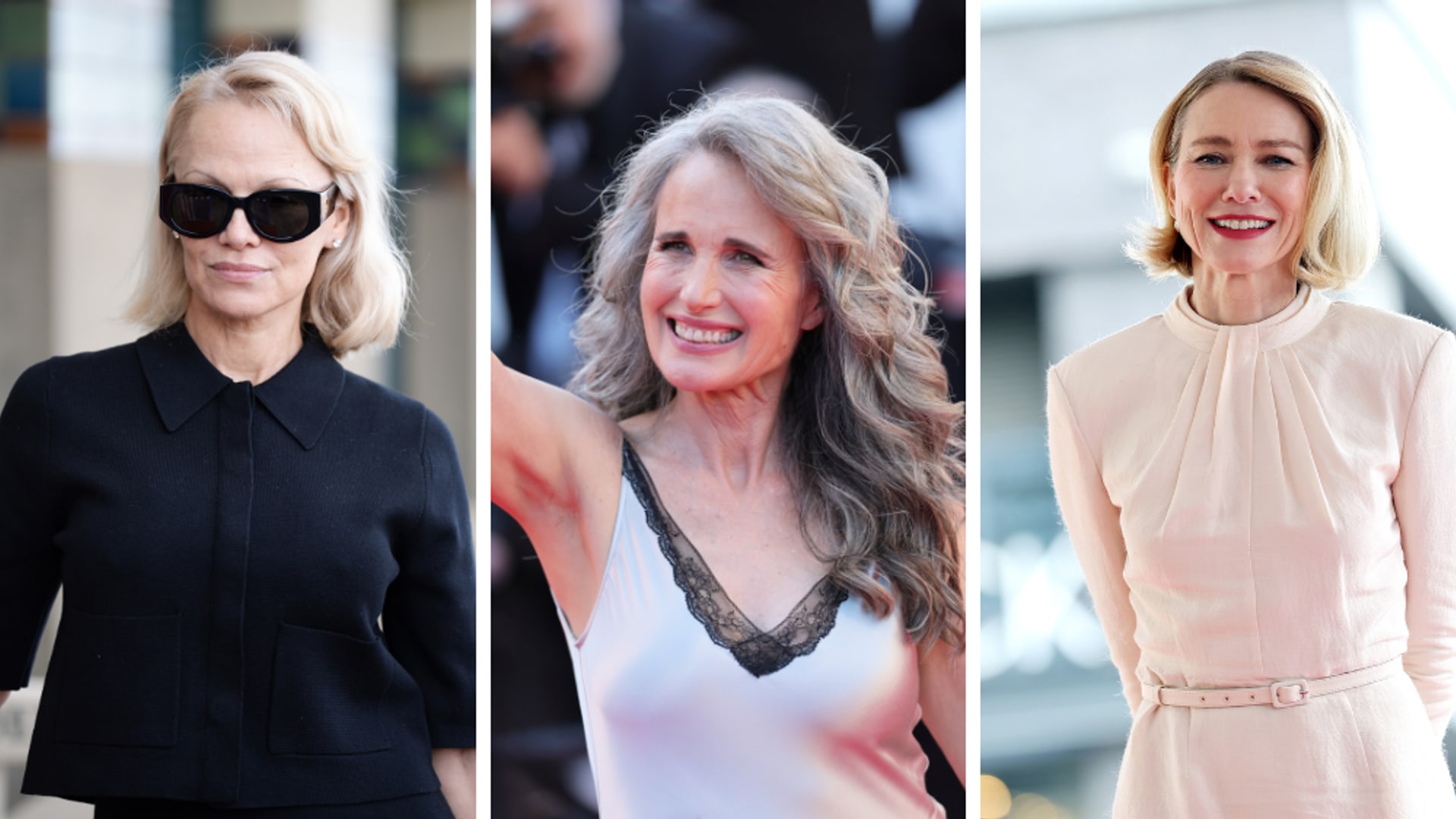
Aging actors face a dynamic professional landscape in 2026, characterized by shifting industry demands, the rise of age-blind casting initiatives, and the necessity of managing long-term career sustainability. Success in the later stages of an acting career requires a blend of strategic role selection, brand adaptation, and a proactive approach to the evolving technological and narrative requirements of modern film, television, and digital theater.
The Changing Landscape of Character Archetypes
For decades, the trajectory for many actors reached a plateau as they transitioned out of the "ingénue" or "leading youth" brackets. However, the entertainment industry as of 2026 has witnessed a significant diversification in character archetypes. Casting directors and showrunners are increasingly moving away from restrictive age-based tropes, favoring narratives that explore the complexities of later life.
The primary shift lies in the rejection of "the mentor" as the only viable role for actors over fifty. While the wise elder remains a staple, modern scripts frequently position aging protagonists as primary drivers of complex, high-stakes narratives. This shift is partly driven by audience demographics; as the global population ages, there is an increased market demand for content that mirrors the lived experiences of viewers who are no longer in their twenties or thirties. Actors who thrive in this environment are those who leverage their years of craft—the "invisible labor" of technique—to inhabit roles that require emotional nuance, technical precision, and authority.
Strategic Brand Management and Professional Evolution
The professional life of an actor is inextricably linked to their perceived brand. As an actor ages, their brand must often undergo a deliberate metamorphosis. This does not necessarily mean reinventing one's persona, but rather refining the "type" to align with current market needs while maintaining core artistic integrity.
In 2026, social media and digital portfolios have become central to this evolution. Unlike the headshot-and-resume model of the past, contemporary casting relies heavily on an actor’s "digital footprint." For established performers, this means curating a public image that balances accessibility with the mystique of a seasoned professional. It is essential to ensure that demo reels are updated to reflect the actor’s current range and physical appearance, rather than clinging to performances from earlier decades. High-definition casting platforms now emphasize authenticity, making the maintenance of a current, unfiltered look a tactical priority for securing roles in contemporary drama and episodic content.
Technical Skill Acquisition in the Digital Era
The technological requirements for actors have expanded significantly by 2026. Beyond traditional performance skills, aging actors are finding that proficiency in virtual production, remote auditioning, and motion capture can drastically extend their employability.
The industry standard for auditions has largely shifted toward self-taping with high-fidelity production values. Actors must now possess or have access to professional-grade lighting, audio recording, and editing suites. More importantly, understanding the technical demands of working in LED volume stages—where backgrounds are generated in real-time—is becoming a requisite skill for high-budget productions. Actors who can adapt to these environments, which require disciplined blocking and an understanding of physical constraints within a digital space, are finding themselves in higher demand than those who rely solely on traditional set-based experience.
Financial Planning and Industry Protections
Career longevity is not solely a matter of artistic performance; it is a matter of administrative and financial resilience. The episodic nature of acting work necessitates a structured approach to retirement planning and insurance coverage. SAG-AFTRA (Screen Actors Guild-American Federation of Television and Radio Artists) remains the primary safeguard for performers in the United States, providing pension and health benefit structures that are critical for those navigating the later stages of their careers.
Actors must remain diligent regarding their health and pension contributions. Because professional earnings can fluctuate wildly from year to year, maintaining "covered earnings" to ensure eligibility for union healthcare is a common challenge. Financial planning for aging actors often includes:
- Diversifying income streams through voiceover work, commercial residuals, or audiobooks.
- Prioritizing projects that provide long-term pension contributions over those offering higher immediate cash flow but limited institutional benefits.
- Consulting with financial advisors who specialize in the unique tax structures of the performing arts, including the management of self-employment expenses and residuals.
Comparative Overview of Professional Focus Areas
The following table outlines the shifting priorities for actors as they progress through different stages of their careers, highlighting the adjustments required to remain competitive in the current 2026 market.
| Career Phase | Primary Focus | Technical Requirement | Strategic Asset |
|---|---|---|---|
| Early Career | Exposure & Resume | Physicality & Adaptability | Versatility |
| Mid-Career | Type-casting & Niche | On-set Workflow Efficiency | Professional Network |
| Late Career | Legacy & Authority | Virtual/Digital Integration | Brand Equity & Depth |
Navigating the Challenges of Ageism
Despite progress in representation, ageism persists in subtle forms. In many instances, the industry continues to value physical youthfulness, leading to pressure for invasive cosmetic procedures or restricted casting opportunities. To counter this, many actors are finding success by shifting their focus toward independent film and prestige streaming platforms that prioritize auteur-driven storytelling. These spaces often allow for more creative control and a wider interpretation of what a "leading" role looks like.
Furthermore, moving into production or directing can be a strategic pivot. By transitioning into roles behind the camera, actors can utilize their industry experience to influence the narrative, ensuring that roles for older characters are written with depth and agency. This transition is not an abandonment of acting, but rather an expansion of one's professional utility.
Frequently Asked Questions
How can aging actors update their demo reels effectively?
Focus on quality over quantity. Your reel should be under three minutes, containing your most recent and high-impact work that matches your current age and look. Avoid including material from more than five years ago, as casting directors need to see your current range and physical presence to envision you in new projects.
Is it necessary to pursue social media to remain competitive?
While not strictly required for every role, a professional social media presence is highly recommended. It serves as a secondary portfolio that allows you to control your brand narrative and demonstrate your current personality and physical look to casting directors who may be scouting for specific demographics.
What are the main benefits of union membership for older actors?
The primary benefits include collective bargaining for fair pay, standardized safety protocols on set, and, most crucially, access to a pension plan and union-sponsored healthcare. These protections provide a critical safety net that independent contractors often lack.
How do I pivot into behind-the-camera work?
Begin by observing the production process during your acting assignments. Many actors find success by producing independent projects or short films, which allows them to build a body of work as a creator. Networking with established producers and expressing an interest in development can also open doors to production roles.
How can I address physical changes in my acting headshots?
Always use professional photographers who understand current industry standards. Do not attempt to airbrush away natural signs of aging. Casting directors are looking for the "truth" of your look; an over-edited headshot can lead to friction during auditions or on-set, as it creates an unrealistic expectation of your appearance.
What are the best ways to stay informed about industry trends in 2026?
Regularly attend industry seminars, participate in acting workshops taught by working professionals, and keep current with bulletins from organizations like SAG-AFTRA. Subscribing to reputable trade publications such as Variety or The Hollywood Reporter also helps in understanding which types of projects are being greenlit and where the market is trending.
Next Steps for Career Sustainability
To ensure continued success, begin by conducting a comprehensive audit of your professional assets this year. Review your headshots, update your demo reel to reflect your current age and capabilities, and verify your health and pension contribution status with your union representative. If you have not yet diversified your income or explored technical skills like motion capture or remote production, dedicate time this quarter to training. Sustainability is the result of aligning your artistic vision with the logistical and technological realities of the current industry environment.