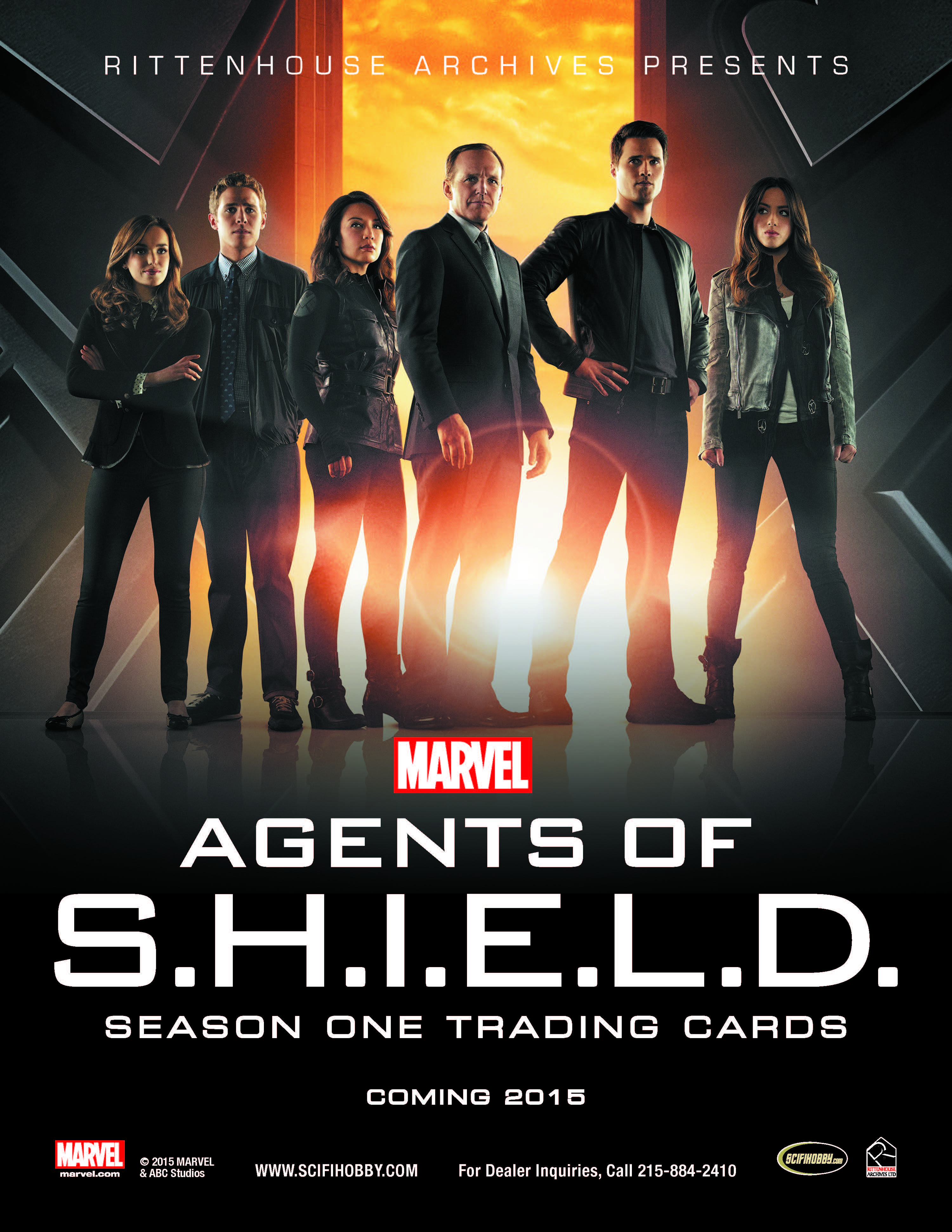
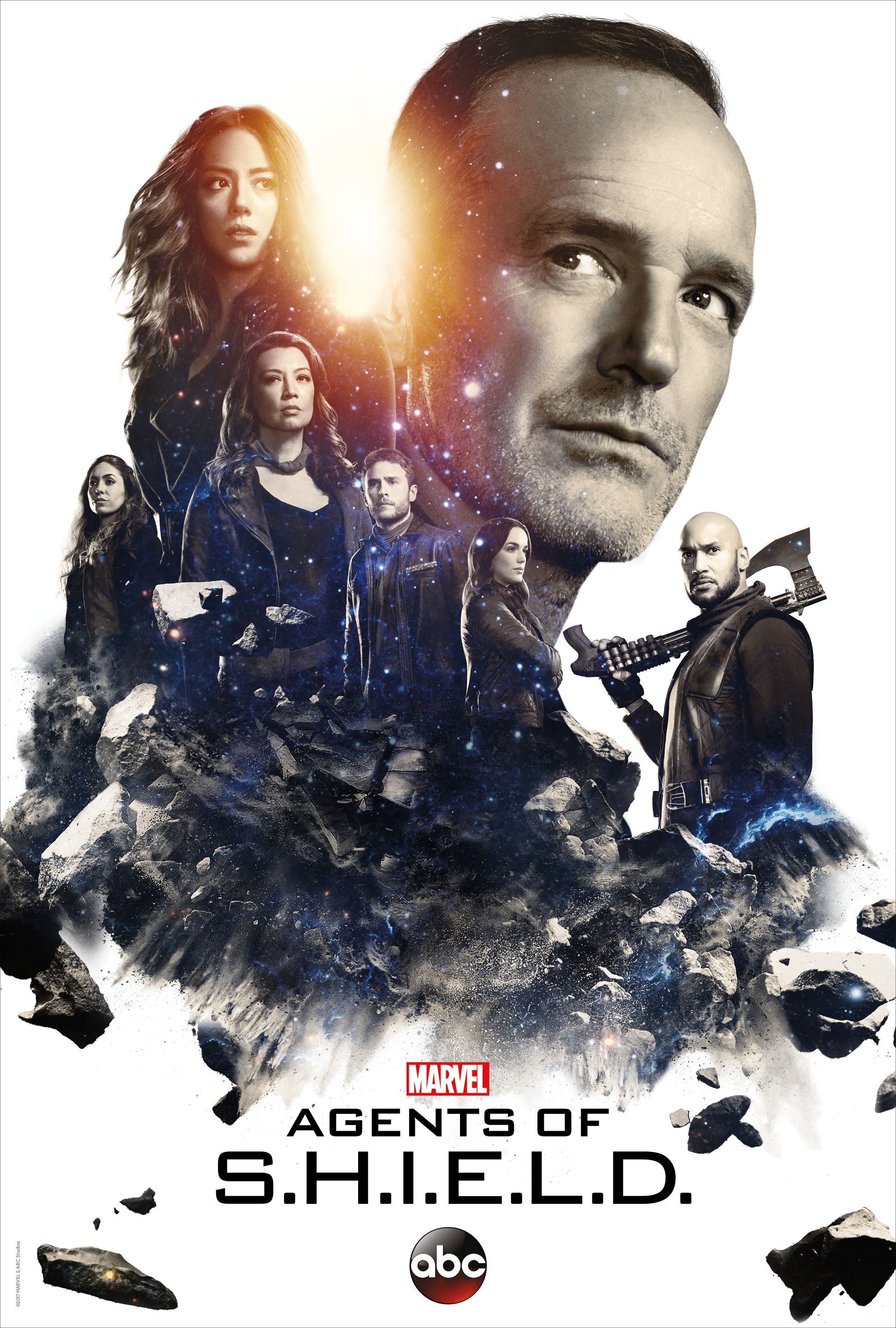
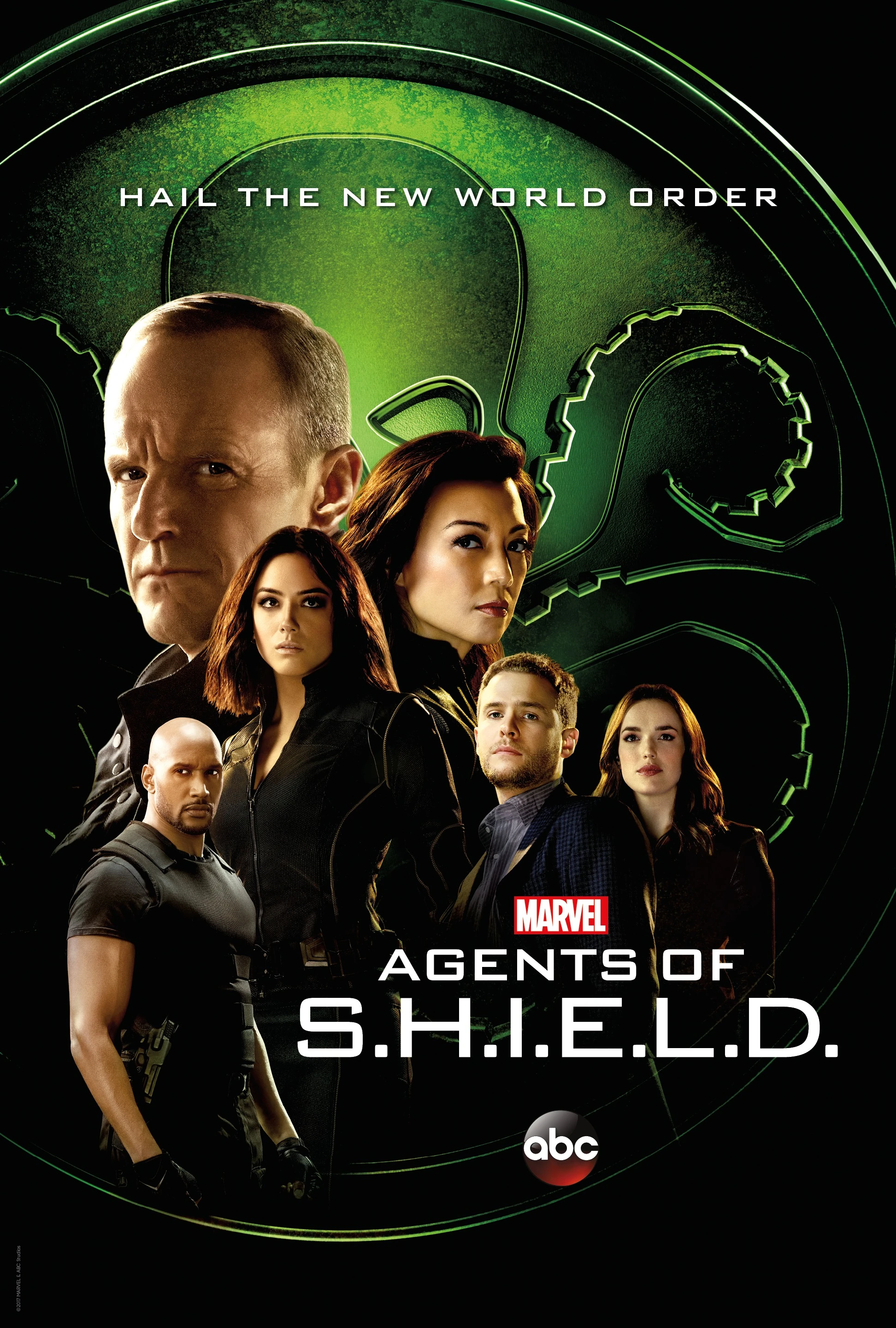
Marvel’s Agents of S.H.I.E.L.D. is a live-action television series that serves as an expansion of the Marvel Cinematic Universe (MCU), focusing on the Strategic Homeland Intervention, Enforcement, and Logistics Division. Running for seven seasons between 2013 and 2020, the series chronicles the operations of Phil Coulson and his team as they navigate extraterrestrial threats, advanced technology, and internal political crises.
Understanding the Scope of the Organization
The series operates under the premise that S.H.I.E.L.D. is a peacekeeping and intelligence agency tasked with protecting humanity from extraordinary threats. Initially introduced in the films as a well-funded, global organization, the television series explores the human element of these operations. The narrative arc begins shortly after the events of the 2012 film The Avengers, establishing Phil Coulson—who miraculously survived a fatal injury—as the director of a clandestine cell.
Unlike the super-powered protagonists found in feature films, the characters in Agents of S.H.I.E.L.D. are predominantly human. They rely on specialized training, tactical ingenuity, and high-tech weaponry rather than innate superhuman abilities. This creates a grounded perspective on the broader MCU, illustrating how intelligence agencies grapple with the aftermath of large-scale superhero conflicts, alien invasions, and the proliferation of advanced weaponry.
Character Dynamics and Team Evolution
The core strength of the series lies in its ensemble cast, which evolves significantly throughout the seven-season run. The team typically operates out of a high-tech mobile base, most notably the Bus and later the Zephyr One. This mobile headquarters allows the narrative to shift across various global locations, emphasizing the organization’s reach.
- Phil Coulson: The team’s leader, whose leadership style balances rigorous tactical execution with a personal commitment to his agents.
- Melinda May: An expert combatant and pilot, often serving as the emotional anchor and tactical backbone of the team.
- Daisy Johnson: Initially introduced as a computer hacker, her journey toward understanding her origins as an Inhuman drives a significant portion of the series' mid-game narrative.
- Leo Fitz and Jemma Simmons: As the team’s lead science and engineering officers, they provide the technical solutions required to overcome the unconventional threats the group encounters.
The chemistry between these characters is tested by the shifting landscape of the organization. Because S.H.I.E.L.D. faces frequent reorganization, betrayal, and total collapse (notably during the events of Captain America: The Winter Soldier), the team must constantly redefine its loyalty to the agency versus their loyalty to one another.
Technical Milestones and Narrative Arcs
The series is structured into distinct arcs that often mirror or react to the larger events of the Marvel cinematic timeline. By 2014, the show shifted its tone to address the exposure of HYDRA—a rogue faction that had infiltrated S.H.I.E.L.D.—leading to a long-term struggle for the organization's legitimacy and resources.
A notable technical aspect of the show's later seasons is the introduction of Inhumans, a race of super-powered beings that emerged after the release of Terrigen Mist into the Earth's atmosphere. This narrative device allowed the show to explore themes of social stigma, genetic evolution, and government regulation of superhuman individuals. The integration of time travel and alternate realities in the final seasons further expanded the show’s scope, pushing the team into scenarios that required them to rewrite history to prevent global extinction.
Comparison of Agency Capabilities
To understand the nature of the show, it is helpful to compare the team’s operational capacity against traditional cinematic iterations of S.H.I.E.L.D.
| Feature | Early Series (S1-S2) | Late Series (S5-S7) |
|---|---|---|
| Operational Status | Official Agency Branch | Underground / Fugitive |
| Primary Base | The Bus (C-17) | Zephyr One (Custom VTOL) |
| Main Adversary | HYDRA Cells | Chronicoms / Temporal Threats |
| Strategic Focus | Containment & Secrecy | Time Preservation & Survival |
| Available Tech | Standard Gadgetry | Advanced Alien/Time-Tech |
The transition from an officially sanctioned agency to a rogue unit fundamentally changed how the characters accessed equipment and intelligence. As the agency was dismantled by government oversight committees, the team shifted from using standard-issue military hardware to retrofitting scavenged alien technology and prototype gear developed by Fitz and Simmons.
Requirements for Viewing and Continuity
For viewers looking to engage with Agents of S.H.I.E.L.D. in 2026, the series remains accessible through various digital streaming platforms. While the show was designed to stand on its own, it functions best when viewed with a basic understanding of the MCU’s Phase 1 and 2 films.
- Prerequisites: A foundational understanding of the events in The Avengers (2012) is necessary to understand Coulson’s status.
- Key Transitions: The shift in Season 2 caused by the film Captain America: The Winter Soldier is essential; without this knowledge, the sudden change in the agency’s hierarchy and the collapse of its infrastructure will appear disjointed.
- Pacing: The first half of Season 1 is primarily episodic. It serves as an introduction to the world-building, while the second half of the series pivots toward serialized, high-stakes storytelling.
Troubleshooting Common Narrative Confusions
New viewers frequently ask about the continuity between the show and the films. While the series was developed to exist within the MCU, it eventually adopts a divergent timeline approach.
- The "Missing" Heroes: Viewers often ask why the Avengers never intervene in the crises depicted in the show. Within the context of the series, this is addressed by the clandestine nature of the threats. Because S.H.I.E.L.D. operates in the shadows, they often deal with localized, high-risk incidents that do not necessitate the intervention of the Avengers, or they are actively prohibited from involving them due to political fallout.
- Temporal Inconsistency: By the final season, the show explicitly explores multiple timelines. If you find the plot involving time travel confusing, remember that the characters are intentionally disrupting causal loops to preserve their own version of reality.
Frequently Asked Questions
Is Agents of S.H.I.E.L.D. still considered canon to the main MCU?
The status of the show’s canon remains a topic of frequent debate within fan communities. While it was marketed as a direct extension of the film universe during its original run, later developments in the multiverse-focused films have introduced complexities that suggest the show may occupy a parallel timeline or an alternate reality within the broader Marvel tapestry.
Do I need to watch the movies to enjoy the series?
You do not strictly need to watch every film, but it is highly recommended to watch The Avengers and Captain America: The Winter Soldier. The plot points in these two films serve as the structural pillars for the most significant changes in the show’s organizational and character arcs.
How does the quality of the show progress over time?
Most critical and audience reception metrics suggest that the series undergoes a significant qualitative leap around the middle of the first season. The writing becomes increasingly serialized, the character development gains more depth, and the special effects budget is utilized more efficiently to handle complex alien environments and combat sequences.
Can I skip the earlier, episodic seasons?
Skipping the early episodes is generally discouraged. Even though the first half of the first season is episodic, these episodes introduce the interpersonal relationships and scientific foundations that become critical later. The emotional payoff of the later seasons relies heavily on the character arcs established during the initial "case-of-the-week" format.
Recommended Approach for New Viewers
If you are planning to commit to the series, prioritize a chronological viewing order. Start with the pilot and allow the story to build. The series rewards patient viewers who track the small, seemingly insignificant details in the early episodes, as many of these elements return as major plot drivers in the final season. If you find the procedural nature of the first half of Season 1 slow, maintain interest by focusing on the development of the relationships between Fitz, Simmons, and the rest of the team; these dynamics form the heart of the series through its conclusion.