The agent role defines the specific responsibilities, authorities, and functional boundaries assigned to an individual or automated system acting on behalf of a principal. It serves as the bridge between strategic intent and operational execution, ensuring that actions taken are legally binding, technically accurate, or procedurally compliant within a defined organizational or systemic framework.
Defining the Agent Role Across Disciplines
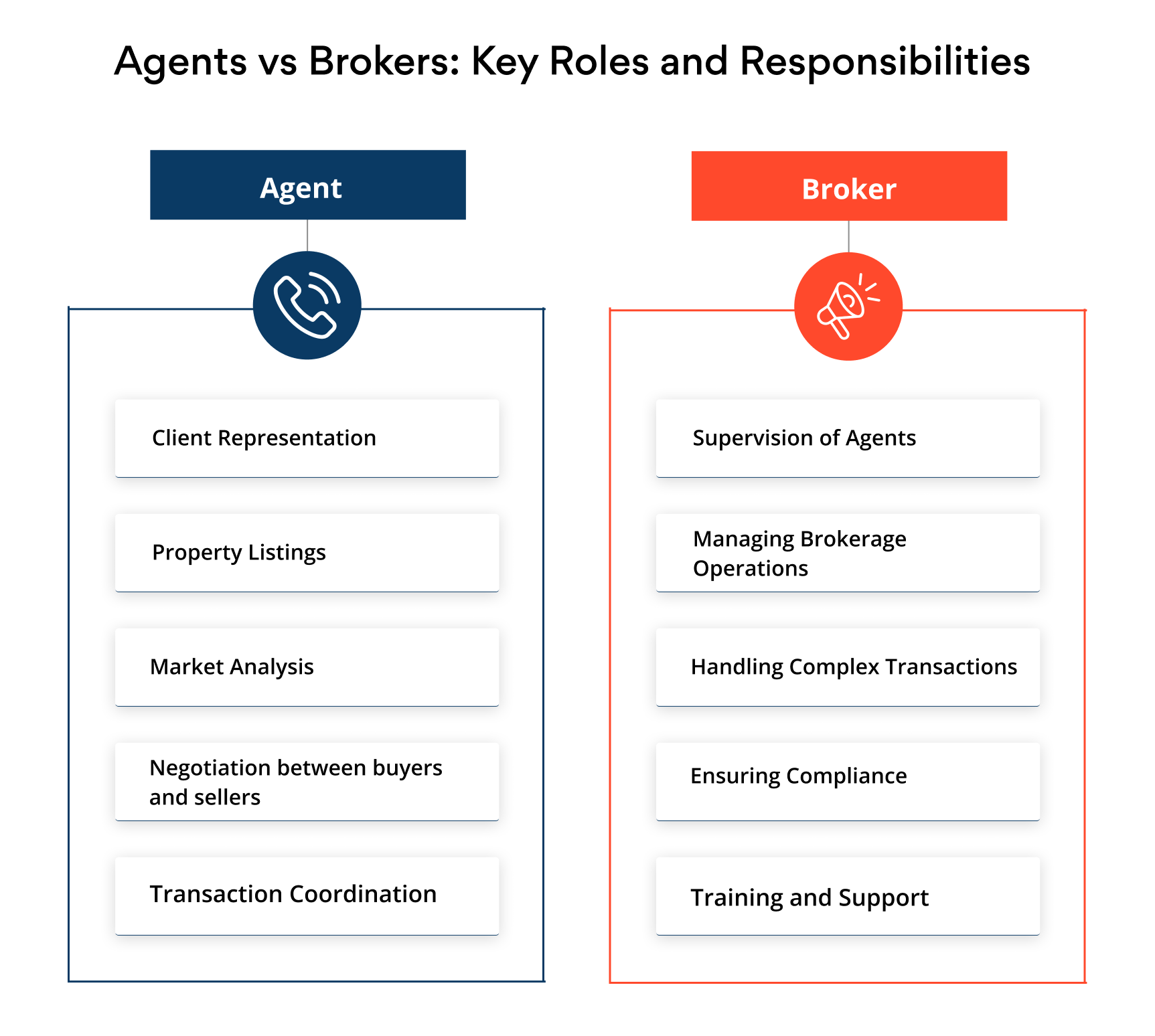
The term "agent role" is frequently applied in two distinct environments: human-centric business operations and artificial intelligence (AI) systems. In business, an agent is a party authorized to act on behalf of another, known as the principal, to create legal relationships with third parties. This is the cornerstone of agency law, where the agent’s actions—if performed within the scope of their authority—bind the principal to contracts or liabilities.
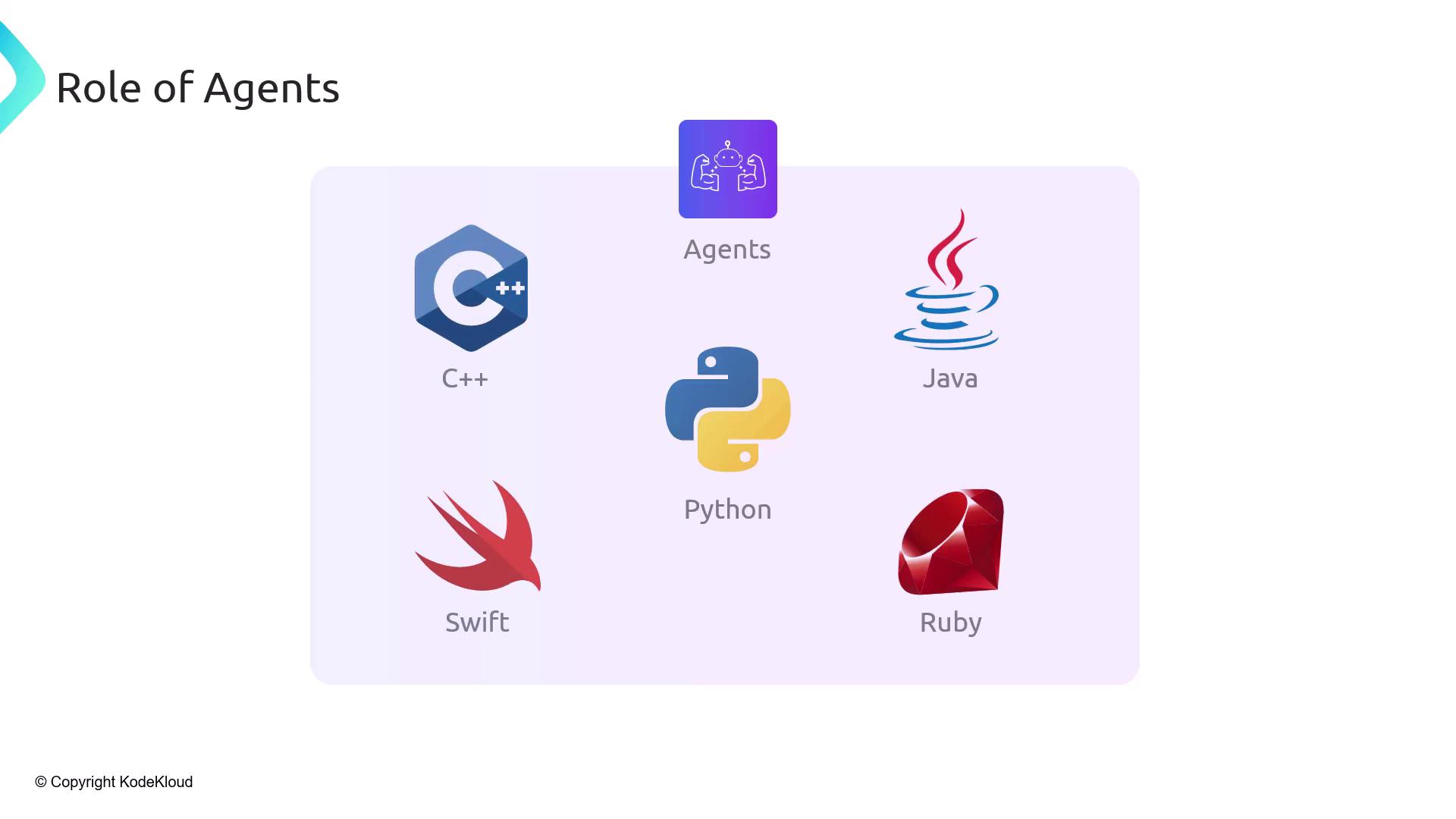
In the context of 2026 technological infrastructures, the agent role has evolved to include autonomous software entities. These AI agents are programmed to perform tasks, make decisions, and interact with other systems without continuous human intervention. While the implementation differs, the fundamental principle remains the same: the agent operates under a specific set of rules (the principal’s intent) to achieve a desired outcome within a governed environment.
The Dynamics of Agency in Business Operations
In legal and commercial settings, the agent role is governed by the scope of authority granted by the principal. This authority can be express (specifically stated in a contract), implied (necessary to fulfill express duties), or apparent (what a third party reasonably believes the agent has).
When an individual takes on an agent role in a professional capacity, they assume a fiduciary duty. This means the agent must prioritize the principal’s interests above their own. Common examples include real estate agents representing sellers, power-of-attorney holders managing financial affairs, and corporate officers executing contracts for their companies. Failure to operate within this role can result in a breach of duty, potentially rendering transactions void or exposing the agent to personal liability.
AI and Autonomous System Agent Roles
The proliferation of AI-driven tools in 2026 has brought the "agent role" to the forefront of software development. In this context, an agent is an autonomous piece of code designed to pursue goals. These agents are often categorized by their complexity and the environment they navigate:
- Task-Specific Agents: Designed for narrow, repetitive actions, such as data retrieval or automated scheduling.
- Cognitive Agents: Capable of reasoning, learning from input, and adjusting their strategy to achieve a high-level goal defined by the user.
- Multi-Agent Systems: Environments where multiple specialized agents collaborate, each fulfilling a distinct role to solve complex, multi-layered problems.
Unlike human agents, software agents are bounded by the "capabilities" and "permissions" set by developers. An agent role here is defined by the access it has to external APIs, databases, or computing resources. Proper configuration of these roles is critical to prevent system errors or unintended resource consumption.
Key Differences: Human vs. Software Agents
Understanding the distinction between human and digital agents is essential for operational management. The following table highlights the core differences in execution and governance.
| Feature | Human Agent | Software/AI Agent |
|---|---|---|
| Governance | Legal statutes and contracts | Code, permissions, and guardrails |
| Primary Driver | Fiduciary duty and incentives | Programmed goals and data input |
| Error Handling | Subjective judgment and training | Pre-defined error protocols and logs |
| Liability | Personal and professional | Developer/Operator responsibility |
| Scalability | Limited by physical capacity | High, dependent on compute resources |
Requirements for Effective Delegation
Regardless of whether the agent is a person or an automated system, the success of the agent role depends on the clarity of the delegation. Organizations and individuals must follow a structured approach to defining these roles to ensure efficacy and mitigate risk.
First, define the scope of authority. An agent should never be left to guess their limits. For humans, this involves clear contractual language or job descriptions. For software, this involves "role-based access control" (RBAC) and strict API limits. Without clearly defined boundaries, the agent may overstep, leading to compliance failures or security vulnerabilities.
Second, establish verification mechanisms. An agent must operate within a feedback loop. Humans require performance reviews and audits, while automated agents require monitoring of logs and "hallucination" checks in generative models. These mechanisms ensure that the output of the agent remains aligned with the original objective.
Third, implement safety protocols. There must be a "kill switch" or "termination clause." If an agent acts outside its bounds, the ability to halt its actions immediately is a foundational requirement. In digital systems, this often involves disconnecting the agent from the network or revoking its credentials.
Troubleshooting Common Agency Issues
When an agent fails to perform, the issue usually stems from either a lack of clarity or a systemic disconnect.
- Ambiguous Instructions: If an agent is not performing as expected, review the initial prompt or contract. Agents (human or digital) are only as effective as the instructions they receive. If the goals are vague, the execution will be inconsistent.
- Resource Constraints: In software, an agent may be denied access to a critical dataset or API. In business, a human agent may lack the budget or administrative support to close a deal. Ensure the agent has the tools required to fulfill the role.
- Alignment Drift: Over time, an agent’s actions may deviate from the principal’s needs. This is common in long-term projects. Periodically recalibrate the agent’s goals to ensure they still reflect current priorities.
Frequently Asked Questions
What determines the scope of an agent role in a legal contract?
The scope is primarily determined by the express authority granted in the agreement between the principal and the agent. This documentation outlines exactly which actions the agent is permitted to perform and the limitations of their power, effectively shielding the principal from unauthorized acts.
How do I define the agent role for an AI system?
Defining an AI agent role involves setting specific system prompts, defining tool-use permissions (the software equivalent of authority), and establishing memory constraints. You should explicitly list what the agent is authorized to access and what actions are strictly forbidden to prevent unintended outcomes.
Can an agent be held liable for their actions?
Yes, a human agent can be held personally liable if they act outside the scope of their authority or if they engage in fraudulent or negligent behavior. For AI agents, liability typically rests with the developer or the operator who deployed the system, depending on the terms of use and local technological regulations.
What is the most critical component of an effective agent role?
The most critical component is "Accountability." Whether the agent is a human or an automated system, there must be a mechanism to audit their actions and ensure they remain strictly within the boundaries set by the principal or user.
Why do multi-agent systems use specialized roles?
Multi-agent systems utilize specialization to improve efficiency and reduce error rates. By assigning a narrow role to each agent—such as a "Planner," "Researcher," and "Executor"—the system can handle complex tasks in parallel without the performance degradation associated with a single, overly generalized model.
Next Actions: Managing Your Agency Infrastructure
To optimize the agent roles within your sphere of operations, begin by auditing your current delegations. If you utilize human staff, review their core contracts to ensure authority levels match their current responsibilities. If you utilize digital agents, conduct a permission audit to ensure each bot has only the "least privilege" access required to complete its tasks. By centralizing these definitions, you ensure that every agent—human or digital—acts as a force multiplier for your objectives rather than a source of operational risk.