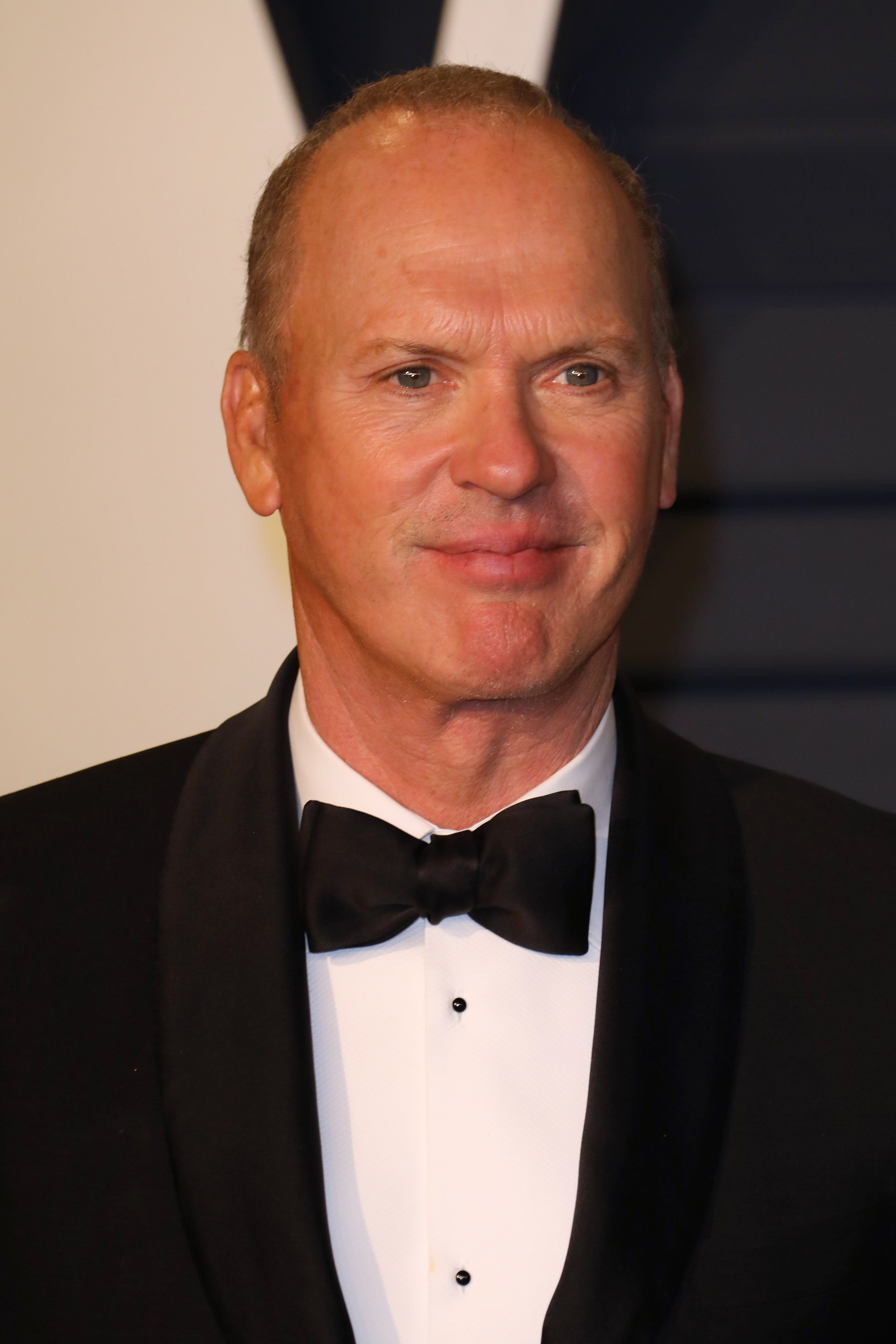
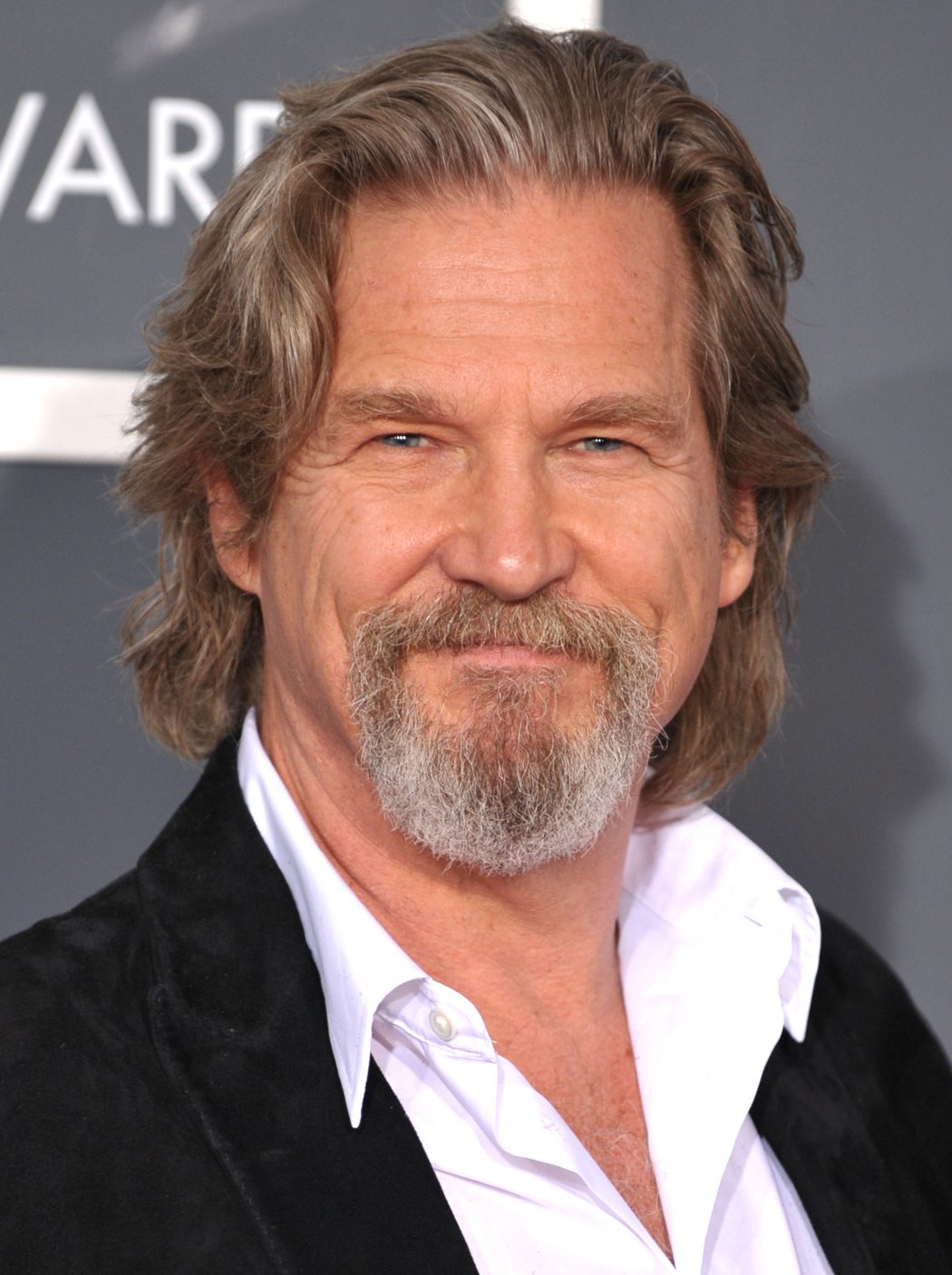
Ageless legends in cinema who continue to command the screen past the age of 60 redefine modern stardom by blending decades of technical mastery with enduring physical and emotional presence. These iconic actors prove that longevity in the film industry requires far more than youthful aesthetics; it demands continuous artistic reinvention, rigorous character adaptation, and a deep understanding of how to project authority and vulnerability across changing generations of storytelling.
The evolution of film and television has fundamentally shifted how mature performers are perceived, written about, and cast in leading roles. Rather than stepping into obligatory parental or background roles as they cross their sixth decade, many iconic actors over 60 actively shape multi-million-dollar franchises, anchor prestige television dramas, and helm independent features that demand profound psychological depth. This dynamic longevity celebrates not just individual career milestones, but a cultural appreciation for actors who have refined their craft over forty or fifty years in the public eye. Understanding what makes these performers enduring cultural fixtures requires examining their professional trajectory, technical discipline, audience connection, and the changing industry economics that support mature talent.
The Evolution of Longevity in Modern Cinema
Historically, Hollywood and international film markets operated under strict demographic assumptions that favored youthful leads, particularly for action, romance, and high-stakes drama. Over the past three decades, however, demographic shifts in global audiences and the explosion of prestige streaming platforms have dismantled these rigid boundaries. Actors over 60 now represent some of the most reliable box-office draws and critical anchors in the entertainment ecosystem.
This shift is not merely accidental; it reflects a maturation of global audiences who value authenticity, historical resonance, and complex character development over superficial gloss. Performers who entered the industry during the New Hollywood era of the 1970s or the commercial boom of the 1980s have spent their entire lives refining their techniques under the watchful eye of critics and film historians. When these actors reach their sixties, seventies, and beyond, they bring a lived-in authenticity that younger performers simply cannot replicate. Their faces carry the weight of real human experience, making dramatic conflicts far more resonant for viewers navigating similar life stages.
Furthermore, the rise of serialized television and cinematic universes has created an appetite for long-form character arcs. Studios realize that mature actors possess the stamina, discipline, and emotional range necessary to carry complex narratives across multiple seasons or franchise installments. This structural change in media production ensures that entering one's sixties is no longer a professional twilight, but frequently the apex of artistic authority.
Technical Mastery and the Craft of Mature Performance
Achieving ageless status in acting requires a rare combination of physical maintenance, emotional intelligence, and technical versatility. As performers age, their instruments—their voices, bodies, and expressive capabilities—change, forcing them to adapt their approach to screen acting.
| Performance Dimension | Early Career Focus | Mature Career Focus (Over 60) |
|---|---|---|
| Physicality | Agility, high-energy stunts, explosive movement | Controlled presence, economy of motion, spatial command |
| Vocal Delivery | Dynamic range, projection, youthful cadence | Resonance, intentional pacing, subtextual weight |
| Characterization | Identity exploration, ambition, romantic lead dynamics | Legacy, moral ambiguity, authority, psychological depth |
| Industry Positioning | Rising star, commercial draw, untested potential | Established auteur collaborator, narrative anchor, mentor |
The table above illustrates how the core pillars of screen performance evolve over a decades-long career. While a younger actor might rely on raw energy and physical dynamism to drive a scene, an iconic actor over 60 masters the art of stillness. In film acting, where the camera registers the smallest micro-expressions, economy of motion becomes a superpower. A raised eyebrow, a deliberate pause, or a subtle shift in posture can convey more narrative information than pages of dialogue.
Moreover, mature actors often possess an advanced understanding of script construction and character psychology. Having worked with dozens of different directors across varying genres, they can anticipate narrative beats, collaborate effectively with filmmakers, and elevate the material they are given. This level of professional craftsmanship reduces production friction and makes these actors invaluable assets on any set.
Cultural Impact and Audience Connection
The celebration of ageless legends extends far beyond trade publications and award ceremonies; it taps into a profound psychological need for continuity and cultural memory. Iconic actors serve as living archives of popular culture. When audiences watch a performer who has been a fixture of global cinema for forty years, they are not just watching a character; they are engaging with a shared cultural history.
This connection creates a powerful intergenerational appeal. Younger viewers discover classic works through streaming algorithms and theatrical revivals, while older audiences track the continuous evolution of actors they grew up watching. This dual-market appeal makes mature stars uniquely valuable to studios looking to bridge generational divides in their viewing demographics.
Additionally, the visibility of vibrant, working actors over 60 challenges persistent societal agism. By portraying complex, desirable, powerful, and vulnerable characters well past retirement age, these performers redefine what later life looks like in contemporary culture. They demonstrate that vitality, creativity, and professional ambition do not expire at a specific calendar year.
Economic Viability and Franchise Leadership
In the modern media landscape, economic realities heavily influence casting decisions. Intellectual property (IP) and recognizable talent drive financing for both blockbuster films and independent projects. Iconic actors over 60 sit at the intersection of proven commercial appeal and high artistic credibility.
Studios have learned that legacy actors can anchor major cinematic franchises either as returning heroes or formidable antagonists. Their involvement guarantees media coverage, appeals to loyal fan bases, and provides an immediate gravity to high-concept storytelling. At the same time, these actors frequently leverage their status to support independent cinema, taking smaller salaries to work with visionary directors on challenging, character-driven projects that might otherwise struggle to find funding.
This economic flexibility allows mature actors to maintain high-volume, diverse career portfolios. They alternate between commercial blockbusters that satisfy global distribution requirements and intimate indie dramas that push artistic boundaries. This balance ensures their continued relevance across different sectors of the entertainment industry.
Frequently Asked Questions
What defines an iconic actor in the context of modern cinema?
An iconic actor combines sustained box-office or critical success over multiple decades with a distinct screen persona that influences popular culture. In the modern era, this status requires the ability to adapt to changing distribution models, technological advancements in filmmaking, and evolving audience expectations while maintaining a high standard of artistic craftsmanship.
How has the streaming era changed career longevity for actors over 60?
Streaming platforms have created an unprecedented demand for original, prestige content targeted at adult demographics. This shift has resulted in a proliferation of complex, multi-layered leading and supporting roles for mature actors, bypassing the traditional theatrical gatekeeping that historically sidelined performers past a certain age.
Do actors over 60 still perform their own stunts in action films?
While high-intensity stunt work is typically handled by professional stunt doubles for safety and insurance reasons, many mature actors maintain rigorous physical fitness regimens to perform close-up action sequences, martial arts choreography, and demanding physical movements themselves, preserving realism on screen.
How do casting directors select mature actors for complex character roles?
Casting directors evaluate a performer's historical body of work, current physical and vocal readiness, adaptability to various directing styles, and their proven ability to draw specific demographic segments to theaters or streaming platforms. Chemistry reads and director alignment also play critical roles in the selection process.
What is the economic impact of featuring established legacy actors in major franchises?
Legacy actors provide guaranteed brand recognition, attract multi-generational audiences, and reduce financial risk for studios investing in expensive intellectual property. Their participation often drives international marketing campaigns and secures pre-sales in global distribution markets.
Sustaining the Art of Screen Legacy
For aspiring filmmakers, industry analysts, and devoted film enthusiasts, studying the careers of ageless legends offers a masterclass in professional endurance. Appreciating these icons involves looking past the red carpet glamour to examine the discipline, risk management, and artistic curiosity that keep performers relevant across changing eras. To fully engage with this cinematic phenomenon, viewers should actively seek out the diverse independent projects and late-career masterworks of veteran actors, supporting the continued production of character-driven cinema that values depth over fleeting youth.