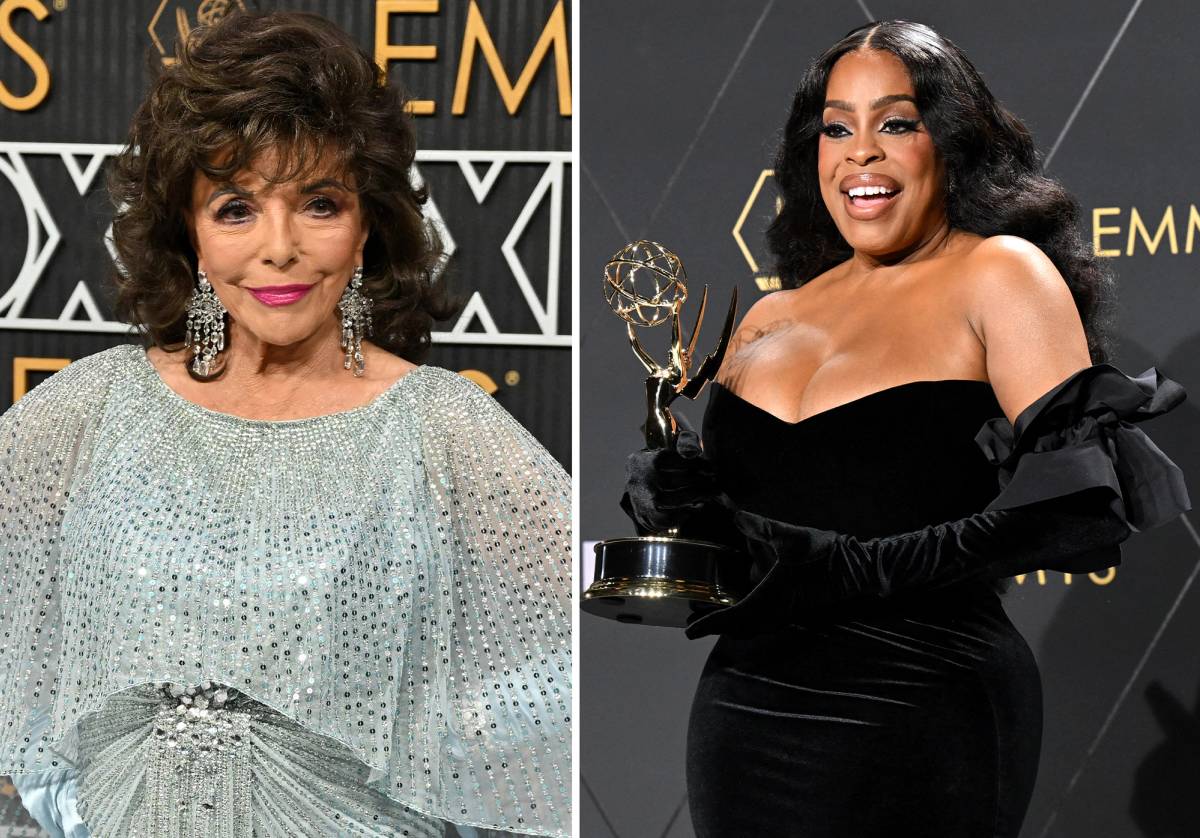
The enduring prominence of white actresses over 50 in contemporary film and television challenges outdated industry tropes, highlighting an era defined by critical acclaim, nuanced character work, and sustained box-office viability. As the entertainment landscape gradually expands its demographic horizons, veteran performers are redefining mature womanhood on screen, proving that artistic vitality deepens rather than diminishes with time.
The phenomenon of ageless grace in modern entertainment reflects a significant shift in how mature women are written, cast, and received by global audiences. Historically, Hollywood and European film industries relegated actresses past their fourth decade to restrictive archetypes—often typecast as maternal figures, secondary villains, or dismissible romantic interests. Today, a cadre of acclaimed performers over 50 commands complex leading roles that center on professional ambition, psychological complexity, and authentic emotional arcs. This evolution is not merely a cultural courtesy; it responds to an engaged demographic of viewers who demand representative storytelling and refuse to watch mature talent pushed to the margins of narrative development.
The Evolution of Mature Female Roles in Contemporary Media
The transition from ornamental casting to substantive character development for women over 50 represents a watershed moment in screen history. For decades, studio executives operated under the commercial assumption that younger demographics dictated box-office success. However, shifts in streaming analytics and global theatrical data have revealed that audiences consistently reward sophisticated, character-driven storytelling anchored by experienced talent.
Actresses navigating this phase of their careers benefit from an industry climate that increasingly values accumulated craft over ephemeral youth. Rather than accepting fading visibility, performers in their fifties, sixties, and beyond are leveraging their production companies, exercising creative control, and demanding scripts that reflect the realities of mature life. This shift has dismantled the traditional cliff edge that once abruptly terminated prominent acting careers, replacing it with a sustainable, multi-decade trajectory of artistic reinvention.
Defining Excellence: Examining the Impact of Established Performers
A rigorous examination of veteran white actresses thriving in contemporary media reveals a diverse spectrum of artistic approaches. Performers such as Cate Blanchett, Nicole Kidman, Julianne Moore, Laura Linney, and Meryl Streep continue to dominate prestige television and independent cinema. Their ongoing presence demonstrates that critical acclaim and commercial viability are not mutually exclusive for women over 50.
These artists bring a distinct technical mastery to their roles. Years of navigating varied theatrical, cinematic, and television environments yield an economy of expression that younger performers rarely match. Whether portraying morally ambiguous executives, historical figures navigating systemic oppression, or complex mothers grappling with fractured domestic lives, these actresses utilize subtle physical choices and precise vocal delivery to communicate profound psychological depth.
| Actress | Notable Recent Projects | Primary Character Archetype | Critical Recognition |
|---|---|---|---|
| Cate Blanchett | Tár, Disclaimer | Complex, compromised authority figures | Multiple Academy Award nominations and wins |
| Nicole Kidman | Big Little Lies, The Perfect Couple | Wealthy women harboring dark domestic secrets | Primetime Emmy and Golden Globe recognition |
| Julianne Moore | May December, The Room Next Door | Intellectually rigorous, emotionally intricate women | Academy Award and international festival honors |
| Laura Linney | Ozark, The Big C | Pragmatic survivors navigating ethical gray areas | Multiple Emmy and Golden Globe awards |
Challenging Ageism Through Production and Creative Control
A critical driver behind the sustained visibility of actresses over 50 is the proliferation of artist-led production companies. Recognizing that traditional studio pipelines often overlook nuanced material for mature women, many prominent performers established their own production banners. By securing intellectual property rights, developing targeted television series, and hiring visionary independent directors, these women have taken direct command of their career trajectories.
This entrepreneurial approach bypasses conventional gatekeeping mechanisms. When performers have a stake in the development process, the resulting narratives avoid the tired clichés of decline and obsolescence. Instead, these projects explore themes of reinvention, political maneuvering, professional rivalry, and late-in-life romance with honesty and dry wit. The commercial success of these ventures has forced risk-averse studio executives to reconsider the economic potential of older female demographics, both in front of and behind the camera.
Cultural Reception, Fandom, and Global Audiences
The celebration of mature actresses extends far beyond industry awards ceremonies, resonating deeply within global fan communities. Social media platforms, digital film archives, and specialized cinematic publications frequently analyze the filmographies of these enduring talents, fostering cross-generational dialogues about style, endurance, and artistic integrity.
Audiences today value authenticity over manufactured perfection. When actresses over 50 embrace natural aging on screen—resisting pressure for excessive cosmetic alteration or accepting roles that require unglamorous physical vulnerability—they offer a powerful counter-narrative to unrealistic beauty standards. This transparency builds profound loyalty among viewers who see their own lived experiences validated in high-profile media narratives.
Frequently Asked Questions About Mature Actresses in Modern Media
Why has the visibility of actresses over 50 increased in recent years?
The rise of streaming platforms has decentralized content creation, allowing studios to target niche demographics that value complex, character-driven narratives. Additionally, veteran actresses utilizing production companies to develop their own material have bypassed traditional casting limitations.
How do modern casting practices differ for women over 50 compared to past decades?
Historically, older actresses faced a sharp decline in lead role offers, often relegated to brief supporting parts. Contemporary casting increasingly favors mature performers for complex, flawed protagonists in prestige television and independent cinema, driven by proven audience demand.
What role do production companies run by women play in this shift?
Artist-owned production houses allow established performers to acquire source material, hire diverse creative teams, and greenlight projects that center on the interior lives, careers, and relationships of mature women without studio interference.
How do global audiences influence the career longevity of veteran actresses?
International box-office data and high streaming completion rates demonstrate that global viewers reward sophisticated storytelling over youth-oriented gimmicks. This sustained financial support incentivizes producers to cast experienced talent in leading roles.
Sustaining the Momentum of Mature Representation
To ensure that the celebration of ageless grace remains a permanent fixture of the entertainment industry rather than a temporary trend, continued audience support for diverse, mature storytelling is essential. Viewers, critics, and industry professionals must continue to champion projects that prioritize depth over demographic checkboxes. Supporting independent cinema, demanding complex writing for women across all life stages, and celebrating performers who defy industry ageism will solidify a more inclusive, enduring cinematic future.