Age rules represent the standardized legal and administrative frameworks that dictate eligibility for products, services, employment, and protected activities based on an individual’s chronological age. These regulations serve to protect minors from harm, ensure capacity for legal contracts, and manage public safety risks, with requirements varying significantly across jurisdictions and sectors.
The Foundation of Age-Based Eligibility
Age rules are rarely arbitrary; they are usually rooted in the principle of legal capacity. In most jurisdictions, individuals under the age of 18 are considered minors, meaning they lack the full legal standing to enter into binding contracts, provide informed consent for certain medical procedures, or engage in high-risk activities. These rules act as a threshold, transitioning an individual from the protection of guardianship to full personal accountability.
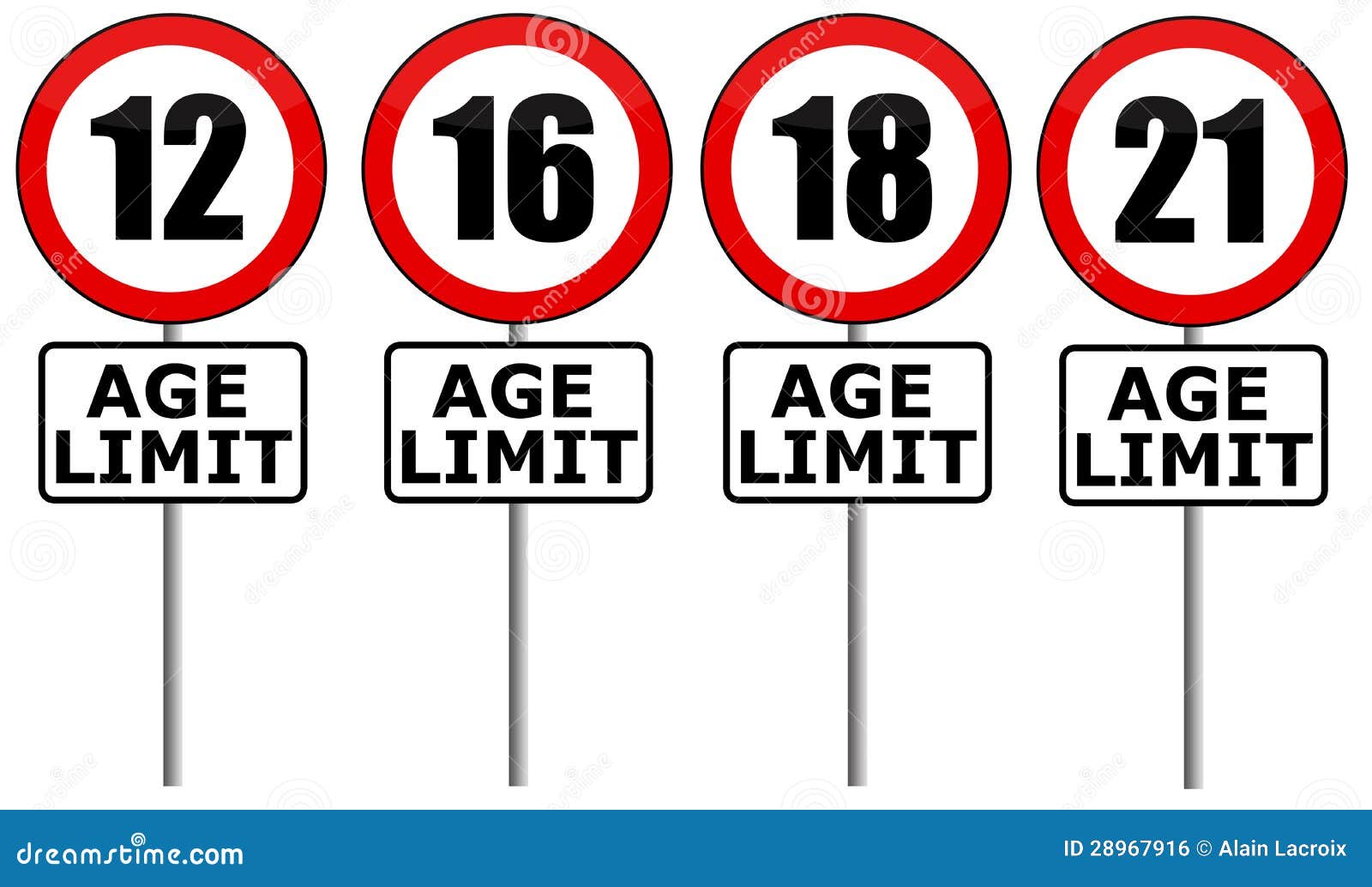
When analyzing age rules, it is essential to distinguish between "age of majority" and "age of consent" or "minimum age for access." While the age of majority—often 18—grants general civil rights, specific services may have higher age thresholds due to health or financial regulations. For instance, while one may be an adult at 18, the purchase of tobacco products or the consumption of alcohol often requires reaching the age of 21 in specific regions, such as the United States, to mitigate public health risks.
Sector-Specific Age Requirements
The application of age rules differs drastically depending on the industry. Regulatory bodies enforce these standards to ensure that service providers remain compliant with local laws and international safety norms.
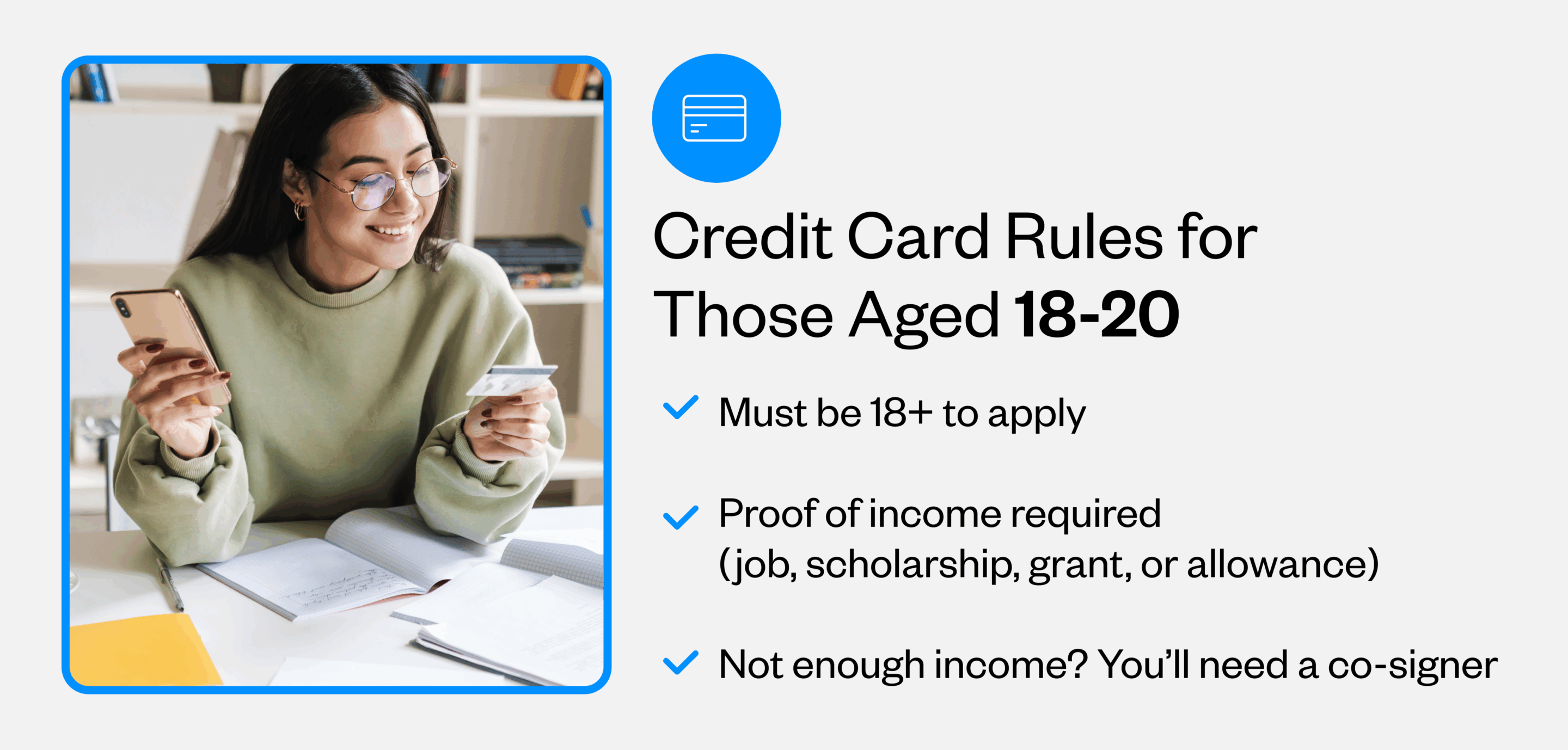
- Financial Services: Opening a standard brokerage or bank account usually requires the account holder to have reached the age of majority. Younger individuals may access these services only through custodial accounts, where a parent or guardian assumes legal liability for the assets.
- Employment and Labor: Child labor laws are strictly governed by age rules that determine both the minimum age for employment and the maximum hours a minor may work. These rules often include "restricted industries" where physical or moral hazards prohibit the employment of individuals under a certain age, commonly 16 or 18.
- Digital and Online Content: With the rise of the internet, age verification has moved into the digital space. Under regulations like the Children’s Online Privacy Protection Act (COPPA) in the United States, online services must implement age gates to prevent data collection from children under 13 without parental consent.
Comparison of Standard Age Thresholds
The following table outlines common activities and the typical age thresholds associated with them. Please note that these are generalized; specific state or national laws take precedence.
| Activity | Typical Minimum Age | Primary Rationale |
|---|---|---|
| Employment (General) | 14–16 | Education protection / Development |
| Financial Contracts | 18 | Legal capacity |
| Tobacco / Vaping | 21 | Public health / Addiction risk |
| Alcohol Purchase | 21 | Public safety / Motor vehicle risk |
| Online Data Sharing | 13 | Digital privacy / Data protection |
| Jury Duty | 18 | Civic responsibility |
Verification Processes and Documentation
Compliance with age rules relies on robust verification mechanisms. Businesses are tasked with preventing "leakage"—situations where underage users gain access to age-restricted services. The verification method chosen depends on the severity of the consequence of non-compliance.
Basic self-attestation, such as a checkbox stating "I am over 18," is increasingly viewed as insufficient for high-stakes environments. Advanced verification now involves document verification, where the user must upload a government-issued identification card (e.g., a driver’s license or passport). These documents are then cross-referenced using biometric facial recognition or database checks against government records to ensure validity.
For physical access, such as entry into a nightclub or a licensed venue, visual inspection remains the standard. However, staff are often trained in "ID checking" protocols to spot fraudulent documents, such as modified birth dates or holographic inconsistencies. In regulated industries like gaming or alcohol retail, the "carding" of any person who appears under a certain age (often 25 or 30) is a standard risk-mitigation strategy.
Navigating Legal Exceptions and Emancipation
Not every individual follows the standard trajectory of age-based legal status. Emancipation is a legal process that allows a minor to assume control over their own life, effectively bypassing many age-rule restrictions. An emancipated minor may enter into contracts, rent property, and manage their own finances before reaching the age of majority.
Conversely, some professions or activities have "maximum" age rules, particularly in high-physical-demand roles like commercial aviation pilots or military service. These are not based on legal capacity but rather on physical performance standards and safety metrics. Understanding these rules is crucial for career planning, as they represent hard limits on professional longevity that cannot be waived through judicial processes.
Troubleshooting Compliance Issues
When an individual is denied access based on an age rule, the issue is typically binary: the individual is either below the threshold or the system has failed to correctly identify their age.
- Check Documentation: If a system rejects a valid ID, ensure the document is not expired. Many digital verification systems strictly enforce expiration dates for security.
- Verify Jurisdiction: Ensure you are viewing the rules for your current legal jurisdiction. Age rules for tobacco or cannabis, for example, can change at the municipal or state level.
- Appeals Process: If you are over the age requirement but have been denied access due to an automated error, contact the organization’s compliance or support department directly. Provide a clear copy of a government-issued photo ID to expedite the correction.
- Review Terms of Service: If an online account was suspended due to age-related suspicions, review the provider’s Terms of Service. They often provide a path for identity verification to reinstate access.
Next Actions for Individuals and Organizations
For organizations, the priority in 2026 is implementing tiered age verification systems that balance user privacy with regulatory necessity. Using "Privacy-Preserving Age Verification" (PPAV) technologies—where a third-party service confirms an individual is over a certain age without sharing the actual birth date or name with the service provider—is the gold standard for modern compliance.
For individuals, the most important step is ensuring that all legal documentation is current and reflects accurate data. If you are entering a new jurisdiction or attempting to access a new class of services, review the provider’s FAQ section regarding their specific age policy. If you believe your rights have been violated due to an age-related decision, verify the specific statute governing that sector before seeking legal counsel. Always remember that age rules are set to protect the integrity of the service and the safety of the individual; when in doubt, prioritize transparency and provide verifiable information.