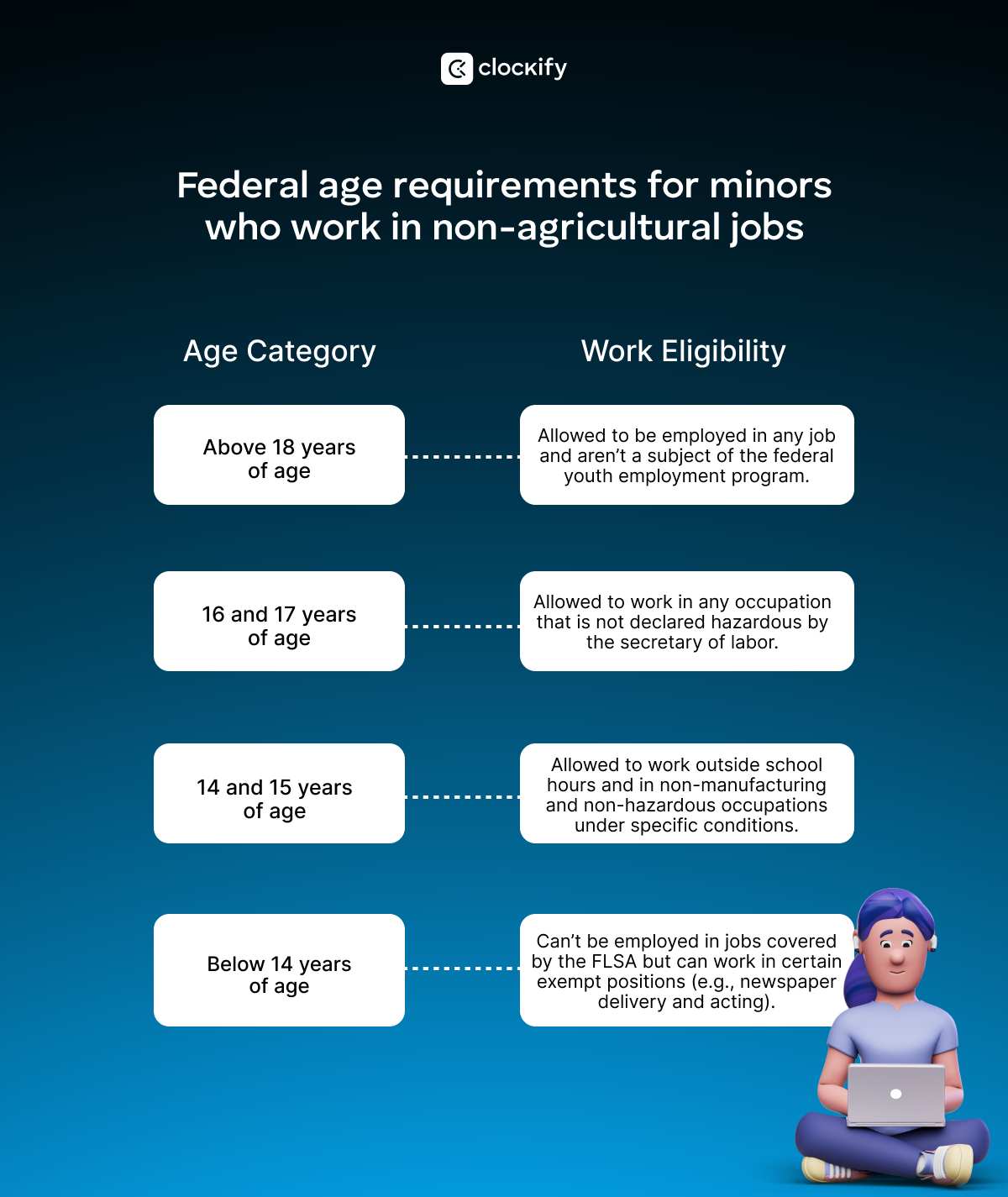
An age requirement is a mandatory threshold established by legal statutes, organizational policies, or service terms to determine an individual's eligibility to participate in activities, access restricted services, or purchase regulated goods. These benchmarks are implemented to ensure safety, legal compliance, and social protection, varying significantly across different jurisdictions and industries.
The Foundation of Age Restrictions
Age requirements are not arbitrary; they are usually rooted in the concepts of legal capacity and public policy. In most legal systems, minors (those under the age of 18) are considered to have limited capacity to enter into binding contracts, understand complex risks, or manage high-level financial obligations. Consequently, institutions—ranging from financial services to digital platforms—enforce age gates to mitigate liability.
Beyond legal capacity, age restrictions serve as a form of social regulation. For instance, the prohibition of tobacco, alcohol, and certain pharmaceuticals is designed to prevent developmental harm. In digital environments, the implementation of the Children’s Online Privacy Protection Act (COPPA) in the United States and the General Data Protection Regulation (GDPR) in the European Union mandates that platforms obtain verifiable parental consent for users under a specific threshold, typically 13 or 16 years old.
Navigating Industry-Specific Benchmarks
The application of age requirements is highly fragmented. A person may be considered an adult for one purpose (e.g., voting at 18) but not for another (e.g., renting a car, which often requires a minimum age of 25 to avoid surcharges or restrictions).
Financial Services and Credit
In the financial sector, age requirements are tethered to the ability to hold a legal contract. Most banks require an individual to be 18 to open a standalone checking or savings account. While custodial accounts exist for minors, the legal responsibility resides with the adult guardian until the minor reaches the age of majority. Credit cards, by definition, require a contractual agreement that a minor cannot legally authorize without a co-signer.
Digital Services and Online Platforms
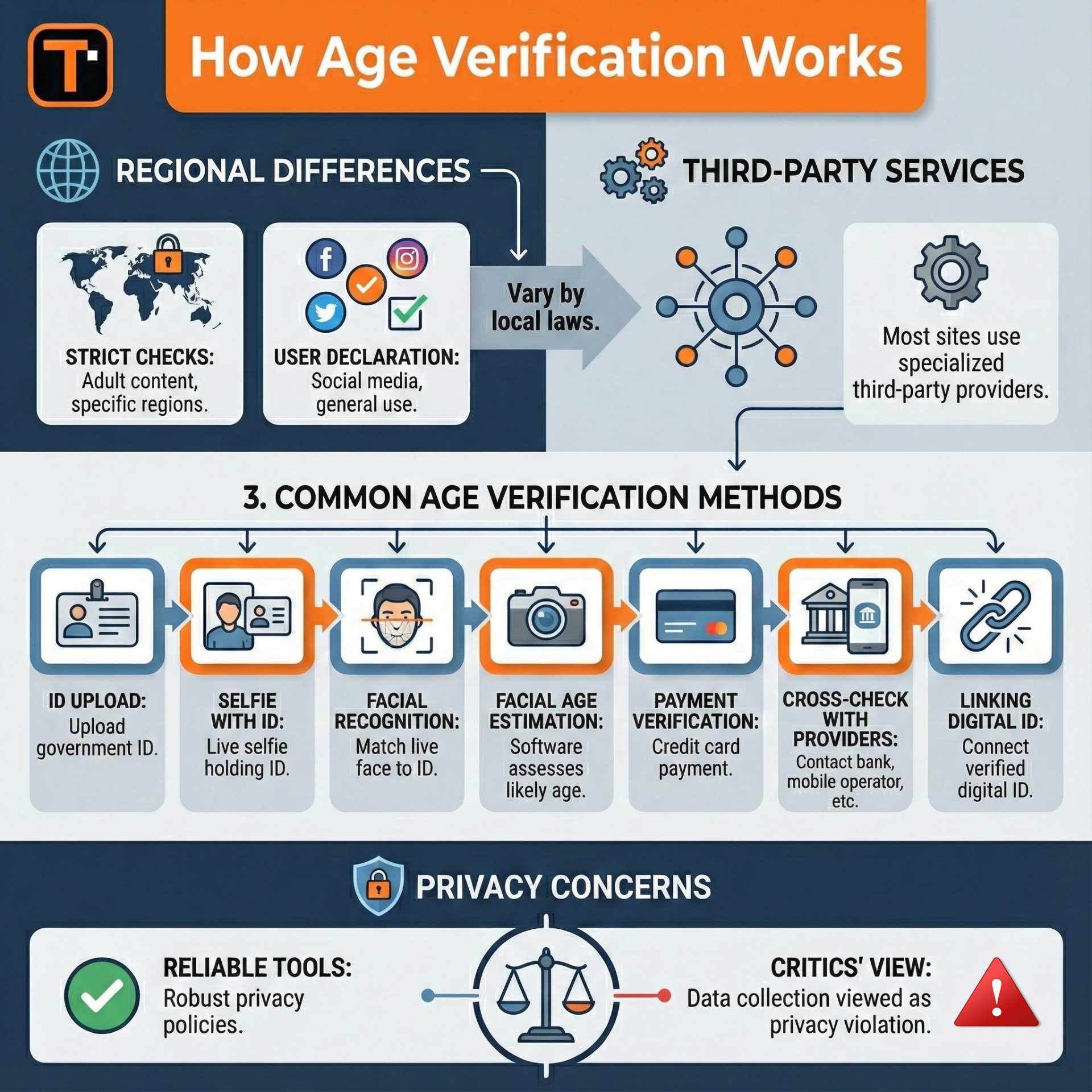
Digital age requirements are often enforced through "age gates"—interactive pop-ups that ask users to declare their birth date. While these are self-reported, many modern platforms integrate identity verification services, such as document scanning or facial age estimation, to comply with increasingly stringent international privacy laws. Users who do not meet these requirements are typically barred from account creation to avoid collecting data on minors.
Professional and Licensing Requirements
Certain professions involve rigid age prerequisites. Pilots, for example, must be at least 17 to obtain a private pilot certificate in the U.S., but must be 23 to hold an Airline Transport Pilot (ATP) certificate. These requirements are not merely administrative; they are based on established safety standards, cognitive maturity, and physical developmental markers necessary for high-stakes decision-making.
Comparative Overview of Common Age Thresholds
The following table summarizes common age-based requirements across various sectors as of 2026. Note that these are generalized; specific jurisdictions (state, provincial, or national) may vary significantly.
| Activity Category | Typical Requirement | Rationale |
|---|---|---|
| Online Social Networks | 13–16 Years | Data privacy and consent laws (COPPA/GDPR) |
| Voting (National) | 18 Years | Legal recognition of citizenship and adult status |
| Credit Card Ownership | 18 Years | Contractual capacity and financial liability |
| Alcohol Purchase (US) | 21 Years | Public health and road safety policy |
| Car Rental | 25 Years | Risk assessment and insurance actuarial data |
| Commercial Aviation | 23 Years | Experience, training, and cognitive maturity |
Verification and Documentation Procedures
When an age requirement is enforced, the entity must have a reliable way to verify the user's date of birth. Common methods include:
- Identity Documentation: Providing government-issued identification (e.g., passport, birth certificate, driver’s license).
- Digital Verification Services: Utilizing third-party identity providers that check public databases or verify document authenticity.
- Parental/Guardian Consent: In cases involving minors, legal guardians must sign digital or physical releases to bypass certain restrictions.
- In-Person Attestation: In retail environments, employees are trained to physically inspect identification for signs of tampering or forgery.
Failure to provide valid documentation when requested results in the immediate denial of access or service. In instances involving high-stakes contracts or regulated substances, attempting to bypass these requirements using fraudulent information can lead to civil or criminal penalties.
Common Misconceptions
One frequent error is assuming that age requirements are universal. A common misconception is that if a person can legally work, they can legally participate in all commercial activities. This is false. A 16-year-old may have a work permit, but they cannot legally sign a lease for an apartment, take out a personal loan, or purchase a lottery ticket.
Another misconception is that digital age gates are "foolproof." While platforms make an effort to verify age, software cannot always distinguish between a user and an impersonator. Because of this, regulators are increasingly shifting the burden of proof to the service providers, requiring more robust identity verification (IDV) technology that goes beyond simple self-reporting.
Troubleshooting Access Issues
If you are denied service based on an age requirement, consider these steps:
- Verify Legal Status: Ensure that your documentation is current and not expired. An expired passport or ID is frequently rejected by automated verification systems.
- Check Jurisdictional Laws: If you believe you meet the age requirement for a service, check if there are localized laws in your specific region that might be stricter than the general policy.
- Contact Customer Support: If an automated system has flagged your account incorrectly, provide valid documentation through an official support channel. Most reputable companies have a process for manual identity review.
- Assess Eligibility for Alternatives: Some services offer "minor-account" alternatives where a parent or guardian manages the activity until the user reaches the required age.
Next Actions for Compliance
If you are an individual navigating age requirements, your first priority is to have valid, readable copies of government-issued identification stored in a secure location. If you are a business owner or administrator looking to implement age requirements for your service, you must first consult with a legal professional to determine the regulatory framework applicable to your specific product and operational region. Ensuring compliance protects your organization from litigation and safeguards your users.