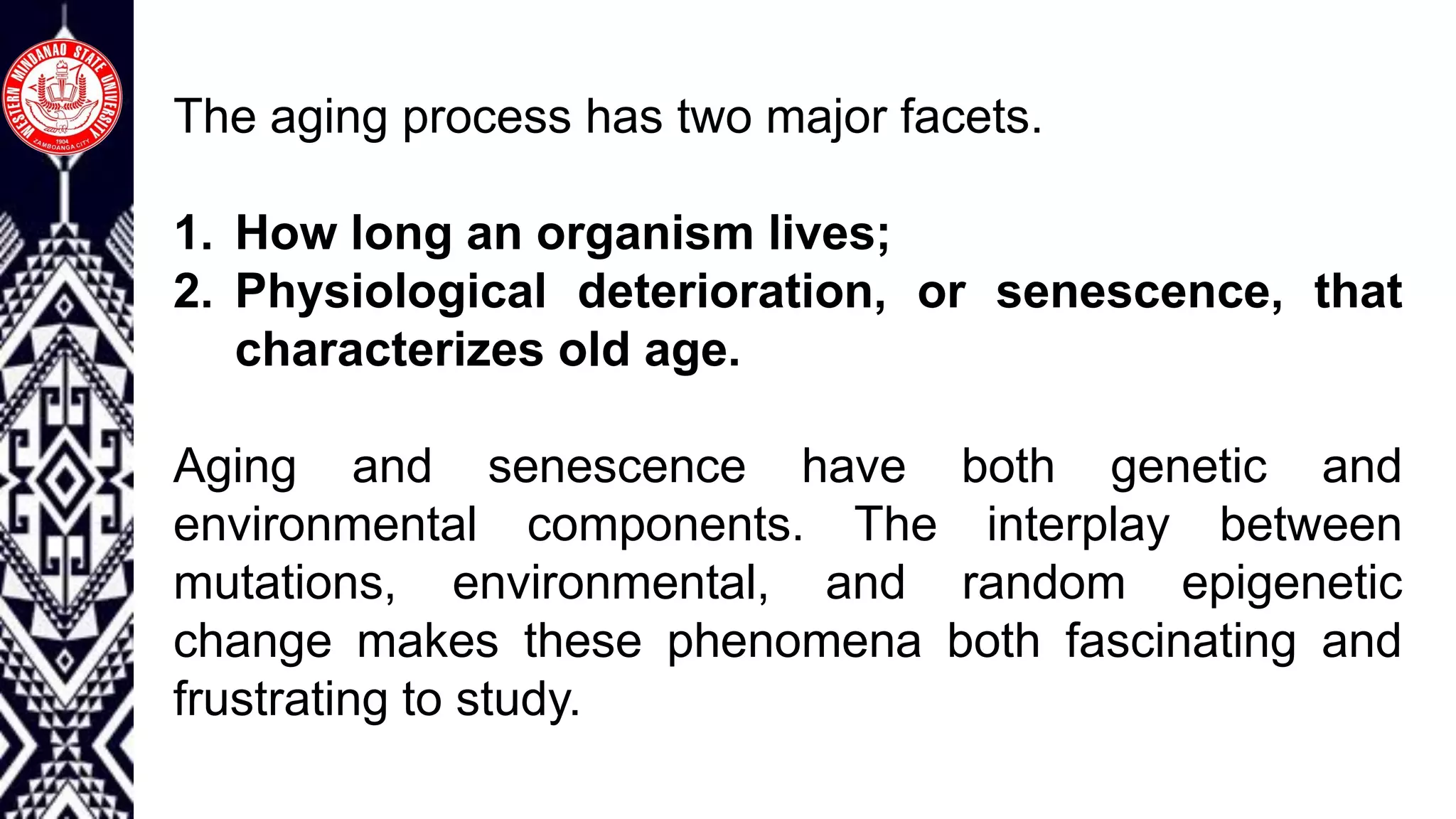
Age and longevity describe the complex relationship between chronological time passed and the physiological capacity of the human body to maintain functional health, resist disease, and extend overall survival. Navigating this field requires distinguishing between lifespan—the total duration of life—and healthspan, which measures the period spent free from chronic disease and debilitating illness.
Defining the Core Concepts of Biological Age Versus Chronological Age
Chronological age represents the absolute measure of time elapsed since an individual's birth, typically measured in years, months, and days. It serves as a universal administrative standard for legal eligibility, retirement planning, and public health tracking. However, chronological age fails to capture the heterogenous rate at which human tissues degrade or maintain integrity over time. Biological age, by contrast, evaluates the functional physiological state of cells, tissues, and organ systems relative to population norms.
The divergence between chronological and biological age stems from the accumulation of cellular damage, environmental stressors, genetic predispositions, and lifestyle choices. Two individuals sharing the same chronological birth year may exhibit drastically different biological ages. One may display systemic markers of accelerated aging—such as arterial stiffness, reduced pulmonary capacity, and systemic inflammation—while the other maintains robust metabolic flexibility and cellular repair mechanisms.
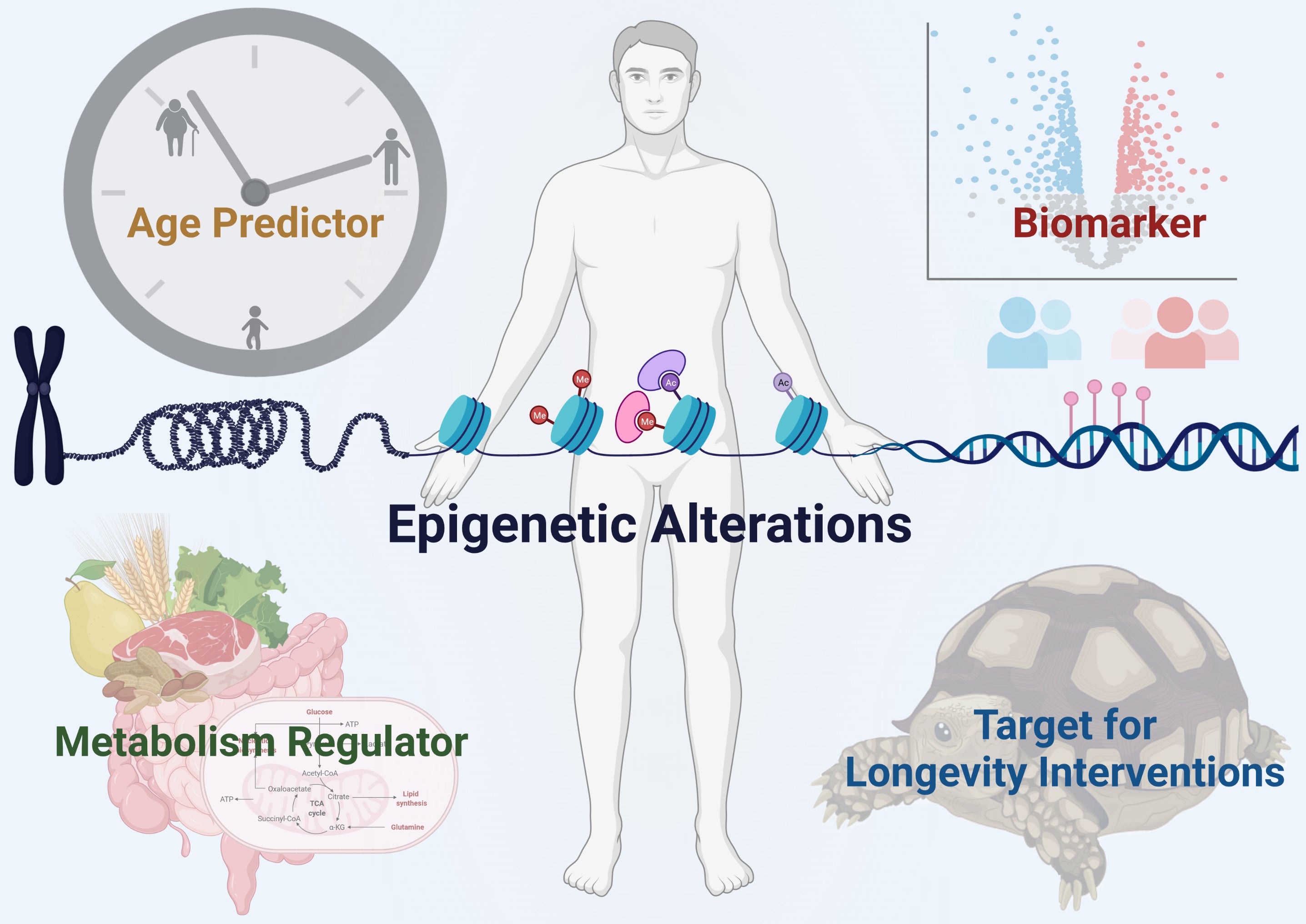
Biogerontologists and molecular biologists measure these physiological divergences through several established biomarkers. Epigenetic clocks, which analyze DNA methylation patterns across specific genomic loci, currently offer the most precise quantitative estimates of biological age. Other indicators include telomere length dynamics, metabolic panels, inflammatory cytokine profiles, and proteomic signatures. Understanding these metrics shifts the focus of longevity science from merely extending the calendar years of survival to preserving physiological resilience and systemic homeostasis.
The Genetic and Environmental Drivers of Human Lifespan
Human longevity is governed by a complex interplay between hereditary genetic factors and modifiable environmental exposures. Epidemiological studies, particularly those examining twin cohorts and centenarian populations, suggest that genetics account for approximately 20 to 30 percent of the variance in human lifespan. Specific genetic variations—such as polymorphisms in the FOXO3A gene and the APOE gene cluster—have consistently demonstrated associations with exceptional longevity and protection against age-related neurodegenerative and cardiovascular conditions.
The remaining 70 to 80 percent of longevity outcomes are shaped by environmental and lifestyle interventions. These modifiable determinants operate through conserved nutrient-sensing pathways, including the mammalian target of rapamycin (mTOR), AMP-activated protein kinase (AMPK), and sirtuins. These molecular pathways regulate cellular growth, autophagy (the clearance of damaged cellular components), and oxidative stress response mechanisms.
Key environmental variables influencing these pathways include nutritional intake, physical activity patterns, circadian rhythm alignment, and exposure to environmental toxins. Chronic caloric excess and sedentary behavior persistently activate inflammatory signaling pathways, accelerating cellular senescence. Conversely, structured physical exertion and optimal dietary patterns stimulate mitochondrial biogenesis and tissue repair, modulating the rate of biological deterioration.
Key Physiological Hallmarks of Aging
Research into the biology of aging categorizes the progressive decline of organismal function into several interconnected cellular and molecular hallmarks. Identifying these mechanisms provides a framework for evaluating therapeutic interventions aimed at extending healthspan.
- Genomic Instability: The continuous accumulation of DNA damage from endogenous metabolic byproducts and exogenous mutagens compromises genetic integrity over time.
- Telomere Attrition: With each successive cell division, the protective terminal caps of chromosomes shorten, eventually triggering replicative senescence or programmed cell death.
- Epigenetic Alterations: Changes in DNA methylation, histone modification, and chromatin architecture disrupt normal gene expression patterns, leading to cellular dysfunction.
- Loss of Proteostasis: The impairment of protein folding, chaperone function, and degradation pathways results in the toxic aggregation of misfolded proteins within tissues.
- Deregulated Nutrient Sensing: Disruptions in insulin and IGF-1 signaling networks diminish the cellular capacity to balance growth, maintenance, and stress resistance.
- Mitochondrial Dysfunction: Declining efficiency in cellular energy production increases the generation of reactive oxygen species while reducing adenosine triphosphate output.
- Cellular Senescence: The irreversible arrest of cell division combined with the secretion of pro-inflammatory factors damages surrounding tissue microenvironments.
- Stem Cell Exhaustion: The progressive loss of proliferative capacity in adult stem cell pools diminishes the regenerative potential of vital tissues.
- Altered Intercellular Communication: Chronic systemic inflammation, often termed "inflammaging," disrupts endocrine, neuroendocrine, and immune system coordination.
Methodologies for Measuring Biological Age and Healthspan
Quantifying biological age requires robust diagnostic tools that go beyond standard clinical examinations. Modern longevity clinics and research institutions utilize multi-modal testing batteries to assess systemic functional status.
Epigenetic testing remains the primary molecular approach. By measuring DNA methylation status at targeted cytosine-guanine dinucleotide (CpG) sites, algorithms can estimate an individual's biological age relative to chronological norms. Discrepancies between these values often correlate with future health risks.
| Assessment Category | Primary Diagnostic Tool | Target Physiological Marker | Clinical Utility |
|---|---|---|---|
| Epigenetic Analysis | Targeted DNA Methylation Assays | CpG Dinucleotide Methylation Patterns | Estimates biological age and cellular senescence rates. |
| Cardiovascular Health | Pulse Wave Velocity & Echocardiography | Arterial Stiffness & Endothelial Function | Measures vascular aging and hemodynamic stress. |
| Metabolic Fitness | Continuous Glucose Monitoring & Lipid Panels | Glycemic Variability & Apolipoprotein B | Evaluates metabolic efficiency and cardiovascular risk. |
| Body Composition | Dual-Energy X-ray Absorptiometry (DEXA) | Visceral Adipose Tissue & Sarcopenic Index | Quantifies muscle mass and fat distribution patterns. |
| Functional Capacity | Cardiopulmonary Exercise Testing (CPET) | Peak Oxygen Uptake ($VO_2$ Max) | Assesses aerobic fitness and physiological reserve. |
Modifiable Lifestyle Interventions to Support Healthy Longevity
Translating longevity research into actionable daily practices involves optimizing behaviors that directly influence the cellular hallmarks of aging. While no single intervention halts biological aging entirely, a combination of evidence-based strategies consistently demonstrates the capacity to compress morbidity and extend healthspan.
Nutritional strategies emphasize metabolic health and protein sufficiency. Dietary patterns rich in polyphenols, omega-3 fatty acids, and essential amino acids support cellular repair while minimizing chronic postprandial inflammation. Avoiding ultra-processed foods and managing glycemic variability protects vascular and metabolic tissue integrity.
Regular structured physical exercise serves as one of the most potent interventions for delaying biological aging. A balanced regimen combining progressive resistance training—to counteract age-related muscle mass loss, or sarcopenia—with zone 2 cardiovascular training enhances mitochondrial density, insulin sensitivity, and cardiovascular reserve.
Adequate sleep architecture and circadian biology management are equally critical. Deep and rapid eye movement (REM) sleep stages facilitate glymphatic clearance in the central nervous system, removing metabolic waste products accumulated during waking hours. Consistent sleep-wake schedules support endocrine balance and immune function.
Clinical Limitations and Professional Guidance Considerations
Evaluating longevity interventions requires rigorous scientific skepticism and individualized clinical oversight. The field of geroscience contains numerous commercial products, unverified supplements, and unvalidated diagnostic tests marketed directly to consumers without sufficient regulatory approval or empirical backing.
Individuals must recognize that longevity protocols are not one-size-fits-all. Interventions such as intensive caloric restriction, pharmacological agents like metformin or rapamycin, and advanced hormone optimization therapies carry distinct physiological risks and contraindications.
Consulting qualified medical professionals—such as board-certified internal medicine physicians, geriatricians, or registered clinical dietetics specialists—is essential before initiating significant lifestyle or therapeutic changes. Comprehensive blood panels, cardiovascular screenings, and professional risk stratifications ensure that interventions are safely tailored to individual health profiles, pre-existing conditions, and genetic predispositions.
Frequently Asked Questions About Age and Longevity
What is the difference between lifespan and healthspan?
Lifespan refers to the total number of years an individual lives, whereas healthspan measures the duration of life spent in optimal physical and mental health, free from chronic disease and functional impairment. The primary goal of modern longevity research is to narrow the gap between lifespan and healthspan.
Can biological age be reversed through lifestyle changes?
Current scientific evidence indicates that biological age, as measured by epigenetic clocks and physiological markers, can be slowed down and, in some metrics, partially reduced. Adopting structured exercise, optimizing nutrition, managing chronic stress, and ensuring restorative sleep demonstrably improve functional biomarkers of aging.
How do genetics influence how long a person lives?
Genetics account for roughly 20 to 30 percent of the variance in human lifespan, primarily by influencing resistance to specific age-related pathologies like cardiovascular disease and neurodegeneration. The remaining majority of longevity outcomes are determined by environmental factors, lifestyle habits, and ongoing healthcare access.
What are the most reliable biomarkers for tracking biological aging?
Reliable biomarkers include epigenetic DNA methylation profiles, peak oxygen uptake ($VO_2$ max), arterial stiffness measurements, high-sensitivity C-reactive protein (hs-CRP) levels, and comprehensive metabolic panels tracking fasting glucose, insulin, and apolipoprotein B.
Are longevity supplements and anti-aging drugs proven to work?
Most over-the-counter longevity supplements lack robust, long-term randomized controlled trial data in humans confirming lifespan extension. While certain compounds show promise in preclinical animal models by modulating nutrient-sensing pathways, their clinical efficacy and safety profiles in humans require further validation through rigorous scientific study.
How does physical exercise impact cellular aging?
Physical exercise stimulates mitochondrial biogenesis, improves insulin sensitivity, and promotes autophagy through the activation of AMPK pathways. These cellular adaptations reduce systemic inflammation, preserve muscle mass, and protect genomic stability across organ systems.
Developing Your Personalized Longevity Strategy
Implementing an effective longevity plan begins with establishing a baseline of your current physiological and metabolic health through verified clinical diagnostics. Prioritize foundational pillars first: establish a consistent sleep schedule, engage in a combination of resistance and aerobic training, and adopt a nutrient-dense dietary pattern tailored to your metabolic needs. Avoid unverified interventions and seek personalized guidance from qualified healthcare professionals to interpret diagnostic data and monitor progress safely over time.