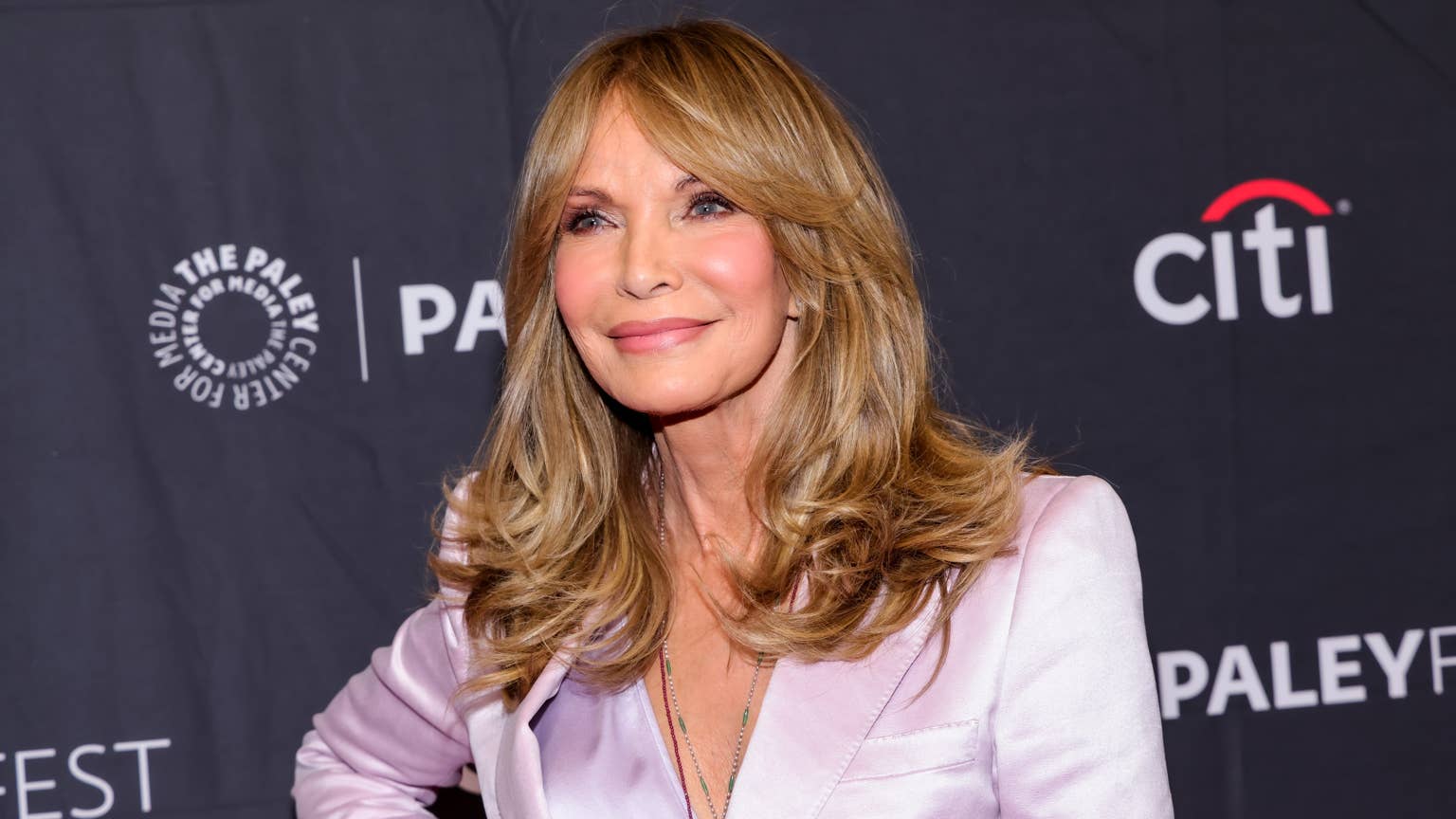
In 2026, Henry Winkler stands as a definitive blueprint for career longevity and personal vitality in an industry known for its transience. His ageless success is rooted in a commitment to radical reinvention, the strategic cultivation of kindness, and a resilient mindset that transformed early struggles with dyslexia into a lifelong engine for creative growth.
The Evolution of an Icon: Beyond the Shadow of "The Fonz"
To understand Henry Winkler’s relevance in 2026, one must look back at the immense gravitational pull of his breakout role as Arthur "The Fonz" Fonzarelli on Happy Days (1974–1984). For many actors, a character that defines a decade becomes a professional prison. Winkler, however, navigated the treacherous waters of typecasting by acknowledging the character’s impact while refusing to let it be his final act.
During the late 1980s and 1990s, Winkler shifted his focus toward producing and directing, behind-the-scenes roles that allowed him to build a secondary reputation for reliability and creative vision. By the time he returned to the spotlight in shows like Arrested Development and later his Emmy-winning turn in Barry, he had successfully rebranded himself as a versatile character actor rather than a former teen idol. This transition is a masterclass in professional pivoting—recognizing when a brand has peaked and having the humility to learn new facets of the trade.
In the current landscape of 2026, Winkler’s ability to bridge generational gaps is his most potent asset. He has maintained relevance not by chasing trends, but by remaining authentically curious about the evolution of storytelling. His work on streaming platforms and his engagement with digital media demonstrate that age is less a barrier to entry than a lack of adaptability.
Mastering Career Longevity Through Intellectual Curiosity
Winkler’s agelessness is frequently attributed to his "youthful spirit," but a closer analysis reveals it is driven by a disciplined intellectual curiosity. For an actor who did not read a full book until his 30s due to undiagnosed dyslexia, his second act as a prolific author is a profound testament to his growth mindset.
The Hank Zipzer series, which chronicles the adventures of a young boy with learning differences, became a foundational element of his modern identity. By turning his greatest vulnerability into a source of inspiration for millions of children, Winkler did more than sell books; he established a legacy that exists entirely independent of his filmography. This diversification is a key "secret" to his staying power: he became more than an actor, evolving into a cultural advocate and educator.
In 2026, his commitment to staying active remains unchanged. He continues to speak at literacy conferences and participate in mentorship programs, ensuring that his name remains synonymous with value and service. This "outward-facing" approach to aging prevents the stagnation often seen in veteran performers who focus solely on past glories.
The Strategic Power of Being the "Nicest Man in Hollywood"
While Hollywood is often portrayed as a cutthroat environment, Henry Winkler’s career serves as an empirical case study for the high ROI (Return on Investment) of kindness. Often referred to as the "nicest man in Hollywood," Winkler’s reputation is not merely a personality trait—it is a professional philosophy that has opened doors for over 50 years.
A reputation for being easy to work with, punctual, and supportive of crew members creates a "stickiness" in the industry. Directors and producers are more likely to hire a veteran who enhances the culture of a set. Winkler’s kindness has fostered a massive network of advocates across multiple generations of industry professionals. In 2026, as the industry places a higher premium on workplace culture and mental health, Winkler’s long-standing ethos has become the industry standard.
The psychological impact of this positivity cannot be overlooked. By maintaining a grateful and appreciative outlook, Winkler has avoided the bitterness and cynicism that often accompany the aging process in competitive fields. This emotional health manifests physically, contributing to the "ageless" quality often noted by his peers and the public alike.
Resilience and the Overcoming of Early Adversity
Much of Winkler’s success stems from his early struggles with dyslexia, which went undiagnosed throughout his childhood and early career. This challenge forced him to develop a high level of resilience and a unique approach to script memorization and performance.
Instead of being defeated by his learning disability, Winkler used it to develop an intense work ethic. He learned early on that he would have to work twice as hard as his peers to achieve the same results. This work ethic did not vanish once he became famous; it became the bedrock of his career. In 2026, Winkler frequently cites these early struggles as the "fuel" for his late-career successes. His story resonates with a modern audience that values vulnerability and the "authentic" sharing of personal hardship.
| Career Phase | Primary Focus | Key Outcome | Relevance Strategy |
|---|---|---|---|
| 1974–1984 | Stardom (Happy Days) | Cultural Icon Status | Creating a globally recognized brand. |
| 1985–1999 | Production & Direction | Industry Versatility | Building a reputation "behind the camera." |
| 2003–2015 | Character Work & Writing | Multigenerational Appeal | Reintroducing his talent to a younger demographic via Arrested Development and Hank Zipzer. |
| 2018–2024 | Dramatic Excellence (Barry) | Critical Acclaim | Winning an Emmy and proving dramatic range at 70+. |
| 2025–2026 | Legacy & Mentorship | Elder Statesman Status | Using social media and public speaking to maintain a constant presence. |
Embracing Technology and Modern Media in 2026
Age is often viewed as a disconnect from technology, but Winkler has defied this stereotype. In 2026, he remains active on social media platforms, using them not for vanity, but for connection. His presence on these platforms is characterized by the same warmth and accessibility found in his live appearances.
By embracing new forms of media—from podcasts to short-form video—he ensures he is where the audience is. He does not wait for the audience to find him; he meets them on their terms. This lack of preciousness regarding "how" he is seen is a vital component of staying relevant. Whether he is appearing in a high-budget streaming series or a viral clip, his commitment to the craft remains the same.
Furthermore, his 2023 autobiography, Being Henry: The Fonz... and Beyond, provided a roadmap for his 2026 activities. The book served as a catalyst for a new wave of speaking engagements where he discusses the importance of self-discovery at any age. He advocates for the idea that "your life is not over at 60, 70, or 80—it is simply a new chapter."
Navigating the Industry at Age 80
As Henry Winkler navigates 2026 at the age of 80, his schedule remains as robust as performers half his age. The secret to this stamina is a combination of physical health and mental engagement. He has spoken frequently about the importance of staying "nimble," both in body and mind.
His approach to aging involves three main pillars:
- Continuous Learning: He treats every new script or project as an opportunity to learn a new skill or perspective.
- Social Connectivity: He maintains a wide circle of friends across all age groups, preventing the social isolation that can lead to cognitive decline.
- Purpose-Driven Work: He chooses projects that have meaning to him, whether they are comedic, dramatic, or educational.
Winkler’s relevance in 2026 is a result of a conscious choice to remain an active participant in the world. He rejects the "retirement" model in favor of a "refinement" model, where he continues to hone his abilities while shedding the need for external validation.
Frequently Asked Questions
How old is Henry Winkler in 2026?
Henry Winkler was born on October 30, 1945. In 2026, he will turn 81 years old. His continued high-level performance in the industry at this age is a testament to his health and professional discipline.
What is Henry Winkler's most famous role?
While he is world-renowned as Arthur "The Fonz" Fonzarelli from the 1970s sitcom Happy Days, many modern viewers know him best for his Emmy-winning role as acting teacher Gene Cousineau in the HBO series Barry. His ability to excel in two vastly different roles decades apart is a hallmark of his career.
How did Henry Winkler overcome his dyslexia?
Winkler did not "cure" his dyslexia but learned to manage it through persistence and alternative learning strategies. He often records his thoughts or uses speech-to-text technology and has spoken extensively about the need for patience and self-kindness when dealing with learning differences.
Does Henry Winkler still act today?
Yes, in 2026, Henry Winkler continues to be active in both television and voice acting. He is also a frequent guest on talk shows and remains a popular figure on the lecture circuit, discussing his life, career, and advocacy for those with learning disabilities.
What can professionals learn from Henry Winkler's career?
The primary lessons are the value of adaptability, the importance of a positive professional reputation, and the power of resilience. Winkler proves that by being willing to reinvent oneself and treating others with respect, one can maintain a successful career for over half a century.
Practical Steps to Emulate Winkler’s Success
To achieve the kind of "ageless success" Henry Winkler demonstrates, individuals should focus on diversifying their skill sets and maintaining a high degree of emotional intelligence. Relevance is not a fixed state but a continuous process of engagement with the present moment.
Individuals looking to maintain their professional edge as they age should prioritize "soft skills" like empathy and collaboration, which become increasingly valuable as technical landscapes change. Additionally, finding a purpose beyond one's primary career—much like Winkler’s advocacy for dyslexia—provides a sense of fulfillment that sustains motivation through the later stages of a career. Staying relevant means staying curious, staying kind, and, most importantly, staying willing to be a beginner again.