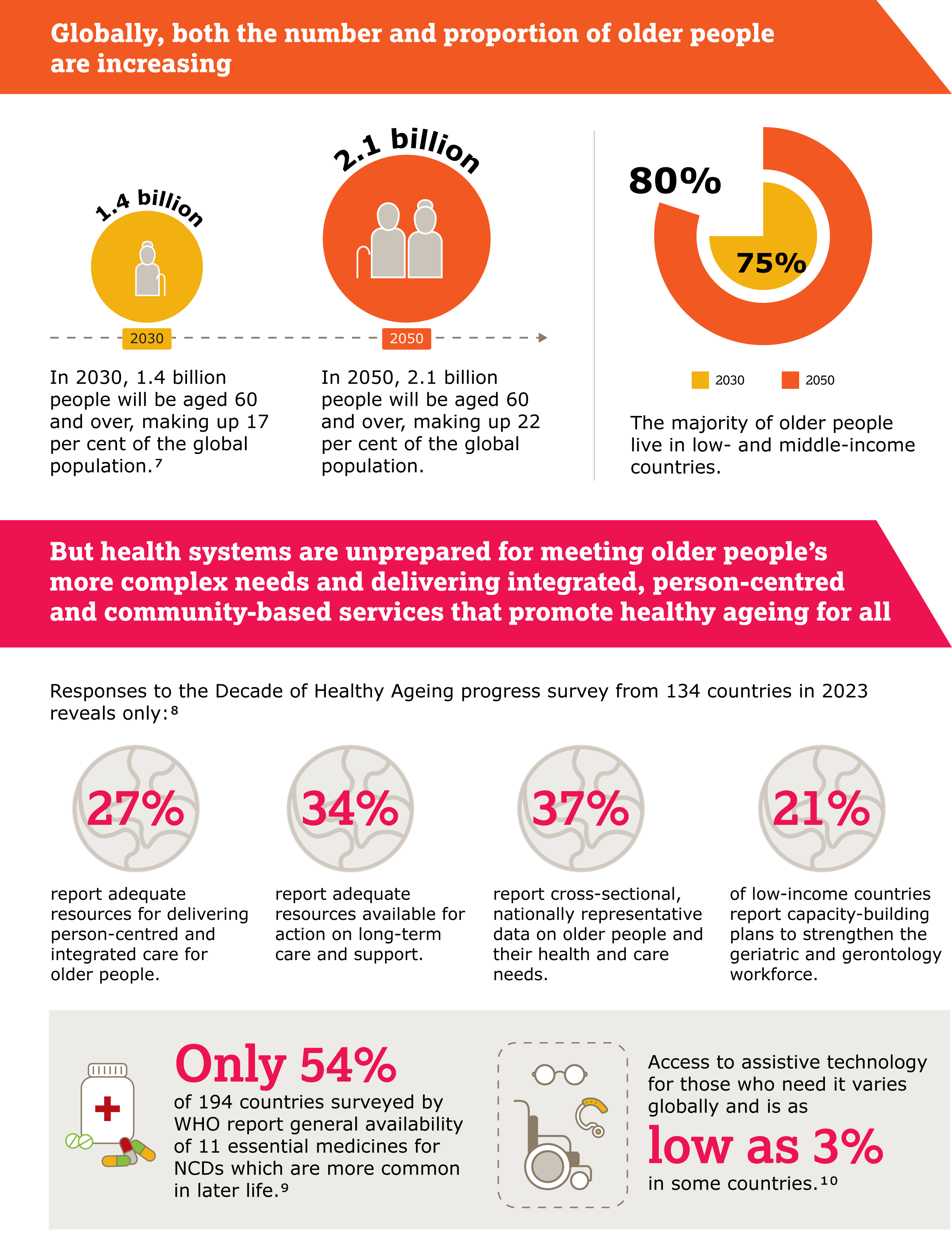
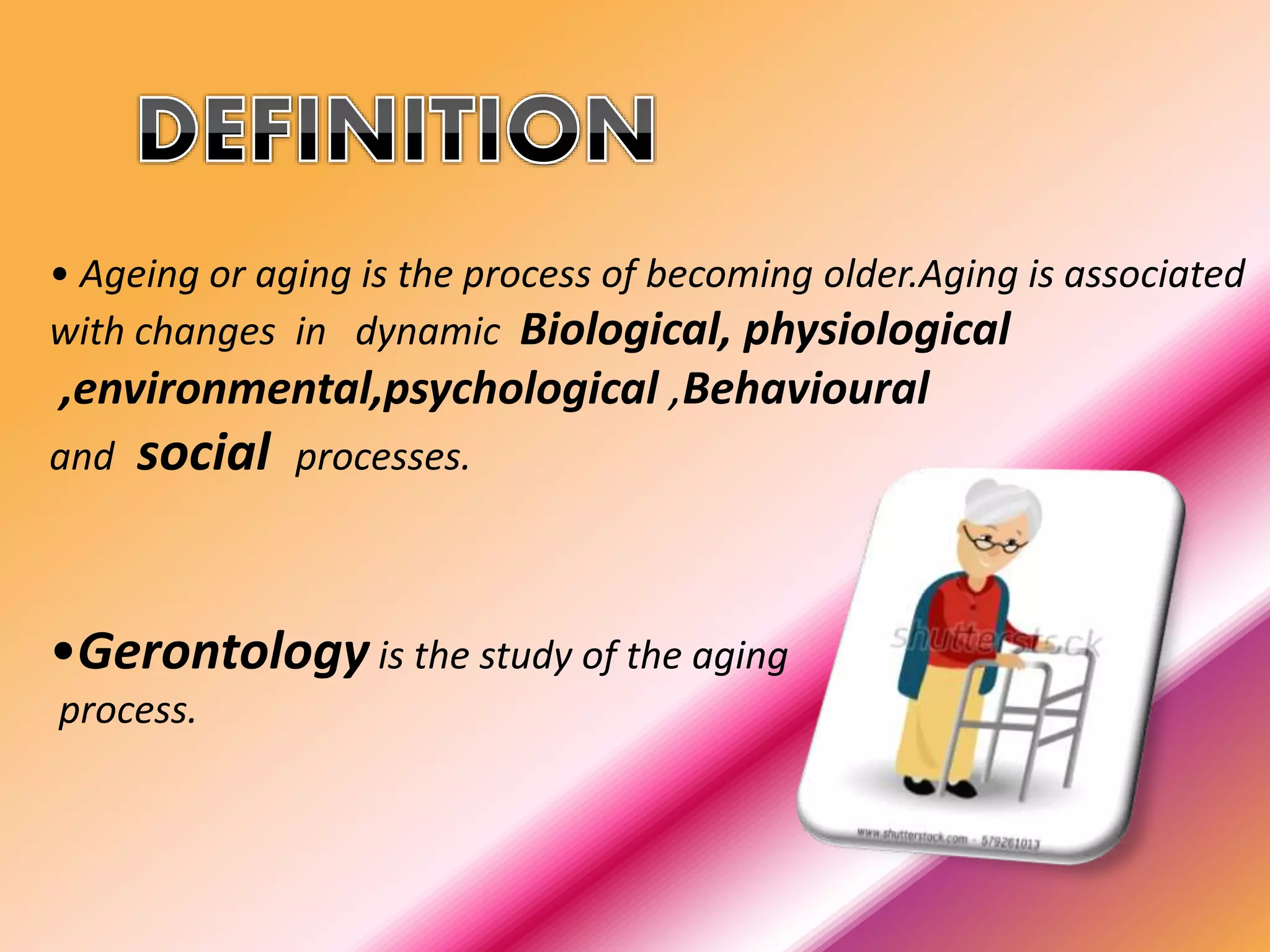
The intersection of chronological age and biological health shapes human longevity, functional capacity, and disease susceptibility. While aging is an inevitable physiological process, health outcomes vary dramatically based on genetics, lifestyle, and clinical interventions. Understanding this dynamic relationship helps individuals and healthcare providers optimize wellness at every life stage.
Biological Aging Versus Chronological Age
Chronological age measures the passage of time from birth, typically tracked in years, months, and days. Biological age, conversely, assesses the functional status of cells, tissues, and organ systems. Two individuals of the same chronological age can possess vastly different physiological profiles due to genetic predispositions, environmental exposures, and lifestyle choices.
Biomarkers of biological age include telomere length, DNA methylation patterns, chronic systemic inflammation levels, and mitochondrial efficiency. Epigenetic clocks, which measure chemical modifications to DNA, have emerged as primary tools in geroscience for estimating biological age relative to chronological age. When biological age outpaces chronological age, the risk for age-associated chronic conditions—such as cardiovascular disease, neurodegeneration, and type 2 diabetes—increases significantly. Conversely, maintaining a favorable biological age through targeted interventions can delay the onset of morbidity and extend healthspan.
Physiological Changes Across Major Life Stages
Human physiology undergoes continuous, systematic transitions as individuals progress from youth through middle adulthood and into advanced age. Each developmental and maturational phase introduces distinct physiological adaptations and clinical vulnerabilities.
During early adulthood, peak bone mass and maximal aerobic capacity are typically achieved. Muscular strength and metabolic efficiency remain robust, driven by optimal endocrine function and cellular regeneration. As individuals enter middle adulthood, subtle shifts begin to accumulate. Basal metabolic rate gradually declines, skeletal muscle mass begins a slow process of age-related reduction known as sarcopenia, and arterial stiffness increases due to extracellular matrix remodeling.
In advanced age, cumulative cellular senescence—where damaged cells cease division but remain metabolically active and secrete inflammatory cytokines—contributes to tissue dysfunction. Immune system senescence, termed immunosenescence, diminishes the body's response to novel pathogens and impairs vaccination efficacy, while concurrent low-grade inflammation, often called inflammaging, accelerates multi-organ decline.
| Life Stage | Primary Physiological Shifts | Key Health Vulnerabilities |
|---|---|---|
| Early Adulthood (20–39) | Peak bone density, maximal VO2 max, stable endocrine balance | Accidental injury, mental health disorders, substance use risks |
| Middle Adulthood (40–59) | Onset of sarcopenia, metabolic slowdown, arterial stiffness | Hypertension, dyslipidemia, early insulin resistance |
| Older Adulthood (60+) | Immunosenescence, cellular senescence, reduced glomerular filtration | Neurocognitive decline, osteoporosis, multimorbidity |
Key Determinants of Healthspan and Longevity
Extending healthspan—the period of life spent in good health, free from chronic disease and debilitating disability—depends on a multifaceted matrix of modifiable and non-modifiable factors. Genetics accounts for an estimated 20 to 30 percent of variance in human longevity, with specific variants in genes such as FOXO3 and APOE influencing susceptibility to exceptional aging and age-related pathologies.
Modifiable determinants exert profound control over the remaining variance. Regular physical exercise stimulates myokine production, enhances insulin sensitivity, preserves bone mineral density, and supports neuroplasticity through the upregulation of brain-derived neurotrophic factor. Nutritional patterns rich in micronutrients, antioxidants, and adequate protein intake mitigate oxidative stress and preserve muscle mass. Furthermore, rigorous management of cardiovascular risk factors, avoidance of tobacco, and moderation of alcohol consumption remain cornerstones of preventative geriatric medicine.
Clinical Prevention and Screening Strategies
Proactive clinical screening transforms the trajectory of age-related health decline by catching pathologies at preclinical or early, highly treatable stages. As physiological reserves diminish, standardized diagnostic protocols adapt to the specific risk profiles of aging cohorts.
Preventative cardiology protocols emphasize routine blood pressure monitoring, lipid panels, and glycemic assessments to detect metabolic syndrome before overt cardiovascular events occur. Oncological screenings, such as mammography, colonoscopy, and low-dose computed tomography for lung cancer, leverage age-stratified guidelines to balance early detection benefits against false-positive risks and procedural complications. Bone densitometry evaluations identify osteopenia and osteoporosis, guiding pharmacological and lifestyle interventions to prevent fragility fractures.
Navigating Multimorbidity and Polypharmacy
As populations age, the clinical paradigm frequently shifts from managing single acute conditions to addressing multimorbidity—the simultaneous presence of two or more chronic health conditions in an individual. Managing multiple overlapping diseases requires sophisticated coordination among primary care physicians and multi-organ specialists to prevent conflicting treatment goals.
Polypharmacy, the concurrent use of multiple medications by a patient, represents a frequent clinical challenge in geriatric care. Aging bodies process pharmaceuticals differently due to age-related reductions in hepatic blood flow, enzymatic clearance, and glomerular filtration rates. Clinicians utilize explicit criteria, such as the Beers Criteria for Potentially Inappropriate Medication Use in Older Adults, to systematically review and de-prescribe medications that pose higher risks of adverse drug events, cognitive impairment, or falls than therapeutic benefits.
Frequently Asked Questions
What is the difference between lifespan and healthspan?
Lifespan refers to the total number of years an individual lives, whereas healthspan defines the duration of life spent in good health, free from chronic disease and functional dependency. Maximizing healthspan ensures that extended years are marked by vitality and autonomy.
Can biological age be reversed?
Current scientific research suggests that biological age is not entirely fixed. Interventions involving rigorous aerobic exercise, caloric restriction, restorative sleep hygiene, and emerging cellular reprogramming techniques have demonstrated the potential to favorably alter epigenetic biomarkers of aging.
How does physical activity impact aging at the cellular level?
Physical activity promotes autophagy—the cellular cleanup process that removes damaged organelles and proteins—reduces systemic inflammation, preserves telomere length in leukocytes, and enhances mitochondrial biogenesis within skeletal muscle and neural tissues.
Why does polypharmacy pose a particular risk for older adults?
Older adults experience pharmacokinetic and pharmacodynamic shifts, meaning their bodies absorb, metabolize, distribute, and excrete drugs with reduced efficiency. Taking multiple medications simultaneously increases the probability of dangerous drug-drug interactions, cognitive decline, dizziness, and falls.
What role do genetics play in determining individual health outcomes with age?
Genetics influences baseline predispositions to longevity, metabolic efficiency, and resistance to specific chronic diseases. However, environmental factors and personal lifestyle choices strongly modulate how these genetic tendencies manifest over a lifetime.
Next Actions for Personalized Health Optimization
Evaluating personal health trajectories requires a collaborative, evidence-based approach involving qualified healthcare professionals. Schedule a comprehensive annual wellness examination to establish baseline biomarker panels, review current vaccination schedules, and discuss age-appropriate cancer and metabolic screenings tailored to your personal and familial risk profile. Prioritize sustainable lifestyle modifications—including progressive resistance training, a nutrient-dense dietary pattern, restorative sleep, and cognitive engagement—to protect physiological resilience and maximize long-term healthspan.